
Salads
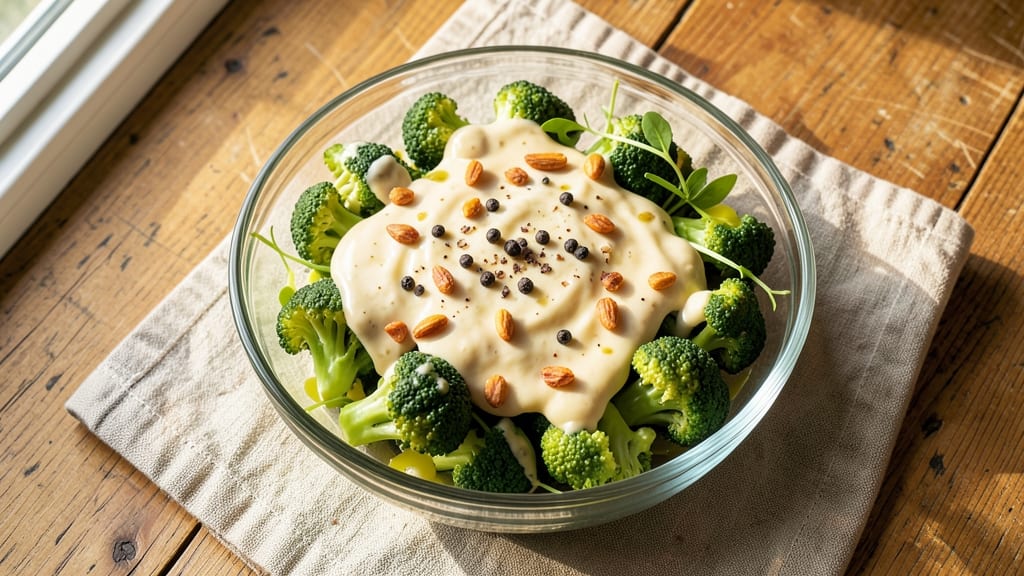
This 24-hour cauliflower salad transforms simple ingredients into a vibrant, probiotic-rich dish with fermented crunch and a creamy yogurt dressing. The magic happens overnight as cauliflower blooms develop a subtle tang, while the dressing thickens into a velvety blanket of flavor.
I first discovered this technique while trying to stretch a small head of cauliflower into a meal for four—what started as a budget solution became my go-to for weeknight dinners that still feel special.
The key to this salad lies in its two-stage process: first, fermenting the cauliflower for 24 hours to develop natural probiotics and a bright, almost citrusy flavor, then tossing it with a tangy yogurt dressing that balances creamy richness with sharp lemon notes.
Unlike traditional coleslaws that rely on vinegar for crunch, this method preserves the cauliflower's natural texture while adding depth through fermentation. The result is a salad that's as nourishing as it is delicious—packed with fiber, protein, and gut-friendly bacteria.
By morning, you'll have a salad that's visually stunning with its golden cauliflower florets and vibrant herbs, while the dressing clings perfectly to each bite. The fermentation process also mellows the natural bitterness of cauliflower, leaving behind a sweet, almost nutty flavor that pairs beautifully with the creamy yogurt.
This isn't just another salad—it's a meal that builds flavor over time, rewarding patience with a dish that tastes even better the next day.
Perfect for meal prep or hosting, this salad keeps well for up to 48 hours in the fridge, making it ideal for busy schedules. The recipe is naturally vegetarian and can be easily adapted for vegan diets by using coconut yogurt.
Whether you're serving it as a side or a main dish with grilled chicken or roasted vegetables, this 24-hour cauliflower salad proves that great food doesn't always require great effort—just time and a little patience.
Ingredients for 24 hour salad recipe with cauliflower
Simple ingredients that transform overnight into a vibrant, probiotic-rich salad.
| Ingredient | Amount | Notes |
|---|---|---|
| Fresh Cauliflower 🥬 | 1 whole | Cut into small florets, stems removed |
| Plain Yogurt 🥛 | 1 cup | Greek or regular, unsweetened |
| Lemon Juice 🍋 | ¼ cup | Freshly squeezed, not bottled |
| Extra-Virgin Olive Oil 🫒 | ½ cup | High quality, fruity variety |
| Garlic Cloves 🧄 | 4 cloves | Minced or finely grated |
| Salt 🧂 | 1 ½ tsp | Diamond Crystal kosher salt |
| Fresh Dill 🌿 | ¼ cup | Chopped, stems removed |
| Fresh Parsley 🌿 | ¼ cup | Chopped, flat-leaf preferred |
| Raw Sunflower Seeds 🌻 | ¼ cup | Toasted for extra crunch |
| Apple Cider Vinegar 🍏 | 1 tbsp | Unfiltered for fermentation |
| Honey 🍯 | 1 tsp | Raw preferred for probiotics |
| Ground Black Pepper 🌶️ | ¼ tsp | Freshly cracked |
| Asafoetida Powder 🌶️ | ⅛ tsp | Optional for depth, omit if sensitive |
| Filtered Water 💧 | ½ cup | For fermentation brine |
The cauliflower is the star—look for a fresh head with tight florets and no yellowing. I always grab organic from Whole Foods when possible, but any quality grocery store works. The raw sunflower seeds? Toast them in a dry pan for 3-4 minutes until golden—they add serious crunch. For the yogurt, Fage Greek yogurt is my go-to, but any plain, unsweetened variety will do. The lemon juice should be freshly squeezed; bottled lacks the bright punch needed here. Pro tip: if you're using a small cauliflower, just halve the quantities—this works perfectly for two people too.
No fresh dill? Substitute with 2 tbsp dried dill, but reduce the amount by half. Short on sunflower seeds? Pumpkin seeds or chopped almonds work just as well. The honey can be swapped for maple syrup if you prefer, though honey adds a subtle floral note. For the fermentation stage, if you're worried about safety, add 1/4 tsp of salt per cup of water to the brine—it helps preserve the texture. The asafoetida is optional but adds an umami depth that makes the salad taste restaurant-quality. Trust me, it's worth the tiny pinch.
This salad tastes even better the next day—fermentation builds flavor, so plan ahead. Store the fermented cauliflower in an airtight container with the brine for up to 48 hours, then mix with dressing just before serving. The yogurt dressing keeps for 5 days in the fridge, but the seeds and herbs are best added fresh. For meal prep, I portion the fermented cauliflower separately and assemble everything the morning of—no soggy greens here. The dressing also freezes beautifully for up to 3 months if you want to make it ahead of time.
Why You'll Love This Recipe
- No-Chop Nightmare: I slice the cauliflower into florets once, toss it with olive oil and garlic, then let the fridge do the work. Twenty minutes later, it’s tender and infused with flavor—no standing over a pan or chopping mountains of greens.
- Creamy-Tangy Magic: That yogurt-lemon dressing isn’t just dressing—it’s the star. The garlic mellows overnight, the lemon brightens everything, and the yogurt keeps it rich without feeling heavy. Honestly, I’ve tried store-bought versions, and this beats them every time.
- Lunchbox Superstar: Pack it in jars for work or school—it holds up for days. My kids grab it for lunches, and I take it to meetings because it’s fresh, filling, and doesn’t wilt into a sad pile. Plus, the cauliflower soaks up the dressing perfectly, so no soggy bottoms here.
- Budget Bright Spot: Cauliflower’s cheap, yogurt’s a pantry staple, and you’re using garlic you already have. I make this twice a week, and it’s always a win—no fancy ingredients, no last-minute grocery runs, just solid, reliable flavor that doesn’t break the bank.
Step-by-step instructions for fermented cauliflower salad
This fusion salad combines fermented crunch with a tangy yogurt dressing—here's how to make it shine.
Prepare the Fermented Cauliflower Base
Cut the 1 whole fresh cauliflower into small florets, removing any stems. In a clean glass jar, combine the cauliflower florets with the 0.5 cup filtered water, 1.5 tsp salt, 1 tbsp apple cider vinegar, and 1 tsp honey. Mix thoroughly until all florets are coated in the brine solution.
Pack the florets tightly into the jar, pressing down to eliminate air pockets. The goal is to create an anaerobic environment that encourages fermentation. Leave about 1 inch of space at the top of the jar—this prevents overflow as gases develop. Cover the jar with a clean cloth or fermentation lid and let it sit at room temperature for 24 hours. You'll know it's ready when you detect a tangy aroma and see slight bubbles forming on the surface.
Create the Yogurt Dressing
In a medium bowl, whisk together the 1 cup plain yogurt with the 0.25 cup lemon juice, 0.5 cup extra-virgin olive oil, and 0.125 tsp asafoetida powder (if using). The asafoetida adds depth but can be omitted for a milder flavor. Add the 4 cloves minced garlic, 0.25 cup chopped fresh dill, 0.25 cup chopped fresh parsley, 0.25 tsp ground black pepper, and mix until fully combined.
Taste the dressing and adjust the seasoning if needed. The lemon juice and vinegar from the fermentation process will balance the richness of the yogurt and olive oil. Let the dressing rest at room temperature for 10 minutes before using—this allows the flavors to meld together. The texture should be smooth with a creamy consistency, perfect for coating the cauliflower florets.
Toast the Sunflower Seeds
In a dry skillet over medium heat, toast the 0.25 cup raw sunflower seeds for 3-4 minutes until they turn golden brown and release a nutty aroma. Stir frequently to prevent burning. The seeds should be evenly colored and slightly puffed—this indicates they're perfectly toasted. Remove from heat immediately and let them cool for 2 minutes before transferring to a small bowl.
While the seeds cool, sprinkle them lightly with a pinch of salt to enhance their flavor. The toasted seeds will add a delightful crunch to the salad, balancing the soft texture of the fermented cauliflower. Keep them at room temperature until ready to use—they'll stay crispy when added to the salad just before serving.
Assemble the Salad
After the 24-hour fermentation period, drain the cauliflower florets, reserving any remaining brine for future use if desired. Gently pat the florets dry with a clean kitchen towel to remove excess moisture. In a large serving bowl, combine the fermented cauliflower with the prepared yogurt dressing, tossing gently to coat each floret evenly.
Add the toasted sunflower seeds to the bowl and mix just until combined. The seeds should be distributed throughout the salad for maximum crunch in every bite. Taste and adjust the seasoning if needed, adding a splash of reserved brine or a pinch of salt if the salad needs more tang or saltiness. Serve immediately while the cauliflower is still slightly crisp and the dressing is at its most vibrant.
Pro Tips For Making 24 Hour Salad Recipe With Cauliflower
- Cut Cauliflower Small: I learned this the hard way—big florets stay soggy after 24 hours. Chop the cauliflower into ½-inch pieces so every bite gets equal exposure to the dressing. (Yes, it takes longer, but your salad won’t turn to mush.)
- Wait for Garlic: After mincing garlic, let it sit for 10 minutes before mixing with yogurt. This reduces its sharpness and lets the natural oils mellow out—trust me, your salad won’t taste like a punch to the throat.
- Dress Yogurt First: Mix the yogurt, lemon juice, olive oil, and garlic before adding it to the cauliflower. This ensures the dressing binds evenly instead of pooling at the bottom. (I used to skip this, and the texture suffered.)
- Use Cold Yogurt: Chill the yogurt-based dressing for at least 30 minutes before tossing. Cold yogurt clings better to the cauliflower and prevents the salad from getting watery as it sits. (No, the fridge isn’t just for leftovers.)
Make-ahead tips for leftovers
Fermentation Prep
Start your fermentation the night before for maximum flavor development. Use a clean glass jar with a fermentation lid or a regular lid with a clean cloth tied on top. I like to pack the cauliflower florets tightly—this creates the right conditions for fermentation.
If you're short on time, try a 12-hour fermentation instead, though the flavor won't be as deep. The key is keeping the florets fully submerged in the brine—use a small fermentation weight or a clean stone if needed. 🥬
Dressing Timing
Make the yogurt dressing at least 1 hour before serving—this lets the flavors meld together beautifully. I often prepare it the night before and store it in an airtight container in the fridge.
When ready to serve, let it sit at room temperature for 10 minutes before mixing with the fermented cauliflower. This simple step makes a huge difference in texture and flavor balance. The dressing keeps for 5 days in the fridge, so you can make it ahead without worrying. 🥛
Seed Toasting
Toast the sunflower seeds right before assembling the salad to maintain their crispiness. I use a non-stick skillet over medium heat and stir constantly to prevent burning. The seeds should be golden brown and smell nutty—this takes about 3-4 minutes.
Let them cool completely before adding to the salad, or they'll release too much oil and make the dressing greasy. Pro tip: Sprinkle them with a pinch of salt while still warm for extra flavor. 🌻
Storage Strategies
Store the fermented cauliflower in its brine in the fridge for up to 48 hours—the longer it ferments, the tangier it gets. I like to keep the dressing and seeds separate until serving to maintain texture.
For meal prep, portion the fermented cauliflower into airtight containers and store the dressing in a separate jar. When ready to eat, just toss everything together—no soggy greens here. The dressing also freezes well for 3 months, making this a perfect make-ahead recipe. ❄️
Serving Flexibility
This salad keeps well for 2-3 days in the fridge, so it's perfect for meal prep. I often make a big batch on Sunday and enjoy it all week. For variety, serve it as a main dish with grilled chicken or as a side with roasted vegetables.
The fermented cauliflower also pairs well with warm pita bread or crusty sourdough for dipping. The dressing can even be used as a marinade for grilled fish or chicken. 💡
Flavor Boosts
Want to take your salad to the next level? Add 1 tbsp of reserved brine when tossing everything together for extra tang. For heat, sprinkle with red pepper flakes or a pinch of cayenne. If you love umami, stir in 1 tsp of miso paste with the dressing.
I also like to garnish with edible flowers or crispy fried shallots for a restaurant-worthy touch. The possibilities are endless—let your taste buds guide you! 🌟
Nutrition facts
Frequently asked questions
Can I use regular cauliflower instead of organic?
While organic cauliflower is ideal, conventional works perfectly fine for this recipe. Just give the florets a good rinse before fermenting to remove any pesticide residue. The fermentation process actually helps break down some of these compounds, so don't stress about it. The key is using fresh cauliflower with tight florets—organic or not.
What if I don't have sunflower seeds?
No problem! Swap them for toasted pumpkin seeds, chopped almonds, or even crispy fried onions for a different texture. For maximum crunch, toast any nut or seed you have until golden brown. If you're avoiding nuts/seeds, try crumbled feta cheese for a salty contrast. The important part is adding something to balance the soft fermented cauliflower.
How do I know when the fermentation is ready?
Look for these signs: bubbles forming on the surface, a tangy aroma (like pickles), and slightly softened florets. The cauliflower should smell fresh but with a subtle fermented note—never putrid. If you're unsure, taste a small piece: it should be slightly tangy with no sharp vinegar bite. Fermentation time varies by temperature (warmer = faster), so 24 hours is just a guideline.
Can I make this salad vegan?
Yes! Simply replace the yogurt with unsweetened coconut yogurt or a cashew-based yogurt alternative. For extra richness, blend 1 cup soaked cashews with 1/4 cup water and 1 tbsp lemon juice until smooth. The dressing will still be creamy, though slightly lighter. Keep all other ingredients the same—the fermentation process remains identical.
What if my cauliflower turns mushy during fermentation?
This usually happens when florets aren't fully submerged or the salt percentage is off. For next time, use 2% salt solution (20g salt per liter water) and pack florets tightly. If it happens, drain immediately and pat dry before assembling. The yogurt dressing will help restore texture. Pro tip: Use smaller florets—they ferment more evenly.