
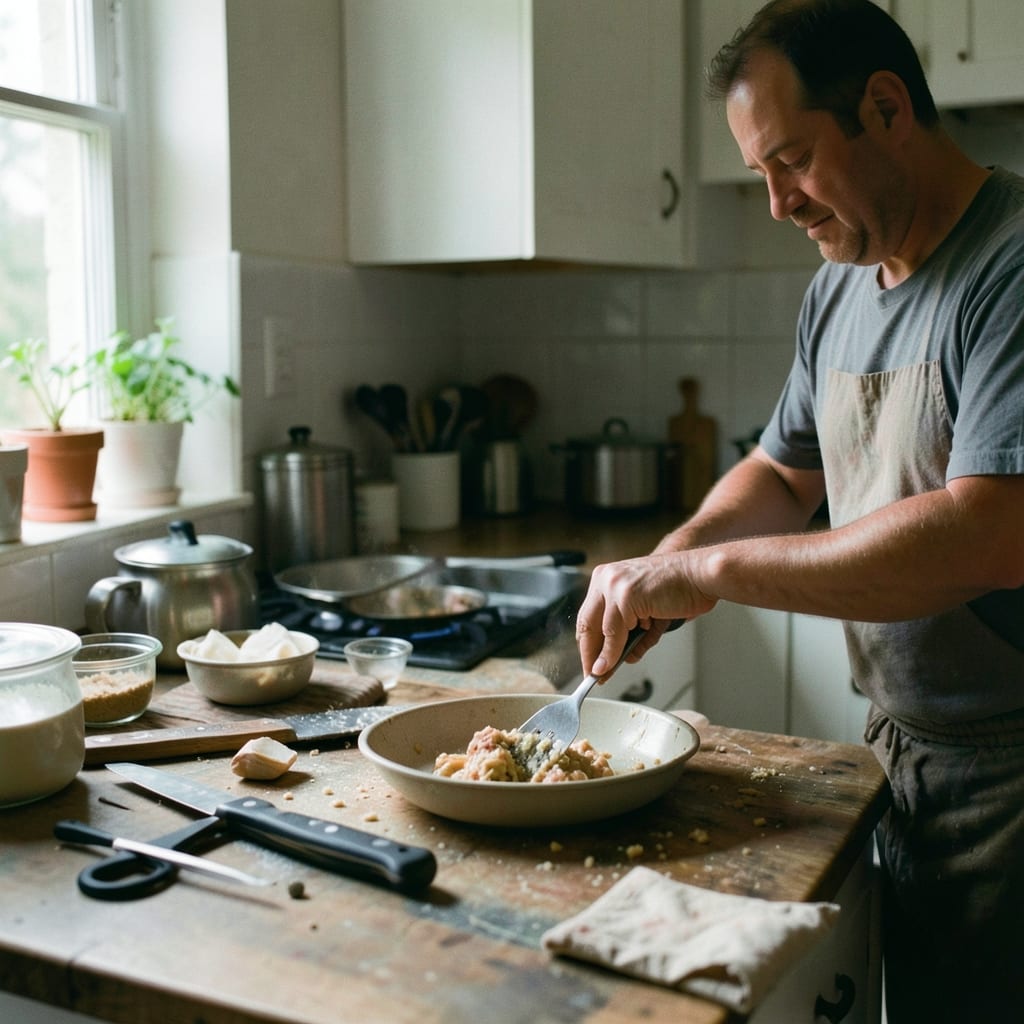
It started with one thing that kept failing
It was a summer in Portland, the kind where the rain stops just long enough to make the air thick with humidity. I was trying to make a perfect Caesar salad dressing—creamy, tangy, with that sharp kick of anchovies—but no matter how I mixed it, the texture was wrong.
The first batch was too thin, the second too greasy, the third separated like a failed emulsion. I’d measure everything twice, adjust the ratios, even try blending it longer, but the moment I poured it over the romaine, it just wouldn’t hold together.
The anchovies were the problem, or so I thought. I’d buy the freshest ones, the ones that still smelled like the ocean, but no matter how finely I chopped them, the dressing would either taste like soap or like nothing at all.
I’d add lemon juice drop by drop, thinking that would cut through it, but then the whole thing would curdle. The worst was when I got the balance *almost* right—the dressing looked perfect, glossy and thick—but the second it hit the salad, it would turn the leaves limp.
I ruined three bowls of romaine that afternoon. The first was soggy, the second bitter from over-lemon, the third just… wrong. My mom used to say a good salad dressing should ‘sing,’ but this one was just whispering.
And then, when I finally got close—after the fifth attempt—I realised the real issue wasn’t the anchovies or the lemon. It was the egg yolk. I’d been adding it too late, letting the vinegar break it down before it could properly bind the oil.
Nine tries before it worked
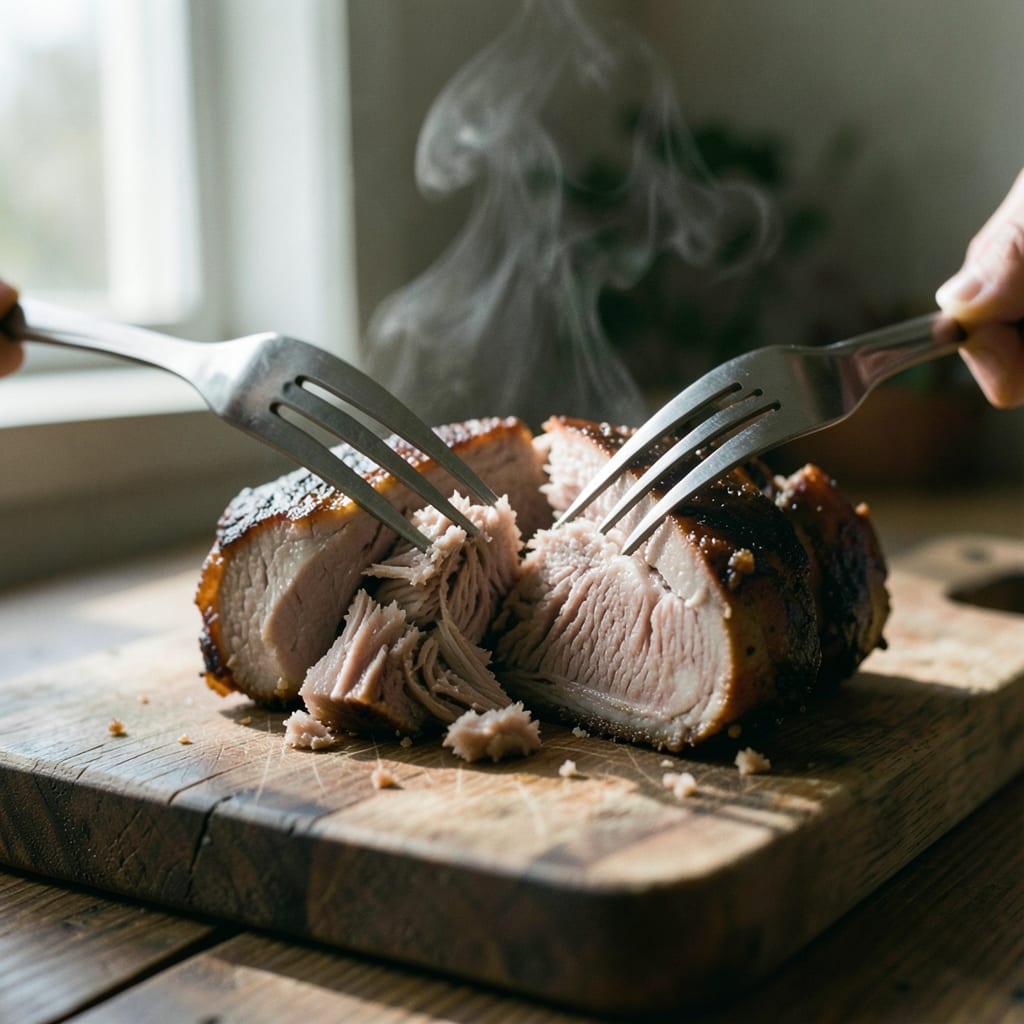
The first three attempts were all about the anchovies. I tried different brands, different chop sizes, even soaking them in cold water to mellow them out. The fourth batch was a disaster—I used too much Worcestershire sauce, and the dressing tasted like a fish market.
The fifth time, I added the lemon juice too fast, and the whole thing split like a cracked egg. By the seventh try, I was so frustrated I skipped the anchovies entirely, just using garlic and a pinch of salt for umami.
It was bland, but at least it stayed together.
Then I read an old cookbook my grandmother had, tucked in the back where the pages were yellowed. It said to temper the egg yolk with a splash of warm water before adding it to the oil.
I tried it on the eighth attempt, and for the first time, the dressing thickened smoothly. But when I tasted it, it was too mild—the anchovies had lost their punch.
So I went back to the basics: fresh anchovies, chopped by hand, added to the oil *before* the vinegar, with the yolk tempered in warm water. The ninth time, it finally came together—creamy, sharp, with that perfect balance of salt and tang.
The difference was in the order. The anchovies needed to bloom in the oil first, the lemon had to be added slowly, and the yolk had to be warm enough to emulsify but not so hot it cooked.
I’d spent weeks chasing one variable at a time, but the real fix was in how they all worked together. That dressing became the first recipe I ever tested nine times before sharing it.
The mind behind these pages

That’s me—Hector Ortega—standing in that kitchen, ruining salads and learning the hard way. I’ve spent more years in kitchens than I can count, from helping my mom make Sunday dinners to working in a diner during college, where the cook would yell at me for over-salting the fries.
Now I feed my own family, and I’ve realised the same thing that kept me going through those nine failed dressings: cooking isn’t about perfection. It’s about the process, the tweaks, and the stubborn refusal to give up when something doesn’t work the first time.
I’m the kind of person who will try something nine times if it’s worth it. My wife says I’m like a terrier with a bone, and my kids have learned not to ask for my help unless they’re ready for a long afternoon.
My mom was the first to notice it—back when I’d spend hours trying to get a pie crust flaky, or a roast just tender enough. She’d laugh and say, ‘You’ll get it, Hector. Just not today.’ And she was right. Every time.
When I’m not in the kitchen, you’ll find me in a workshop, trying to build something that’s always a little off.
The first shelf I hung was crooked, the first chair I made had a wobbly leg, and the first time I attempted a proper wood-fired pizza, the crust burned before the cheese melted. But I kept going. There’s something about failure that teaches more than success ever does.
That’s why every recipe here has been made at least three times—and usually more. Because the magic isn’t in the ingredients. It’s in the doing.
Everything here is written the way that was
Now, when I write a recipe, it’s not just about the steps. It’s about the *why* behind them—the order, the temperature, the way the anchovies bloom in oil before the lemon cuts through.
I’ll test a dressing three times before I even think about writing it down, and I’ll note every little thing that changes: how long the ingredients rest, whether the bowl is cold or at room temperature, or if the blender needs to be pre-warmed.
Those details are what turn a good recipe into one that actually works.
The notes I take during testing don’t just go into the recipe. They go into the *process*. If a salad dressing separates after sitting for twenty minutes, I’ll write that down. If a vinaigrette needs to be shaken *just* before pouring, not mixed hours ahead, that’s in there too.
Months later, when I revisit a recipe, I’ll make it again with those exact conditions—because the first time it worked might not be the first time it works *for you*.
That’s the difference between a recipe and a real method. A recipe is a list. What you get here is a story of what happened when I tried it nine times, what went wrong, and how I fixed it. Because cooking isn’t about following instructions.
It’s about understanding why they work—and what to do when they don’t.
What that means for you
You’ll find no shortcuts here. Every recipe has been made enough times that I know exactly where it can go wrong—and how to fix it. If a dressing separates, or a salad wilts, or a vinaigrette tastes flat, you’ll have the notes to troubleshoot it before you even ask.
And if you’re the kind of person who likes to experiment, you’ll see the ‘what if’ questions I asked along the way: *What if I add more garlic? What if I skip the anchovies? What if I let it rest overnight?*
What you won’t find are vague instructions or ‘trust me, it works’ promises. If a recipe says ‘toss the greens,’ I’ll tell you how many times to toss them, and whether to use a large bowl or a small one.
If it calls for ‘fresh herbs,’ I’ll say whether to chop them fine or leave them whole. Because the details are what turn a good salad into a great one—and the only way to learn them is by doing.
Send me the details—what you tried, what went wrong, and what you’ve already changed. I’ll tell you what to adjust next, or point you to the exact recipe that might work. Sometimes the fix is simpler than you think.
If you’ve ever stood in your kitchen wondering why your dressing won’t emulsify, or why your salad tastes dull, you’re not alone. That’s why I built this site—to share the lessons I learned the hard way, so you don’t have to ruin nine batches to get it right.
Try one of our recipes, and if it doesn’t work the first time, you’ll know exactly what to change. Because the best cooking isn’t about perfection. It’s about persistence.
The recipes are grouped by category: Appetizers, Beverages, Breakfast & Brunch, Desserts, Main Courses and Reviews.