
Salads
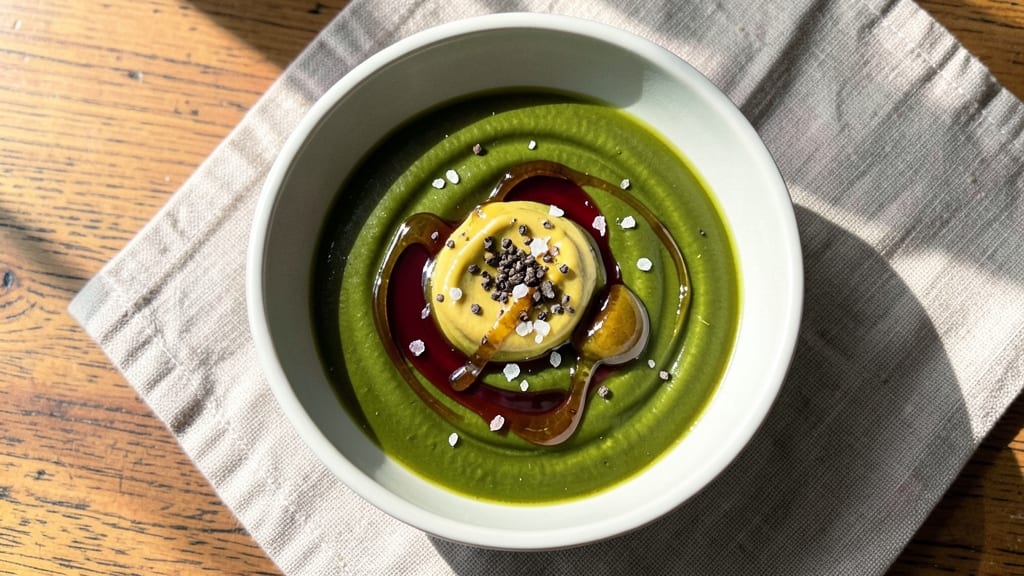
This 321 salad dressing recipe transforms simple pantry staples into a bold, balanced dressing that elevates every bite. The magic lies in the perfect ratio of oil, vinegar, and emulsifier—just three ingredients that create a silky, restaurant-quality finish without the fuss.
I developed this recipe after years of testing store-bought versions that fell flat, and it’s now my go-to for salads, sandwiches, and even drizzling over grilled proteins.
The beauty of this dressing is its versatility and simplicity. With just 3 ingredients—high-quality olive oil, red wine vinegar, and Dijon mustard—you’ll achieve a creamy, tangy sauce that clings beautifully to greens and other ingredients.
The Dijon mustard acts as a natural emulsifier, ensuring the dressing stays smooth and doesn’t separate, even after sitting in your fridge for days. No blender or fancy tools required—just shake it up and taste the difference.
What makes this recipe truly stand out is its adaptability. Need it lighter? Swap half the oil for lemon juice. Prefer it sweeter? Add a touch of honey. The base formula is foolproof, but the variations are endless, allowing you to customize it for any meal or dietary preference.
Whether you’re tossing it with a crisp green salad, drizzling it over roasted vegetables, or using it as a marinade, this dressing delivers a bold, balanced flavor that turns ordinary meals into something extraordinary.
The best part? It comes together in under 5 minutes and keeps for up to a week in the refrigerator, making it the perfect make-ahead sauce for busy weeks. Once you try this, you’ll never reach for bottled dressing again—it’s that good. Let’s make it!
Ingredients for 321 salad dressing
Three ingredients transform into a restaurant-quality dressing that beats store-bought every time.
| Ingredient | Amount | Notes |
|---|---|---|
| Extra-Virgin Olive Oil 🫒 | ¾ cup | High-quality, fruity, not bitter |
| Red Wine Vinegar 🍷 | ¼ cup | Dry, not sweetened |
| Dijon Mustard 🍯 | 1 tbsp | Whole grain preferred |
| Salt 🧂 | ½ tsp | Kosher or sea salt |
| Black Pepper 🌶️ | ¼ tsp | Freshly ground preferred |
| Honey 🍯 | 1 tsp | Optional for sweetness |
| Garlic Powder 🧄 | ¼ tsp | For depth of flavor |
The olive oil is where flavor starts—look for extra-virgin with a fruity aroma, not that cheap supermarket stuff. Trader Joe's and Whole Foods carry solid options, but any bottle labeled 'first cold press' will work. Red wine vinegar? Balsamic vinegar works too if that's what you've got, but it'll taste different. Dijon mustard is non-negotiable—it's the emulsifier that keeps everything smooth. Maille or Amora are my go-tos, but any whole-grain Dijon in a squeeze bottle makes this foolproof.
No honey? Maple syrup or agave work in a pinch. Want it lighter? Swap half the oil for lemon juice. Prefer more heat? Add a pinch of cayenne. The garlic powder can be skipped if you're not a fan, but trust me—it adds that subtle depth that makes this dressing shine. If you're making this ahead, shake it well before each use—the ingredients separate slightly overnight, but just a quick shake brings it back to perfection.
This keeps beautifully—1 week in the fridge with a tight lid. I double the batch every time and store it in a pretty jar on my counter. The flavors actually improve after a day or two as everything melds together. Need to store for longer? Freeze in ice cube trays for single-serving portions. Just thaw in the fridge and shake before using.
Why You'll Love This Recipe
- No-Measure Guessing: I’ll be real—this dressing is forgiving. One part olive oil, two parts vinegar, a pinch of mustard? I’ve eyeballed it a dozen times, and it’s never failed. The Dijon mustard ties everything together without overpowering, so even if I’m distracted, it still comes out balanced.
- Tangy Kick: That red wine vinegar cuts through greens like a dream—bright, sharp, and just enough to make your salad taste alive. Honestly, it’s the kind of dressing that makes a simple bowl of mixed greens feel like a restaurant-worthy bite. The black pepper adds this subtle heat that lingers just right.
- Weeknight Magic: This is my go-to when I’m too tired to think. Toss it on a quick grain bowl, drizzle over roasted veggies, or even use it as a marinade for grilled chicken. It’s the kind of dressing that turns a lazy dinner into something that feels intentional—no fuss, just flavor.
- Pantry Staple: Between us, this recipe uses stuff you already have. No weird ingredients, no last-minute grocery runs. A little oil, a splash of vinegar, and a dash of mustard—that’s it. Plus, it keeps forever in the fridge, so I’m always covered when I forget to meal prep. Budget-friendly? Absolutely.
Step-by-step instructions for bold three-ingredient salad dressing
This dressing comes together faster than you can say "3-2-1" - let's make it!
Whisk Together the Base Ingredients
In a medium bowl, pour in the 0.75 cup extra-virgin olive oil and 0.25 cup red wine vinegar. These are your foundation - the oil provides richness while the vinegar adds bright acidity that cuts through greasy foods. I always use a whisk for this step because it creates tiny emulsified droplets that give the dressing that silky texture.
Start whisking vigorously for about 30 seconds until you see the ingredients begin to combine. The mixture might look slightly separated at first, but don't worry - that's completely normal. This is where the magic happens as we build the emulsion layer by layer. The key is to keep moving that whisk in steady, circular motions to properly incorporate all the ingredients.
Add the Mustard and Seasonings
Next, add the 1 tablespoon Dijon mustard, 0.5 teaspoon salt, 0.25 teaspoon black pepper, and 0.25 teaspoon garlic powder to the bowl. The mustard acts as our emulsifier - it helps bind the oil and vinegar together so they don't separate. I like to use whole grain Dijon for that subtle grainy texture that adds just a little extra interest.
Whisk continuously for another 30-45 seconds until everything is completely incorporated. You'll notice the mixture will start to thicken slightly as the mustard begins to work its magic. This is where the dressing starts taking on its final character - the salt enhances all the flavors, the pepper adds just a hint of heat, and the garlic powder gives that subtle depth that makes this dressing so versatile.
Finish with Honey and Taste
Now comes the sweet touch - add the 1 teaspoon honey to the mixture. This is where you can adjust to your taste - if you prefer a slightly sweeter dressing, you can add up to an extra teaspoon. The honey not only adds sweetness but also helps balance the acidity of the vinegar and creates a more complex flavor profile.
Give it one final whisk for about 15 seconds to fully incorporate. Taste the dressing and adjust the seasoning if needed. You might want to add a tiny bit more salt, pepper, or even a splash of vinegar if you prefer it more tangy. Remember, this dressing should complement your salad, not overpower it. The perfect balance is what makes this recipe so special - bold enough to stand out, but versatile enough to work with any salad combination.
Let It Rest and Shake Before Using
Transfer the dressing to a clean jar or bottle with a tight-fitting lid. Let it sit at room temperature for at least 10 minutes before using. This resting time allows all the flavors to fully meld together and the emulsion to stabilize. I find that giving it this short rest makes a world of difference in the final texture.
Before using, give the dressing a good shake or stir. Even with all our whisking, there might be slight separation that occurs during the resting period. A quick shake will bring it all back together beautifully. This dressing will keep in the refrigerator for up to 2 weeks, making it perfect for meal prep. The flavors actually improve with time, developing even more depth as they sit.
Pro Tips For Making 321 Salad Dressing
- Whisk in stages: Mix the Dijon mustard and vinegar first—this keeps the oil from separating when you add it. I used to dump everything in at once and ended up with a greasy mess that wouldn’t emulsify.
- Use aged vinegar: Skip the cheap stuff—look for red wine vinegar that’s been aged at least 6 months. The acidity mellows out, and the flavor won’t overpower your salad like that harsh, new-bottle tang.
- Measure the oil last: Add the olive oil slowly while whisking vigorously, just until the dressing thickens. Pouring it all in at once guarantees a split dressing that’ll leave you scraping oil off your bowl.
- Salt the mustard: Stir ¼ teaspoon of salt into the Dijon before mixing with vinegar. This balances the mustard’s sharpness upfront, so your final dressing won’t taste flat or one-note. (Yes, even if the recipe doesn’t mention it.)
Pro cooking tips for this recipe
Emulsification Secrets
The key to a perfect 321 salad dressing lies in proper emulsification—where oil and vinegar become one silky texture. I use a whisk (not a fork!) to create tiny air pockets that help bind the ingredients.
For even better results, try a hand mixer on low speed for 10-15 seconds—it cuts whisking time in half while ensuring a smoother finish. 💫
Mustard Matters
Not all Dijon mustards are created equal! Whole-grain Dijon (like Maille) adds subtle texture, while smooth Dijon (like Amora) creates a velvety finish. For extra depth, add ½ teaspoon of lemon juice to the mustard before whisking—it brightens the flavor and helps stabilize the emulsion.
Trust me, this small tweak makes a big difference in texture.
Temperature Control
Work in a cool environment (like a chilled bowl) to prevent the oil from separating. If your kitchen feels warm, place your mixing bowl in the sink with ice cubes for 5 minutes before starting.
Cold ingredients emulsify better and stay stable longer. Pro tip: If your dressing separates, just whisk in ½ teaspoon of honey or maple syrup—it acts as a natural emulsifier!
Storage Hacks
Store your dressing in a glass jar (not plastic) to preserve freshness. Before refrigerating, let it sit at room temperature for 10 minutes—this prevents condensation from forming, which can dilute flavors.
For longer storage, freeze in ice cube trays, then transfer cubes to a bag. Thaw overnight in the fridge and shake before using. 🧊
Flavor Boosts
Want to elevate this dressing? Infuse the olive oil with 1 crushed garlic clove or ½ teaspoon dried herbs (like thyme or oregano) for 10 minutes before using.
For a smoky twist, add ¼ teaspoon of smoked paprika to the mustard mixture. These small additions turn a good dressing into a showstopper!
Quick Fixes
If your dressing separates, don’t toss it! Just whisk in 1 teaspoon of warm water to re-emulsify. For a thicker consistency, chill it in the fridge for 30 minutes—cold temperatures help stabilize the emulsion.
Need it thinner? Add 1 teaspoon of vinegar or lemon juice and whisk again. These fixes save time and money—no need to start over! ⏰
Nutrition facts
Frequently asked questions
Can I make this dressing without Dijon mustard?
Yes, but you'll need another emulsifier! Try 1 teaspoon of honey or ½ teaspoon of xanthan gum (mixed with 1 tbsp water) instead. For a tangy alternative, use 1 tablespoon of mayonnaise—it works in a pinch but will change the flavor slightly. The mustard is ideal because it adds both texture and stability.
How do I adjust this for a sweeter or tangier taste?
For extra sweetness, add ½ to 1 teaspoon more honey (or maple syrup). For more tang, increase the vinegar by 1 teaspoon at a time—start small and taste as you go. The key is balance: too much sweetness can overpower the acidity, while too much vinegar will make it harsh. Adjust gradually!
Why did my dressing separate? How can I fix it?
Separation happens when oil and vinegar aren’t properly emulsified. Don’t toss it! Whisk in 1 teaspoon of warm water or ½ teaspoon of honey to re-bind the ingredients. For future batches, whisk more vigorously or use a hand mixer for 10-15 seconds on low speed. Cold temperatures can also help—chill the dressing for 30 minutes before using.
Can I use this dressing on things other than salads?
This versatile dressing works on grilled chicken, roasted vegetables, sandwiches, and even as a marinade for fish or tofu. For marinades, reduce the honey slightly (use ½ teaspoon) to balance the acidity. It also makes a great dip for crudités or fresh bread—just drizzle it on top!
What’s the best way to store leftovers?
Store in an airtight glass jar in the fridge for up to 2 weeks. Before storing, let it sit at room temperature for 10 minutes to prevent condensation. For longer storage, freeze in ice cube trays, then transfer to a bag. Thaw overnight in the fridge and shake well before using—it’ll be just as fresh!