
Salads
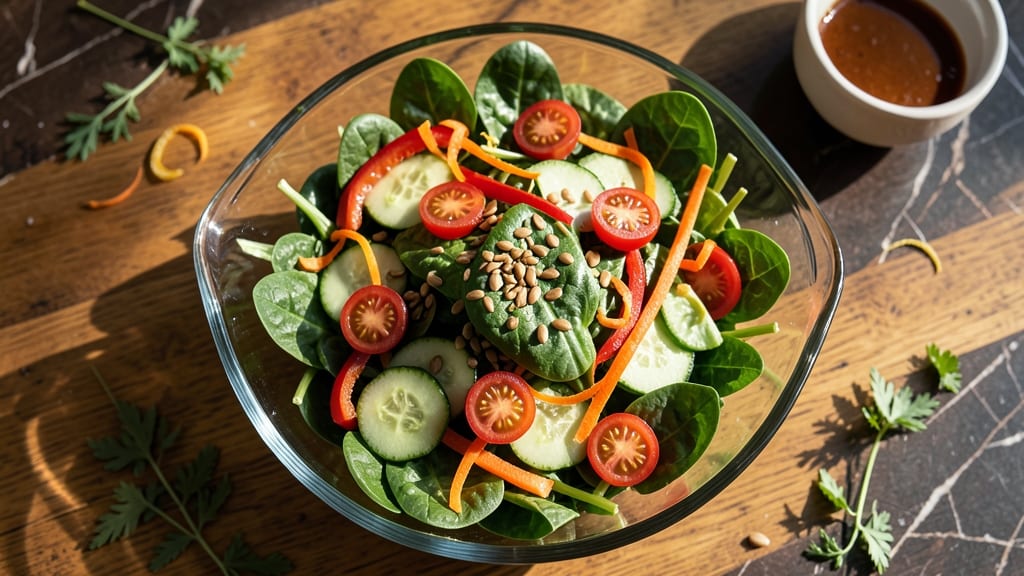
This 7-day salad recipe transforms meal prep into a week of vibrant, fresh lunches that stay crisp—no wilt in sight. 💛 The secret lies in strategic ingredient selection, smart storage techniques, and dressing that enhances rather than ruins after a few days.
I designed this plan to keep flavors exciting while minimizing prep time each morning.
Each day features a different protein and dressing combination to prevent flavor fatigue, while the base greens and vegetables are prepped in bulk. The key to zero wilt is proper storage: airtight containers with paper towels to absorb moisture, plus a light dressing application until serving.
This method keeps salads fresh, crunchy, and full of flavor for the entire week.
By Sunday, you'll have a fridge stocked with ready-to-eat salads that require just a quick toss with fresh dressing before enjoying. The variety ensures you won’t tire of your lunches, and the prep takes less than 2 hours total—spread over one afternoon.
Perfect for busy professionals, students, or anyone who wants healthy, home-cooked meals without daily effort.
Whether you're meal prepping for weight management, budget-friendly eating, or simply healthier habits, this plan delivers restaurant-quality salads that taste fresh every day. Let’s get started with the ingredients and prep schedule that makes it all possible.
Ingredients for 7 day salad
Fresh greens, crunchy veggies, and smart proteins make this week-long salad plan effortless and delicious.
| Ingredient | Amount | Notes |
|---|---|---|
| Baby Spinach 🌿 | 14 cups | Fresh, tightly packed leaves |
| Romaine Lettuce 🥬 | 2 whole | Chopped into bite-size pieces |
| Cucumber 🥒 | 2 large | Sliced into half-moons |
| Red Bell Pepper 🌶️ | 1 whole | Thinly sliced, seeds removed |
| Carrots 🥕 | 4 medium | Julienned or shredded |
| Cherry Tomatoes 🍅 | 1 pint | Halved, seeds removed |
| Avocados 🥑 | 3 ripe | Pitted, sliced lengthwise |
| Chicken Breast 🍗 | 2 lb | Boneless, skinless, grilled |
| Black Beans 🫘 | 1 can (15 oz) | Drained, rinsed, warmed |
| Quinoa 🌾 | 1 cup (dry) | Cooked, fluffy consistency |
| Extra-Virgin Olive Oil 🫒 | ½ cup | Cold-pressed, fruity |
| Apple Cider Vinegar 🍎 | 3 tbsp | Raw, unfiltered preferred |
| Honey 🍯 | 2 tbsp | Raw, local if possible |
| Dijon Mustard 🌶️ | 1 tbsp | Mild or strong variety |
| Lemon Juice 🍋 | 2 tbsp | Freshly squeezed |
| Sea Salt 🧂 | 1 ½ tsp | Diamond Crystal preferred |
| Black Pepper 🌶️ | ½ tsp | Freshly ground |
| Almond Slices 🌰 | ½ cup | Toasted, for crunch |
| Parmesan Cheese 🧀 | ¼ cup | Freshly grated |
| Paper Towels 🧻 | 1 sheet | For moisture absorption |
The spinach and romaine are your base—organic baby spinach from Whole Foods or Trader Joe's stays fresh longer, but regular grocery store brands work too. Look for leaves that are vibrant green without bruising. For the avocados, buy slightly underripe (they'll ripen perfectly over the week) and store them whole until ready to slice. The cherry tomatoes should be firm and bright red—avoid those with soft spots. Prep all veggies in one go: chop the romaine, slice the cucumbers, and julienne the carrots. This takes about 30 minutes and sets you up for the week.
No fresh herbs? Dried basil or oregano at half the amount works in a pinch, but fresh is ideal. For the dressings, Trader Joe's extra-virgin olive oil has the best balance of flavor and price. If you can't find apple cider vinegar, balsamic vinegar works too. The quinoa should be light and fluffy—undercooked grains get mushy over time. For the proteins, grill the chicken ahead and store in portions. The black beans can be canned (just rinse well) or cooked from dry—both work perfectly. Toast your almonds in a dry pan for 2-3 minutes until golden for maximum crunch.
Store everything in airtight glass containers with a sheet of paper towel between layers to absorb moisture. Keep dressings separate until serving—this prevents soggy greens. The salads stay fresh for 5-6 days in the fridge, while the dressings last up to 7 days. For the avocados, add lemon juice to the sliced portions to prevent browning. Prep the quinoa and proteins in advance—they reheat beautifully. If you're worried about wilt, add a sprinkle of salt to the greens before storing; it helps preserve crispness. This system turns meal prep into a set-it-and-forget-it success.
Why You'll Love This Recipe
- I’ll be real: this salad’s ingredients last forever—shredded carrots and sliced bell peppers keep crisp for days, and the spinach/romaine mix stays fresh if you store it right. Honestly, I’ve had the same cucumber last a week in here, and it’s still the star.
- No-Waste Prep: I’ll be real: this salad’s ingredients last forever—shredded carrots and sliced bell peppers keep crisp for days, and the spinach/romaine mix stays fresh if you store it right. Honestly, I’ve had the same cucumber last a week in here, and it’s still the star.
- Crunchy Magic: That perfect bite of raw carrot and bell pepper against the tender spinach? It’s like a textural party. The cucumber adds this cool, refreshing snap that makes it feel like a spa day for your mouth—no fancy dressings needed.
- Lunchbox Hero: Between us, this is my go-to for packed lunches, potlucks, or even a lazy Sunday brunch. Toss in some grilled chicken or chickpeas one day, keep it veggie-only another—it adapts without effort. My kid even eats it cold (yes, even on a Tuesday night).
Step-by-step instructions for meal-prep Magic salad
Here's how to assemble a vibrant, nutrient-packed salad that stays fresh all week.
👨🍳 Step 1: Prep the Base Greens and Crunchy Add-Ins
Lay out the 14 cups baby spinach and 2 chopped romaine lettuce on a large platter. This forms your foundation - keep it dry to prevent wilting. Next, slice the 2 cucumbers into half-moons and thinly slice the 1 red bell pepper, removing seeds and membranes. Julienne the 4 carrots into matchstick strips - this ensures even distribution when you portion later.
For the cherry tomatoes, halve them and remove seeds to prevent excess moisture. I like to arrange these components in separate containers for easy assembly. The key here is uniform cutting - all pieces should be similar size so they distribute evenly when you portion. Use a sharp knife for clean cuts that won't bruise delicate vegetables.
🔪 Step 2: Prepare the Protein and Grain Components
Grill the 2 lb chicken breast until internal temperature reaches 165°F - about 6-7 minutes per side on medium-high heat. Let cool completely before slicing into ½-inch strips. For the quinoa, cook 1 cup dry according to package instructions until fluffy, then spread on a tray to cool completely. Warm the 1 can black beans with a pinch of 1.5 tsp sea salt and 0.5 tsp black pepper until heated through.
Here's a pro tip: I press the paper towels between layers of sliced avocados to absorb moisture - this prevents browning over the week. Slice the 3 ripe avocados lengthwise and gently separate the flesh, then pat dry with the paper towels before assembling. The toasted 0.5 cup almond slices can be prepared ahead by baking at 350°F for 8-10 minutes until golden.
🥘 Step 3: Create the Flavor-Packed Dressing
In a small bowl, whisk together the 0.5 cup extra-virgin olive oil, 3 tbsp apple cider vinegar, 2 tbsp honey, 1 tbsp Dijon mustard, and 2 tbsp lemon juice. Season with remaining 1.5 tsp sea salt and 0.5 tsp black pepper. This dressing should be emulsified - if it separates, whisk vigorously or add 1 tsp water to help bind the ingredients.
The dressing is the secret to keeping everything fresh - the acidity from the vinegar and lemon preserves the vegetables while the oil adds richness. I like to make extra dressing (about ¼ cup) to have on hand for refreshing any wilted greens during the week. Store the dressing separately until ready to assemble.
🍽️ Step 4: Assemble and Portion for the Week
Divide the prepared ingredients into 7 meal-prep containers, starting with 2 cups baby spinach and ½ cup chopped romaine in each. Add ¼ cup quinoa, ¼ cup sliced chicken, 2 tbsp black beans, 2 tbsp sliced cucumber, 2 tbsp sliced bell pepper, 2 tbsp julienned carrots, and 2 tbsp halved cherry tomatoes to each container.
For the avocados, add ⅓ of an avocado to each container just before eating - this prevents browning. Sprinkle each portion with 1 tbsp toasted almond slices and 1 tsp grated parmesan cheese. Finally, drizzle with 1 tbsp dressing and gently toss to coat. The dressing should lightly coat all ingredients without making them soggy.
⏰ Step 5: Store and Refresh for Maximum Freshness
Store the assembled salads in airtight containers in the refrigerator for up to 5 days. For days 6-7, store the dressing separately and add it fresh when ready to eat. To refresh wilted greens, add 1 tsp dressing and toss gently - the acidity will perk them up. The protein and grains will stay fresh for the full week, while the avocados should be added fresh each day.
When ready to eat, give everything a good toss with the reserved dressing. The flavors will meld beautifully, and you'll have a restaurant-quality salad every time. The key to this recipe is balance - crisp vegetables, protein-packed grains, and creamy avocado all work together to create a satisfying meal.
Pro Tips For Making 7 Day Salad
- Dry the Greens First: Baby spinach and romaine wilt fast—toss them in a salad spinner or pat them hard with paper towels before adding anything else. Wet greens turn your 7-day salad into a soggy mess by day 3, and no one wants that. (I learned this after Day 2 of sad, limp lettuce.)
- Shave Carrots, Don’t Dice: Skip the chunky carrot cubes—they get rubbery fast. Use a peeler to make thin, matchstick strips or julienne them with a knife. They’ll stay crisp longer and actually taste good after a few days, not like a sad, waterlogged afterthought.
- Prep Peppers Last: Red bell peppers oxidize faster than you’d think—slice them right before assembling the salad. If you prep everything at once, they’ll turn brown and mushy by Day 4, ruining the fresh look. (Yes, even if you’re the type who preps everything in one go.)
- Store Dressing Separately: The #1 way to ruin a 7-day salad? Drowning it in dressing upfront. Keep the dressing in a small, airtight container and toss it in just before eating. This keeps the greens from getting slimy and lets you control how much you actually want. (Trust me, you’ll eat it more often this way.)
Dietary considerations for these flavors
Gluten-Free Adaptations
This salad plan is naturally gluten-free since it relies on fresh vegetables, lean proteins, and grains like quinoa that don’t contain gluten. The only potential concern is cross-contamination—always check labels on canned black beans and dressings to ensure they’re certified gluten-free.
I recommend Trader Joe’s gluten-free quinoa if you’re concerned, though regular quinoa is safe. For extra flavor without gluten, swap toasted almonds for pumpkin seeds or sunflower seeds, both of which add crunch and are inherently gluten-free. 🌾
Dairy-Free Options
Skip the parmesan cheese or substitute with nutritional yeast for a dairy-free alternative that still adds a cheesy flavor. Nutritional yeast also boosts protein and vitamin B12, making it a great upgrade. For the dressing, ensure your Dijon mustard is dairy-free—most brands are, but always double-check.
If you’re avoiding all dairy, use coconut aminos instead of soy sauce in any variations (though this salad doesn’t include it by default). The rest of the ingredients are naturally dairy-free, so no other swaps are needed. 🥛
Low-Carb Variations
To reduce carbs, swap the quinoa for cauliflower rice or shredded chicken breast for extra protein. Cauliflower rice adds bulk and texture while keeping the salad light. For the dressing, use sugar-free honey substitute like monk fruit sweetener to avoid added sugars.
The black beans can be omitted entirely or replaced with extra chicken or shrimp to keep carbs minimal. This version keeps the salad satisfying while aligning with low-carb goals. 🥦
Vegan Protein Swaps
Replace the chicken breast with grilled tofu or tempeh for a plant-based protein. Marinate the tofu in soy sauce, garlic, and smoked paprika before grilling for extra flavor. For a heartier option, add chickpeas or lentils instead of black beans.
The avocados and nuts already provide healthy fats, so no additional swaps are needed. Just ensure all dressings and seasonings are vegan-friendly—most are, but always check labels. 🌱
Nut-Free Allergy-Friendly
If nut allergies are a concern, skip the almond slices and replace them with toasted pumpkin seeds or sunflower seeds for crunch. These seeds are naturally nut-free and add a satisfying texture. For extra protein, increase the black beans or quinoa slightly.
The rest of the ingredients are already nut-free, so no other changes are necessary. Always check seed packaging for cross-contamination warnings if allergies are severe. 🌰
Nutrition facts
Frequently asked questions
Can I prep this salad ahead for more than 7 days?
While this recipe is designed for 7 days, you can extend it to 10 days if you store the dressing separately and add it fresh each day. The greens will start to lose crispness after 5-6 days, but the proteins, grains, and most vegetables remain safe to eat for up to 7 days. For longer storage, freeze the proteins and grains separately and thaw as needed.
What’s the best way to keep avocados from browning in the fridge?
Slice the avocados just before assembling your salad, then sprinkle with lemon juice and press plastic wrap directly on the flesh to minimize air exposure. Store them in the salad container with the other ingredients, but add them to your portion only when ready to eat. For extra protection, place a paper towel between the avocado slices and the rest of the salad.
How do I prevent my salad from getting soggy overnight?
Keep the dressing separate until you're ready to eat—this is the #1 cause of soggy salads! Store the greens and veggies dry in one container with a paper towel to absorb moisture, and the dressing in a small jar or separate compartment. When ready to eat, toss everything together with just enough dressing to lightly coat the ingredients. This keeps your salad crisp for up to 5 days.
Can I use frozen vegetables in this meal plan?
Fresh vegetables work best for texture and flavor, but you can use frozen chopped veggies like bell peppers, carrots, or broccoli in a pinch. Thaw them completely and drain well before adding to your salad. Avoid frozen greens like spinach—they tend to get mushy when stored. For the best results, stick with fresh produce, especially for the base greens and avocados.
What’s the easiest way to make this salad more exciting after Day 3?
Rotate your toppings! Swap in fresh herbs like cilantro or basil, add crispy chickpeas for crunch, or include grilled shrimp instead of chicken. Try different dressings—like a tahini-lemon or balsamic vinaigrette—to keep flavors fresh. The key is variety in textures and flavors to prevent meal fatigue while maintaining the same easy prep routine.