
Salads
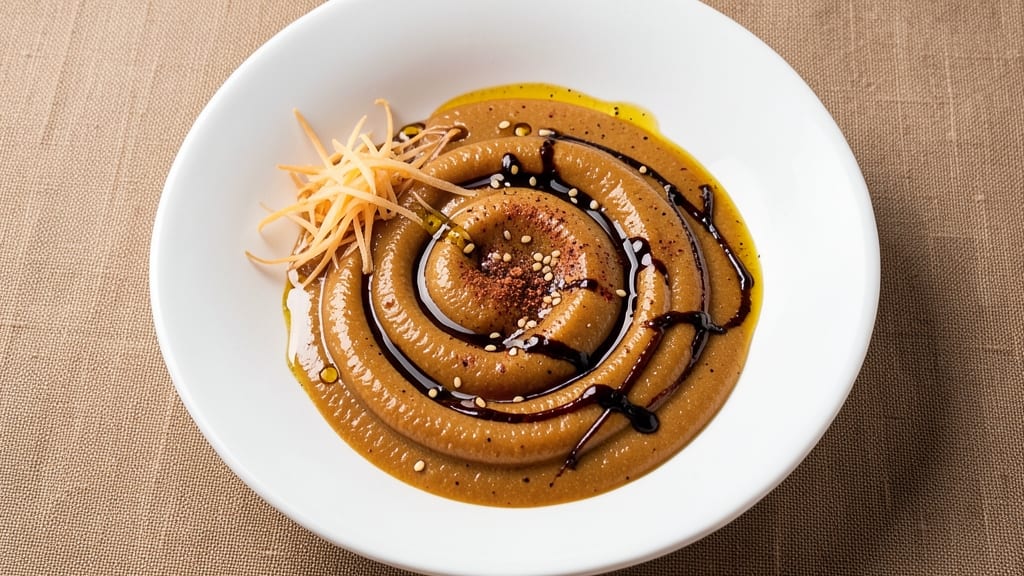
This A1 Japanese steakhouse salad dressing recipe brings that signature smoky, umami-packed flavor straight to your kitchen counter.
The secret lies in balancing sweet, salty, and aromatic ingredients—soy sauce, sesame oil, and a touch of ginger—to create a dressing that's rich yet balanced, perfect for steakhouse-style salads or as a marinade.
I developed this after craving that familiar tangy-savory punch from my favorite Japanese steakhouse, and it's now my go-to for adding depth to any dish.
The dressing combines simple pantry staples like rice vinegar, soy sauce, and sesame oil, but it’s the smoked paprika and fresh ginger that elevate it to restaurant-quality.
What makes this recipe stand out is its versatility—it works as a salad dressing, a marinade for grilled meats, or even a dipping sauce for spring rolls.
The key is letting the flavors meld for at least 15 minutes before using, allowing the ginger to bloom and the soy to deepen.
By the time you’re done, you’ll have a dressing that’s bold, aromatic, and packed with layers of flavor—just like the one you’d find at a high-end Japanese steakhouse.
The smoky notes from the paprika and the bright tang of the vinegar create a perfect harmony, making every bite of your salad or grilled dish taste like a restaurant-worthy meal. It’s easy to make, keeps well in the fridge, and transforms ordinary ingredients into something extraordinary.
This dressing is especially great for steakhouse-style salads, grilled chicken, or even as a glaze for seared scallops. The smoky-sweet profile pairs beautifully with crisp greens, juicy proteins, and crunchy toppings like sesame seeds or sliced almonds. Once you try it, you’ll never want to go back to store-bought again.
Ingredients for a1 japanese steakhouse salad dressing
Nine simple ingredients transform into restaurant-quality steakhouse dressing with smoky depth.
| Ingredient | Amount | Notes |
|---|---|---|
| Rice Vinegar 🍶 | ½ cup | Lightly seasoned preferred |
| Soy Sauce 🥢 | ½ cup | Use high-quality Japanese soy |
| Sesame Oil 🫒 | 2 tbsp | Toasted for authentic flavor |
| Smoked Paprika 🌶️ | 1 ½ tbsp | For that signature smoky kick |
| Fresh Ginger 🧄 | 1 ½ tbsp | Finely grated, fresh preferred |
| Honey 🍯 | 2 tbsp | For balancing sweetness |
| Garlic Cloves 🧄 | 2 cloves | Minced for depth of flavor |
| Sesame Seeds 🌰 | 1 tbsp | Toasted for crunchy garnish |
| Salt 🧂 | ½ tsp | Adjust to taste |
| Black Pepper 🌶️ | ¼ tsp | Freshly ground for warmth |
The soy sauce and rice vinegar are your flavor anchors—Japanese brands like Kikkoman or Hondashi bring that authentic umami punch. Sesame oil should be toasted (not flavored)—grab the small bottles at Asian markets or the international aisle at Whole Foods. Fresh ginger is non-negotiable here; the dried stuff just won't cut it. If you're using a microplane, grate the ginger while you're chopping garlic—it'll release more oils. Smoked paprika? Penzeys or La Boîte have the best quality, but any good smoked variety works. Pro tip: toast your sesame seeds in a dry pan for 30 seconds before grinding—they'll pack more flavor.
No sesame oil? Toasted peanut oil at half the amount gives a similar nuttiness. Short on ginger? Substitute 1/4 tsp ground ginger, but it won't have the same brightness. The honey can be swapped for agave or maple syrup if you're avoiding it. For extra smokiness without paprika, try 1/2 tsp liquid smoke plus 1/4 tsp cayenne. The garlic is crucial—don't skip it. If you're sensitive to heat, reduce the smoked paprika to 1 tbsp and add 1/4 tsp cinnamon for warmth instead. For a sweeter profile, bump the honey to 3 tbsp and reduce soy sauce to 1/3 cup.
This dressing keeps beautifully—2 weeks in the fridge sealed in a jar. The flavors actually improve over time as everything melds. For extra richness, whisk in 1 tbsp toasted sesame oil right before using. Double the batch if you're using it as a marinade—it'll get absorbed fast. Store in a dark glass bottle if you can; light degrades the sesame oil faster. Freezes for 3 months if you want to make a big batch for the holidays. Just shake it well before using—it'll thicken up a bit when chilled.
Why You'll Love This Recipe
- Five-Ingredient Magic: I swear by this combo—just rice vinegar, soy sauce, a drizzle of sesame oil, and that little kick of smoked paprika. It’s the kind of dressing where you measure once, stir twice, and boom, flavor explosion.
- Umami Bomb: That ginger and smoked paprika duo? It’s what makes this taste like a steakhouse secret. The soy sauce brings the saltiness, but the paprika adds this smoky warmth that lingers—like a good memory.
- Dressing for Everything: I use this on salads, sure, but also over grilled chicken, noodles, or even as a quick marinade. Honestly, it’s my go-to when I don’t want to think too hard about what to eat.
- No-Waste Wonder: Make a big batch—it keeps for weeks in the fridge. A splash here, a splash there, and suddenly you’ve got flavor without extra effort. My wallet (and my taste buds) thank me.
Step-by-step instructions for smoky soy-ginger dressing
This dressing delivers authentic Japanese steakhouse flavor in minutes—no fancy techniques required.
Combine the Base Ingredients
In a medium bowl, whisk together the 0.5 cup rice vinegar and 0.5 cup soy sauce until fully combined. I like to use a fork for this step—it creates a gentle swirling motion that helps the ingredients blend smoothly. The vinegar adds brightness while the soy sauce provides that signature umami depth.
Next, add the 2 tablespoons sesame oil and 2 tablespoons honey. Whisk vigorously for about 30 seconds until the honey dissolves completely and the mixture becomes glossy. You'll notice the color deepen slightly as the honey integrates—this is your signal that the base is properly emulsified. The sesame oil adds nutty richness, while the honey balances the acidity and saltiness for a perfect harmony.
Incorporate the Aromatics
In a small bowl, finely grate the 1.5 tablespoons fresh ginger using a microplane or the fine holes of a box grater. I always use fresh ginger here—it releases more aromatic oils than powdered versions. Add the grated ginger to your dressing mixture and whisk until fully incorporated.
Next, mince the 2 cloves garlic as finely as possible. The smaller the pieces, the more evenly they'll distribute throughout the dressing. Add the minced garlic along with the 1.5 tablespoons smoked paprika, 0.5 teaspoon salt, and 0.25 teaspoon black pepper. Whisk everything together until you see no more streaks of paprika or salt crystals remaining. The smoked paprika gives that signature Japanese steakhouse smokiness, while the garlic adds a subtle depth that ties everything together.
Toast the Sesame Seeds
While your dressing rests, heat a small dry skillet over medium-low heat. Add the 1 tablespoon sesame seeds and toast them for 1-2 minutes, stirring constantly, until they turn a rich golden brown and release their nutty aroma. Watch carefully—they go from raw to toasted in seconds, so don't walk away.
Transfer the toasted sesame seeds to a small plate and let them cool for 1 minute. These seeds will be your garnish and finishing touch, adding both texture and visual appeal. The toasting enhances their flavor dramatically—you'll notice the difference immediately when you taste the final dressing.
Blend and Rest for Maximum Flavor
Transfer your dressing mixture to a blender or food processor. Blend for 10-15 seconds until completely smooth. If you prefer a slightly textured dressing, you can skip this step, but blending ensures an even consistency throughout. The dressing should now have a velvety appearance with no visible flecks of ginger or garlic.
Let the dressing sit at room temperature for 10 minutes before using. This resting period allows all the flavors to meld together beautifully. The acidity from the vinegar will mellow slightly, the ginger will soften, and the smokiness from the paprika will become more pronounced. Taste and adjust seasoning if needed—you might want to add a touch more honey for sweetness or a splash of rice vinegar for acidity.
Pro Tips For Making A1 Japanese Steakhouse Salad Dressing
- Grate That Ginger: Use a microplane or fine grater for the ginger—no peeling needed, just scrub and grate. I learned this the hard way after trying to mince it with a knife and ending up with uneven chunks that didn’t blend smoothly into the dressing.
- Whisk, Don’t Stir: Whisk the rice vinegar and soy sauce together vigorously before adding anything else. Stirring just mixes the surface—whisking emulsifies the liquid right away, so the sesame oil doesn’t separate later. (Yes, even if you’re impatient like me.)
- Toast the Paprika: Lightly dry-toast the smoked paprika in a small pan for 30 seconds before mixing it in. It deepens the flavor and cuts through the sharpness of the ginger. Skip this, and the dressing tastes flat—trust me, it’s worth the extra minute.
- Add Oil Last: Stir in the sesame oil after everything else is combined, then give it one final quick whisk. Adding it too early can make the dressing split, especially if the vinegar is strong. A splash of cold water can fix it, but this method guarantees smoothness from the start.
Flavor customization for this recipe
Spicy Kick Boost
For extra heat, add ½ teaspoon gochujang or 1 teaspoon sriracha to the base mixture before blending. These ingredients bring a deep, fermented spice that pairs perfectly with the smoky paprika. If you prefer a cleaner heat, substitute with ½ teaspoon chili flakes or a pinch of cayenne pepper.
I like to add this just before serving so the heat remains vibrant—it won’t overpower the delicate balance of the dressing. 🌶️
Citrus Brightness
Infuse this dressing with zesty citrus by adding 1 tablespoon freshly squeezed lemon juice or 1 teaspoon lime zest to the base. The acidity cuts through the richness of the soy and sesame oil, creating a refreshing contrast.
For a subtler twist, use 1 tablespoon orange juice instead—it adds a sweet, floral note that complements the smokiness beautifully. Always add citrus after blending to preserve its freshness.
Umami Depth
To intensify the umami flavor, stir in 1 teaspoon fish sauce or 1 teaspoon miso paste (white or red) into the base before adding the aromatics. These ingredients add a savory depth that mimics the complexity of high-end Japanese steakhouse dressings.
For a vegetarian option, use 1 teaspoon nutritional yeast—it provides a cheesy, umami-rich kick without any fishy notes. Taste as you go to avoid overpowering the dressing.
Herbal Infusions
Add fresh herbs like 1 tablespoon chopped cilantro or 1 teaspoon finely chopped basil for a vibrant, aromatic twist. These herbs work especially well when added just before serving, as they retain their freshness longer.
For a more robust flavor, try 1 teaspoon chopped Thai basil—its anise-like notes add an unexpected but delightful complexity. If using basil, add it after blending to keep the dressing’s texture smooth and velvety.
Sweet-Savory Balance
Adjust the sweetness by swapping honey for maple syrup or agave, which add a more neutral sweetness. For a caramelized depth, replace 1 tablespoon honey with 1 teaspoon molasses—it introduces a rich, almost coffee-like note that pairs wonderfully with the smokiness.
If you prefer a fruitier profile, try 1 tablespoon mango puree or 1 teaspoon date syrup for a tropical twist. Always taste as you go to fine-tune the balance.
Texture Variations
For a chunkier texture, reserve 1 tablespoon grated ginger and 1 teaspoon minced garlic before blending. Stir these in at the end for a rustic, textured finish. Alternatively, add 1 teaspoon toasted sesame paste for a creamy, nutty depth.
If you love crunch, sprinkle in 1 teaspoon crushed peanuts or 1 teaspoon toasted coconut flakes right before serving. These additions elevate the dressing from smooth to dynamic, adding layers of texture and flavor. ✨
Nutrition facts
Frequently asked questions
Can I make this dressing without sesame oil?
Yes! For a similar nutty depth, use 1 tablespoon toasted peanut oil or ½ tablespoon walnut oil instead. If you're avoiding all oils, try 1 teaspoon tahini (thinned with a splash of vinegar) for a creamy alternative. The flavor will shift slightly but still deliver that rich, aromatic profile. Just reduce any other oil in the recipe by the same amount.
How long does this dressing keep in the fridge?
This dressing stays fresh for up to 2 weeks when stored in an airtight container in the refrigerator. The flavors actually improve over time as everything melds together beautifully. For longer storage, it freezes well for 3 months—just thaw in the fridge overnight and give it a good shake before using. The texture may thicken slightly when chilled, so let it sit at room temperature for 5-10 minutes before serving.
What's the best way to use this dressing beyond salads?
This versatile dressing works as a marinade for grilled chicken, salmon, or tofu—let it sit for 30 minutes before cooking. It also makes an amazing dipping sauce for spring rolls, edamame, or sushi rolls. Try using it as a glaze for seared scallops or grilled shrimp by reducing it slightly on the stovetop. The smoky-sweet profile pairs beautifully with almost any protein or vegetable.
Why does my dressing look separated after refrigeration?
This is normal! The natural oils and vinegar may separate when chilled. Simply give it a good shake or whisk before using—it should emulsify back together. To prevent separation, store it in a glass jar rather than plastic, and avoid adding extra liquids. If it still separates after shaking, stir in ½ teaspoon xanthan gum to help stabilize the texture. The flavor won't be affected, just the appearance.
Can I make this dressing spicier?
Add ½ teaspoon gochujang or 1 teaspoon sriracha to the base mixture before blending for deep, fermented heat. For a cleaner spice, use ½ teaspoon chili flakes or ¼ teaspoon cayenne pepper. I recommend adding these just before serving to preserve the heat's intensity. Start with less—you can always add more, but you can't take it out!