
Salads
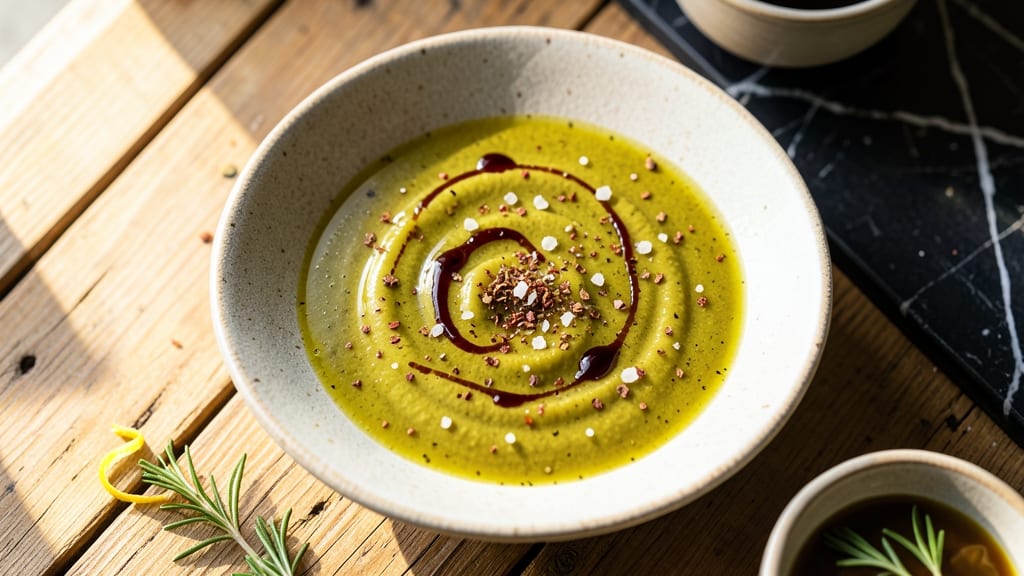
This Aegean salad dressing recipe captures the essence of Greek summer in every tangy, herby drop. The secret lies in balancing bright lemon juice with rich olive oil, creating a dressing that clings beautifully to greens without the heaviness of mayo.
I developed this version after years of testing—it’s the one that finally earned my family’s approval, even for those who claim to "hate" dressing. What makes this dressing special is its simplicity: just five core ingredients that work together to create a vibrant, refreshing flavor.
The oregano adds that signature Mediterranean aroma, while a touch of garlic deepens the complexity. Unlike many store-bought versions, this one stays light and bright, never overpowering the fresh vegetables it’s meant to complement.
The result is a dressing that’s perfect for Aegean salads but works just as well on grilled meats, roasted vegetables, or even drizzled over crusty bread. The texture is silky yet balanced, with just enough body to coat each bite without feeling greasy.
It’s the kind of dressing that transforms a simple salad into a restaurant-worthy dish. For extra depth, consider adding a splash of red wine vinegar or a pinch of capers—both enhance the dressing’s complexity while keeping it true to its roots. Let’s make this dressing!
Ingredients for aegean salad dressing
Five simple ingredients transform into a dressing that captures Greek summer vibes perfectly.
| Ingredient | Amount | Notes |
|---|---|---|
| Extra-Virgin Olive Oil 🫒 | ¾ cup | High quality, fruity, cold-pressed |
| Fresh Lemon Juice 🍋 | ⅓ cup | Freshly squeezed, seeds strained |
| Dried Oregano 🍃 | 1 tbsp | Greek or Mediterranean variety |
| Garlic Cloves 🧄 | 2 cloves | Fresh, peeled, minced fine |
| Sea Salt 🧂 | ½ tsp | Fine grain, kosher preferred |
| Red Wine Vinegar 🍷 | 1 tbsp | Optional for depth, omit for classic |
| Capers 🌿 | ½ tbsp | Optional, finely chopped, for briny kick |
The olive oil is the foundation—look for extra-virgin with fruity notes at specialty markets or well-stocked grocery stores. Trader Joe's and Whole Foods carry excellent options, but even the mid-range brands at Kroger or Publix work fine. Fresh lemon juice is non-negotiable; bottled won't cut it. For oregano, Greek or Mediterranean varieties have the most authentic flavor, though regular dried works in a pinch. The garlic should be fresh—pre-minced from the jar lacks depth. Store your olive oil in a cool, dark place to preserve its quality.
Running short on red wine vinegar? Apple cider vinegar at half the amount works surprisingly well. No capers? Pickle juice or a pinch of salt can mimic that briny punch. If you prefer a milder taste, skip the garlic entirely—though I wouldn’t recommend it. For extra brightness, add a pinch of Diamond Crystal kosher salt (it dissolves better than table salt). This dressing keeps its vibrancy for 5-7 days in the fridge, but the flavor actually improves after the first day as everything melds together.
This dressing stays fresh for up to 1 week when stored in an airtight container in the fridge. Shake well before each use—the ingredients naturally separate. For longer storage, transfer to a sterile jar and freeze for up to 3 months. Thaw in the fridge and shake to recombine. I like to make double batches—one for immediate use and one to stash in the freezer. The texture remains silky even after freezing, though the color may darken slightly. Always taste before serving and adjust salt or lemon as needed.
Why You'll Love This Recipe
- Five-Ingredient Magic: I swear by this—just oil, lemon, oregano, garlic, and salt. No fancy tools, no stress, no overthinking. My blender’s seen better days, but this dressing comes together in under five minutes with whatever vessel you’ve got.
- Bright & Bold: That lemon cuts through everything like a summer breeze, while the garlic and oregano add this earthy punch. Honestly, it’s the kind of dressing that makes even a simple bowl of greens feel like a restaurant-worthy dish.
- Weeknight & Weekend: Drizzle it on grilled chicken, toss it with roasted veggies, or use it as a marinade—it’s my go-to for anything that needs a little Mediterranean flair. (Yes, even on a Tuesday night.)
- Stays Fresh, Saves Money: Make a big batch—it keeps for days in the fridge, and those few ingredients won’t break the bank. I’ve used this to dress salads for a crowd, and the leftovers? Perfect for quick lunches the next day.
Step-by-step instructions for Aegean salad dressing
This dressing delivers authentic Aegean flavor with vibrant acidity and herbal depth—no mayo needed.
Measure and Combine Wet Ingredients
In a medium bowl, pour in the 0.75 cup extra-virgin olive oil and 0.33 cup fresh lemon juice. I like to use a liquid measuring cup for accuracy here—olive oil can be thick, and you want precise measurements for the right balance. Give it a quick whisk to blend the two liquids smoothly. The olive oil should begin to emulsify slightly with the lemon juice, creating a cloudy appearance.
Next, add the 1 tablespoon red wine vinegar and 0.5 teaspoon sea salt. The vinegar adds complexity that brightens the dressing, while the salt enhances all the flavors. Stir well to dissolve the salt completely. This is where the foundational flavor profile comes together—tangy, briny, and slightly acidic. If you're using the optional 0.5 tablespoon capers, add them now and let them soak for a moment to infuse their salty, umami flavor into the mixture.
Incorporate Garlic and Oregano for Herbal Depth
Add the 2 minced garlic cloves and 1 tablespoon dried oregano to the bowl. The garlic should be finely minced—almost paste-like—to ensure it distributes evenly without clumping. Stir vigorously with a fork or small whisk for about 30 seconds until the oregano is fully dispersed and the garlic is completely incorporated. You'll notice the mixture darken slightly as the oregano releases its earthy aroma.
Here's the thing—don't overmix. You want the oregano to infuse the oil but not create a gritty texture. If the mixture starts to look too thick, add 1 teaspoon of water to loosen it slightly. The dressing should coat the back of a spoon smoothly but still feel light enough to drizzle. Taste at this stage—you should detect bright lemon, herbal oregano, and a subtle garlic punch. Adjust the sea salt if needed, adding just a pinch more if the flavors feel muted.
Blend Until Emulsified and Smooth
Transfer the dressing to a blender or use an immersion blender to refine the texture. Pulse for 10-15 seconds until the capers (if using) are finely chopped and the mixture is completely smooth. The goal is to break down any remaining oregano particles and create a silky, uniform consistency. If you're using a regular blender, be cautious—olive oil can splatter when blended at high speeds. Cover the blender jar with a towel or use the lid to vent any excess pressure.
Once blended, pour the dressing back into the bowl and give it one final taste. The flavors should now be harmonized—bright lemon cutting through the richness of the olive oil, with herbal oregano and briny capers adding depth. The dressing should cling lightly to the back of a spoon but not feel heavy or cloying. If it's too thick, whisk in 1-2 teaspoons of water until it reaches a pourable consistency. This is the moment that matters: the dressing should feel balanced, vibrant, and ready to elevate your salad.
Rest and Adjust for Perfect Balance
Cover the bowl with plastic wrap and let the dressing rest at room temperature for at least 15 minutes. This resting period allows the flavors to meld and the dressing to reach its ideal consistency. The olive oil will fully absorb the lemon's acidity, and the oregano will soften slightly, creating a more cohesive flavor profile. Don't skip this step—patience here ensures a dressing that's truly exceptional.
After resting, give the dressing one final taste. If the lemon flavor feels too sharp, add a tiny drizzle of olive oil to mellow it out. If the oregano taste is too strong, a pinch of salt can help balance it. The dressing should now have a bright, fresh quality with layers of flavor—citrusy, herbal, and slightly briny. It should coat greens lightly without overwhelming them, enhancing their natural flavors rather than competing with them. Store any leftovers in an airtight container in the refrigerator for up to 5 days, shaking well before each use to redistribute any separated oil.
Pro Tips For Making Aegean Salad Dressing
- Mince Garlic Finely: I learned this the hard way—chopping garlic cloves into large chunks makes the dressing taste like you’re chewing. Use a knife or the flat side of your blade to smash the cloves first, then mince into a paste. This releases the flavor evenly without bitterness.
- Whisk in Stages: Dumping all the olive oil in at once? You’ll end up with a greasy mess. Start with just 2 tablespoons of oil and lemon juice, whisk until emulsified, then slowly drizzle in the rest while whisking continuously. This keeps the dressing light and stable.
- Toast the Oregano: Skip the dry rub—heat your dried oregano in a dry pan over low heat for 30 seconds until fragrant. Letting it bloom before mixing brightens the flavor and cuts through the lemon’s sharpness. (Yes, even if you’re impatient like me.)
- Salt the Oil: Taste the olive oil before adding salt—it’s often already briny. If using unsalted, add a pinch of sea salt directly to the oil first, then emulsify with the lemon. This prevents the dressing from tasting flat or needing extra seasoning later.
Troubleshooting this dish
Oil Separation Fix
If your dressing separates after a few hours, it’s not ruined—just needs a quick fix. Whisk in 1 teaspoon of Dijon mustard or ½ teaspoon of xanthan gum (found in baking aisles) to help stabilize the emulsion.
For a temporary solution, shake vigorously before using. The mustard adds a subtle depth too! 💡
Overly Acidic Taste
Too much lemon juice? Balance it by adding 1-2 tablespoons of extra-virgin olive oil to mellow the sharpness. If the dressing tastes bitter, it might be from old garlic—use fresh cloves next time. A pinch of honey or agave (just ½ teaspoon) can also soften the acidity beautifully.
Weak Flavor Profile
If your dressing lacks depth, boost the flavor with 1 teaspoon of anchovy paste (trust me, it dissolves completely) or ½ teaspoon of smoked paprika for warmth. For a brighter kick, add 1 tablespoon of fresh dill or parsley. Always taste as you go—adjustments are easy at this stage!
Dressing Too Thick
Thick dressing? Thin it with 1-2 tablespoons of water or ice-cold tea (herbal works best). For a richer texture, whisk in 1 teaspoon of Greek yogurt or crème fraîche. Avoid thinning with vinegar—it’ll throw off the balance. Stir well and let it rest for 10 minutes before using.
Herbs Settling at Bottom
If oregano or capers sink, give the dressing a thorough whisk before each use. For a smoother texture, blend the dressing briefly in a mini food processor or immersion blender. If you prefer texture, leave the capers whole but finely chopped—they’ll distribute better when tossed with salad ingredients.
Storage-Related Issues
If your dressing develops mold after 5-7 days, it’s time to toss it. To prevent spoilage, store it in a clean, airtight glass jar in the fridge.
For longer storage, freeze in ice cube trays—thaw one cube at a time and whisk back to smooth consistency. Never refreeze thawed dressing.
Nutrition facts
Frequently asked questions about Aegean salad dressing
Can I make this dressing without red wine vinegar?
The classic version relies on red wine vinegar for depth, but you can substitute 1 tablespoon apple cider vinegar or even ½ teaspoon Dijon mustard for a similar tang. Just reduce the lemon juice slightly (¼ cup) to balance the acidity. The dressing will still taste bright and herby!
How do I adjust this for a milder garlic flavor?
For a gentler taste, reduce the garlic to 1 clove (finely minced) or skip it entirely. If you love garlic but want subtle flavor, roast the cloves first (350°F for 10 minutes) before mincing—they'll mellow beautifully. The dressing will still taste fresh and vibrant without overpowering notes.
What's the best way to use up extra dressing?
This versatile dressing works beyond salads! Drizzle it over grilled chicken or fish, toss with roasted vegetables, or use as a marinade for 1-2 hours before cooking. For a quick appetizer, spoon it into a small bowl with olives and crusty bread—it makes an instant Mediterranean dip!
Why does my dressing separate after a few days?
This is completely normal—olive oil and lemon juice naturally separate over time. Before using, simply whisk vigorously or shake the container. For a more stable dressing, add ½ teaspoon xanthan gum when blending. The flavor won't be affected, just the texture!
Can I make this dressing with bottled lemon juice?
Fresh lemon juice is ideal for that bright, authentic flavor, but in a pinch, bottled works. Use ¼ cup bottled lemon juice plus 1 teaspoon extra lemon zest to compensate for the lack of freshness. The dressing will still taste good, though it won't be quite as vibrant.