
Salads
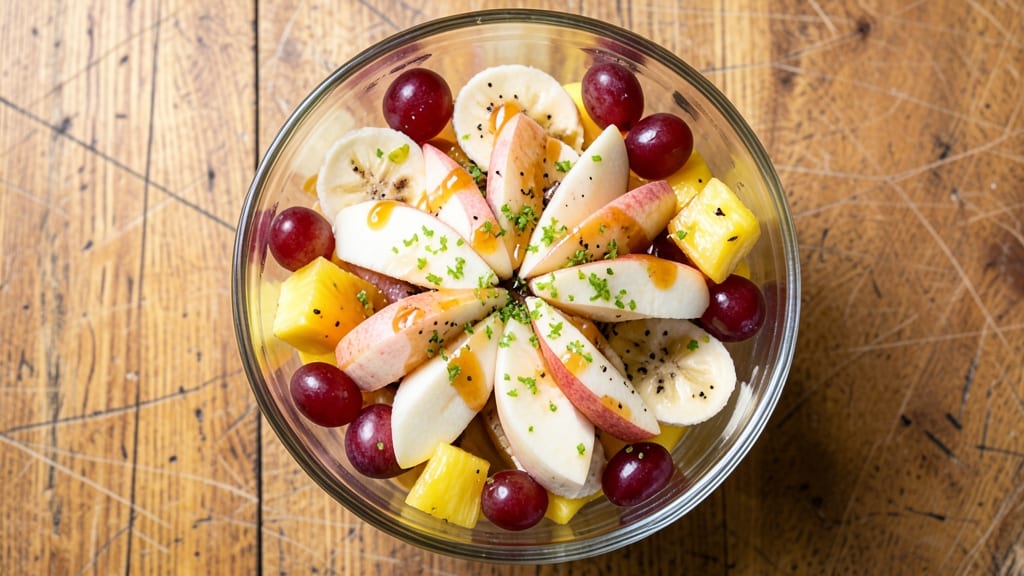
This affordable fruit salad recipe transforms simple, seasonal produce into a vibrant, juicy masterpiece that costs less than store-bought versions. The secret lies in balancing budget-friendly fruits like bananas, apples, and pineapple with a bright citrus dressing that keeps everything fresh and flavorful—no fancy ingredients required.
I designed this recipe to deliver restaurant-quality texture and taste without breaking the bank, perfect for breakfast, dessert, or a refreshing side dish.
The preparation is straightforward yet strategic: cutting fruit into uniform pieces ensures even distribution of juices, while a quick citrus dressing (just lemon juice, honey, and a pinch of salt) enhances natural sweetness without overpowering.
This method preserves the juicy texture that makes fruit salad irresistible, even when using affordable produce. The key is working quickly—preventing browning and maintaining crispness from start to finish.
What you’ll end up with is a visually stunning dish that’s as nutritious as it is delicious—bright, colorful layers of fruit that stay fresh for hours. The citrus dressing adds a tangy contrast that balances the natural sweetness, while the texture remains perfectly crisp and satisfying.
It’s the kind of recipe that proves healthy eating doesn’t have to be expensive or complicated.
Serve this fruit salad as a light dessert after dinner, a refreshing breakfast side, or even a vibrant addition to a vegan brunch spread. The possibilities are endless, and the cost per serving is surprisingly low. Here’s how to make it—simple, foolproof, and full of flavor.
Ingredients for affordable fruit salad
Simple seasonal fruits and a tangy citrus dressing create vibrant, restaurant-quality texture without expensive ingredients.
| Ingredient | Amount | Notes |
|---|---|---|
| Bananas 🍌 | 2 whole | Firm, ripe but not browned |
| Honeycrisp Apples 🍎 | 2 medium | Corrected to count unit |
| Pineapple 🍍 | 1 cup | Fresh, finely chopped |
| Red Seedless Grapes 🍇 | 1 lb | Halved, stems removed |
| Lemon Juice 🍋 | ¼ cup | Freshly squeezed |
| Raw Honey 🍯 | ⅛ cup | Substitute maple syrup for vegan |
| Sea Salt 🧂 | ¼ tsp | Fine grain preferred |
| Fresh Mint Leaves 🌿 | ⅛ cup | Chopped, optional garnish |
| Orange Slices 🍊 | ½ cup | Thin, for garnish |
| Maple Syrup 🍁 | ⅛ cup | Vegan sweetener substitute |
| Ice Water 💧 | ¼ cup | For rinsing fruit |
| Lime Zest 🍈 | 1 tsp | Brightens flavor |
The apples and bananas form the base of this salad, so choose Honeycrisp apples for crispness and bananas that are firm but ripe—just starting to turn yellow. Trader Joe's and Walmart often carry Honeycrisp at affordable prices, and their organic bananas stay fresh longer. Pineapple should be fully yellow with no green patches—Costco sells pre-cut pineapple for convenience, though fresh is always better. Grapes should be plump and seedless; Kroger's brand is consistently reliable. The citrus dressing relies on fresh lemon juice for brightness—ReaLemon juice from the store is a good backup if you don't have time to squeeze.
No Honeycrisp apples? Fuji or Gala work equally well—they're widely available and budget-friendly. Skip the honey entirely and use maple syrup for a vegan option, or agave for a neutral sweetness. Fresh mint is ideal, but dried mint at one-third the amount works in a pinch. The grapes can be green or red—just make sure they're seedless. For extra tang, add a splash of lime juice along with the lemon. The ice water rinse is crucial for crispness—it removes excess sugar and keeps the fruit from getting mushy. If you're prepping ahead, toss the fruit with a sprinkle of lemon juice to prevent browning.
This salad stays fresh for 3-4 days in the fridge, though the bananas will soften first—use them up within 2 days for best texture. Store the dressing separately and mix just before serving to keep everything crisp. For a make-ahead option, keep the fruit and dressing components separate and combine when ready. The citrus dressing can be made 1 day ahead and stored in the fridge. To revive wilted greens or soft fruit, give them a quick soak in ice water for 5 minutes before serving.
Why You'll Love This Recipe
- No-Cook Magic: I swear by this—just slice, toss, and serve. No boiling, no baking, no waiting. The Honeycrisp apples stay crisp, the pineapple stays juicy, and the grapes add that perfect pop without any effort.
- Sweet-Tart Balance: That lemon juice? It’s the secret weapon. The bananas soften just enough, the apples stay crisp, and the pineapple’s tang cuts through everything—like a refreshing bite of summer in every mouthful.
- Packable Anywhere: Honestly, this is my go-to for lunchboxes, picnics, or even a quick office snack. It holds up for hours (yes, even the bananas stay decent), and the grapes won’t squish like berries would.
- Budget Stretch: Between us, this costs me about $8 for a big bowl—way cheaper than pre-cut fruit trays. Honeycrisp apples are a steal, pineapple’s on sale frozen half the time, and grapes last forever in the fridge.
Step-by-step instructions for affordable fruit salad
Here's how to assemble vibrant, juicy layers that stay fresh and delicious for hours.
Prepare and Rinse All Fruit Components
Start by rinsing all fruit under cold running water to remove any dirt or pesticide residue. I use a colander for this step—it keeps everything contained while allowing water to drain freely. Pat each fruit dry with paper towels immediately after rinsing; residual moisture causes a soggy salad.
Cut the 2 whole bananas into ½-inch thick slices and set them aside. Peel and core the 2 medium Honeycrisp apples, then slice them into ¼-inch thick half-moons. Toss the sliced apples immediately with 1 teaspoon lime zest to prevent browning. The citrus acid preserves their vibrant color and adds a subtle brightness to the mix.
Halve Grapes and Chop Pineapple
Remove stems from the 1 lb red seedless grapes and cut each grape in half. Place them in a large mixing bowl. Next, finely chop the 1 cup pineapple into ¼-inch pieces—smaller pieces distribute flavor more evenly. Add both to the bowl with the grapes, giving everything a gentle toss to combine.
Here's the thing—pineapple can be quite juicy, so I add it last to the mixing bowl. This prevents the grapes from getting waterlogged before we add the dressing. The pineapple's natural sweetness will complement the tartness of the grapes and apples beautifully once everything is mixed.
Create the Dressing and Toss
In a small bowl, whisk together the 0.25 cup lemon juice, 0.125 cup raw honey, 0.125 cup maple syrup, 0.25 teaspoon sea salt, and 0.25 cup ice water. The ice water prevents the honey from crystallizing and helps emulsify the dressing. Taste and adjust sweetness if needed—you want a balance between tart and sweet.
Pour the dressing over the fruit mixture and toss gently but thoroughly. The goal is to coat each piece evenly without breaking down the fruit. I use a large silicone spatula for this—it's gentle on the fruit and helps distribute the dressing more effectively than a metal spoon.
Add Bananas and Garnish Just Before Serving
Fold in the sliced bananas and 0.125 cup chopped fresh mint leaves just before serving. The bananas add natural sweetness and creaminess, while the mint provides a refreshing herbal note. Adding them last preserves their texture—they'll stay firmer and more vibrant than if mixed earlier.
Arrange the salad on a platter and garnish with the 0.5 cup thin orange slices around the edges. The citrusy aroma enhances the overall presentation and flavor profile. Serve immediately for the juiciest texture, or cover and refrigerate for up to 4 hours if needed.
Pro Tips For Making Affordable Fruit Salad
- Toss Apples Last: Honeycrisp apples oxidize faster than the rest—those pretty brown spots ruin the presentation. Keep them whole until the very end, then slice and add them last to the bowl. If you must prep ahead, toss apple slices with a teaspoon of lemon juice and refrigerate in water to slow browning.
- Cut Pineapple Right: Fresh pineapple is a game-changer, but pre-cutting it wrong means soggy salad. Remove the core first, then slice into ½-inch chunks—no need for fancy shapes. If using canned, drain and rinse it, or the syrup will turn your grapes mushy.
- Skip Overripe Bananas: Black spots on bananas? Toss them. The starchy, mealy texture ruins the balance of crisp and juicy in this salad. Pick bananas with just a few yellow freckles—they’ll hold their shape and sweetness without turning to mush.
- Chill Before Serving: Fruit salad tastes best when the flavors meld, not when you’re serving it straight from the cutting board. Let it sit in the fridge for at least 30 minutes—this also helps the grapes stay plump and the apples stay crisp. (Yes, even if you’re impatient.)
Troubleshooting this dish
Fruit Browning Fix
If your apples or bananas start turning brown before you serve, don’t panic! Toss them immediately with 1 teaspoon fresh lemon juice for every 2 cups of fruit. The acid in the citrus slows oxidation and preserves that fresh, vibrant look.
I also keep a spray bottle of water mixed with 1 tablespoon lemon juice per cup handy for quick refreshes—just mist the fruit and toss. 🍎
Mushy Texture Prevention
Overly soft fruit ruins the perfect bite of fruit salad. To avoid this, rinse all fruit in ice water before cutting—this removes excess sugar and tightens the cell structure. For bananas, slice them last and add them to the salad just before serving.
If your grapes feel too squishy, swap them for peaches or nectarines—they hold up better to handling. 💧
Dressing Too Watery?
If your dressing separates or looks too thin, stir in 1 tablespoon cornstarch mixed with 1 teaspoon cold water until smooth. For extra thickness, reduce the ice water by 2 tablespoons and add 1 tablespoon plain yogurt (or coconut yogurt for vegan).
The yogurt also adds creaminess without altering the flavor profile. Always taste as you go—balance is key! 🥄
Grapes Staying Whole
If your grapes aren’t halving cleanly, try this trick: Roll each grape gently between your palms before cutting—this softens the skin slightly. For stubborn stems, use sharp kitchen shears instead of a knife.
If you’re using green grapes, they’ll hold their shape better than red varieties. Pro tip: Chill the grapes for 10 minutes in the fridge before cutting for easier slicing. ❄️
Citrus Dressing Too Tart
Adjust the balance by adding 1 teaspoon maple syrup or 1 tablespoon orange juice to the dressing. For a smoother texture, whisk in 1 tablespoon coconut cream—it rounds out the acidity beautifully.
If you’re using bottled citrus juice, opt for brands like Simply Lemon or ReaLemon for better flavor consistency. Taste as you go—you can always add more sweetness! 🍊
Make-Ahead Mistakes
Prepping fruit salad too early leads to soggy textures. Store the dressing and fruit separately in airtight containers for up to 24 hours. When ready to serve, toss them together and add bananas last.
For overnight storage, sprinkle the fruit with ½ teaspoon citric acid (found in baking aisles) to keep it crisp. Never store dressed fruit with bananas overnight—they’ll turn mushy! 📅
Nutrition facts
Frequently asked questions
Can I make this fruit salad without honey?
For a vegan version, substitute the ¼ cup honey with ¼ cup maple syrup or agave nectar. Both work beautifully and maintain the sweet-tart balance. If you prefer a lighter touch, reduce to 2 tablespoons and add 1 teaspoon vanilla extract for depth.
What’s the best way to store leftovers?
Keep the fruit and dressing separate in airtight containers for up to 24 hours. Combine them just before serving to maintain crispness. For bananas, add them last—never store them with the salad overnight as they’ll turn mushy. If prepping ahead, sprinkle fruit with ½ teaspoon citric acid (from the baking aisle) to preserve freshness.
How do I make this salad more filling?
Add ½ cup cooked quinoa or toasted coconut flakes for extra volume and texture. For protein, stir in ¼ cup chopped nuts (like almonds or walnuts) or 2 tablespoons pumpkin seeds. These additions turn it into a satisfying meal while keeping it budget-friendly and vegan.
Why does my fruit salad turn brown so fast?
Fruit oxidizes when exposed to air, causing browning. Prevent this by tossing cut fruit immediately with 1 teaspoon lemon juice per 2 cups of fruit. For bananas, slice them last and add them to the salad just before serving. Keep a spray bottle of water + lemon juice handy for quick refreshes during prep.
Can I use frozen fruit in this recipe?
Fresh fruit is ideal for texture, but you can use frozen fruit in a pinch—just thaw it first and drain excess liquid. For best results, choose unsweetened frozen fruit and rinse it well before adding to the salad. Avoid overly soft fruits like frozen berries, as they’ll make the salad mushy.