
Salads
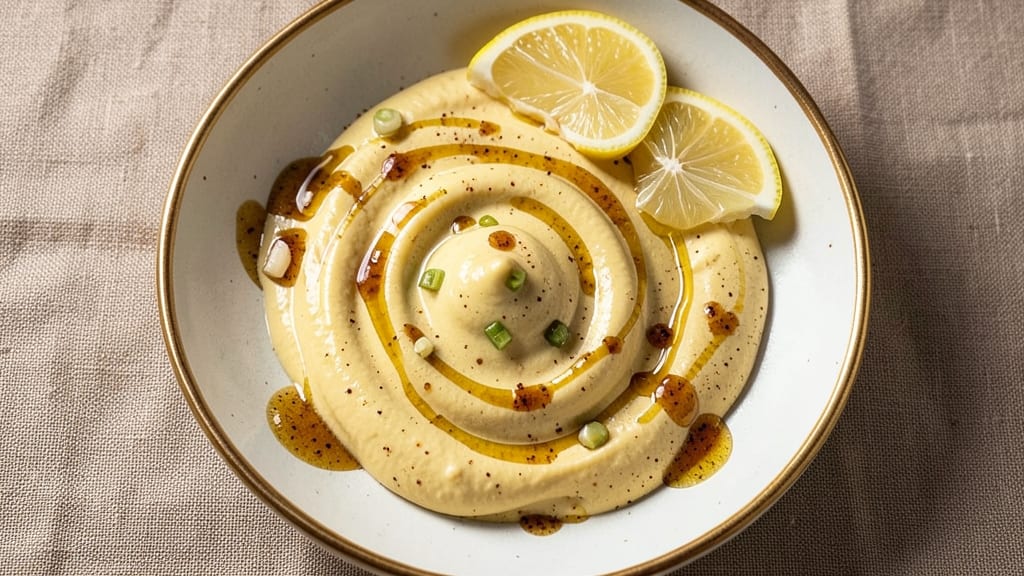
This aioli salad dressing recipe transforms simple ingredients into a velvety, garlicky dressing that clings perfectly to greens without separating. The secret lies in a foolproof emulsification technique using egg yolks and olive oil, creating a rich base that stays stable for days.
I developed this after struggling with store-bought aioli dressings that either broke or tasted overly heavy.
The magic happens through a slow, whisking process that incorporates oil gradually into the yolk mixture, preventing curdling while building that signature creamy texture. A splash of lemon juice brightens the garlic flavor, and Dijon mustard adds depth without overpowering.
What makes this dressing exceptional is its versatility—it elevates Caesar salads, works as a dip for crudités, and even enhances sandwiches with its bold, garlicky punch.
What you'll achieve is a dressing that's impossibly smooth yet packed with flavor, with no risk of that dreaded mayo cling. The emulsification method ensures it stays consistent whether you thin it with vinegar for a lighter salad or keep it rich for dipping.
This recipe delivers restaurant-quality results with just five key ingredients and 10 minutes of active time.
Perfect for meal prep, this dressing keeps for up to 5 days in the refrigerator, maintaining its creamy texture and vibrant flavor. The technique is beginner-friendly but yields professional results—ideal for anyone who wants to elevate their salads without complicated methods. Let's get started!
Ingredients for aioli salad dressing
Eight essential ingredients create a velvety, emulsified dressing with restaurant-quality depth.
| Ingredient | Amount | Notes |
|---|---|---|
| Large Egg Yolks 🥚 | 3 whole | Fresh, room temperature preferred |
| Extra-Virgin Olive Oil 🫒 | 1 cup | Light, fruity variety for balance |
| Fresh Garlic Cloves 🧄 | 4 cloves | Peeled, minced for intensity |
| Dijon Mustard 🌶️ | 1 tbsp | High-quality, smooth variety |
| Fresh Lemon Juice 🍋 | 1 ½ tbsp | Strained for clarity |
| White Wine Vinegar 🍷 | 1 tbsp | Adjust for tang preference |
| Kosher Salt 🧂 | ½ tsp | Diamond Crystal preferred |
| Black Peppercorns 🌶️ | ¼ tsp | Freshly cracked for aroma |
The egg yolks are the foundation—use fresh, high-quality yolks from pastured eggs if available, as they emulsify better. Trader Joe's carries excellent organic eggs, or check the back of your grocery store's refrigerated section for the freshest. The olive oil must be extra-virgin and light—avoid strong, peppery varieties that can overpower the delicate garlic flavor. For garlic, organic cloves from the produce section have more intensity than conventional. If you're using garlic powder as a shortcut, reduce to half the amount—it lacks the moisture and complexity of fresh. The Dijon mustard should be smooth, not coarse, for seamless blending into the emulsion.
No Dijon mustard? Yellow mustard at half the quantity works in a pinch, though it lacks the depth. Substitute the lemon juice with apple cider vinegar if needed, but the acidity will differ slightly. For a dairy-free option, replace the egg yolks with 3 tablespoons aquafaba (chickpea brine) and add a pinch of xanthan gum to stabilize the emulsion. The white wine vinegar can be swapped for rice vinegar, though it offers a milder tang. If you're sensitive to garlic's potency, reduce to 2 cloves—the flavor will still shine through without overwhelming. Always taste as you go; adjustments are easier before emulsification begins.
This dressing maintains its creamy texture for 5 days when stored in an airtight container in the refrigerator. To extend shelf life, pour a thin layer of extra-virgin olive oil over the surface before sealing—this preserves freshness and prevents oxidation. For meal prep, divide into small glass jars (2-ounce portions work well) to avoid repeated opening. If the dressing thickens upon refrigeration, whisk in 1 teaspoon of warm water to restore consistency. Freezing isn't recommended, as the emulsion may separate upon thawing.
Why You'll Love This Recipe
- Five-Ingredient Magic: I swear by this recipe because it’s that simple—just yolks, oil, garlic, mustard, and lemon. No fancy tools, no stress, just a whisk and a bowl. Honestly, I’ve made it in my kitchen while chatting with a friend on the phone.
- Garlic Kiss: That first bite? Pure flavor payoff. The raw garlic and Dijon mustard cut through greens like a knife, while the olive oil adds richness. It’s bright, bold, and never boring—even my garlic-averse husband asks for seconds.
- Picnic to Potluck: This dressing is my go-to for everything: a quick lunch salad, grilled chicken dinners, or even drizzled over roasted veggies. I’ve taken it camping, to BBQs, and even to my book club meetings—it’s reliable, crowd-pleasing, and always welcome.
- No-Waste Wonder: A little goes a long way, so I make a big batch and keep it in the fridge for up to a week. The lemon keeps it fresh, and the cost? A fraction of store-bought. Between us, I’ve saved enough to splurge on better olive oil for the next batch.
Step-by-step instructions for garlicky aioli salad dressing
This method delivers velvety, emulsified aioli with no separation—just rich, garlicky creaminess.
Whisk Egg Yolks and Mustard Until Fully Emulsified
Place the 3 whole large egg yolks in a heatproof bowl that fits snugly over a saucepan of barely simmering water. This gentle heat creates a stable base for emulsification without scrambling. Add the 1 tablespoon Dijon mustard and whisk vigorously for 1 minute until the mixture thickens slightly and becomes pale yellow.
Here's the thing—don't rush this step. The mustard acts as an emulsifier, helping the oil bind later. If the mixture looks too thick, add 1 teaspoon of the fresh lemon juice to loosen it slightly. You're aiming for a ribbon-like consistency where the mixture holds its shape when the whisk is lifted.
Gradually Incorporate Olive Oil in a Slow Stream
Remove the bowl from the heat and let the yolks cool slightly. Using a fine-mesh strainer, pour the 1 cup extra-virgin olive oil very slowly over the yolks while whisking constantly. I mean very slowly—about 1 teaspoon per second. This gradual addition prevents the emulsion from breaking.
Watch the mixture closely. Initially, it will look like tiny droplets forming, but with steady whisking, it will begin to thicken into a creamy emulsion. If you see the mixture suddenly curdle or separate, stop immediately and whisk in 1 teaspoon of the strained fresh lemon juice to stabilize it. The goal is a smooth, mayonnaise-like consistency that clings to the whisk.
Add Aromatics and Acid for Balance
Once the oil is fully incorporated, whisk in the 4 cloves minced fresh garlic cloves, 1.5 tablespoons fresh lemon juice, and 1 tablespoon white wine vinegar. The garlic should be finely minced—almost a paste—to distribute evenly. Taste and adjust the acidity; if it needs more tang, add another ½ teaspoon of vinegar.
This is where the dressing comes together. The lemon juice brightens the richness, while the vinegar adds depth. If the mixture looks too thick, whisk in 1-2 tablespoons of warm water to reach your desired consistency. For a smoother texture, strain through a fine-mesh sieve to remove any garlic bits.
Season and Store Properly
Add the ½ teaspoon kosher salt and ¼ teaspoon freshly cracked black peppercorns, then taste and adjust seasoning. The dressing should be garlicky, tangy, and perfectly balanced—no single flavor should overpower. Transfer to a clean jar and refrigerate for at least 2 hours before using to allow flavors to meld.
This dressing keeps for up to 5 days in the refrigerator. The longer it sits, the more the garlic flavor develops. If it thickens over time, whisk in 1-2 tablespoons of water or lemon juice to restore consistency. Use it within the week for peak freshness.
Pro Tips For Making Aioli Salad Dressing
- Warm the yolks first: I learned this the hard way—cold yolks and room-temperature oil don’t mix well. Whisk your yolks in a heatproof bowl over barely simmering water for 30 seconds to loosen them up before adding anything else. This makes emulsification smoother and cuts down on scrambling.
- Mince garlic like snow: Skip the press—it bruises the garlic and adds moisture you don’t need. Use a sharp knife to finely mince the cloves into a paste (almost like wet sand) instead of crushing them. This keeps the aioli from turning bitter and ensures even distribution.
- Add oil slowly at first: The first few drops of olive oil should go in like you’re painting a fence—one at a time, letting each blend completely before adding more. Rushing this step is how you end up with a broken emulsion, and nobody wants a greasy salad dressing.
- Lemon juice last, not first: Acid breaks emulsions, so save the lemon juice for the very end. Mix it in just before using the dressing, or store it separately and stir it in right before tossing. This keeps your aioli silky instead of curdled—trust me, your greens will thank you.
Troubleshooting this dish
Oil Separation Fix
If your aioli suddenly looks like a split layer of oil and yolk, don’t panic—this happens when oil is added too quickly. Immediately whisk in 1 teaspoon of fresh lemon juice while vigorously whisking for 30 seconds.
The acidity helps re-emulsify the dressing. For stubborn separations, add ½ teaspoon Dijon mustard and whisk again. I’ve revived even the most broken emulsions this way! 💡
Garlic Overpowering
Too much garlic? Dilute with 1 tablespoon of warm water or lemon juice to soften the intensity. For a smoother texture, strain through a fine-mesh sieve to remove excess garlic bits.
If you prefer milder garlic, reduce to 2 cloves next time—it’ll still shine through without overwhelming. Taste as you go to adjust!
Thickening Too Fast
If your dressing thickens prematurely during emulsification, whisk in 1 teaspoon of warm water or lemon juice gradually until it reaches a pourable consistency. Avoid over-whisking, which can cause curdling.
For meal prep, store in small jars and thin with 1 teaspoon of water or vinegar when ready to use. This keeps the dressing light and cling-free on salads.
Curds or Lumps
Curds form when the emulsion breaks due to heat or rapid temperature changes. To fix, whisk in 1 teaspoon of Dijon mustard and ½ teaspoon of lemon juice while gently warming the bowl over barely simmering water for 10 seconds.
Remove immediately and whisk vigorously until smooth. Prevent future issues by ensuring your yolks are room temperature before starting.
Weak Flavor Development
If your dressing tastes bland after refrigeration, let it sit at room temperature for 10 minutes before using—flavors intensify as it warms. For extra depth, add ½ teaspoon of minced shallot or ¼ teaspoon of smoked paprika when seasoning.
The garlic flavor mellows slightly when cold, so taste and adjust with a pinch of salt or extra lemon juice if needed.
Storage Issues
If your dressing separates after refrigeration, whisk in 1-2 tablespoons of warm water until smooth. To prevent future separation, store in an airtight container with a thin layer of extra-virgin olive oil on top—this preserves freshness and stabilizes the emulsion.
Avoid freezing, as it can break the emulsion permanently. For best results, use within 5 days of making. ✨
Nutrition facts
Frequently asked questions
Can I make this aioli dressing without raw egg yolks?
For a safer option, replace the egg yolks with 3 tablespoons aquafaba (chickpea brine) and add ¼ teaspoon xanthan gum to stabilize the emulsion. Whisk in the oil just as slowly, but you may need to add 1 teaspoon lemon juice to help bind the mixture. The texture will be slightly lighter but still creamy and delicious.
How do I adjust the thickness for different uses?
For a lighter salad dressing, whisk in 1-2 tablespoons of warm water or lemon juice until pourable. For a thicker dip or sauce, reduce the liquid slightly or add ½ teaspoon more Dijon mustard. Remember, the dressing will thicken further when refrigerated, so start slightly thinner than desired.
What can I add to make it dairy-free and vegan?
Use 3 tablespoons ground flaxseed or chia seeds mixed with 3 tablespoons water (let sit for 5 minutes to thicken) as an egg substitute. Add ½ teaspoon apple cider vinegar to help stabilize the emulsion. For extra richness, stir in 1 tablespoon nutritional yeast after emulsification. The texture will be slightly different but still flavorful!
Can I use this dressing on hot dishes?
Not ideal—aioli dressings are best served at room temperature or chilled. The egg base can curdle when exposed to heat. For hot dishes, use it as a finishing drizzle after cooking, or make a quick garlic-infused olive oil by blending 2 cloves garlic with ½ cup olive oil and a pinch of salt. This keeps the garlicky flavor without the emulsion risks.
Why does my aioli sometimes taste bitter?
Bitterness usually comes from overcooked garlic or old olive oil. Always use freshly minced garlic (not pre-minced) and high-quality extra-virgin olive oil. If bitterness persists, add ½ teaspoon honey or maple syrup to balance the flavors. Store-bought garlic powder can also add bitterness—stick to fresh cloves for the best results.