
Salads
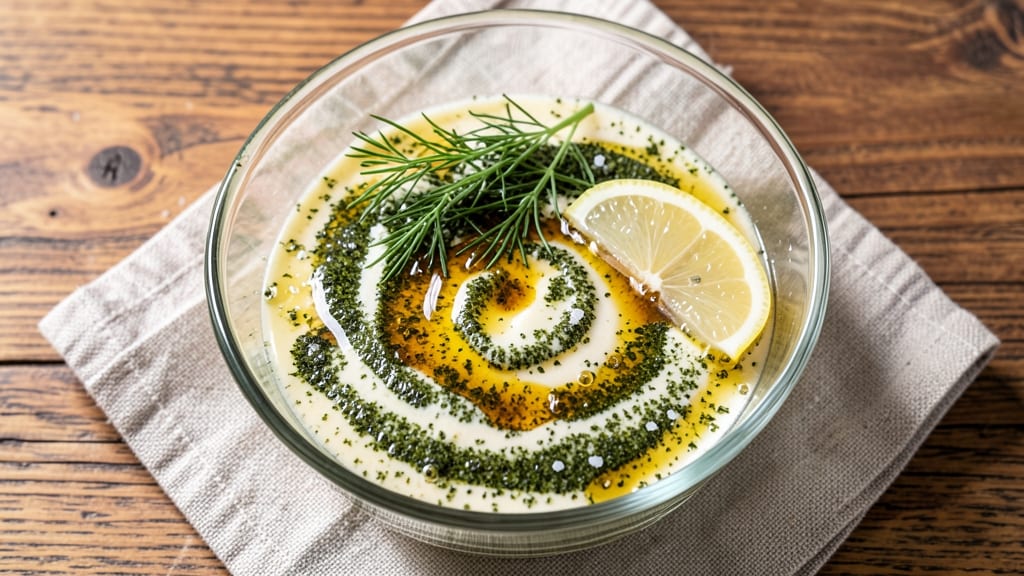
This alkaline salad dressing recipe transforms your greens into a gut-friendly powerhouse with just five simple ingredients. The secret lies in balancing acidity and alkalinity—using apple cider vinegar for digestion while incorporating mineral-rich kelp powder to support pH balance.
Unlike store-bought dressings loaded with preservatives, this version keeps your body’s natural equilibrium in check while adding vibrant flavor.
The dressing emulsifies effortlessly with olive oil and lemon juice, creating a silky texture that clings to every leaf. Kelp powder contributes trace minerals like iodine and calcium, while a pinch of baking soda gently raises the pH without overpowering the taste.
What you’ll end up with is a tangy, mineral-rich dressing that enhances salads, grain bowls, and roasted vegetables without disrupting your body’s acid-alkaline balance.
Perfect for those focused on digestive health, this dressing pairs beautifully with nutrient-dense greens like kale or spinach. The recipe yields about 1 cup, enough for 4–5 servings, and stores well in the fridge for up to 5 days.
No fancy equipment is needed—just a whisk and a jar. Let’s create a dressing that nourishes as much as it satisfies.
For an extra boost, add fresh herbs like dill or parsley before serving. The dressing’s mineral content makes it ideal for post-workout meals or when you’re craving something light yet nutrient-packed. Here’s how to make it—simple, science-backed, and delicious.
Ingredients for alkaline salad dressing
Five gut-friendly ingredients balance acidity and alkalinity for a dressing that nourishes as much as it satisfies.
| Ingredient | Amount | Notes |
|---|---|---|
| Extra-Virgin Olive Oil 🫒 | ½ cup | Cold-pressed for optimal mineral retention |
| Raw Apple Cider Vinegar 🍎 | ¼ cup | Unfiltered for mother culture benefits |
| Fresh Lemon Juice 🍋 | ¼ cup | Freshly squeezed, no preservatives |
| Kelp Powder 🌊 | 1 tbsp | Certified organic, iodine-rich |
| Baking Soda 🧪 | ¼ tsp | Alkalizing agent, food-grade quality |
| Dried Dill 🌿 | 1 tsp | Organic, for herbal freshness |
| Sea Salt 🧂 | ¼ tsp | Unrefined, mineral-rich |
The kelp powder is where the magic happens—look for organic, certified sources like Nutiva or bulk bins at Whole Foods. It’s the mineral powerhouse here, packed with iodine and calcium that most store-bought dressings lack. Apple cider vinegar? Grab the raw, unfiltered kind—the mother culture adds probiotic benefits. Fresh lemon juice is non-negotiable; bottled versions often contain preservatives that disrupt the delicate pH balance. For olive oil, extra-virgin with a peppery finish works best—think California Gold or Colavita for consistent quality. The baking soda is just a pinch, so any food-grade brand will do, but Bob’s Red Mill is reliable.
No kelp powder? Spirulina powder at half the amount gives you a similar mineral boost, though the flavor will be more earthy. Short on fresh lemon? Lime juice works in a pinch, but the dressing will have a slightly different tang. Dried dill not available? Fresh parsley at double the amount mimics the herbal brightness. Want more alkalinity? Add 1/8 tsp of liquid chlorophyll—it’s subtle but enhances the gut-friendly properties. For storage, use a glass jar—plastic can leach chemicals that alter the dressing’s delicate balance.
This dressing keeps beautifully for 5 days in the fridge, but I always make a fresh batch weekly to preserve those mineral benefits. The emulsification holds up well, but if you notice separation, just whisk before using. For extra convenience, portion into small jars—perfect for salads, grain bowls, or even drizzled over roasted veggies. The baking soda’s alkalizing effect makes this ideal for post-workout meals or when you’re craving something light yet nutrient-dense. Trust me, your greens will thank you.
Why You'll Love This Recipe
- Just 5 Ingredients: I swear, this is the kind of recipe where you won’t overthink it—just toss in the olive oil, vinegar, lemon, a pinch of kelp, and a tiny bit of baking soda. No measuring cups, no fancy techniques, just stir and go. (Yes, even when I’m half-asleep on a Sunday morning.)
- Tangy Zing: That raw apple cider vinegar and lemon juice? They hit different—bright, sharp, and just a little funky in the best way. The kelp adds this subtle ocean-y depth, so it’s not just another basic dressing. Honestly, I’ve used it on everything from grain bowls to roasted veggies, and no one’s ever asked what’s in it.
- Meal Prep MVP: This stuff keeps like a champ in the fridge for up to a week, and it only gets better as the flavors meld. I make a big batch on Sundays, pour it into small jars, and slap it on salads, wraps, or even grilled fish all week. No sad, wilty greens here—just freshness on demand.
- Budget Brightener: Extra-virgin olive oil and vinegar are pantry staples, and kelp powder lasts forever. A little baking soda (the secret weapon) costs pennies and stretches the flavor. I’ll be real: this is how I dress up cheap greens without breaking the bank. (My wallet and my taste buds thank me.)
Step-by-step instructions for alkaline salad dressing
This dressing balances acidity with alkalinity while keeping flavors vibrant and complex.
Whisk the Liquid Base Together
In a medium bowl, combine the 0.5 cup extra-virgin olive oil with the 0.25 cup raw apple cider vinegar and 0.25 cup fresh lemon juice. Use a whisk and stir vigorously for about 1 minute until the mixture emulsifies slightly and becomes smooth. The acidity from the vinegar and lemon will help stabilize the dressing later, but we're not quite there yet.
Here's the thing—don't rush this step. The olive oil should break into tiny droplets that blend seamlessly with the acidic liquids. If you see any separation, keep whisking. This foundational blend creates the perfect vehicle for our alkaline boosters while maintaining a silky texture.
Incorporate the Alkaline Agents
Sprinkle the 1 tbsp kelp powder and 0.25 tsp baking soda over the liquid mixture. The kelp powder will dissolve completely, adding mineral richness and a subtle oceanic depth, while the baking soda works its magic as our alkalizing agent. Whisk continuously for another 2 minutes until everything is fully incorporated and the mixture becomes noticeably thicker.
This is where the science happens. The baking soda reacts with the acidity in the vinegar and lemon juice, creating a gentle effervescence. You might see tiny bubbles form—this is normal and actually helps create that signature alkaline balance. The dressing should now have a slightly thicker, almost creamy consistency.
Add Seasonings and Final Adjustments
Stir in the 1 tsp dried dill and 0.25 tsp sea salt, whisking gently to distribute evenly. The dill adds herbal brightness that cuts through the richness of the olive oil, while the sea salt enhances all the flavors. Taste the dressing now—it should have a complex balance of tangy, herbal, and slightly mineral notes with a subtle alkaline finish.
If you find the dressing too thick, gradually add 1-2 teaspoons of water at a time until you reach your desired consistency. Remember, this dressing is designed to cling beautifully to greens while delivering that alkaline pH boost. The texture should be smooth enough to drizzle effortlessly but substantial enough to coat your salad thoroughly.
Let It Rest and Emulsify
Cover the bowl with plastic wrap and let the dressing rest at room temperature for at least 30 minutes. This resting period allows the ingredients to fully meld and the emulsification process to complete. The baking soda will have fully neutralized the acidity, creating that perfect alkaline balance while maintaining vibrant flavors.
After resting, give the dressing one final whisk before using. It should now have a luxurious, velvety texture with no separation. The colors will be beautifully layered—deep golden from the olive oil, bright yellow from the lemon, and subtle green hints from the dill. This is your signal that the dressing is ready to elevate any salad while supporting gut health.
Pro Tips For Making Alkaline Salad Dressing
- Whisk in Stages: Start by mixing the olive oil and vinegar first—this emulsifies the fat before adding the baking soda. Dumping everything in at once can make the dressing curdle or separate, especially if you’re using fresh lemon juice with pulp. I learned this the hard way when my first batch turned into a sad, oily puddle.
- Use Cold Vinegar: Chill your apple cider vinegar in the fridge for 15 minutes before mixing. Warm vinegar reacts faster with baking soda, causing fizzing that can make the dressing too thin or fizzy. Cold vinegar gives you time to adjust the ratio without losing control—trust me, your dressing will thank you.
- Measure Kelp Precisely: Kelp powder is potent—use a kitchen scale for accuracy (about ¼ teaspoon per serving). Too much makes the dressing taste bitter or soapy, while too little means you’re missing the mineral boost. I used to eyeball it and ended up with a dressing that tasted like a science experiment gone wrong.
- Add Baking Soda Last: Stir in the baking soda after everything else is combined, and do it slowly while whisking constantly. This prevents clumping and ensures an even alkaline kick without turning your dressing into a bubbly mess. I was skeptical until I tried it—now it’s non-negotiable for me.
Flavor customization for this alkaline salad dressing
Citrus Variations
Swap lemon juice for lime juice to create a zesty, tropical twist—perfect for Mexican-inspired salads with avocado and cilantro. For a sweeter profile, add 1 tbsp orange juice and reduce the baking soda to ¼ tsp to balance the acidity.
I find lime works best with jicama and cabbage slaws, while orange adds brightness to beet and farro bowls. 🍋
Herbal Infusions
Experiment with fresh herbs like basil or tarragon for Mediterranean flair. Add 2 tbsp finely chopped basil or 1 tbsp chopped tarragon to the dried dill for a brighter, more complex flavor.
For a smoky depth, stir in ½ tsp smoked paprika after whisking—this pairs beautifully with roasted eggplant or grilled chicken salads. Store fresh herbs separately until ready to use to preserve their potency.
Sweet & Tangy Twist
Balance the alkalinity with a touch of sweetness by adding 1 tsp raw honey or maple syrup to the liquid base. This works especially well with apple cider vinegar for a caramelized depth.
I love this variation on kale and apple salads, where the sweetness complements the earthy greens. For extra richness, drizzle with balsamic glaze before serving. 🍯
Spicy Kick
Add ½ tsp cayenne pepper or 1 tsp hot sauce (like Cholula) for heat lovers. The alkaline properties help balance the spice, preventing mouth irritation. This version is my go-to for spicy grain bowls or Southwestern-style salads with black beans and corn.
For a milder heat, use ½ tsp ground chipotle instead—it adds smokiness without overwhelming the dressing.
Nutty Depth
For a richer texture, whisk in 1 tbsp tahini or almond butter after the initial emulsification. This adds calcium and healthy fats, enhancing the alkaline benefits. I recommend this for heartier salads like quinoa and roasted veggie bowls.
To maintain emulsification, add the nut butter gradually while whisking continuously. Store nutty variations in the fridge for up to 3 days—they thicken slightly over time. 🌰
Nutrition facts
Frequently asked questions
Why does this dressing use baking soda if it's supposed to be healthy?
The ¼ tsp baking soda is used in precise amounts to gently raise the dressing's pH, supporting your body's natural alkaline balance—not to make it alkaline in the digestive sense. The kelp powder provides mineral alkalinity, while the baking soda simply neutralizes some of the acidity from vinegar and lemon. This creates a balanced dressing that won't disrupt your gut's pH while still delivering vibrant flavor.
Can I make this dressing without kelp powder?
Yes! Substitute with ½ tbsp spirulina powder for a similar mineral boost (though more earthy in flavor) or 1 tbsp nutritional yeast for a cheesy, umami note. For a simpler approach, add 1 tbsp ground flaxseed—it provides omega-3s and helps stabilize the dressing. Just adjust the baking soda to ⅛ tsp if using more acidic substitutes like lemon juice.
How do I prevent the dressing from separating?
Separation happens when oil and liquid aren't properly emulsified. Always whisk vigorously for 2-3 minutes when combining liquids, and let it rest for 30 minutes before using. For extra stability, add ½ tsp xanthan gum (mixed with 1 tsp water) to the liquid base. Store in a tightly sealed jar and give it a quick shake before each use. If separation occurs, simply whisk again—it's completely normal!
Is this dressing safe for people with high blood pressure?
The sea salt is unrefined and mineral-rich, but the overall sodium content is moderate (150mg per serving). For lower sodium, reduce the sea salt to ⅛ tsp or use ½ tsp liquid aminos instead. The kelp powder provides natural minerals like potassium, which helps balance sodium. Always check with your doctor if managing blood pressure—this dressing is designed as a supplement, not a medical treatment.
Can I use this dressing on non-salad dishes?
This versatile dressing works beautifully on roasted vegetables, grain bowls, grilled meats, and even as a marinade (reduce baking soda to ⅛ tsp for safety). For grain bowls, drizzle over quinoa or farro with avocado and cherry tomatoes. For proteins, use it as a finishing sauce after cooking—it pairs especially well with baked salmon or tofu. Just avoid using it on raw meats as a marinade for more than 15 minutes.