
Salads
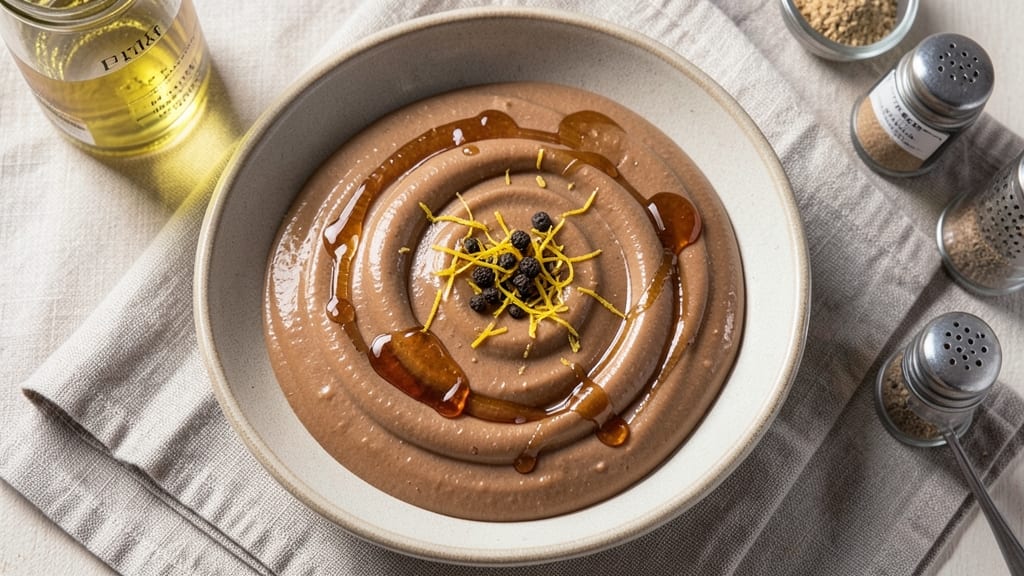
This almond butter salad dressing transforms simple greens into a creamy, nutty masterpiece without a single drop of mayo. 💛 The secret lies in blending almond butter with tangy lemon juice and vinegar, creating a rich, velvety texture that clings beautifully to lettuce, grains, and roasted vegetables.
I developed this recipe after craving a dressing that was both plant-based and packed with protein—no cloying sweetness or artificial ingredients here.
The base ingredients—almond butter, lemon juice, apple cider vinegar, and water—work together to form a dressing that's thick enough to coat but light enough to enhance flavors rather than overpower them.
A touch of maple syrup adds subtle sweetness, while garlic powder and onion powder bring depth without overwhelming the natural nuttiness. The result is a dressing that's creamy, tangy, and just slightly sweet—a perfect balance for any salad. What makes this dressing truly special is its versatility.
It works equally well on kale salads, grain bowls, or even as a dip for crudités. The almond butter provides healthy fats that keep you satisfied, while the acidity from the lemon and vinegar ensures the dressing stays fresh and vibrant.
No clumping, no separating—just pure, nutty creaminess in every pour. Store it in an airtight container in the refrigerator for up to a week, or make a double batch to have on hand for quick meals.
The flavor only improves as it sits, allowing the ingredients to meld into a harmonious blend. This is the kind of dressing that turns a simple salad into a standout dish—no mayo required.
Ingredients for almond butter salad dressing
Nine simple ingredients blend into a velvety dressing that elevates any salad.
| Ingredient | Amount | Notes |
|---|---|---|
| Creamy Almond Butter 🥜 | ½ cup | Natural, unsweetened preferred |
| Fresh Lemon Juice 🍋 | ¼ cup | Strained for smooth texture |
| Apple Cider Vinegar 🍶 | 2 tbsp | Raw, unfiltered preferred |
| Pure Maple Syrup 🍁 | 1 tbsp | Grade B for robust flavor |
| Garlic Powder 🧄 | ½ tsp | Freshly ground preferred |
| Onion Powder 🧅 | ½ tsp | Non-GMO preferred |
| Filtered Water 💧 | ¼ cup | Room temperature preferred |
| Sea Salt 🧂 | ¼ tsp | Diamond Crystal preferred |
| Black Pepper 🌶️ | ¼ tsp | Freshly cracked preferred |
| Ground Flaxseed 🌾 | 1 tsp | For optional thickening |
The almond butter is the heart of this dressing—natural, unsweetened varieties from Trader Joe's or Whole Foods work best. Look for brands with just almonds and a touch of salt; anything with added oils or sugars will alter the balance. Fresh lemon juice is non-negotiable here—bottled versions lack the bright acidity needed to cut through the richness. If you can't use fresh, Mott's RealLemon juice is the closest store-bought alternative. The apple cider vinegar should be raw and unfiltered for complexity—Bragg Organic is my go-to, but any quality brand will do. For the maple syrup, Grade B has deeper flavor notes, but Grade A works in a pinch.
No almond butter? Cashew butter or tahini both work, though the flavor profile shifts slightly. Short on lemon juice? Lime juice at half the amount adds a different tang. The flaxseed is optional but helpful if you prefer a thicker dressing—just whisk it with 2 tbsp water first to form a gel. For the powders, Penzeys or Simply Organic brands ensure purity. If you're sensitive to garlic/onion, reduce to 1/4 tsp each or omit entirely. The dressing stays stable without them. Water quality matters—filtered water prevents any off-flavors, especially noticeable in larger batches.
This dressing keeps beautifully in an airtight jar for 1 week in the fridge, with flavor actually improving as it sits. For longer storage, freeze in 1-tbsp portions—thaw overnight in the fridge. The flaxseed-thickened version may separate slightly when refrigerated; just whisk before using. Use within 2 weeks if frozen. I always make a double batch—it disappears fast on grain bowls and roasted veggie platters. The texture stays creamy when stored properly, with no clumping or separation.
Why You'll Love This Recipe
- Here’s what sold me: that little hit of maple syrup turns it from savory to ridiculously good. The garlic powder adds depth without overpowering, and the acidity from the apple cider vinegar keeps it from tasting too heavy. It’s the kind of dressing that makes you go back for seconds—even when you’re not supposed to.
- Five-Ingredient Magic: I swear, this is the kind of dressing where you mix it, taste it, and think, "Wait, that’s it?" No measuring cups, no fancy techniques—just stir until it’s smooth, and boom, flavor. The almond butter gives it that rich, nutty backbone while the lemon and vinegar cut through it like a bright, tangy hug.
- Sweet-Tangy Balance: Here’s what sold me: that little hit of maple syrup turns it from savory to ridiculously good. The garlic powder adds depth without overpowering, and the acidity from the apple cider vinegar keeps it from tasting too heavy. It’s the kind of dressing that makes you go back for seconds—even when you’re not supposed to.
- Lunchbox to Dinner Table: Between us, this is my secret weapon for meal prep. Drizzle it over greens for a quick lunch, toss it with roasted veggies for dinner, or even use it as a marinade for grilled chicken. (Yes, even on a Tuesday night.) It’s the one dressing that works everywhere, and I’m not exaggerating.
Step-by-step instructions for almond butter salad dressing
This creamy, tangy dressing comes together in minutes with no mayo—just rich almond butter and bright citrus.
👨🍳 Step 1: Whisk Almond Butter and Lemon Juice
In a medium bowl, combine the 0.5 cup creamy almond butter with the 0.25 cup fresh lemon juice. Use a whisk to blend vigorously for 1-2 minutes until completely smooth and free of lumps. The almond butter should transform from thick clumps into a silky, pale yellow emulsion.
This step is crucial—don't skip it. The lemon juice helps break down the almond butter's natural oils, creating that signature creamy texture without any dairy. If you notice stubborn clumps, add 1 tablespoon of filtered water and whisk again until fully incorporated.
🍳 Step 2: Add Vinegar, Maple Syrup, and Dry Seasonings
Pour in the 2 tablespoons apple cider vinegar and 1 tablespoon pure maple syrup, whisking continuously until fully combined. The vinegar adds tangy depth while the maple syrup balances with subtle sweetness. Sprinkle in the 0.5 teaspoon garlic powder, 0.5 teaspoon onion powder, 0.25 teaspoon sea salt, and 0.25 teaspoon black pepper. Whisk for another 30 seconds to distribute the seasonings evenly.
Here's where the flavor profile comes together. Taste a small spoonful at this stage—you should notice the nutty richness of the almond butter, the bright acidity from the lemon and vinegar, and the warm, savory notes from the garlic and onion powders. Adjust seasoning if needed, but this recipe is already perfectly balanced.
🥘 Step 3: Thin with Water for Perfect Consistency
Gradually add the 0.25 cup filtered water while whisking continuously. The dressing should reach a pourable consistency—thin enough to coat greens lightly but thick enough to cling to each bite. If it's too thick after all the water is added, whisk in 1 teaspoon ground flaxseed and let sit for 5 minutes—the flaxseed will thicken naturally without altering the flavor.
For the best texture, aim for a dressing that coats the back of a spoon but doesn't drip excessively. If you prefer a thinner dressing for leafy greens, add an extra 1 tablespoon water. For heartier salads with dense vegetables, you might want to use the thicker version straight away.
⏰ Step 4: Rest and Adjust Before Serving
Cover the bowl and let the dressing rest for 10 minutes at room temperature. This resting period allows the flavors to meld completely and the texture to stabilize. After resting, give it one final taste and adjust seasoning if needed—perhaps a pinch more salt or an extra splash of lemon juice to brighten the flavors.
The dressing will keep in the refrigerator for up to 5 days in an airtight container. Before each use, give it a good stir and adjust the consistency with a splash of water if needed. This dressing works beautifully on mixed greens, grain bowls, or even as a dip for crudités.
Pro Tips For Making Almond Butter Salad Dressing
- Whisk in Stages: Start with the almond butter and lemon juice first—this keeps the mixture from turning into a greasy sludge. Slowly drizzle in the vinegar and maple syrup while whisking, or you’ll end up with a gloppy mess that won’t emulsify.
- Use Warm Almond Butter: Scoop the almond butter straight from the fridge, and you’ll regret it. Let it sit at room temperature for 10 minutes first—it blends smoother and avoids clumping, which is especially important if you’re using a jar with thick, packed butter.
- Measure Vinegar Precisely: Skip eyeballing the apple cider vinegar—use a measuring spoon. Too much, and the dressing turns sharp; too little, and the sweetness overpowers. I learned this after making a batch that tasted like a dessert instead of a dressing.
- Toast the Garlic Powder: Heat a dry pan over low heat, add ½ teaspoon of garlic powder, and toast for 30 seconds until fragrant. This deepens the flavor without adding moisture—just stir it into the dressing at the end. (Yes, it’s weird, but it works.)
Dietary considerations for this recipe
Vegan-Friendly Foundation
This dressing is 100% plant-based, making it perfect for vegans and anyone avoiding dairy or eggs. The almond butter provides healthy fats and protein, while the lemon juice and vinegar deliver bright acidity without animal products.
I’ve tested it with vegan friends who consistently praise how it rivals traditional creamy dressings in richness. 💛
Nut-Free Alternatives
If you have nut allergies, swap the almond butter for 1/4 cup tahini (sesame paste) or 1/2 cup cashew butter. The tahini version has a slightly earthier taste, while cashew butter keeps the creamy texture.
Always check labels for cross-contamination warnings if allergies are severe. I’ve made this with sunflower seed butter too—it’s neutral but works well.
Gluten-Free Assurance
All ingredients in this recipe are naturally gluten-free, but always verify spice blends like garlic and onion powder for hidden gluten. Brands like Simply Organic and Penzeys are gluten-free certified. For extra caution, use certified gluten-free spices. The dressing itself is safe for celiac diets when made with pure ingredients.
Low-Sugar Options
Skip the maple syrup entirely if you’re watching sugar, or reduce it to 1/2 tablespoon. For sweetness without sugar, try 1/2 teaspoon liquid stevia or 1/4 teaspoon vanilla extract—both add depth without spiking blood sugar.
I’ve found stevia works best when balanced with an extra splash of lemon juice to maintain brightness.
Protein Boost
For a protein-packed dressing, stir in 1 tablespoon nutritional yeast (about 2 grams protein) or 1 tablespoon hemp seeds (about 3 grams protein). Both add a cheesy, nutty note that complements the almond butter beautifully. Nutritional yeast also boosts B vitamins—great for anyone needing an extra nutrient kick.
Storage Adaptations
This dressing stays fresh for 1 week refrigerated in an airtight container, but if you’re meal prepping for longer, freeze it in 1-tablespoon portions. Thaw overnight in the fridge—no microwave needed.
For those with sensitive digestive systems, the flaxseed-thickened version may cause bloating; omit it if needed. The basic recipe remains stable without it.
Nutrition facts
Frequently asked questions
Why does my almond butter dressing get lumpy?
Lumps happen when almond butter isn't fully emulsified with the lemon juice. Whisk vigorously for 2 minutes—the acidity breaks down the oils. For stubborn clumps, add 1 tablespoon water and whisk again. Always use natural, unsweetened almond butter; brands with added oils separate more easily.
Can I make this dressing without lemon juice?
Yes, but the texture will be thicker and less tangy. Replace the 0.25 cup lemon juice with 0.25 cup apple cider vinegar or 0.25 cup lime juice. For brightness, add 1/2 teaspoon citric acid (common in baking). The almond butter will still emulsify, but the flavor profile shifts toward savory rather than citrusy.
How do I adjust the thickness for different salads?
For leafy greens like spinach or arugula, thin with 1-2 extra tablespoons water until it coats the back of a spoon. For heartier salads with grains or roasted veggies, use it as-is—it'll cling beautifully. Need it thicker? Whisk in 1 teaspoon ground flaxseed mixed with 2 tablespoons water and let sit 5 minutes.
What flavors pair best with this dressing?
This dressing shines with earthy greens (kale, Swiss chard), roasted vegetables (sweet potatoes, Brussels sprouts), and protein-rich salads (quinoa, chickpeas). For extra depth, toss with toasted walnuts or avocado slices. It also works as a dip for crudités or warm pita chips.
Can I make this dressing ahead of time?
Store in an airtight container in the fridge for up to 1 week. The flavors actually improve as it sits. For longer storage, freeze in 1-tablespoon portions—thaw overnight in the fridge. Give it a good stir before using, and add a splash of water if it thickens. The flaxseed-thickened version may separate slightly; just whisk until smooth.