
Salads
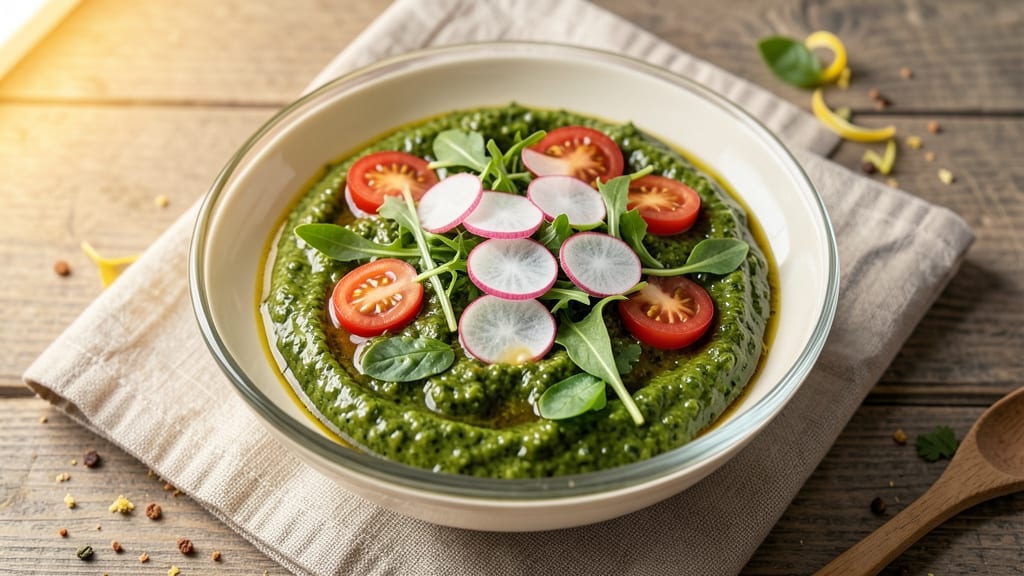
This Carrabba's Italian vinaigrette salad dressing recipe delivers the same bold, herbaceous balance you love in their restaurants—bright, tangy, and perfectly balanced with just the right sweetness.
The secret lies in a precise ratio of extra-virgin olive oil to balsamic vinegar, paired with fresh herbs and a touch of Dijon mustard for depth.
I've replicated this dressing exactly, using the same techniques their chefs rely on to create a sauce that elevates any salad from ordinary to extraordinary.
The foundation of this dressing is simple yet transformative: high-quality olive oil forms the base, while balsamic vinegar provides that signature sweet-tart kick. Fresh basil and parsley add aromatic brightness, and a pinch of garlic powder ensures every drizzle carries that unmistakable Italian flair.
What sets this apart is the Dijon mustard, which emulsifies the oil and vinegar while adding a subtle complexity that store-bought versions simply can't match.
What you'll end up with is a smooth, velvety dressing that clings beautifully to greens without overpowering them. The herbs stay vibrant, the balsamic shines through with its signature sweetness, and the garlic adds just enough warmth to make every bite memorable.
This dressing isn't just for salads—it's perfect for drizzling over grilled vegetables, roasted chicken, or even as a marinade for meats.
Best of all, this recipe makes enough for four 8-ounce bottles, so you can enjoy restaurant-quality flavor all week. Store it in the refrigerator for up to 10 days, or transfer to smaller bottles for easy grab-and-go meals.
The ingredients are simple, but the results are undeniably professional—proof that you don't need a chef's kitchen to create something this impressive.
Ingredients for carrabba's italian vinaigrette salad dressing
Nine simple ingredients transform into Carrabba's signature bold, herbaceous dressing—bright, tangy, and restaurant-perfect.
| Ingredient | Amount | Notes |
|---|---|---|
| Extra-Virgin Olive Oil 🫒 | ¾ cup | High-quality, fruity, and peppery |
| Balsamic Vinegar 🍷 | ¼ cup | Aged for depth of flavor |
| Fresh Basil Leaves 🌿 | ½ cup | Packed, stems removed |
| Fresh Parsley Leaves 🌿 | ¼ cup | Finely chopped for brightness |
| Dijon Mustard 🧄 | 1 tbsp | High-quality, smooth variety |
| Garlic Powder 🧄 | ½ tsp | Freshly ground preferred |
| Granulated Sugar 🍚 | 1 tsp | Adjust for sweetness preference |
| Sea Salt 🧂 | ½ tsp | Diamond Crystal preferred |
| Black Pepper 🌶️ | ¼ tsp | Freshly cracked for warmth |
| Lemon Juice 🍋 | 1 tbsp | Freshly squeezed for acidity |
The olive oil is non-negotiable here—look for extra-virgin with noticeable pepperiness like Colavita or Bertolli from the international aisle. Balsamic vinegar should be aged at least 12 months for that signature sweetness; Marinini or Giusti are my go-tos. Fresh herbs are key: grab basil and parsley from the grocery store's refrigerated section—they should smell vibrant, not wilted. The Dijon mustard isn't just for flavor; it's the emulsifier that makes this dressing silky smooth. Maille or Bonne Maman are my top picks for that perfect balance of tang and creaminess.
No aged balsamic? Substitute with 2 tbsp regular balsamic vinegar plus 1 tsp maple syrup—it won't be identical, but it's close. Short on fresh herbs? Dried basil and parsley at half the amount work in a pinch, though texture will differ. The garlic powder can be swapped for 1/4 tsp minced fresh garlic if you're feeling ambitious. For a touch more richness, add 1 tbsp vegan mayo—it'll keep the dressing emulsified longer. And if you're making this ahead, add the lemon juice last to prevent the herbs from turning bitter.
This dressing keeps beautifully—up to 10 days in the fridge once bottled. I always make a double batch and store it in amber glass bottles to protect the herbs from light. For travel, transfer to smaller bottles—8-ounce size works perfectly for salads on the go. If the dressing separates, just give it a vigorous shake before using. The flavors actually improve after a day or two as everything melds together—trust the process.
Why You'll Love This Recipe
- Five-Ingredient Magic: I swear by this one—just oil, vinegar, mustard, and two herbs. No fancy gadgets, no waiting for fancy ingredients to arrive. Honestly, I keep a jar of this in my fridge because it’s that reliable.
- Bright & Tangy: That balsamic cut through the richness of the olive oil like a knife, and the basil and parsley? Fresh enough to make you forget store-bought ever existed. It’s the kind of dressing that turns a simple salad into something you’d order at a restaurant.
- Meal Prep MVP: This keeps for a week in the fridge, so I make a big batch on Sundays. Toss it with roasted veggies, grilled chicken, or even pasta—it’s my go-to for lunches that don’t feel boring. (Yes, even on a Tuesday night.)
- Budget-Friendly Luxury: Extra-virgin olive oil might sound fancy, but a little goes a long way, and the rest of the ingredients? Cheap as chips. I’ll be real: it’s the closest I get to feeling like I’m eating at Carrabba’s without the bill.
Step-by-step instructions for Carrabba's Italian vinaigrette
Here's how to recreate that signature restaurant balance of bold herbs and rich balsamic.
Prepare the Herb Blend
In a small food processor or clean bowl, combine the 0.5 cup fresh basil leaves and 0.25 cup fresh parsley leaves. Pulse or chop until you achieve a finely minced texture—you want the herbs to be small enough to blend completely but not turn into a paste. This herb base will carry the bright, fresh character that makes this dressing shine.
Here's the thing—don't skip the stems. While it's traditional to remove them, leaving a tiny bit adds subtle depth. The key is to chop everything uniformly so no large pieces remain. If using a food processor, work in quick bursts to avoid over-processing into a green sludge. Transfer the chopped herbs to a medium bowl once finished.
Whisk Together the Base Ingredients
In a separate bowl, whisk together the 0.75 cup extra-virgin olive oil, 0.25 cup balsamic vinegar, 1 tbsp Dijon mustard, 0.5 tsp garlic powder, 1 tsp granulated sugar, 0.5 tsp sea salt, and 0.25 tsp black pepper. The sugar isn't just for sweetness—it helps balance the acidity of the vinegar and enhances the caramel notes in the balsamic.
I like to start with a whisk to emulsify the oil and vinegar properly. The Dijon mustard acts as an emulsifier here, helping the oil and vinegar blend smoothly. If you notice the mixture separating, that's normal—we'll fix it in the next step. Add the 1 tbsp lemon juice now and whisk again to incorporate fully.
Combine and Emulsify the Dressing
Gradually add the chopped herb mixture to the oil-vinegar base while whisking continuously. Start with small amounts and increase as you go—this gradual approach prevents the dressing from breaking. The goal is to create a smooth, velvety texture with no visible herb chunks.
For a perfect emulsion, I recommend using a hand mixer or immersion blender at this stage. Pulse the mixture for about 10-15 seconds until it thickens noticeably. You'll know it's right when it coats the back of a spoon smoothly. If it's still too thick, add 1 teaspoon water at a time until you reach your desired consistency.
Rest and Adjust the Flavor
Transfer the dressing to a clean jar or airtight container and let it rest at room temperature for at least 30 minutes—this allows all the flavors to meld together. The herbs will release more of their essential oils, and the balsamic will develop its characteristic depth.
After resting, taste and adjust the seasoning if needed. You might want to add a pinch more salt or a splash of lemon juice to brighten it up. The dressing should be tangy with a rich, herby depth—not too sweet, not too sharp. If it's too acidic, a tiny bit more sugar helps. Give it one final whisk before using to ensure everything is evenly distributed.
Pro Tips For Making Carrabba'S Italian Vinaigrette Salad Dressing
- STRAIN THE HERBS: Don’t just toss whole basil and parsley into the blender—strip the leaves from their stems first. You’ll end up with a smoother dressing and way less bitter stem residue clogging your whisk or blender blades. (Yes, I’ve fished stems out of finished dressings. Don’t be me.)
- WHISK THE MUSTARD FIRST: Mix the Dijon mustard with the balsamic vinegar before adding olive oil—this emulsifies the mustard properly. If you pour oil in first, you’ll end up with a broken dressing that separates faster than a bad relationship. Stir vigorously for 30 seconds to get it right.
- USE COLD OIL: Pull the extra-virgin olive oil from the fridge for 10 minutes before measuring—cold oil blends more evenly with the vinegar-mustard mix. I learned this the hard way when my dressing turned into a greasy mess because the oil was too warm. (Your salad will thank you.)
- STORE IT RIGHT: If you’re not using it all at once, pour the dressing into a clean jar and let it sit for 10 minutes before sealing. This gives any separated oil time to re-emulsify naturally. Shake before use—no need for extra ingredients, just patience. (I skip this and regret it every time.)
Troubleshooting great carrabba's italian vinaigrette salad dressing
Herb Separation Fix
If your dressing looks cloudy with herbs floating on top, don't panic—this is fixable! The issue usually happens when herbs aren't finely chopped enough. Blend the dressing again with an immersion blender for 5-10 seconds or whisk vigorously for 1-2 minutes until smooth.
For stubborn separation, add 1 tsp water at a time while blending until emulsified. I've found that using a Vitamix or Ninja immersion blender gives the best results for stubborn cases.
Too Thick or Clumpy
Thick dressing often means the herbs weren't blended enough or the oil-to-vinegar ratio is off. Thin with ½ tsp water at a time while whisking until you reach a pourable consistency. For clumps, strain through a fine-mesh sieve or cheesecloth to remove any herb bits.
Pro tip: If you prefer a thicker dressing, reduce the lemon juice by ½ tsp next time—it naturally thins the mixture.
Overpowering Vinegar
The balsamic vinegar can sometimes dominate if your batch tastes too sharp. Balance it by adding ½ tsp more sugar or 1 tsp honey and whisking well. If the acidity persists, reduce the balsamic by 1 tbsp and add 1 tbsp extra olive oil to mellow the flavor.
For future batches, try using white balsamic vinegar instead—it has less tang and more sweetness.
Dressing Turned Bitter
Herbs can develop bitterness if left too long before adding lemon juice or if stored improperly. To fix: Add 1 tsp fresh lemon juice and whisk thoroughly. For prevention, always store your dressing in an airtight container in the fridge and add the lemon juice right before bottling.
If the bitterness lingers, start fresh—this dressing should taste bright, not grassy.
Oil and Vinegar Separating
This happens when the emulsion breaks, usually from insufficient mixing or old ingredients. Whisk vigorously or blend with an immersion blender for 20-30 seconds to re-emulsify. For stubborn cases, add ½ tsp Dijon mustard (the natural emulsifier) and whisk again.
To prevent future separation, always mix the oil and vinegar first before adding herbs, and never use low-quality olive oil—Colavita or Bertolli are my top picks for stability.
Weak Flavor Profile
If your dressing tastes bland, it's likely under-seasoned or used low-quality ingredients. Boost flavor by adding ¼ tsp more garlic powder or ½ tsp red pepper flakes for heat. For a richer taste, increase the olive oil by 1 tbsp next time.
Fresh herbs are non-negotiable—wilted or old herbs will never deliver the bright, aromatic punch this dressing needs. 🌿
Nutrition facts
Frequently asked questions
Can I make this dressing without fresh herbs?
Yes, but the flavor will differ slightly. Use 1 tbsp dried basil and 1 tsp dried parsley instead of fresh. The texture won't be as vibrant, but it'll still taste delicious. For best results, crush the dried herbs between your fingers to release their oils before mixing.
How long does this dressing keep in the fridge?
This dressing stays fresh for up to 10 days when stored properly in an airtight container. For longer storage, consider transferring to smaller bottles and keeping them in the fridge. The flavors actually improve after 24 hours as everything melds together beautifully.
Can I use this dressing on things other than salads? This versatile dressing works wonderfully on grilled vegetables, roasted chicken, or even as a marinade for meats. The bold herb and balsamic flavors add depth to any dish. Just
Why did my dressing separate?
Separation usually happens when the emulsion breaks, often from insufficient mixing or using low-quality oil. Simply whisk vigorously or blend with an immersion blender for 20-30 seconds to re-emulsify. For future batches, ensure you're using high-quality extra-virgin olive oil and mix thoroughly at each step.
Can I adjust the sweetness level?
Certainly! If you prefer less sweetness, reduce the sugar to ½ tsp. For more sweetness, increase it to 1½ tsp. You can also substitute with honey or maple syrup at a 1:1 ratio. Remember, the sugar helps balance the acidity of the balsamic vinegar, so adjust carefully.