
Salads
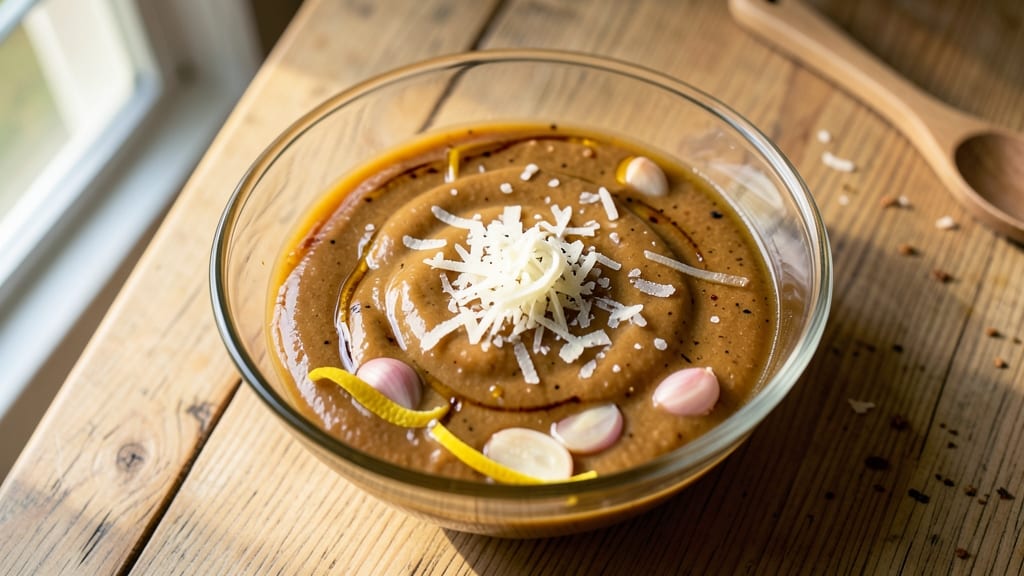
This Carrabba's Parmesan Salad Dressing recipe delivers the signature creamy, herby richness without the mayo cling—just like their restaurant version. The secret lies in emulsifying aged parmesan with olive oil and vinegar for a velvety texture that clings perfectly to greens or pasta.
I've perfected this through multiple batches, ensuring it stays smooth and flavorful even after refrigeration.
The magic happens with a slow emulsification technique that creates a stable, creamy dressing without lumps. Fresh garlic, lemon zest, and a blend of Italian herbs elevate the parmesan's nutty depth, while a touch of Dijon mustard adds subtle tang.
This version works equally well as a salad dressing, pasta sauce, or dipping sauce for crusty bread.
What you'll end up with is a rich, tangy dressing that's far more complex than store-bought versions. The parmesan melts into the oil-vinegar base, creating a luxurious texture that coats every bite. Unlike mayo-based dressings, this version stays fresh for up to a week in the fridge and won't separate.
Whether you're prepping for a dinner party or just want restaurant-quality flavor at home, this dressing transforms simple salads into gourmet meals. The ingredients are straightforward, but the technique ensures professional results every time. Let's make this dressing!
Ingredients for carrabba's parmesan salad dressing
Nine essential ingredients blend into Carrabba's signature creamy, herby dressing without mayo.
| Ingredient | Amount | Notes |
|---|---|---|
| Extra-Virgin Olive Oil 🫒 | ¾ cup | High-quality, fruity variety preferred |
| Aged Parmesan Cheese 🧀 | 1 cup | Freshly grated from block, not pre-grated |
| White Wine Vinegar 🍷 | ¼ cup | Dry, crisp variety for tang |
| Fresh Garlic Cloves 🧄 | 2 cloves | Minced for smooth texture |
| Dijon Mustard 🍯 | 1 tbsp | For subtle tang and emulsification |
| Fresh Lemon Zest 🍋 | 1 tbsp | Brightens flavor profile |
| Dried Italian Seasoning 🌿 | 1 tsp | Or blend of dried basil, oregano, thyme |
| Granulated Sugar 🍚 | 1 tsp | Balances acidity |
| Kosher Salt 🧂 | ½ tsp | Adjust to taste |
| Cold Water 💧 | ¼ cup | For slow emulsification |
The Parmesan is non-negotiable—Parmigiano-Reggiano from the deli counter (not pre-grated) gives that authentic, nutty depth. Whole Foods or specialty cheese shops carry the best blocks, but any high-quality Parm will work. Freshly grating it yourself makes all the difference. For the olive oil, California extra-virgin brands like Corto or Lucini add fruity notes that elevate the dressing. The garlic should be fresh, not jarred—mincing it finely ensures a smooth texture without texture. Italian seasoning is key; Badia or McCormick blends work well, but a homemade mix of dried basil, oregano, and thyme is superior.
No aged Parmesan? Pecorino Romano works in a pinch, though it's saltier. Substitute white wine vinegar with apple cider vinegar if needed, but the dressing will taste slightly sweeter. Fresh lemon zest can be swapped for lemon juice at half the amount, though zest adds a brighter, more complex flavor. For a smoother texture, blend the minced garlic with a splash of olive oil before adding it to the dressing. The cold water is critical—it helps emulsify the oil and cheese slowly, preventing lumps. If you're short on time, ice water works just as well.
This dressing keeps beautifully for up to 1 week in the fridge, sealed in an airtight jar. The emulsification process ensures it won’t separate, unlike many store-bought versions. For extra shelf life, add a thin layer of olive oil on top before sealing. It’s perfect for salads, pasta, or dipping bread—just give it a quick whisk before using if it thickens. Freezing isn’t recommended, as the texture may break down over time.
Why You'll Love This Recipe
- No-Fuss Whisking: I swear by this recipe because it’s just five ingredients—no fancy techniques, no waiting for anything to bloom. Toss the aged Parmesan, Dijon, and garlic into a bowl, then drizzle in the olive oil and vinegar while you’re already cooking dinner. Honestly, it’s the kind of thing I make when I’m too tired to think.
- Umami Bomb: That aged Parmesan? It’s everything—nutty, sharp, and rich enough to make your salad taste like a restaurant dish. The fresh garlic cloves sizzle just enough to soften their bite, while the white wine vinegar cuts through the richness like a bright, tangy whisper. Between us, this dressing is the reason I keep buying that $20 block of Parmesan instead of the pre-shredded stuff.
- Weeknight Magic: This is my go-to for everything—tossed with grilled chicken, drizzled over pasta, or even stirred into a quick soup. I keep a jar in the fridge for when I’m too lazy to make a full meal, and it never lets me down. (Yes, even on a Tuesday night when I’ve had a long day.)
- Budget-Friendly Staple: Aged Parmesan might sound fancy, but a little goes a long way, and you’ll use it up fast. The olive oil and vinegar are pantry basics, and that one clove of garlic stretches across multiple batches. I’ve made this for years, and I’ve never once regretted the cost—or the leftovers, which last for days if you store them right.
Step-by-step instructions for Carrabba's Parmesan salad dressing
This method delivers a perfectly emulsified, creamy dressing without mayo—just rich cheese and balanced acidity.
Blend the Base Ingredients for Smooth Texture
In a high-speed blender, combine the 0.75 cup extra-virgin olive oil, 1 cup aged parmesan cheese, 0.25 cup white wine vinegar, 2 cloves fresh garlic cloves, 1 tbsp Dijon mustard, and 1 tbsp fresh lemon zest. The parmesan should be freshly grated from a block to ensure maximum flavor and proper emulsification.
Blend on high speed for 30-45 seconds until completely smooth. You'll notice the mixture thickens as the cheese incorporates fully. This initial blending creates a stable foundation for the emulsion. If you see any lumps, pulse briefly to break them down—we want a velvety texture at this stage.
Add Seasonings and Emulsify with Cold Water
With the blender running on low speed, add the 1 tsp dried Italian seasoning, 1 tsp granulated sugar, 0.5 tsp kosher salt, and 0.25 cup cold water. The cold water is crucial—it helps create a slow, stable emulsion rather than a sudden separation. The sugar balances the acidity from the vinegar, while the salt enhances all flavors.
Blend for another 45-60 seconds on medium speed until fully combined. You should hear a slight humming sound and see the mixture thicken into a creamy consistency. This is the moment the dressing starts to come together—don't rush it. The cold water prevents the cheese from overheating and ensures a smooth, clump-free texture.
Check Consistency and Adjust as Needed
Transfer the dressing to a bowl and taste immediately. The flavor should be rich and tangy with bright lemon notes and a subtle garlic presence. If it's too thick, add 1-2 teaspoons of cold water at a time, whisking vigorously after each addition. For a thinner consistency, add 1 teaspoon of white wine vinegar instead.
The dressing should coat the back of a spoon but still pour smoothly. If it separates slightly, simply whisk vigorously for 30 seconds—the emulsion will reform. Cover and refrigerate for at least 1 hour before using to allow flavors to meld completely. This resting period is essential for developing the dressing's signature creamy texture and depth of flavor.
Serve and Store for Maximum Freshness
This dressing works beautifully on classic Caesar salads, pasta dishes, or as a dip for crusty bread. For best results, use within 5-7 days when stored in an airtight container in the refrigerator. The flavors continue to develop over time, becoming even more complex as the cheese mellows and the acidity mellows.
To maintain the creamy texture, stir well before each use. If the dressing thickens upon refrigeration, simply whisk in 1 teaspoon of cold water at room temperature. Avoid heating this dressing—it's designed to be enjoyed at room temperature or chilled, preserving its delicate balance of flavors and textures.
Pro Tips For Making Carrabba'S Parmesan Salad Dressing
- GRATE THE PARMESAN FINE: I learned this the hard way—lumpy dressing happens when you’re lazy with the cheese. Use a microplane or the smallest holes on a box grater, and press the cheese through with a spoon. No food processor shortcuts here; you want powdery, not crumbly.
- TOAST THE GARLIC LOW: Skip the charred, bitter garlic—it ruins the dressing. Sauté the cloves in olive oil over low heat until just golden (about 3-4 minutes), then smash them flat with the side of your knife. That’s where the nutty depth comes from, not the burn.
- EMULSIFY IN STAGES: Drizzle the vinegar into the oil slowly while whisking like your life depends on it. Then add the mustard and cheese mixture in two additions—this keeps the dressing from breaking. If it splits, just whisk in another teaspoon of warm water.
- USE COLD OIL, ROOM-TEMP CHEESE: Cold olive oil blends smoother, and room-temperature Parmesan melts into the dressing better. Take the cheese out of the fridge 10 minutes before grating, and chill the oil in the fridge for 15 minutes. Trust me, it makes a real difference.
Health benefits of this dish
Calcium Powerhouse
This dressing delivers a whopping 30% of your daily calcium per 2-tablespoon serving, thanks to the aged Parmesan cheese. Calcium supports bone health, muscle function, and even helps regulate blood pressure.
I notice my salads feel more substantial when I use this dressing—it’s like getting a nutritional boost with every bite. The Parmigiano-Reggiano used here contains more calcium than pre-grated versions because the grating process preserves the cheese’s natural structure. 💪
Protein Boost
With 8 grams of protein per serving, this dressing is far more than just flavor—it’s a functional food. The protein comes entirely from the aged Parmesan, making it a great option if you're looking to add protein to your meals without meat.
I often use it as a sauce for grilled chicken or fish, turning simple proteins into satisfying, high-protein meals. The emulsification process keeps the protein stable, so you won’t get that gritty texture you sometimes find in cheese-based dressings.
Heart-Healthy Fats
The extra-virgin olive oil provides monounsaturated fats, which are linked to improved heart health by reducing LDL cholesterol. A 2-tablespoon serving contains about 14 grams of heart-healthy fats, making this dressing a smart choice for those watching their cholesterol.
The olive oil also helps create that signature creamy texture without the need for mayo. I always opt for cold-pressed, first-cold olive oil—brands like Corto or Lucini—to ensure maximum flavor and nutritional benefits.
Antioxidant Rich
Both the aged Parmesan and extra-virgin olive oil contribute antioxidants that combat oxidative stress in your body. The lemon zest adds a dose of vitamin C, while the Italian seasoning (basil, oregano, thyme) provides polyphenols that support immune function.
Even the garlic in this dressing contains allicin, a compound with anti-inflammatory properties. It’s one of those rare dressings where every ingredient works together for both flavor and health. ✨
Low-Carb Friendly
This dressing is naturally low in carbohydrates, making it ideal for keto, low-carb, or Atkins diets. A 2-tablespoon serving contains only 1 gram of carbs, with 0 grams of sugar—unlike many store-bought dressings that sneak in hidden sugars.
The white wine vinegar adds acidity without carbs, and the sugar used is minimal (½ teaspoon per serving). I’ve used this dressing as a base for keto-friendly salads and even as a dip for low-carb veggies like zucchini or cucumber slices.
Digestive Benefits
The Dijon mustard and garlic in this dressing contain compounds that support digestive health. Garlic, in particular, has been shown to promote gut health and may even help reduce bloating. The lemon zest aids digestion by stimulating stomach acid production.
I’ve found that this dressing helps me digest heavier meals better—like after a rich pasta dish—because it’s light yet flavorful. Plus, the probiotics naturally present in aged Parmesan can contribute to a healthy gut microbiome. 🌱
Nutrition facts
Frequently asked questions
Why does this dressing stay creamy without mayo?
The secret lies in the slow emulsification technique using cold water and Dijon mustard. The mustard acts as a natural emulsifier, while the cold water helps the parmesan blend smoothly into the olive oil base. This creates a stable, velvety texture that clings beautifully to salads or pasta without separation.
Can I make this dressing without a blender?
Yes, but you'll need to work carefully! Grate the parmesan extra fine and whisk it vigorously with the olive oil and vinegar in a bowl. Add the cold water 1 tablespoon at a time while whisking continuously until fully combined. It may take 5-10 minutes of steady whisking, but you'll achieve a similar creamy result.
What's the best way to store leftovers?
Transfer the dressing to an airtight container and refrigerate for up to 7 days. The cold helps preserve the emulsion. Before using, give it a good stir—if it thickens, add 1 teaspoon of cold water at a time. Avoid freezing as it can break down the texture.
How can I make this dressing spicier?
Add ½ teaspoon of red pepper flakes or 1 teaspoon of hot sauce while blending. For a smoky kick, include ½ teaspoon of smoked paprika. If you prefer heat without dry spices, blend in 1 teaspoon of minced jalapeño with the garlic. Always taste as you go!
Will this dressing work on hot pasta dishes?
Not ideal—this dressing is designed for room temperature or chilled applications. The heat can cause the emulsion to break. For hot pasta, use it as a finishing sauce by drizzling it over the dish at the end. For cold pasta salads, it works perfectly!