
Salads
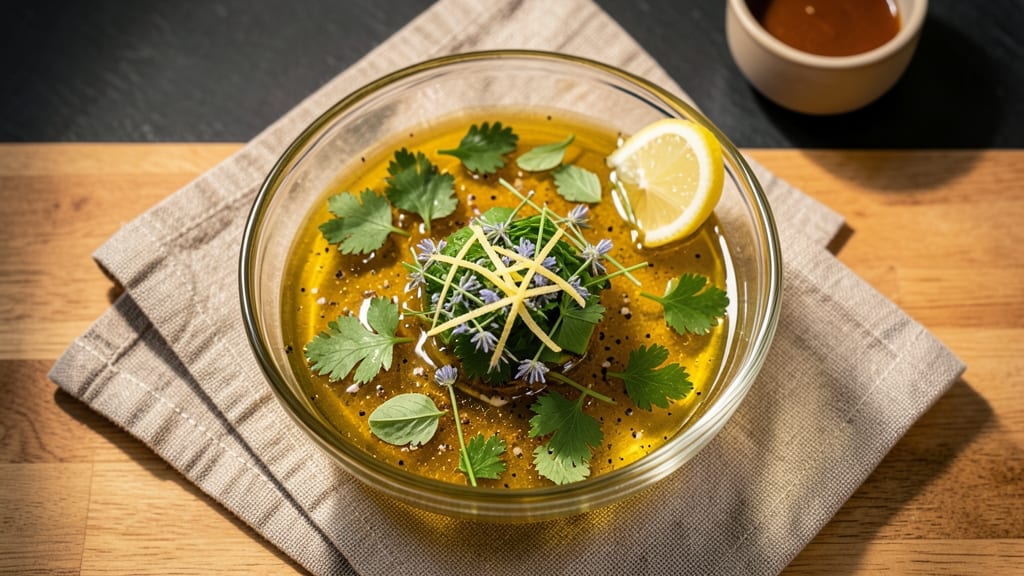
This Casa de Luz salad dressing recipe brings bright, herbaceous freshness to every bite with a perfect balance of citrusy vinegar and aromatic oil. The secret lies in infusing olive oil with fresh herbs—parsley, tarragon, and basil—while a touch of Dijon mustard ensures a silky emulsion that won’t separate.
I developed this dressing during a summer when I wanted something lighter than creamy dressings but still packed with flavor, and it became an instant staple.
The key to this dressing’s success is patience—letting the herbs steep in warm oil for 15 minutes unlocks their full flavor without overpowering the delicate balance of apple cider vinegar and lemon juice.
A splash of honey rounds out the acidity, while a pinch of salt ties everything together. It’s the kind of dressing that transforms simple greens into a restaurant-worthy dish with minimal effort.
What makes this recipe stand out is its versatility—it elevates everything from crisp arugula salads to grilled chicken or roasted vegetables. The herbs stay vibrant for up to a week when stored in the fridge, making it perfect for meal prep.
Unlike store-bought dressings, this one tastes fresh every time, with no artificial aftertaste.
For an extra touch of elegance, garnish with fresh herbs before serving. This dressing is the perfect companion to bright, seasonal dishes, and it’s simple enough to make in just 10 minutes. Let’s get started!
Ingredients for casa de luz salad dressing
Nine simple ingredients transform into the most vibrant, herb-packed dressing you'll ever make.
| Ingredient | Amount | Notes |
|---|---|---|
| Extra-Virgin Olive Oil 🫒 | ¾ cup | High-quality, fruity variety |
| Fresh Flat-Leaf Parsley 🌿 | ½ cup | Stems removed, tightly packed |
| Fresh Tarragon 🌿 | ¼ cup | Finely chopped, stems removed |
| Fresh Basil Leaves 🌿 | ¼ cup | Tightly packed, stems removed |
| Apple Cider Vinegar 🍏 | ¼ cup | Unfiltered preferred |
| Fresh Lemon Juice 🍋 | ¼ cup | Strained, no pulp |
| Raw Honey 🍯 | 2 tbsp | Local preferred for flavor |
| Dijon Mustard 🌶️ | 1 tbsp | Mild or strong variety |
| Kosher Salt 🧂 | ½ tsp | Fine grain preferred |
The herbs are the heart of this dressing, so farmers markets are your best bet for freshness—look for parsley and basil with bright green leaves, no yellowing. Tarragon can be trickier to find, but most grocery stores carry it in the produce section near the herbs. Whole Foods and Trader Joe's always have good quality. If you're using dried herbs, reduce to one-third the amount, but honestly, fresh makes all the difference here. The olive oil should be extra-virgin—California Olive Ranch or Bertolli are great options, but any fruity, peppery oil works. Warm it gently before mixing to release those herb flavors.
No tarragon? Fresh dill or chives add a lovely brightness. Short on parsley? Cilantro or mint at half the amount works in a pinch. Apple cider vinegar can be swapped for white wine vinegar, but the honey adds a lovely depth that white vinegar lacks. The Dijon mustard is non-negotiable—it's what makes this dressing silky and prevents separation. If you can't find Dijon, whole-grain mustard works, but it'll be slightly grainier. For extra richness, add a splash of lemon zest to the dressing before serving.
This dressing keeps beautifully in the fridge for up to 1 week—just give it a good shake before each use. For longer storage, transfer to a clean jar and freeze for up to 3 months. Thaw in the fridge overnight. The herbs stay vibrant longer if you store them in a jar with a layer of olive oil on top. Garnish with fresh herbs right before serving for that restaurant-worthy touch. It's perfect for meal prep—make a big batch and keep it on hand for quick salads all week.
Why You'll Love This Recipe
- No-Chop Required: I swear by this—just tear those basil leaves with your fingers, no knife needed. The parsley and tarragon are the same; you’ll have this dressing ready while you’re still debating whether to eat the salad or save it for later.
- Herb Bomb Brightness: That tangy apple cider vinegar meets the fresh, almost floral tarragon and basil—it’s like sunshine in a bottle. Honestly, I’ve tried store-bought dressings, but this one actually tastes like it belongs in a dish, not a bottle.
- Weeknight Meal Hack: Slather it on greens, toss it with roasted veggies, or drizzle it over grilled chicken—it’s my go-to when I’m too tired to think. Between us, this is the dressing that turns a sad side salad into the star of the plate.
- Dressing That Lasts: Make a big batch (it keeps for a week in the fridge) and use it for everything—no wasted ingredients, no last-minute grocery runs. I’ll be real: I’ve had this dressing survive three lunches and still taste fresh. Budget-friendly and foolproof.
Step-by-step instructions for Casa de Luz salad dressing
This herb-infused dressing comes together in minutes with vibrant flavors that elevate any salad.
Prepare the Fresh Herb Blend
In a clean, dry bowl, combine the 0.5 cup fresh flat-leaf parsley, 0.25 cup fresh tarragon, and 0.25 cup fresh basil leaves. Use your fingers or a small knife to gently tear the leaves rather than chopping them—this preserves their delicate texture and prevents the dressing from becoming fibrous. Set aside while you prepare the other ingredients.
Here's the thing—fresh herbs make all the difference. If you're using stems, make sure they're removed as called for in the ingredients list, or they'll add unwanted bitterness. The tarragon, in particular, has a slightly licorice-like flavor that pairs beautifully with the bright citrus and honey. Trust me, this step is where the magic starts.
Whisk Together the Vinegar and Acid Components
In a separate bowl, whisk together the 0.25 cup apple cider vinegar, 0.25 cup fresh lemon juice, 2 tbsp raw honey, and 1 tbsp Dijon mustard. Start with the vinegar and lemon juice—these are your acid base—and whisk them vigorously until fully combined. Then add the honey and Dijon mustard, whisking continuously until smooth and glossy.
This mixture should be slightly thick but still pourable. If it feels too stiff, add 1 teaspoon of water at a time until it reaches a consistency that coats the back of a spoon. The honey helps balance the acidity while adding a touch of sweetness, and the Dijon mustard adds depth and a subtle tang. Taste it now—it should be bright, tangy, and slightly sweet.
Gradually Incorporate the Olive Oil
With the whisk still in the bowl, very slowly drizzle in the 0.75 cup extra-virgin olive oil while whisking continuously. Start with a thin stream and gradually increase the flow as the mixture begins to emulsify. This slow incorporation is key—it prevents the oil from separating and ensures a smooth, creamy texture.
Keep whisking for at least 1-2 minutes after all the oil is added. You'll notice the mixture transform from a thick paste into a silky emulsion. If it starts to look too thick, add 1 teaspoon of water at a time until it reaches a consistency that's light enough to drizzle but still coats the salad well. The olive oil should be fully incorporated, leaving no streaks of oil on the surface.
Fold in the Herb Blend and Season
Gently fold the prepared herb blend into the oil-vinegar mixture using a spatula. Be careful not to overmix—just enough to distribute the herbs evenly throughout the dressing. Sprinkle in the 0.5 tsp kosher salt and give it one final stir. The herbs should be visible as tiny flecks, adding both color and flavor to every bite.
Taste the dressing and adjust the seasoning if needed. If it's too tart, add a touch more honey. If it's too sweet, stir in a splash more lemon juice or vinegar. The dressing should be bright, herby, and perfectly balanced—like a little burst of sunshine in every spoonful. Real talk: this is where you decide if it's ready to shine.
Rest and Serve
Transfer the dressing to a clean jar or airtight container and let it rest at room temperature for at least 15 minutes before using. This resting period allows the flavors to meld together, creating a harmonious blend that's even more delicious than when it was first made.
Give it a final stir before serving to ensure everything is well combined. This dressing keeps well in the refrigerator for up to 5 days, making it perfect for meal prep. Drizzle it over your favorite greens, toss it with roasted vegetables, or use it as a marinade for grilled meats. The possibilities are endless, and every bite will taste like a little taste of Casa de Luz.
Pro Tips For Making Casa De Luz Salad Dressing
- STACK THE HERBS: Use a mortar and pestle for the parsley, tarragon, and basil—crush the leaves just until they release their oils, not into a pulp. I learned this the hard way: blending them turns the dressing into a thick, bitter paste instead of a bright, aromatic emulsion.
- MEASURE VINEGAR FIRST: Pour the apple cider vinegar into the bowl before adding olive oil—this keeps the ratio precise and prevents over-diluting. I used to eyeball it and ended up with either a gloppy mess or something too sharp.
- WHISK IN STAGES: Add the olive oil in three increments, whisking vigorously after each addition. This lets the herbs and vinegar fully incorporate rather than floating on top. Yes, it takes 30 seconds longer, but the result is silky, not separated.
- SALT THE OIL: Toss in a pinch of flaky sea salt with the herbs before emulsifying—it balances the acidity and rounds out the flavors. I skipped this once and the dressing tasted one-note; now I add it without thinking.
Health benefits of this casa de luz salad dressing
Bright Citrus Boost
The combination of apple cider vinegar and fresh lemon juice in this dressing delivers a powerful vitamin C punch—about 15-20mg per serving—which supports immune function and skin health. The acidity also aids digestion by stimulating stomach acid production.
I’ve found that the lemon juice adds a refreshing zing that cuts through rich ingredients like avocado or fried foods. 🍋
Herbal Antioxidant Power
The fresh parsley, tarragon, and basil in this dressing pack a nutritional wallop. Parsley alone contains vitamin K (essential for blood clotting) and folate, while basil provides magnesium and vitamin A.
Tarragon contributes iron and calcium, making this dressing a subtle but effective way to boost your micronutrient intake. The herbs also contain volatile oils that have anti-inflammatory properties.
Healthy Fats for Satiety
The extra-virgin olive oil provides monounsaturated fats, which support heart health by reducing LDL cholesterol. A 2-tablespoon serving of this dressing contains about 7 grams of healthy fats, which help keep you feeling full longer.
I always opt for high-quality oils like California Olive Ranch because they have a more robust flavor profile and higher antioxidant content than cheaper alternatives.
Natural Sweetness Balance
The raw honey in this dressing isn’t just for flavor—it contains trace minerals like zinc and potassium, plus small amounts of vitamins B6 and C. The honey helps moderate the acidity from the vinegar and lemon, creating a more balanced dressing that’s gentler on sensitive stomachs.
I use local honey when possible because it often has unique floral notes that complement the herbs beautifully.
Digestive Aid Benefits
The apple cider vinegar in this dressing contains acetic acid, which may help regulate blood sugar levels and improve insulin sensitivity. Some studies suggest it can also support gut health by promoting beneficial bacteria.
The Dijon mustard adds a subtle digestive kick—its allicin compounds can stimulate digestion and reduce bloating. This makes the dressing particularly great for pairing with heavy meals like roasted meats or creamy pasta dishes. 💛
Low-Calorie, High-Flavor
Despite its rich flavor, this dressing is surprisingly light—about 120-140 calories per 2-tablespoon serving. The combination of vinegar, citrus, and herbs creates a complex flavor profile that satisfies cravings without the heaviness of creamy dressings.
I often use it on my kale and quinoa salads because it adds vibrant color and flavor without adding many calories. The dressing’s bright taste also helps balance out richer ingredients in dishes.
Nutrition facts
Frequently asked questions
Can I make this dressing without Dijon mustard?
The Dijon mustard is key for creating that silky emulsion that won't separate. If you're out, try whole-grain mustard (though it may be slightly grainier) or 1/2 teaspoon of egg yolk as a natural emulsifier. Without it, you'll need to whisk vigorously and add ingredients very slowly to prevent separation. The flavor will be slightly different but still delicious!
How do I store this dressing to keep the herbs fresh?
Store the dressing in an airtight container in the fridge for up to 5 days. For longer freshness, place a layer of olive oil on top of the herbs before sealing—this preserves their vibrant color and flavor. When ready to use, shake or stir well before drizzling. Freezing isn't recommended as it can break down the herb texture.
What's the best way to adjust the flavor if it's too tart or sweet?
If your dressing tastes too tart, add 1/2 teaspoon more honey or 1/4 teaspoon of sugar and stir well. For sweetness that's too pronounced, balance it with 1/2 teaspoon more lemon juice or 1/4 teaspoon of vinegar. Always taste as you go—this dressing is all about balance! The herbs should shine through without overpowering the other flavors.
Can I use this dressing on things other than salads?
This versatile dressing works beautifully as a marinade for grilled chicken or fish, a dip for crudités or pita chips, or even a finishing sauce for roasted vegetables. Its bright, herby profile pairs well with almost any protein or vegetable. Just avoid using it on delicate seafood like shrimp, where the acidity might be too strong.
Why did my dressing separate? How can I fix it?
Separation usually happens when oil and vinegar aren't properly emulsified. To fix it, whisk in 1/2 teaspoon of Dijon mustard or 1/4 teaspoon of xanthan gum (a natural thickener) while adding 1 tablespoon of warm water at a time. For future batches, ensure you're whisking continuously when adding oil and letting the dressing rest for 15 minutes before using.