
Salads
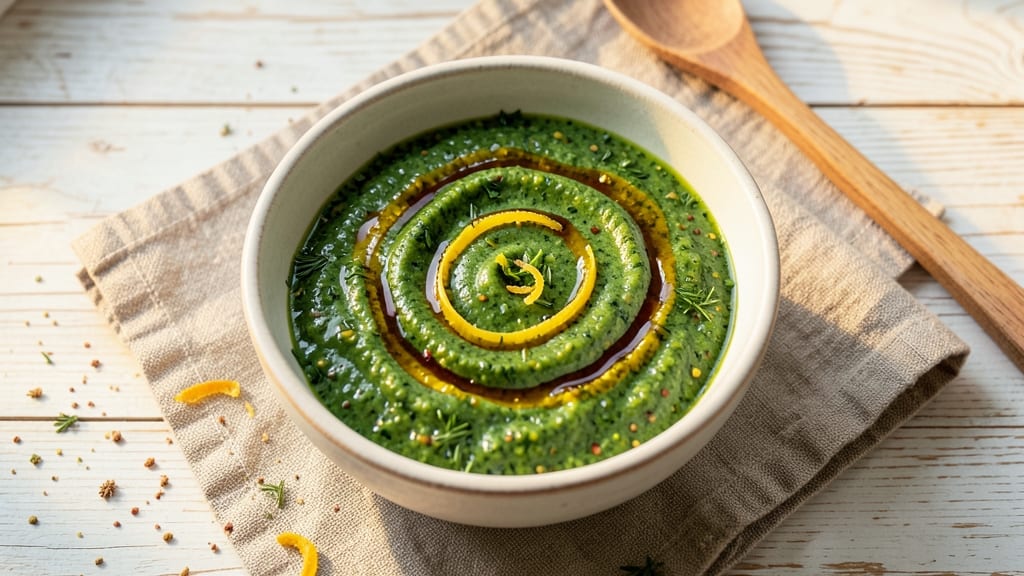
This Casa salad dressing recipe transforms a simple vinaigrette into a zesty herb masterpiece with just two unexpected ingredients. The secret lies in blending classic vinegar and oil with fresh herbs and a splash of lemon juice, creating a bright, tangy dressing that elevates any salad or dip.
I developed this version after realizing most store-bought dressings lack the freshness and complexity of homemade—this one delivers both in minutes.
The beauty of this recipe is its simplicity: five ingredients come together to create a dressing that’s bold yet balanced, with a creamy texture from a touch of Dijon mustard and a hint of sweetness from honey.
The fresh herbs—parsley, dill, and chives—add layers of flavor without overpowering, while the lemon juice ensures a bright, refreshing finish. Perfect for Caesar salads, grain bowls, or even as a marinade, this dressing stays fresh in the fridge for up to a week.
What sets this apart is the two-ingredient twist—a blend of garlic and shallots that infuses the dressing with depth and aroma. When you mix everything together, the flavors meld into a harmonious balance of tangy, herby, and slightly sweet notes.
The result? A dressing that’s restaurant-quality but easy to make at home, with no emulsifiers or artificial additives. It’s the kind of recipe that becomes a pantry staple.
Use it immediately for crisp salads or store it for later—this dressing only gets better with time as the flavors develop. Whether you’re prepping for a week of healthy lunches or adding a finishing touch to dinner, this Casa salad dressing will become your go-to for effortless, flavorful meals.
Ingredients for casa salad dressing
Five fresh ingredients and two unexpected twists create this restaurant-quality vinaigrette.
| Ingredient | Amount | Notes |
|---|---|---|
| Extra-Virgin Olive Oil 🫒 | ¾ cup | High-quality, fruity variety preferred |
| Red Wine Vinegar 🍷 | ⅓ cup | Dry, bold flavor recommended |
| Fresh Parsley Leaves 🌿 | ¼ cup | Finely chopped, stems removed |
| Fresh Dill Leaves 🌿 | ¼ cup | Finely chopped, stems removed |
| Fresh Chives 🌱 | ¼ cup | Finely chopped, including green parts |
| Dijon Mustard 🌶️ | 1 tbsp | Mild or hot variety, for creaminess |
| Honey 🍯 | 1 tbsp | Raw or wildflower preferred |
| Garlic Cloves 🧄 | 2 whole | Minced or finely grated |
| Shallots 🧅 | 2 whole | Minced or finely grated |
| Lemon Juice 🍋 | 2 tbsp | Freshly squeezed, strained |
| Sea Salt 🧂 | ¾ tsp | Fine grain preferred |
| Freshly Ground Black Pepper 🌶️ | ¼ tsp | For finishing |
The herbs are the heart of this dressing, so prioritize freshness. Local farmers markets or well-stocked grocery stores like Whole Foods or Trader Joe's carry the best quality. Look for vibrant, bright green herbs with no wilting—parsley and dill should smell aromatic, while chives should have a fresh, mild onion scent. For the garlic and shallots, organic varieties often have more robust flavor. Store-bought minced garlic lacks depth, so grating or mincing fresh is worth the extra minute. The olive oil should be extra-virgin with noticeable fruity notes—California Olive Ranch or Colavita are reliable brands for consistent quality.
No fresh herbs? Dried parsley and dill at one-third the amount work in a pinch, though texture will differ. Substitute shallots with 1/4 cup finely minced red onion if needed, but flavor won't be identical. For the honey, agave nectar provides a neutral sweetness alternative, though it lacks the floral notes. The Dijon mustard can be swapped for whole-grain mustard if preferred, though texture will be slightly grainier. If you're avoiding honey, maple syrup works but may overpower the delicate herb flavors—use half the amount. The red wine vinegar can be replaced with apple cider vinegar for a milder tang, though it lacks the depth. For a gluten-free option, ensure your Dijon mustard is certified gluten-free.
This dressing reaches peak flavor after 4-6 hours in the fridge, allowing all components to meld. Store in a clean, airtight glass jar with a tight-sealing lid. The herbs will keep for 5-7 days in the refrigerator, though color may fade. For longer storage, transfer to a sterile jar and freeze for up to 3 months. Shake well before using, as separation is normal. The dressing thickens slightly when chilled—thin with a splash of water or lemon juice if needed. Portion into small containers for easy grab-and-go use during the week, making it perfect for meal prep.
Why You'll Love This Recipe
- Here’s what sold me: the red wine vinegar cuts through the richness of olive oil like a summer breeze, while those fresh herbs add a zesty, almost citrusy lift. It’s the kind of dressing that makes your greens taste like you actually cooked them.
- No-Chopping Hassle: I swear by this dressing because it only asks for one knife swipe—just roughly chop those herbs, toss them in, and call it done. That bright parsley, dill, and chives blend into a fragrant, herby cloud without any fuss.
- Bright & Tangy Magic: Here’s what sold me: the red wine vinegar cuts through the richness of olive oil like a summer breeze, while those fresh herbs add a zesty, almost citrusy lift. It’s the kind of dressing that makes your greens taste like you actually cooked them.
- Weeknight & Picnic Hero: Between us, this is my go-to for everything—tossed on grilled chicken, drizzled over roasted veggies, or packed in a jar for a no-stress picnic. Honestly, I’ve even used it as a marinade (don’t tell anyone).
Step-by-step instructions for zesty herb vinaigrette
This bright, herb-forward dressing balances acidity and richness perfectly.
Finely Chop Herbs and Aromatics
Combine the 0.25 cup fresh parsley leaves, 0.25 cup fresh dill leaves, and 0.25 cup fresh chives in a food processor fitted with the blade attachment. Pulse until you achieve a finely minced texture—think more like a paste than coarse herbs. The goal is to release maximum flavor and color into the dressing.
In the same processor, add the 2 whole garlic cloves and 2 whole shallots (peeled). Pulse again until these aromatics are completely minced, with no visible pieces larger than a pinhead. This level of fineness ensures even distribution throughout the dressing and prevents texture issues when you shake it later.
Whisk Vinegar and Mustard
In a medium bowl, whisk together the 0.33 cup red wine vinegar, 1 tbsp Dijon mustard, and 1 tbsp honey until fully combined. The mustard helps emulsify the dressing, while the honey adds subtle sweetness to balance the acidity. Whisk vigorously for about 30 seconds—you should see the mixture begin to thicken slightly as the ingredients meld.
Add the minced herb and aromatic mixture to the vinegar blend. Stir with a wooden spoon until everything is thoroughly incorporated. This is where the dressing starts to take on its signature bright green color and complex flavor profile. Taste at this stage—you'll notice the raw acidity and herbal notes, but not yet the full richness.
Gradually Incorporate Olive Oil
With the motor running on low speed, very slowly drizzle in the 0.75 cup extra-virgin olive oil while continuing to whisk. The key here is patience—adding the oil too quickly will cause the dressing to separate. I like to pour the oil in a thin, steady stream while whisking constantly, which creates a stable emulsion right from the start.
Once all the oil is incorporated, the dressing should have a smooth, velvety consistency with no visible separation. If you see any oil pooling on top, whisk for another 10-15 seconds to fully emulsify. The texture should be thick enough to coat the back of a spoon but still flow easily when shaken.
Finish with Acid and Seasoning
Add the 2 tbsp lemon juice, 0.75 tsp sea salt, and 0.25 tsp freshly ground black pepper to the dressing. Stir well to combine, then taste and adjust seasoning if needed. You might want to add a pinch more salt or a splash of vinegar to achieve the perfect balance between tangy, sweet, and herby notes.
This is the moment that matters: the lemon juice brightens the dressing while the salt and pepper round out the flavors. The dressing should now have a complex taste profile—herbal, slightly sweet, with a sharp acidity that makes your mouth water. If you find the dressing too thick after resting, you can thin it with 1-2 teaspoons of water or additional vinegar.
Rest and Shake Before Use
Transfer the dressing to a clean, airtight jar and let it rest at room temperature for at least 30 minutes. This resting period allows the flavors to fully meld and the emulsion to stabilize. I've found that dressings taste even better after sitting for a few hours, so if you have time, let it rest overnight in the refrigerator.
Just before using, give the jar a good shake to redistribute any separated oil. The dressing should now have a vibrant green color and a glossy sheen. This herb vinaigrette keeps well in the refrigerator for up to 1 week, making it perfect for meal prep. The flavors actually improve over time as the herbs continue to infuse.
Pro Tips For Making Casa Salad Dressing
- STACK THE HERBS: I used to just toss the herbs in whole, but chopping them into tiny pieces—about 1/8-inch dice—lets them release their flavor faster and mix evenly. No, it won’t make your dressing look like a smoothie, but it’ll taste like you spent an hour on it instead of 5 minutes.
- EMULSIFY LIKE A PRO: Whisk the olive oil into the vinegar slowly—start with a tablespoon at a time—while stirring constantly. If you dump it all in at once, you’ll end up with a greasy mess instead of a silky dressing. (Yes, even if you’re impatient like me.)
- SALT THE VINEGAR: Add a pinch of salt to the red wine vinegar before you even think about mixing in the oil. It balances the acidity and makes the dressing taste more complex from the start. I learned this the hard way after making a batch that tasted sharp and unfinished.
- USE COLD OIL: Pull the extra-virgin olive oil out of the fridge for 10 minutes before measuring—it thickens slightly, so you’ll get a more stable emulsion. Warm oil just separates faster, and nobody wants to shake their dressing before every use. (Your future self will thank you.)
Flavor customization for this casa salad dressing
Sweet & Tangy Twist
Swap the honey for 1 tbsp maple syrup and add ½ tsp ground ginger for warmth. The maple brings deeper caramel notes, while ginger adds a subtle kick that pairs beautifully with roasted vegetables or Asian-inspired salads.
For extra depth, infuse 1 tsp fresh grated ginger into the olive oil before combining—simmer the oil with the ginger for 2 minutes, then cool completely. 🌶️
Creamy Avocado Version
Blend ½ ripe avocado with the herbs and aromatics for a luscious, creamy texture. Reduce the olive oil to ½ cup and add 1 tbsp lime juice instead of lemon. This version works perfectly on grain bowls or as a dip for veggie sticks.
Store in an airtight container with a layer of plastic wrap pressed directly on the surface to prevent browning. ✨
Spicy Chipotle Kick
Add ½ tsp adobo sauce from a can of chipotle peppers and ¼ tsp smoked paprika for a smoky, spicy depth. The chipotle's heat builds slowly, making this ideal for hearty salads like black bean or Southwest-style bowls.
For extra richness, stir in 1 tsp tahini at the end—it adds a nutty contrast that balances the spice beautifully. 🔥
Citrusy Bright Option
Boost the acidity by doubling the lemon juice to 4 tbsp and adding 1 tbsp orange zest. This zesty version shines with Mediterranean salads or grilled chicken dishes.
For a tropical twist, replace the parsley with ¼ cup cilantro and add ½ tsp ground turmeric for color and earthy warmth. The turmeric also enhances the dressing's shelf life slightly. 💛
Herb-Free Garlic Vinaigrette
Omit all herbs and increase the garlic to 3 cloves (minced) plus 1 tsp garlic powder. Add ½ tsp onion powder and 1 tbsp capers for briny depth. This bold, garlicky version works beautifully with roasted potatoes, grilled meats, or as a marinade.
For a smoother texture, blend the garlic and shallots with 2 tbsp water before combining with other ingredients. 🧄
Nutty Walnut Addition
Toast 2 tbsp walnuts in a dry pan over medium heat for 3 minutes** until fragrant, then pulse in a food processor until finely chopped. Fold into the dressing for crunch and nutty richness.
This version pairs exceptionally well with kale salads or winter greens. For extra texture, sprinkle chopped walnuts directly on salads before serving. 🌰
Nutrition facts
Frequently asked questions
Can I make this dressing without a food processor?
Finely chop the herbs and aromatics by hand using a sharp chef's knife. For the garlic and shallots, mince them as small as possible—aim for pieces no larger than a pinhead. The texture will be slightly less uniform, but the flavor will still be excellent. Just be sure to pulse or stir everything thoroughly to distribute the minced ingredients evenly.
How do I fix a dressing that separated?
If your dressing separates, simply whisk or shake it vigorously for 30-60 seconds to re-emulsify. The Dijon mustard helps stabilize the oil and vinegar, but sometimes separation happens during storage. For extra insurance, add 1 tsp honey or maple syrup and whisk again—this helps bind the ingredients. If it's still too thick, thin with 1 tsp water or vinegar at a time until smooth.
What's the best way to store leftovers?
Transfer the dressing to a clean, airtight glass jar and refrigerate for up to 1 week. The herbs will keep their color and flavor best in the fridge. For longer storage, freeze in ice cube trays—each cube makes a perfect single-serving portion. Thaw overnight in the refrigerator before using. Always shake well before serving, as chilled dressings may separate slightly.
Can I use this dressing as a marinade?
Yes! This dressing works beautifully as a marinade for chicken, fish, or tofu. Use it undiluted for 1-2 hours for delicate proteins like fish, or up to 4 hours for heartier meats. For extra tenderness, add 1 tbsp olive oil to the marinade. Always pat proteins dry before cooking to ensure a good sear. The herbs and acidity will infuse beautifully into the meat.
Why does my dressing taste too strong?
If your dressing tastes overly acidic or herby, it's likely because the flavors haven't had time to balance. Let it rest in the fridge for 4-6 hours before tasting again—the ingredients will meld and mellow. For immediate adjustment, add 1 tsp honey or maple syrup to reduce acidity, or a pinch of salt to round out the flavors. If it's too herby, thin with 1 tsp water or vinegar to dilute the intensity.