
Salads
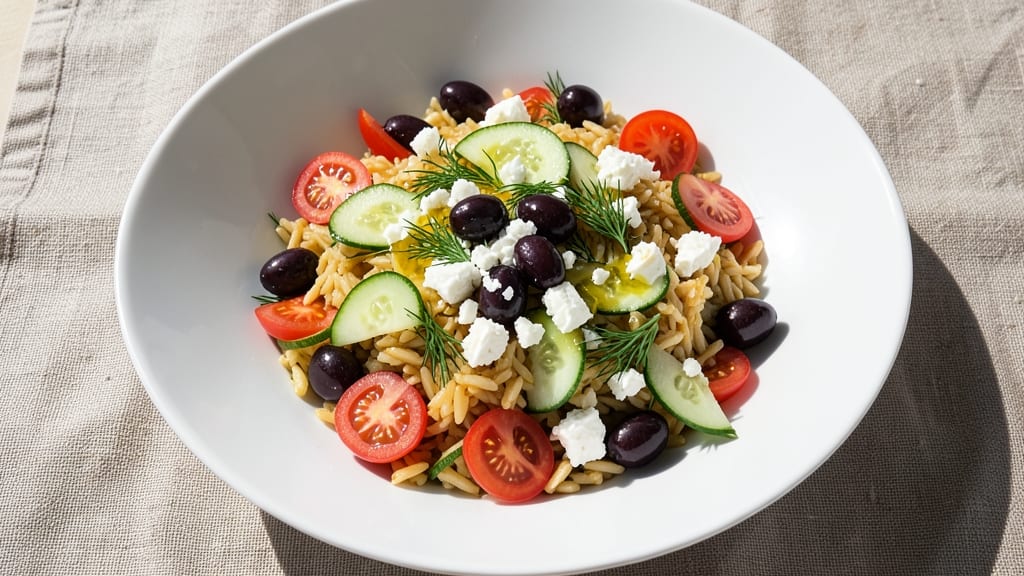
Cavender's Greek pasta salad delivers the perfect balance of bright Mediterranean flavors and hearty textures in every bite. This classic dish transforms simple orzo into a vibrant, al dente base that absorbs a zesty lemon-garlic dressing while staying true to its Greek roots.
The combination of crisp cucumbers, juicy tomatoes, briny olives, and crumbly feta creates a salad that's both satisfying and refreshing—ideal for picnics, potlucks, or weeknight dinners.
The secret to this recipe lies in the dressing, where fresh lemon juice, extra-virgin olive oil, and fragrant oregano create a tangy, aromatic base that enhances every ingredient.
Cooking the orzo until it's just al dente ensures it holds up to the dressing without becoming mushy, while the vegetables are cut into bite-sized pieces for even flavor distribution. This version stays authentic while offering room for customization—add grilled chicken, shrimp, or chickpeas for extra protein.
What you'll end up with is a pasta salad that's vibrant, flavorful, and packed with Mediterranean charm. The bright lemon dressing cuts through the richness of the feta and olives, while the orzo provides a satisfying bite that keeps the dish from feeling too light.
It's the kind of salad that disappears quickly at gatherings but also stands up as a main dish when paired with crusty bread or grilled meats.
Perfect for meal prep and even better the next day, this Greek pasta salad brings restaurant-quality flavors to your kitchen with minimal effort. The ingredients are simple, the technique is straightforward, and the result is a dish that feels both nostalgic and fresh. Let's get started!
Ingredients for cavender's greek pasta salad
Bright Mediterranean flavors start with these simple, quality ingredients for authentic Greek pasta salad.
| Ingredient | Amount | Notes |
|---|---|---|
| Orzo Pasta 🍝 | 1 ½ cups | Uncooked, al dente texture preferred |
| Fresh Cucumber 🥒 | 2 cups | Diced, peeled if preferred |
| Roma Tomatoes 🍅 | 1 ½ cups | Diced, seeds removed |
| Kalamata Olives 🫒 | ¾ cup | Pitted and halved |
| Crumbled Feta Cheese 🧀 | 1 cup | High-quality, crumbled by hand |
| Extra-Virgin Olive Oil 🫒 | ½ cup | Light fruity variety preferred |
| Fresh Lemon Juice 🍋 | ⅓ cup | Freshly squeezed, about 2 lemons |
| Garlic Cloves 🧄 | 3 cloves | Minced, fresh preferred |
| Dried Oregano 🌿 | 1 tsp | Mediterranean blend preferred |
| Salt 🧂 | 1 ½ tsp | Diamond Crystal kosher preferred |
| Black Pepper 🌶️ | ½ tsp | Freshly ground preferred |
| Red Wine Vinegar 🍷 | 1 tbsp | For dressing acidity |
| Fresh Red Onion 🧅 | ¼ cup | Finely diced, white part only |
The orzo is the star—look for short-grain varieties at Whole Foods or Trader Joe's for the best texture. Diamond Crystal kosher salt brings out the pasta's flavor better than table salt, and fresh feta (not the pre-crumbled kind) makes all the difference. For the olives, Kalamata has that perfect briny sweetness—Costco usually carries good-quality jars. The extra-virgin olive oil should be light and fruity; Colavita or Bertolli are solid choices if you're not at a specialty store.
No fresh oregano? Dried works at half the amount, but the flavor won't be as bright. Substituting balsamic vinegar for red wine vinegar adds depth, though it changes the dressing slightly. Want to skip the red onion? Green onions at the same amount give a milder bite. The tomatoes can be any variety, but Roma holds up best to the dressing. For extra protein, grilled chicken or chickpeas work perfectly—just add them after assembling the salad so they stay warm and crisp.
Store the dressing separately if prepping ahead—it keeps for up to 5 days in the fridge. The orzo absorbs the dressing well, but add it just before serving to prevent sogginess. Feta stays fresh for 3-4 days when stored in its original container with a paper towel on top. This salad tastes even better the next day as flavors meld—double the batch for meal prep, and it reheats beautifully for lunches.
Why You'll Love This Recipe
- I swear by this trick: toss in those Kalamata olives straight from the jar and crumble the feta over the top at the end. The olives stay plump, the feta melts into creamy little pockets, and honestly? It takes me all of 90 seconds less prep time than chopping everything.
- No-Cook Add-Ins: I swear by this trick: toss in those Kalamata olives straight from the jar and crumble the feta over the top at the end. The olives stay plump, the feta melts into creamy little pockets, and honestly? It takes me all of 90 seconds less prep time than chopping everything.
- Bright & Tangy: That first bite—cool cucumber, juicy tomatoes, and the briny punch of olives—is like summer in a bowl. The orzo soaks up the lemon-herb dressing just enough to stay tender but still hold its shape, so every spoonful is balanced.
- Potluck Hero: Between us, this is my go-to for any gathering. It’s hearty enough to stand alone but pairs perfectly with grilled chicken or a warm pita. I’ve brought it to BBQs, office parties, and even my mom’s dinner table—no one’s ever sent it back.
Step-by-step instructions for lemon-garlic Greek pasta salad
Here's how to assemble this refreshing dish with perfectly al dente orzo and bright Mediterranean flavors.
Cook the Orzo to Al Dente Perfection
Bring a medium pot of water to a rolling boil and add the 1.5 cups orzo pasta. The water should taste like the sea—generously salt it with 1.5 teaspoons salt before adding the orzo. Stir immediately to prevent sticking, then reduce heat to maintain a gentle simmer.
Cook for 11-12 minutes until the orzo is al dente—you'll know it's ready when it floats to the surface and has a slight bite to it. Drain immediately in a colander and rinse under cold water for 30 seconds to stop the cooking process. This prevents the orzo from becoming mushy later when mixed with the dressing. Spread it on a baking sheet to cool completely before assembling the salad.
Prepare the Lemon-Garlic Dressing
In a small bowl, whisk together the 0.5 cup extra-virgin olive oil, 0.33 cup fresh lemon juice, 1 tablespoon red wine vinegar, 1 teaspoon dried oregano, 0.5 teaspoon black pepper, and the 3 cloves minced garlic. The dressing should be emulsified—keep whisking until it thickens slightly and becomes pale yellow in color. This is your flavor foundation, so taste as you go and adjust seasoning if needed.
Here's the thing—fresh lemon juice makes all the difference. If you're using bottled, add an extra ½ teaspoon lemon zest to compensate for the lack of brightness. Let the dressing sit for 5 minutes while you prepare the remaining ingredients—this allows the flavors to meld slightly before combining with the salad.
Chop and Assemble the Vegetables
Peel and dice the 2 cups fresh cucumber into ½-inch cubes, removing any seeds. For the 1.5 cups Roma tomatoes, cut them in half, scoop out the seeds with a spoon, then finely dice the flesh. Finely dice the 0.25 cup fresh red onion, using only the white part for milder flavor. Pit and halve the 0.75 cup Kalamata olives—their dark, briny flavor will contrast beautifully with the bright dressing.
In a large mixing bowl, combine the cooled orzo with the chopped vegetables. Add the 1 cup crumbled feta cheese and toss gently to distribute evenly. The orzo should be completely coated with the vegetables and cheese, but don't overmix—you want to preserve the individual textures. This is where the salad comes together visually, so take a moment to arrange the ingredients attractively in the bowl.
Combine and Chill for Maximum Flavor
Pour the lemon-garlic dressing over the orzo mixture and toss gently but thoroughly to coat every component. The dressing should glisten slightly on the orzo and vegetables—if it looks dry, add 1-2 tablespoons water to help distribute it evenly. Taste a spoonful and adjust seasoning if needed, adding more salt, pepper, or lemon juice as necessary.
Cover the bowl and refrigerate for at least 1 hour before serving. This chilling time allows the flavors to fully develop and the dressing to penetrate the orzo and vegetables. The longer it chills, the better the flavors will meld—up to 4 hours works perfectly if you're preparing ahead. When ready to serve, give it one final toss to distribute any settled dressing.
Serve Chilled with Fresh Garnishes
Transfer the Greek pasta salad to a serving platter and garnish with additional crumbled feta cheese, a sprinkle of freshly cracked black pepper, and a few Kalama olives arranged on top for visual appeal. Serve immediately while still chilled. The ideal serving temperature is 40-45°F, which enhances the crispness of the vegetables and the brightness of the lemon dressing.
This salad keeps well in the refrigerator for up to 3 days, making it perfect for meal prep. The flavors actually improve as they sit, with the lemon dressing becoming more integrated and the orzo absorbing the Mediterranean flavors. For best texture, serve with a side of warm pita bread or grilled chicken to complement the fresh, bright salad.
Pro Tips For Making Cavender'S Greek Pasta Salad
- COOK ORZO AL DENTE: I learned this the hard way—undercooked orzo turns to mush in the dressing. Taste it at 12 minutes (yes, even if it looks firm) and drain immediately when it’s just slightly underdone. It’ll finish cooking in the fridge while the flavors marry.
- SALT THE WATER LIKE THE SEA: No one likes bland orzo. Use 2 tablespoons of salt in 4 cups of water—enough to make the water taste like the ocean if you lick it. If you’re using iodized salt, cut it back to 1.5 tablespoons. Trust me, your salad will thank you.
- DICE CUCUMBERS SMALLER THAN YOU THINK: Big chunks of cucumber get soggy and watery in the dressing. Cut them into 1/4-inch dice instead of thick slices. It takes 30 seconds extra but keeps the salad crisp for hours—no one wants a sad, limp cucumber in their bowl.
- DRESS IT LAST, BUT WAIT 10 MINUTES: Adding dressing too soon makes the orzo soggy and the feta weep. Toss everything together, then let it sit uncovered in the fridge for 10 minutes before drizzling the dressing. This lets the orzo absorb just enough to coat without turning into a sad, mushy mess. (I know, I know—patience isn’t your strong suit either.)
Flavor customization for this dish
Bright Citrus Boost
Swap the lemon for orange juice (about ⅓ cup) and add 1 teaspoon grated orange zest to the dressing for a sweeter, more complex flavor profile. I find this works especially well with yellow cherry tomatoes instead of Roma—it’s a refreshing twist that pairs beautifully with grilled fish. 🍊
Herb Variations
Replace the oregano with 1 teaspoon dried thyme for a more earthy, rustic flavor, or mix in ½ teaspoon dried basil for a touch of sweetness. Fresh herbs like chopped dill (about 2 tablespoons) add a bright, almost tangy note that complements the feta perfectly.
I like adding dill last to preserve its freshness.
Spicy Kick Options
For heat lovers, stir in ½ teaspoon red pepper flakes or 1 teaspoon hot honey into the dressing. If you prefer smoky heat, add ½ teaspoon smoked paprika to the dressing or sprinkle it over the finished salad.
For a milder kick, try 1-2 thin slices of jalapeño (seeds removed) in the dressing—it adds a subtle tang. 🌶️
Protein Additions
Boost the salad with ½ cup cooked chickpeas for a vegan option, or fold in 1 cup grilled chicken breast (cut into bite-sized pieces) for a heartier meal.
I also love adding ¼ cup crumbled bacon for a smoky, salty contrast. If using protein, add it just before serving to keep it warm and crisp.
Cheese Swaps
For a milder flavor, replace the feta with ½ cup crumbled goat cheese—it’s creamier and pairs well with the lemon dressing. If you prefer something sharper, try ½ cup cubed halloumi (grilled for extra texture). Both options work beautifully but change the salad’s texture and richness significantly.
Nutrition facts
Frequently asked questions about cavender's Greek pasta salad
Can I use regular pasta instead of orzo?
Yes, but the texture will differ. For a similar bite, try short pasta shapes like stellini or ditalini. Cook them 1 minute less than package instructions to keep them al dente. The dressing will cling differently, so you may need to add 1-2 tablespoons extra olive oil to help it coat the pasta evenly.
How do I prevent the orzo from getting soggy?
Rinse the cooked orzo under cold water for 30 seconds after draining, then spread it on a baking sheet to cool completely. Store the dressing separately until ready to combine. When assembling, add the dressing just before serving and toss gently. If prepping ahead, refrigerate components separately and combine only 30 minutes before eating.
What's the best way to store leftovers?
Keep the salad in an airtight container for up to 3 days. Store the dressing separately if possible—it keeps for 5 days. The flavors actually improve overnight as the dressing infuses the orzo. Refrigerate and serve chilled for best texture. For longer storage, freeze the dressing only (without orzo) for up to 1 month.
Can I make this salad ahead for a party?
Prepare all components (cooked orzo, chopped veggies, dressing) separately and store in airtight containers. Assemble just before serving to maintain crispness. For a crowd, double the recipe—this salad holds well for 4 hours at room temperature (use an ice bath if outdoors). Keep feta and olives refrigerated until last minute.
Why does my dressing separate?
This happens when oil and lemon juice aren't properly emulsified. Whisk vigorously for 2-3 minutes until thickened. For extra stability, add 1 teaspoon Dijon mustard or 1 tablespoon plain yogurt to the dressing. If separation occurs after combining, gently stir before serving—the flavors will still be delicious.