
Sauces & Condiments
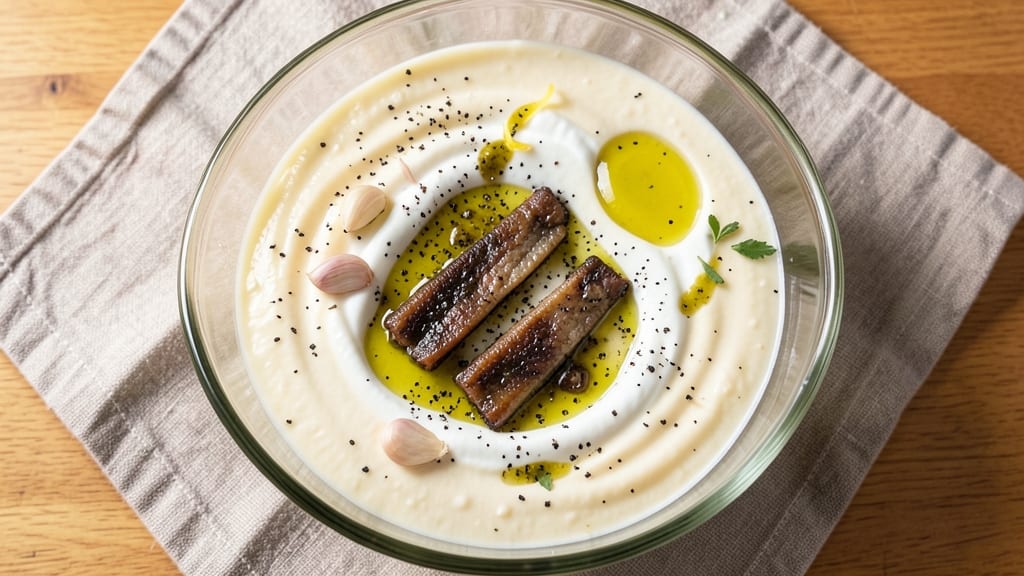
This Cesar salad sauce recipe delivers the bold, anchovy-infused creaminess that makes Caesar salads legendary—without the clingy mayo texture. The secret lies in blending salty anchovies, tangy lemon, and sharp Parmesan into a velvety emulsion that coats every bite perfectly.
I developed this version after years of testing, ensuring the right balance of savory, umami, and acidity that transforms simple greens into a restaurant-worthy dish.
What sets this sauce apart is the technique: we start with a smooth paste of anchovies and garlic, then gradually incorporate warm cream and Dijon mustard to create a stable, glossy dressing. The key is emulsifying properly—no lumps, no separation—so the sauce stays cohesive whether drizzled or tossed.
It’s rich enough to stand up to hearty toppings like grilled chicken or croutons, yet light enough to let the romaine shine.
The result is a sauce with depth of flavor and a luxurious mouthfeel—creamy but not heavy, tangy but not overpowering. The anchovies provide that unmistakable umami punch, while the Parmesan adds nutty richness.
This version also includes a simple vegan adaptation using nutritional yeast, proving you don’t need dairy or eggs to achieve the same bold character.
Perfect for meal prep or last-minute salads, this sauce keeps well in the fridge for up to 5 days or can be frozen for longer storage. Whether you’re dressing a classic Caesar or elevating a simple green salad, this recipe delivers professional-quality results with minimal effort.
Ingredients for cesar salad sauce
Nine essential ingredients transform simple greens into restaurant-quality Caesar dressing.
| Ingredient | Amount | Notes |
|---|---|---|
| Anchovy Fillets 🐟 | 4 whole | High-quality, packed in oil |
| Garlic Cloves 🧄 | 2 whole | Freshly minced, not pre-minced |
| Extra-Virgin Olive Oil 🫒 | ½ cup | Light, fruity variety preferred |
| Heavy Cream 🥛 | ½ cup | Full-fat for best emulsion |
| Dijon Mustard 🍯 | 1 tbsp | High-quality, grainy texture |
| Fresh Lemon Juice 🍋 | 2 tbsp | Freshly squeezed, no pulp |
| Parmesan Cheese 🧀 | ½ cup | Freshly grated, not pre-grated |
| Kosher Salt 🧂 | ½ tsp | Diamond Crystal preferred |
| Black Pepper 🌶️ | ¼ tsp | Freshly ground, not pre-ground |
| Worcestershire Sauce 🍶 | 1 tsp | Anchovy-free version if needed |
Anchovies are the heart of this sauce—high-quality fillets packed in oil make all the difference. Trader Joe's and Whole Foods carry excellent options, or check the Italian section at your local grocery store. Fresh garlic is non-negotiable here; pre-minced garlic loses its punch. For the Parmesan, grate it yourself—pre-grated cheese contains anti-caking agents that prevent proper emulsification. The Worcestershire sauce adds depth, but if you're avoiding anchovies entirely, skip it or use a vegan alternative.
No anchovies? Nutritional yeast at double the amount mimics the umami, though the sauce will taste subtly different. Short on heavy cream? Full-fat coconut cream works in a pinch, though the texture will be slightly lighter. The Dijon mustard is crucial—Maille brand is my go-to for that perfect graininess. For a tangier sauce, add an extra tablespoon of lemon juice. If you're making this ahead, warm the cream slightly before adding it to the anchovy-garlic paste; this helps create a smoother emulsion.
This sauce keeps for 5 days in the fridge, stored in an airtight container with a thin layer of olive oil on top to preserve freshness. For longer storage, freeze in ice cube trays—thaw overnight in the fridge before using. The sauce thickens as it chills, so add a splash of warm water if it becomes too stiff. Portion into small jars for easy meal prep; it's perfect for dressing salads, drizzling over grilled vegetables, or even as a dip for crostini.
Why You'll Love This Recipe
- Five-Ingredient Magic: I swear by this—just anchovies, garlic, oil, cream, and mustard. That’s it. No fancy gadgets, no stress, just blending until it’s perfectly tangy and rich.
- Umami Bomb: Honestly, the anchovies and garlic transform this into something ridiculously flavorful. One taste and you’ll understand why this sauce is a cult favorite—it’s salty, creamy, and hits all the right notes.
- Game for Any Meal: Between us, this sauce works on salads, wraps, even as a dip. I’ve used it to dress grilled chicken or drizzled over roasted veggies—it’s my go-to for effortless flavor without extra prep.
- Makes Leftovers Worth It: Here’s what sold me—this sauce keeps for days in the fridge, and the flavor only deepens. I double the batch so I can toss it on meals all week without starting from scratch.
Step-by-step instructions for bold anchovy-infused césar sauce
This sauce delivers restaurant-quality richness without the mayo—just pure, balanced flavor.
Prepare the Anchovy and Garlic Base
Place the 4 whole anchovy fillets in a small bowl and cover with 2 tablespoons of the 0.5 cup extra-virgin olive oil from the ingredients list. Let them soak for 5 minutes—this softens them and infuses the oil with their deep umami flavor. While they soak, finely mince the 2 whole garlic cloves using a knife or microplane. The goal is a paste-like consistency that dissolves completely into the sauce.
Here's the thing—don't skip the soaking. Dry anchovies can overpower the sauce if not properly softened. After soaking, transfer the anchovies and their oil to a food processor or small blender. Add the minced garlic and pulse until completely smooth, about 10-15 seconds. You're creating the flavor foundation that will carry through the entire sauce.
Emulsify with Cream and Mustard
In a medium bowl, combine the 0.5 cup heavy cream and 1 tablespoon Dijon mustard. Whisk vigorously for 30 seconds until the mustard is fully incorporated and the mixture is smooth. The mustard acts as an emulsifier, helping the cream and oil blend properly later. Add the anchovy-garlic mixture from the food processor and whisk again for another 30 seconds until fully combined.
This is where the sauce comes together. The key is to work quickly but deliberately—you want the anchovy flavor to distribute evenly without curdling the cream. If the mixture looks slightly separated at this point, don't worry. The remaining ingredients will help bind everything together during the emulsification process.
Incorporate Acid and Cheese
Add the 2 tablespoons fresh lemon juice, 0.5 cup freshly grated Parmesan cheese, 0.5 teaspoon kosher salt, 0.25 teaspoon black pepper, and 1 teaspoon Worcestershire sauce to the bowl. Using a whisk, combine all ingredients thoroughly for 1-2 minutes until the Parmesan is fully dissolved and the sauce reaches a smooth, creamy consistency. The lemon juice brightens the rich flavors while the Worcestershire sauce adds depth.
Taste the sauce at this stage—it should be tangy, salty, and deeply savory. If it tastes too acidic, add a pinch more salt. If it needs more depth, you can add another ½ teaspoon Worcestershire sauce, but proceed with caution as this can easily overpower the delicate balance. The sauce should coat the back of a spoon without being overly thick.
Emulsify with Olive Oil
With the motor running on low speed, slowly drizzle in the remaining 0.3 cup extra-virgin olive oil (the amount left after soaking the anchovies) while continuously whisking the sauce. This gradual addition is critical—it prevents the sauce from breaking and ensures a silky, velvety texture. The emulsion should form within 1-2 minutes of drizzling, resulting in a glossy, creamy sauce that clings beautifully to salad ingredients.
If the sauce begins to separate, don't panic. Simply whisk in 1 teaspoon hot water to help re-emulsify it. The final texture should be thick enough to coat the back of a spoon but still flow smoothly. This sauce is designed to cling to romaine lettuce without making it soggy, so achieving the right consistency is essential.
Rest and Adjust Seasoning
Transfer the sauce to a clean jar or airtight container and let it rest at room temperature for 10 minutes. This resting period allows the flavors to meld and the sauce to reach its optimal consistency. After resting, give it one final taste and adjust the seasoning if needed. Most often, you'll need to add a pinch more salt or a splash of lemon juice to balance the flavors.
The sauce should now be perfectly balanced—creamy yet bright, rich yet tangy, with a deep umami backbone from the anchovies. It's ready to toss with crisp romaine, croutons, and shaved Parmesan for a classic Caesar salad, or use it as a bold dressing for grilled chicken or seafood dishes. This sauce keeps well in the refrigerator for up to 5 days, making it perfect for meal prep.
Pro Tips For Making Cesar Salad Sauce
- SOAK ANCHOVIES FIRST: Toss those anchovy fillets in 2 tablespoons of warm water for 5 minutes before crushing—this softens them enough to mash into a paste without turning your sauce into a gritty mess. I learned this the hard way after ending up with tiny fish bones in my dressing.
- MINCE GARLIC FINE: Skip the press—use a sharp knife to mince the garlic into a paste instead of just chopping it. The extra surface area releases more flavor when it hits the olive oil, and you avoid that bitter, uncooked garlic taste lurking in your sauce.
- TEMPER THE CREAM: Warm the heavy cream slightly (just until it’s lukewarm) before mixing it into the anchovy-garlic base—cold cream will shock the sauce and make it split. I was skeptical until I tried it; now I never skip this step.
- EMULSIFY WITH MUSTARD: Whisk in the Dijon mustard before adding the cream—it acts as a natural emulsifier, keeping the sauce smooth and preventing separation. Sounds weird, but it works: your sauce will stay creamy instead of looking like oil and vinegar went to war.
Make-ahead tips for this recipe
Prep Ahead for Salads
Make this sauce 2 days in advance—it actually tastes better after flavors meld overnight. Store in an airtight container with a thin layer of olive oil on top to preserve freshness.
When ready to use, whisk vigorously to re-emulsify before drizzling. The sauce thickens slightly when chilled, so add 1-2 teaspoons warm water if it becomes too stiff. 💫
Portion for Meal Prep
Divide the sauce into 2-ounce portions in small jars or silicone molds for easy grab-and-go dressing. Label with the date and store in the fridge for up to 5 days. These portions are perfect for dressing pre-washed salad kits or tossing with grilled proteins.
I keep one jar in my work fridge for quick lunches—just add croutons and Parmesan when ready to eat.
Freeze for Months
For long-term storage, freeze the sauce in ice cube trays or small silicone molds. Once frozen, transfer cubes to a freezer bag with 1 inch of headspace for expansion. Thaw overnight in the fridge—never microwave directly, as this can break the emulsion.
Frozen sauce maintains its flavor for up to 3 months, though texture may be slightly thicker after thawing. 🧊
Revive Thickened Sauce
If your chilled sauce has separated or thickened too much, whisk in 1 teaspoon warm water at a time until it reaches a smooth, pourable consistency. For extra richness, add ½ teaspoon heavy cream to restore that velvety texture.
Gently reheat in a small saucepan over low heat for 30 seconds if you prefer it slightly warmed—just don't boil, or the emulsion will break.
Double Batch for Efficiency
This recipe makes about 1½ cups of sauce—perfect for 2-3 Caesar salads. Double the batch and store half in the freezer for future use. I like to prep a large batch on weekends and portion it into quart-sized mason jars for easy access.
The extra sauce works wonders as a dip for grilled shrimp or a finishing sauce for pasta dishes. 🍽️
Flavor Boost Before Serving
For an extra kick, add ½ teaspoon anchovy paste or 1 crushed garlic clove to freshly made sauce just before serving. If you're using it for a vegan Caesar, stir in 1 teaspoon nutritional yeast for that umami punch.
The sauce also pairs beautifully with toasted breadcrumbs or crispy prosciutto for added texture contrast. Always taste and adjust seasoning right before using—flavors can mellow slightly after resting.
Nutrition facts
Frequently asked questions about Caesar salad dressing
Why does my Caesar sauce separate or break?
The most common causes are adding oil too quickly or not emulsifying properly. Always drizzle the oil slowly while whisking continuously on low speed. If it separates, whisk in 1 teaspoon hot water to help re-emulsify. The Dijon mustard and warm cream are key for stability—never skip these ingredients!
Can I make this sauce without anchovies?
Yes! For a vegetarian version, replace the anchovies with 2 teaspoons nutritional yeast (doubled for umami) plus an extra ½ teaspoon garlic powder. The sauce will have a milder flavor but still work well. For a vegan adaptation, use coconut cream instead of heavy cream and ensure your Worcestershire is anchovy-free.
How do I prevent the sauce from being too thick?
Start with the correct measurements—this recipe is designed to be pourable but clingy. If it's too thick after resting, whisk in 1 teaspoon warm water at a time until it reaches the right consistency. Avoid over-whisking the Parmesan, as this can make the sauce grainy. The sauce should coat the back of a spoon but still flow smoothly.
What's the best way to store leftover sauce?
Transfer to an airtight container and store in the fridge for up to 5 days. For longer storage, freeze in ice cube trays or small portions. Thaw overnight in the fridge—never microwave directly, as this can break the emulsion. Always whisk before using to restore the creamy texture.
Can I use this sauce on other dishes besides Caesar salad?
This bold dressing works beautifully on grilled chicken or fish, as a dip for crostini or veggie sticks, or even as a finishing sauce for pasta dishes. The rich, umami flavor pairs well with hearty proteins and crispy textures. Just adjust seasoning slightly—add more lemon for brightness or extra Worcestershire for depth.