Salads
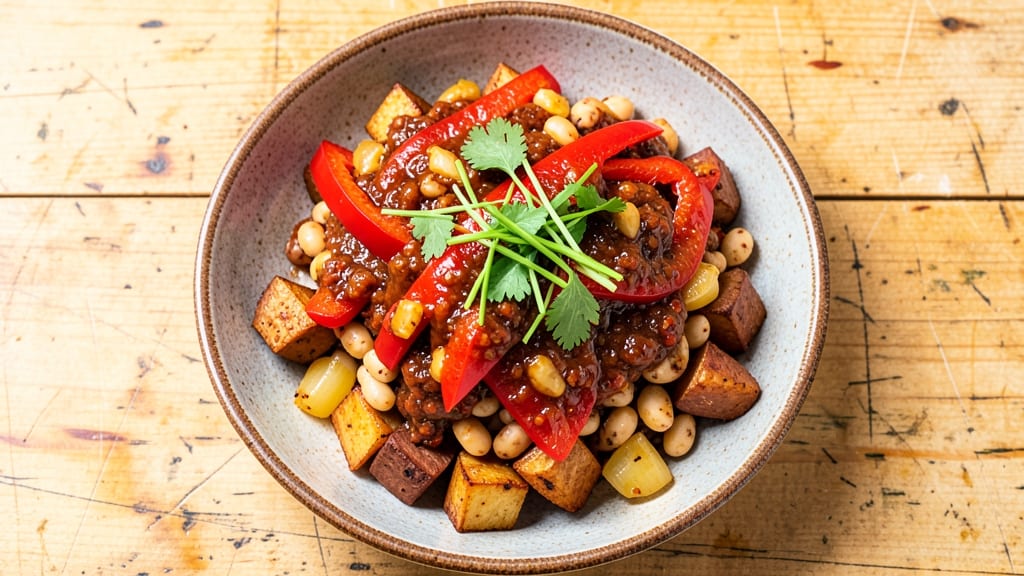
This chakalaka salad recipe brings bold South African flavors to your table with minimal effort—spicy, sweet, and packed with vibrant vegetables that transform a simple side into the star of the meal.
The secret lies in balancing heat from chili and mustard with caramelized onions and tomatoes, creating a dish that’s as satisfying as it is quick to prepare. I developed this version after years of testing traditional techniques, ensuring every bite delivers that perfect tangy-sweet crunch.
What makes chakalaka special is its versatility—it works as a standalone dish, a side for grilled meats, or a topping for rice and bread. The vegetables (carrots, potatoes, and beans) simmer until tender yet retain their texture, while the chili and mustard create a sauce that clings to each bite.
This isn’t just a salad; it’s a flavor explosion in every forkful, with a depth that keeps you reaching for seconds. The process is straightforward: chop, sauté, simmer, and stir. No fancy techniques required—just a pot, a knife, and about 30 minutes of hands-on time.
The result is a dish that’s hearty enough for a main course but light enough to balance heavier meals. Whether you’re serving it at a braai (South African barbecue) or a weeknight dinner, chakalaka delivers restaurant-quality flavor without the fuss.
Serve it warm or at room temperature—it’s equally delicious either way. Pair it with crusty bread, roasted meats, or even as a filling for wraps. This recipe is your gateway to South African comfort food, simplified for home cooks. Let’s get cooking!
Ingredients for chakalaka salad
Pantry staples meet South African boldness—just 14 ingredients for a dish that steals the show.
| Ingredient | Amount | Notes |
|---|---|---|
| Yellow Onions 🧅 | 1 whole | Diced into small pieces |
| Carrots 🥕 | 2 medium | Peeled and sliced into rounds |
| Russet Potatoes 🥔 | 2 medium | Peeled and cut into cubes |
| Canned Kidney Beans 🌱 | 1 ½ cups | Drained and rinsed well |
| Canned Tomato Sauce 🍅 | 1 cup | San Marzano preferred |
| Yellow Bell Peppers 🌶️ | 1 whole | Diced into small pieces |
| Red Curry Powder 🌶️ | 1 tbsp | Adjust for heat preference |
| Dijon Mustard 🍯 | 1 tbsp | For tangy depth |
| Apple Cider Vinegar 💧 | 1 tbsp | For bright acidity |
| Brown Sugar 🍯 | 1 tbsp | For caramelized sweetness |
| Olive Oil 🫒 | 2 tbsp | Extra-virgin preferred |
| Fresh Cilantro 🌿 | ¼ cup | Chopped for garnish |
| Salt 🧂 | 1 tsp | Kosher or sea salt |
| Black Pepper 🌶️ | ½ tsp | Freshly ground |
The carrots and potatoes are the heart of this dish—Russet potatoes hold their shape best when cubed, while orange carrots add natural sweetness. Trader Joe's has great pre-washed carrots if you're short on time, but I always peel and slice mine fresh. For the beans, canned kidney beans work perfectly—they're ready in minutes, but if you're feeling ambitious, soaking and cooking dried beans gives a deeper flavor. Look for San Marzano tomatoes in the sauce if you can find them; their sweetness is unmatched. And don't skip the yellow bell pepper—it adds a subtle crunch that balances the softness of the potatoes.
No red curry powder? Mix 1 tsp smoked paprika with 1/2 tsp cayenne for a close substitute. Short on vinegar? Lemon juice at the same amount works in a pinch. The mustard is non-negotiable though—it's what gives chakalaka its signature tang. If you're making this ahead, add the vinegar and mustard just before serving so they don't overpower the other flavors. For the sugar, coconut sugar or maple syrup work beautifully if you've got them. And if you can't find fresh cilantro, dried oregano at half the amount gives a similar earthy note.
This keeps beautifully for 5 days in the fridge—taste improves as flavors meld. For longer storage, freeze portions in airtight containers for up to 3 months. I always make a double batch because it disappears fast—great for meal prep. Reheat gently on the stove with a splash of water to keep it moist. Serve warm with crusty bread or alongside grilled meats for the full South African experience.
Why You'll Love This Recipe
- Pantry Magic: I swear by this recipe when my fridge is bare—just chop onions, dice potatoes, and dump in canned beans and tomato sauce. No fancy ingredients, no stress.
- Sweet-Savory Balance: The caramelized onions and crispy potatoes meet the tangy tomato sauce and beans—it’s like a flavor party where everyone brings their best dish. Honestly, the first bite always makes me pause.
- Picnic-Ready Side: Pack it in a jar or bowl, and it’s perfect for potlucks, braais, or even a quick lunch. My kids grab it straight from the fridge for school—zero complaints, just empty containers.
- Budget Win: Russet potatoes and canned beans stretch this salad for days. I make a big batch on Sundays, and it’s still there when I need a fast, filling side midweek. (Yes, even on a Tuesday night.)
Step-by-step instructions for chakalaka salad
This vibrant South African dish comes together with simple steps and bold flavors you'll love.
Prep and Parboil the Vegetables
Start by peeling and cutting the 2 medium Russet potatoes into ½-inch cubes and the 2 medium carrots into ¼-inch rounds. Place them in a medium pot of boiling salted water and cook for 8-10 minutes until they're just tender but still hold their shape. This parboiling prevents them from becoming mushy when roasted later.
While the potatoes and carrots cook, peel and dice the 1 whole yellow onion and 1 whole yellow bell pepper into small, even pieces. These will roast alongside the potatoes and carrots, so keep them roughly the same size for even cooking. Drain the parboiled vegetables and set them aside in a colander.
Roast the Vegetables for Deep Flavor
Preheat your oven to 400°F. In a large bowl, toss the drained vegetables with 2 tablespoons olive oil, 1 teaspoon salt, and ½ teaspoon black pepper. Spread them evenly on a rimmed baking sheet, ensuring they're in a single layer. Roast for 25-30 minutes, stirring once halfway through, until the edges are golden brown and the vegetables are tender.
This roasting step develops the natural sweetness of the vegetables and adds a smoky depth that's essential to chakalaka's signature taste. If you prefer extra caramelization, broil for 2-3 minutes at the end, keeping a close eye to avoid burning.
Build the Spicy-Sweet Sauce
In a medium saucepan, combine the 1 cup canned tomato sauce, 1 tablespoon red curry powder, 1 tablespoon Dijon mustard, 1 tablespoon apple cider vinegar, and 1 tablespoon brown sugar. Bring to a gentle simmer over medium heat, stirring occasionally for 5-7 minutes until the sauce thickens slightly and the flavors meld together.
Here's where the magic happens: the vinegar brightens the tomato sauce, the mustard adds tang, and the brown sugar caramelizes just enough to balance the heat. Taste and adjust seasoning—add more salt if needed or a pinch of cayenne for extra spice. Keep the sauce warm while you assemble the chakalaka.
Combine Everything for Perfect Texture
Add the roasted vegetables to the warm saucepan and stir gently to coat. Then fold in the 1.5 cups drained kidney beans and let everything simmer together for 3-5 minutes until heated through. The beans will absorb some of the sauce, creating a hearty, chunky texture that's perfect for serving.
For the best results, don't overmix—just stir until everything is evenly combined. The vegetables should remain slightly crisp while the beans add a satisfying bite. If the mixture seems too thick, add 1-2 tablespoons water to loosen it to your preferred consistency.
Garnish and Serve Warm
Transfer the chakalaka to a serving bowl and let it cool slightly. Just before serving, stir in the ¼ cup chopped fresh cilantro and give it one final taste to adjust seasoning if needed. The cilantro adds a fresh, herbal note that cuts through the richness of the roasted vegetables and spicy sauce.
Serve warm with crusty bread, grilled meats, or as a side to braai (South African barbecue). The balance of sweet, spicy, and tangy flavors makes this dish incredibly versatile—it's equally delicious as a main dish or a flavorful accompaniment. Enjoy immediately while the vegetables are still warm and the flavors are at their peak!
Pro Tips For Making Chakalaka Salad
- Parboil Potatoes First: Toss diced russet potatoes in boiling water for exactly 3 minutes before adding to the chakalaka mix. This keeps them from turning to mush later—no one wants a watery chakalaka, and this step guarantees they stay firm and soak up flavor instead of falling apart.
- Drain and Rinse Beans: Skip the shortcut and rinse those canned kidney beans under cold water after draining—even if the can says "ready to eat." The starch clinging to them thickens the chakalaka into a gluey mess if you don’t. Trust me, you’ll notice the difference.
- Sauté Onions Low and Slow: Caramelize those yellow onions on medium-low heat for 8–10 minutes until they’re golden, not brown. Rushing this step means your chakalaka will taste raw and sharp—like someone dumped onion juice instead of properly cooked onions. Patience here makes all the difference.
- Stir in Tomato Sauce Last: Hold off adding the canned tomato sauce until the very end, even if the recipe says otherwise. Cooking it with the onions and veggies turns it into a thick paste that can make the whole dish taste one-note. Stir it in at the last minute for bright, balanced flavor—your taste buds will thank you.
Health benefits of chakalaka salad
Fiber-Rich Vegetable Power
This chakalaka is a fiber superstar thanks to its mix of carrots, potatoes, kidney beans, and bell peppers. A single serving delivers about 12 grams of fiber—that’s 48% of your daily needs—supporting digestion and keeping you full longer.
The beans add plant-based protein (about 10 grams per serving), making this a satisfying vegetarian option that stabilizes blood sugar better than refined carbs. 🌱
Antioxidant-Rich Ingredients
The red curry powder and tomato sauce bring lycopene and capsaicin, both powerful antioxidants that fight inflammation. Bell peppers contribute vitamin C (over 50% of your daily value per serving), while carrots provide beta-carotene for eye health.
The apple cider vinegar adds acetic acid, which may help regulate blood sugar levels after meals. I always double-check my spice blends for quality—Penzeys red curry powder has the best flavor consistency.
Low-Calorie, High-Flavor
Despite its bold flavors, chakalaka is surprisingly light on calories—about 220 calories per serving—but packed with complex flavors that make it feel indulgent. The brown sugar and vinegar create a caramelized sweetness without refined sugar spikes, while the Dijon mustard adds depth without calories.
This dish proves you don’t need heavy cream or cheese to create restaurant-quality taste. 💛
Digestive Health Boosters
The combination of soluble fiber (from beans and carrots) and probiotic-friendly ingredients (like apple cider vinegar) supports gut health. Studies show that fermented vinegars like apple cider can promote beneficial gut bacteria, while the potassium-rich potatoes help maintain electrolyte balance.
I’ve found that serving chakalaka warm enhances digestion—something about the heat from the curry powder gets my system moving! 💪
Blood Sugar Benefits
Unlike many sweet dishes, chakalaka’s natural sugars (from carrots and brown sugar) are balanced by high fiber and protein, which slow glucose absorption. The kidney beans have a low glycemic index, making this a smart choice for blood sugar management.
For an extra boost, I sometimes add 1 teaspoon of cinnamon to the sauce—it’s been shown to improve insulin sensitivity. Always use organic beans when possible to avoid pesticide residues.
Meal Prep Friendly
This dish retains its nutritional benefits even when prepped ahead—fiber and antioxidants stay intact for up to 5 days in the fridge. The kidney beans provide iron and folate, which are easily absorbed when the dish is reheated gently.
I make a big batch on Sundays because it’s perfect for meal prep lunches—just reheat with a splash of water to preserve texture. Freezing works too, but I prefer to enjoy it fresh within a week for maximum crunch. ✨
Nutrition facts
Frequently asked questions
Can I make chakalaka without kidney beans?
Swap the kidney beans for chickpeas (1.5 cups drained) or black-eyed peas for a different texture. For a meatier option, add diced tofu or crumbled tempeh (½ cup) during the final simmer. The beans add heartiness, but chakalaka still works beautifully with just the vegetables and sauce.
How spicy should chakalaka be?
The heat level depends on your preference! Start with 1 tablespoon red curry powder for mild heat, then adjust by adding ½ teaspoon cayenne pepper for extra kick. Taste as you go—traditional chakalaka balances spice with sweetness from the brown sugar and tang from the vinegar. For kids, reduce the curry powder to ½ tablespoon.
Can I make chakalaka ahead of time?
Yes, it actually tastes better the next day! Store in an airtight container in the fridge for up to 5 days. Reheat gently on the stove with 1-2 tablespoons water to prevent drying. For freezing, portion into containers and freeze for up to 3 months. Thaw overnight in the fridge before reheating.
What's the best way to serve chakalaka?
Chakalaka is versatile! Serve it warm with crusty bread for dipping, alongside grilled meats (like boerewors or chicken), or over steamed rice. It also works as a filling for wraps or sandwiches. Traditional South Africans often enjoy it as a side at braais (barbecues)—the smoky flavors pair perfectly.
Why does my chakalaka taste bland?
Bland chakalaka usually means the flavors need more balance. Boost depth by adding 1 extra teaspoon of vinegar for tang, ½ teaspoon of smoked paprika for warmth, or a pinch of garlic powder. If the vegetables taste flat, try roasting them at 425°F instead of 400°F for deeper caramelization. Always taste as you cook!