
Salads
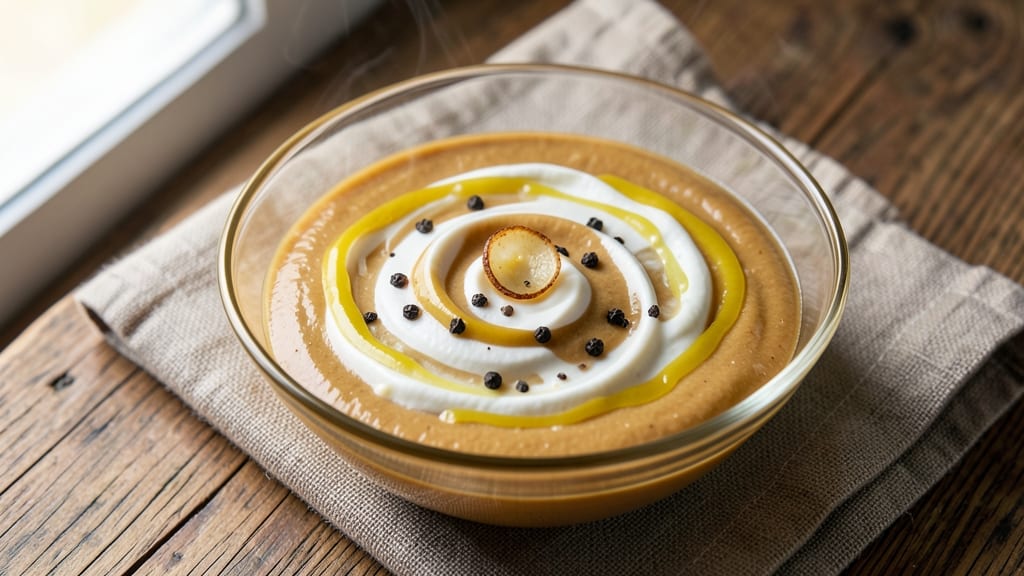
This Chardonnay salad dressing recipe transforms a simple bottle of wine into a velvety, buttery sauce that elevates any green salad from ordinary to extraordinary.
The secret lies in balancing the wine’s natural acidity with rich cream and a touch of Dijon mustard, creating an emulsion that clings beautifully to greens without overpowering their delicate flavors. I developed this recipe after years of experimenting with wine-based dressings, and it consistently delivers that restaurant-quality finish.
The foundation of this dressing is a 1:1 ratio of Chardonnay wine to heavy cream, which creates a luxurious texture while keeping the dressing light enough for leafy salads. A splash of lemon juice brightens the wine’s fruitiness, while Dijon mustard adds depth and helps bind the emulsion.
The result is a dressing that’s rich enough for hearty winter salads but still fresh enough for summer greens—versatile, elegant, and impossible to resist.
What makes this dressing truly special is its foolproof emulsification technique, which ensures the wine and cream blend seamlessly without separating. No special equipment is needed—just a whisk or immersion blender—and the process takes less than 5 minutes.
The dressing stays fresh in the fridge for up to a week, making it perfect for meal prep or gifting.
Use this dressing on mixed greens, grain bowls, or even as a drizzle for roasted vegetables. The buttery wine notes complement earthy flavors like arugula and radicchio, while its subtle sweetness pairs beautifully with tangy goat cheese or crispy bacon. Let’s make it—your salads will never be the same.
Ingredients for chardonnay salad dressing
Six key ingredients transform Chardonnay wine into a luxurious salad dressing with perfect balance.
| Ingredient | Amount | Notes |
|---|---|---|
| Dry Chardonnay Wine 🍷 | ½ cup | Full-bodied, not oaked |
| Heavy Whipping Cream 🥛 | ½ cup | Full-fat for richness |
| Extra-Virgin Olive Oil 🫒 | ¼ cup | Light fruity variety |
| Dijon Mustard 🌶️ | 1 tbsp | High-quality, smooth |
| Fresh Lemon Juice 🍋 | 1 tbsp | Freshly squeezed |
| Shallots 🧅 | 2 whole | Minced, for aromatic depth |
| Granulated Sugar 🍬 | 1 tsp | Balances acidity |
| Kosher Salt 🧂 | ½ tsp | Diamond Crystal preferred |
| Freshly Ground Black Pepper 🌶️ | ¼ tsp | For subtle seasoning |
| White Wine Vinegar 💧 | 1 tsp | For acidity balance |
The Chardonnay wine is non-negotiable—opt for a full-bodied, unoaked variety like Kendall-Jackson or Louis M. Martini for the best flavor. Trader Joe's and Total Wine carry excellent options at reasonable prices. Fresh shallots add depth that regular onions can't match, but if you're in a pinch, 2 teaspoons of minced yellow onion works. The heavy cream must be full-fat; reduced-fat versions won't emulsify properly. For the Dijon mustard, Maille is the gold standard, though any high-quality brand will do. The olive oil should be light and fruity—avoid robust varieties that might overpower the wine's delicate notes.
No Chardonnay on hand? Substitute with the same amount of dry white wine like Sauvignon Blanc, though the flavor profile will differ slightly. Running low on heavy cream? Greek yogurt or cashew cream can replace half the amount, though texture will be slightly lighter. The lemon juice must be fresh—bottled versions lack the brightness needed to cut through the richness. For the sugar, honey or agave nectar can substitute at a 1:1 ratio if you prefer natural sweeteners. If you can't find white wine vinegar, apple cider vinegar works in a pinch, though it adds a subtle fruitiness that may alter the dressing's character. The shallots can be swapped for 1 teaspoon of garlic powder if needed, though fresh is ideal.
This dressing emulsifies beautifully and stays stable for up to 7 days in an airtight container in the fridge. For longer storage, transfer to a sealed jar and freeze for up to 3 months. Shake vigorously before each use. The dressing thickens slightly when chilled, so thin with a splash of water or wine if needed. Portion into small containers for easy use on salads, grain bowls, or as a drizzle for roasted vegetables. The flavor actually improves after the first day as the wine's flavors meld with the other ingredients—perfect for meal prep.
Why You'll Love This Recipe
- Five-Ingredient Magic: I swear by this combo—just wine, cream, olive oil, mustard, and lemon. No fancy emulsifiers or stressing over ratios. The wine cuts through the richness while the Dijon mustard adds that little kick that makes it actually taste like you put in effort.
- Creamy but Bright: Honestly, the balance here is next-level. The heavy cream makes it luscious, but the Chardonnay and lemon juice keep it from tasting heavy. It’s the kind of dressing that feels luxurious but still fresh—like a fancy bistro salad at home.
- Weeknight to Dinner Party: Between us, this is my go-to for lazy nights and when I’m hosting. Drizzle it over greens for a quick lunch, toss it with roasted veggies for a dinner party side, or even use it as a dip for crusty bread. It’s that adaptable.
- No Waste, All Flavor: That bottle of Chardonnay you’ve been saving? Use it up here. The dressing keeps well in the fridge for up to a week, so you’re not scrambling to finish it. Plus, the olive oil and cream are budget-friendly staples—you’re already buying them, so why not make this instead of store-bought?
Step-by-step instructions for Chardonnay salad dressing
This elegant wine-based dressing combines richness and acidity for perfect balance every time.
Finely Mince the Shallots
Peel the 2 whole shallots and cut them into thin slices. Transfer them to a cutting board and finely mince using a sharp chef's knife, working in small batches for precision. You're aiming for a texture that's barely visible—about the size of coarse sand. This ensures the shallots dissolve completely into the dressing rather than creating texture.
I recommend using a mandoline for even slices, but a sharp knife works perfectly if you take your time. Don't rush this step—the aromatic depth from properly minced shallots is what elevates this dressing from ordinary to exceptional. Set the minced shallots aside in a small bowl until ready to use.
Whisk Together the Base Ingredients
In a medium bowl, combine the 0.5 cup dry Chardonnay wine with the 0.5 cup heavy whipping cream. Add the 0.25 cup extra-virgin olive oil, 1 tablespoon Dijon mustard, and 1 tablespoon fresh lemon juice. Use a whisk to blend these ingredients thoroughly until they form a smooth emulsion. The mixture should look silky and uniform with no visible separation.
This initial blending creates the foundation of your dressing. The wine and cream provide richness while the olive oil adds body. The Dijon mustard acts as an emulsifier, helping to bind all the ingredients together. If you notice any separation at this stage, simply whisk more vigorously—this is normal and will resolve as you incorporate the remaining ingredients.
Incorporate the Seasonings and Shallots
Add the minced shallots, 1 teaspoon granulated sugar, 0.5 teaspoon kosher salt, 0.25 teaspoon freshly ground black pepper, and 1 teaspoon white wine vinegar to the bowl. Whisk continuously for 2-3 minutes until all ingredients are fully incorporated and the dressing reaches a velvety consistency. The sugar helps balance the acidity from the lemon juice and vinegar while enhancing the wine's natural sweetness.
Taste the dressing at this stage and adjust the seasoning if needed. You might find the acidity needs more balance—add a touch more sugar if it's too sharp, or a splash more wine if it needs richness. The dressing should have a harmonious blend of buttery creaminess from the wine and cream, with bright acidity from the lemon and vinegar. The shallots should contribute a subtle, sweet onion aroma without overpowering.
Rest and Emulsify
Cover the bowl with plastic wrap and let the dressing rest at room temperature for 15-20 minutes. This resting period allows the flavors to meld together and the emulsion to stabilize. During this time, the ingredients will marry, creating a dressing that's more cohesive and flavorful than if you used it immediately.
After resting, give the dressing one final whisk to ensure everything is well combined. The texture should be smooth and luxurious, with a slight sheen that indicates proper emulsification. If you notice any separation, simply whisk vigorously again—this dressing is quite forgiving and will come together beautifully. The result should be a velvety, buttery dressing with balanced acidity and a subtle shallot aroma that enhances any salad.
Adjust Consistency and Serve
If the dressing is too thick for your preference, thin it with 1-2 tablespoons of water or additional wine, whisking well after each addition. Conversely, if it's too thin, you can thicken it slightly by adding 1-2 teaspoons of additional Dijon mustard or a small amount of cornstarch mixed with water. The dressing should coat the back of a spoon but still pour easily.
This elegant dressing pairs beautifully with spring greens, arugula, or mixed salads. Its rich, buttery profile makes it ideal for heartier salads with roasted vegetables or grilled proteins. Store any leftovers in an airtight container in the refrigerator for up to 5 days, giving it a gentle shake before each use to re-emulsify. The flavors will continue to develop and deepen over time, making this dressing even more complex with each passing day.
Pro Tips For Making Chardonnay Salad Dressing
- Whisk in Stages: Start by emulsifying the Dijon mustard and heavy cream together—this keeps the dressing stable when you add the wine later. I learned this the hard way after my first batch split like a bad joke at a dinner party.
- Chill the Wine First: Pop that bottle of Chardonnay in the fridge for 10 minutes before using—cold wine blends smoother and cuts through the richness of the cream. Warm wine? Your dressing will taste like a boozy puddle.
- Salt the Cream Early: Mix a pinch of salt into the heavy cream before adding it to the mustard—this balances the acidity later and saves you from over-salting when you taste-test. Trust me, your taste buds will notice.
- Lemon Juice Last: Add the lemon juice at the very end, just before serving—its acidity fades fast, and you’ll want that bright punch when the dressing hits the salad. Save it for the finale, like a chef’s secret ingredient.
Storing and reheating this recipe
Fridge Storage Tips
Transfer your freshly made dressing to an airtight glass container—I love using mason jars with tight-sealing lids. Store it in the fridge at 40°F or below where it’ll keep for up to 7 days.
The flavors actually deepen over time, so it tastes even better on day 3 or 4! Always give it a good shake before using to re-emulsify naturally. 🥫
Freezing for Later
For longer storage, portion the dressing into small, freezer-safe containers (like silicone ice cube trays or mini mason jars). Freeze for up to 3 months, leaving ½-inch headspace to prevent expansion cracks.
Thaw overnight in the fridge—never microwave it, as heat can break the emulsion. Stir well before using, and you’ll get that same luxurious texture. ❄️
Reheating (or Re-emulsifying)
This dressing isn’t meant to be reheated like a hot sauce—its magic comes from being served chilled. If it separates after refrigeration, simply whisk vigorously for 1-2 minutes until smooth again.
For extra insurance, add ½ teaspoon Dijon mustard per ½ cup dressing to help stabilize it. The buttery wine notes shine best when served cold, straight from the fridge. 💫
Thinning or Thickening
If your dressing thickens too much in the fridge, thin it with 1-2 tablespoons Chardonnay wine or water, whisking until smooth. Need it thicker? Whisk in ½ teaspoon Dijon mustard or a cornstarch slurry (1 tsp cornstarch + 1 tbsp cold water).
The goal is a pourable yet clingy consistency—like heavy cream. Adjust gradually to avoid over-thinning. 🥄
Gift-Worthy Packaging
Want to share this dressing? Portion it into small amber glass bottles (like mini olive oil bottles) tied with twine for a chic presentation. Label with the date and storage instructions.
These bottles keep light out, preserving the wine’s delicate flavors. Perfect for holiday gifts or potlucks—your friends will think you’re a pro! 🎁
Reviving Stale Dressing
If your dressing sits too long and separates badly, don’t toss it! Blend it in a mini food processor or immersion blender with 1 tablespoon heavy cream to restore its silky texture.
The wine’s richness masks any minor texture issues, so it’ll still taste amazing. Just avoid this if the dressing smells off—trust your nose! 👃
Nutrition facts
Frequently asked questions
Can I substitute Chardonnay with another white wine?
Yes, but the flavor will change slightly. For a similar profile, use Sauvignon Blanc or Pinot Grigio, both of which offer bright acidity that complements the dressing. Avoid oaked wines like Chablis—they'll add unwanted tannins. If you must use red wine, opt for a light-bodied Pinot Noir and reduce the lemon juice to ½ tablespoon to balance the fruitiness.
Why did my dressing separate after refrigerating?
This happens when the emulsion breaks, usually from temperature changes or insufficient whisking. Simply whisk vigorously for 1-2 minutes to restore it. For extra stability, add ½ teaspoon Dijon mustard per ½ cup dressing and whisk again. The cream and wine ratio is delicate—if you're making larger batches, reduce the cream by 1 tablespoon per ½ cup to improve cohesion.
How can I make this dressing dairy-free?
Replace the heavy cream with ½ cup full-fat coconut cream (chilled overnight) or ½ cup cashew cream (blend soaked cashews with water). The texture will be slightly lighter but still luxurious. For emulsification, add 1 extra teaspoon of Dijon mustard or 1 tablespoon of arrowroot powder to help bind the ingredients. The flavor will be more plant-forward but equally delicious.
What's the best way to use up leftover dressing?
Drizzle it over roasted Brussels sprouts, grilled chicken, or seared scallops for a quick flavor boost. It also makes an amazing dip for fresh baguette slices or crudité platters. For a creative twist, reduce ½ cup dressing on the stove with 1 tablespoon butter until syrupy, then drizzle over seared duck breast or warm polenta.
Can I make this dressing without a whisk?
Use an immersion blender for 10-15 seconds on medium speed, or simply shake the ingredients in a sealed jar for 30 seconds after each addition. For a no-equipment method, pour the ingredients into a blender, pulse until smooth, then transfer back to your serving container. The key is to combine ingredients thoroughly at each step to prevent separation.