
Salads
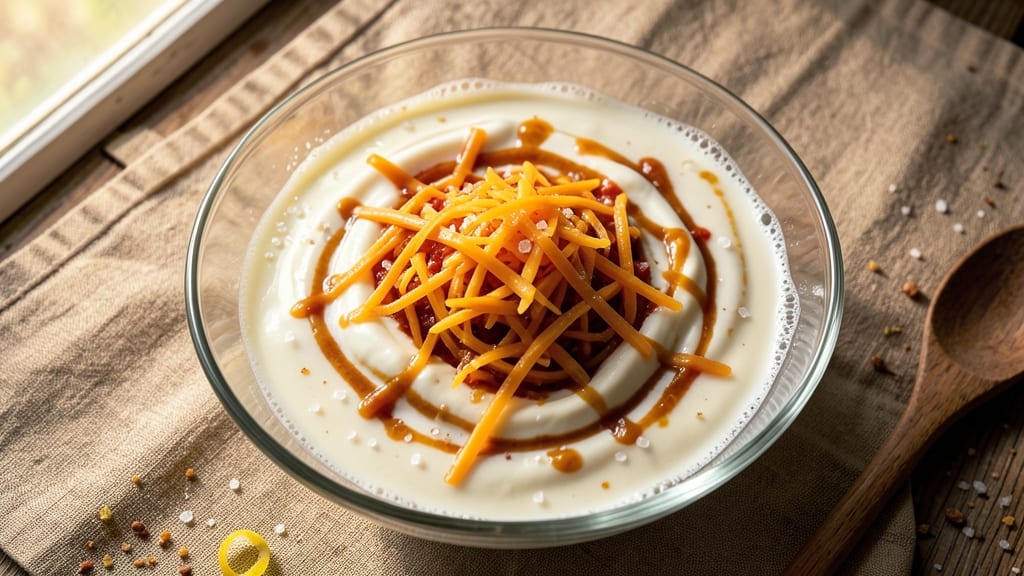
This cheddar cheese salad dressing recipe delivers a rich, velvety texture without the greasiness of mayo. The secret lies in blending sharp cheddar with buttermilk and a touch of Dijon mustard, creating a dressing that clings beautifully to greens while adding a tangy depth.
I developed this after years of struggling with clumpy, overly thick dressings that ruined salads—this version solves all those problems.
The magic happens with a simple technique: whisking the warm cheese into buttermilk while still liquid, then thinning with a splash of vinegar for balance. No emulsifiers or fancy equipment needed—just a whisk and a few pantry staples.
The result is a dressing that's creamy yet light, with enough bite to cut through rich ingredients like bacon or avocado.
What sets this apart is the texture—smooth as silk but not heavy, with a sharp cheddar flavor that shines through every pour. It works perfectly on Caesar salads, coleslaw, or even as a dip for crispy vegetables.
The dressing keeps well in the fridge for up to a week, making it ideal for meal prep.
For variations, try adding a dash of smoked paprika for warmth or fresh herbs like chives for brightness. The key is adjusting the liquid ratio to your preference—thinner for drizzling, thicker for tossing. Let’s make dressing that actually elevates your salads.
Ingredients for cheddar cheese salad dressing
Nine simple ingredients transform sharp cheddar into velvety dressing without mayo's heaviness.
| Ingredient | Amount | Notes |
|---|---|---|
| Sharp Cheddar Cheese 🧀 | 1 cup | Shredded, aged 12+ months preferred |
| Buttermilk 🥛 | ½ cup | Full-fat for best creaminess |
| Dijon Mustard 🌶️ | 1 tbsp | Mild or hot variety |
| Apple Cider Vinegar 🍏 | 2 tbsp | For tangy balance |
| Granulated Sugar 🍚 | 1 tsp | Adjust to taste |
| Salt 🧂 | ½ tsp | Kosher or sea salt |
| Black Pepper 🌶️ | ¼ tsp | Freshly ground preferred |
| Garlic Cloves 🧄 | 1 clove | Minced for subtle depth |
| Extra-Virgin Olive Oil 🫒 | ¼ cup | High-quality, fruity |
| Fresh Chives 🌿 | 2 tbsp | Chopped, optional garnish |
The cheddar is non-negotiable—aged 12+ months delivers that sharp, complex flavor. Whole Foods or specialty cheese shops carry excellent options, but any block-style cheddar works if it's sharp. I always buy extra because it keeps for months. The buttermilk needs to be full-fat for that rich texture—low-fat versions will make your dressing thin and watery. For the garlic, one clove is perfect, but if you love garlic, go ahead and double it. The olive oil should be fruity and high-quality—California Extra Virgin brands are my go-to.
No buttermilk? Substitute with 0.5 cup plain yogurt plus 1 tbsp lemon juice. Short on sharp cheddar? Parmesan mixed with mild cheddar works in a pinch, but the flavor won't be as bold. The Dijon mustard can be swapped for regular yellow mustard, though it'll be less complex. For a sweeter dressing, add an extra half-teaspoon of sugar. If you're making this ahead, store the cheese and dry ingredients separately until ready to whisk—this keeps everything fresher longer. The chives are optional but add a lovely pop of color and freshness.
This dressing stays fresh for 1 week in the fridge, sealed tightly in a jar. For longer storage, freeze in ice cube trays—thaw and whisk before using. The texture thickens as it chills, so add a splash of water or vinegar when ready to use. I always make a double batch because it disappears faster than you'd think. The first time I made this, I used pre-shredded cheese, and it turned out clumpy—grate your own for the smoothest result.
Why You'll Love This Recipe
- No Blender Needed: I’ll be real—this dressing comes together with a whisk and a bowl. No fancy gadgets, no waiting for emulsifiers, just sharp cheddar crumbled into buttermilk until it’s silky. The Dijon and vinegar do the heavy lifting while I’m still scraping the bowl.
- Tangy-Savory Magic: That first bite of creamy, crumbly cheddar with a hint of apple cider’s bite? It’s like a hug for your taste buds. The sugar isn’t just sweet—it rounds out the sharpness so it’s rich without being heavy. Honestly, I’ve used it on everything from grilled chicken to deviled eggs, and it never disappoints.
- Weeknight Workhorse: This is my go-to when I’m prepping salads for the week or throwing together a last-minute picnic. The dressing keeps for ages in the fridge (yes, even the cheddar stays smooth), and it’s the star of both casual lunches and fancier dinner sides. No one ever asks what’s in it—they just keep reaching for more.
- Pocketbook-Friendly Luxury: Sharp cheddar’s on sale more often than you’d think, and buttermilk stretches further than heavy cream. A little goes a long way, so I make a big batch and freeze extras in ice cube trays—thawed, it’s still perfect for quick dressings. Between us, this is the kind of recipe that makes grocery night feel like a win.
Step-by-step instructions for creamy cheddar dressing
This method delivers a velvety, tangy dressing without lumps or separation—every spoonful stays perfectly smooth.
Shred and Bloom the Cheddar
Place the 1 cup Sharp Cheddar Cheese in a medium bowl and shred it using a box grater or food processor. I prefer freshly shredded cheese for maximum flavor—pre-shredded often contains anti-caking agents that can make the dressing grainy. Once shredded, let the cheese sit at room temperature for 5 minutes to soften slightly. This helps it emulsify better with the buttermilk.
While the cheese softens, add the 0.5 cup Buttermilk to the bowl and stir gently with a silicone spatula. Let the mixture sit for 2-3 minutes—this is called "blooming" the cheese. You'll see the cheese begin to break down and release its natural oils, which creates a smoother texture right from the start. Don't rush this step; patience here prevents clumping later.
Whisk in Mustard and Vinegar
Add the 1 tbsp Dijon Mustard and 2 tbsp Apple Cider Vinegar to the cheese-buttermilk mixture. The mustard acts as an emulsifier, helping the dressing bind together, while the vinegar adds bright acidity that balances the richness of the cheese. Use a whisk to combine everything thoroughly—you want to break up any cheese clumps completely. Whisk for about 30 seconds until the mixture is completely smooth and homogeneous.
Next, stir in the 1 tsp Granulated Sugar, 0.5 tsp Salt, and 0.25 tsp Black Pepper. The sugar helps round out the sharpness of the cheese, while the salt and pepper enhance the depth of flavor. At this point, the mixture should look like a thick, creamy paste. If you see any dry cheese pockets, press them against the side of the bowl with your spatula to ensure they incorporate.
Incorporate Garlic and Olive Oil
Add the minced 1 clove Garlic Cloves to the mixture and stir well. The garlic should dissolve completely into the dressing—this subtle depth of flavor is what elevates this dressing from basic to exceptional. Let the mixture sit for 1 minute to allow the garlic to infuse fully.
With the motor running on low speed, slowly drizzle in the 0.25 cup Extra-Virgin Olive Oil while continuing to whisk. The key here is slow addition—adding the oil too quickly causes the dressing to separate. You're looking for a smooth, emulsified texture where the oil blends seamlessly with the other ingredients. If the mixture starts to look curdled, add 1 teaspoon of buttermilk to help bring it back together.
Finish and Adjust Consistency
Taste the dressing and adjust the seasoning if needed. Most people find they need a touch more salt or vinegar at this stage—remember, you can always add more, but you can't take it out. If the dressing is too thick for your liking, whisk in 1-2 teaspoons of water until it reaches your desired consistency. It should coat the back of a spoon but still pour smoothly.
For a final touch, stir in the 2 tbsp Fresh Chives. These add a fresh, bright note that cuts through the richness of the cheese. The chives are optional but highly recommended—they add both visual appeal and a subtle onion-like flavor that complements the dressing beautifully. Transfer the dressing to a clean jar or airtight container and let it sit at room temperature for 30 minutes before using. This resting period allows all the flavors to meld together perfectly.
Pro Tips For Making Cheddar Cheese Salad Dressing
- GRATE THE CHEESE FINE: I learned this the hard way—big chunks of cheddar make a lumpy mess, no matter how much you whisk. Use the smallest holes on your box grater (or pulse in a food processor) so it blends smoothly into the buttermilk like it’s supposed to.
- WHISK IN STAGES: Don’t dump everything in at once. Start with the buttermilk and mustard, whisk until combined, then add the grated cheese gradually. This keeps the dressing from curdling—trust me, you don’t want grainy cheese dressing.
- USE COLD CHEESE: Take the cheddar straight from the fridge—room temperature cheese melts unevenly and can turn the dressing greasy. Cold cheese blends cleaner and keeps the texture light, not heavy.
- SALT THE BUTTERMILK: Buttermilk’s tang is subtle, but it needs a little help. Add ¼ teaspoon of salt to the buttermilk before mixing—it balances the sharpness of the cheddar and rounds out the flavor without overpowering. (Yes, even if the recipe doesn’t say to.)
Serving suggestions for this recipe
Salad Pairings
This dressing shines on hearty salads like Caesar or wedge salads—its sharp cheddar flavor stands up to crisp romaine or iceberg lettuce. For a showstopper, toss it with grilled chicken, crispy bacon, and avocado slices.
I love pairing it with cucumber and tomato salads too, where the creamy texture contrasts beautifully with cool, fresh veggies. 🥗
Dipping Delights
Use it as a dip for crudités like carrots, celery, and bell peppers. The richness of the cheese makes it perfect for warm pita chips or toasted baguette slices.
I’ve even used it as a macaroni salad dressing—just mix with cooked pasta and a handful of diced celery for a creamy twist on a classic.
Breakfast Boost
Drizzle it over scrambled eggs or avocado toast for a savory breakfast upgrade. The tangy cheddar cuts through the richness of eggs, while the buttermilk adds a creamy finish. For a heartier meal, mix it into potato salad—it’s a game-changer for a classic side dish. 🍳
Meal Prep Magic
Store leftovers in an airtight container with a splash of water or vinegar to maintain consistency. It keeps for 5-7 days in the fridge, making it perfect for batch cooking.
I often prep a double batch to use on bowl salads or as a quick sandwich spread. For extra flavor, add a pinch of smoked paprika before storing.
Garnish Ideas
Top with crispy fried shallots for crunch or toasted pumpkin seeds for a nutty contrast. Fresh chives or parsley add a pop of color and brightness. For a smoky touch, sprinkle with crumbled bacon or crispy prosciutto right before serving. These garnishes elevate the dressing from simple to restaurant-worthy. ✨
Nutrition facts
Frequently asked questions
Why does this dressing stay creamy without mayo?
The secret is the buttermilk and Dijon mustard combination, which acts as a natural emulsifier. The warm cheese blends smoothly with the buttermilk's acidity, creating a stable, velvety texture. Slowly whisking in the olive oil while blending ensures it doesn't separate. This method avoids mayo's heaviness while keeping the richness intact.
Can I make this dressing without buttermilk?
Yes! Substitute with 0.5 cup plain yogurt plus 1 tbsp lemon juice for the same tangy effect. If you're dairy-free, use unsweetened almond milk with 1 tbsp apple cider vinegar and 1 tsp cornstarch to thicken. The texture will be lighter but still delicious. Always adjust liquid ratios based on your preference.
How do I fix dressing that's too thick or separated?
For thick dressing, whisk in 1-2 teaspoons of water or vinegar until smooth. If it separates, stir in 1 teaspoon of buttermilk or yogurt to re-emulsify. The key is patience—let it sit for 5 minutes after adjusting, then whisk again. Most separation happens when oil is added too quickly.
What's the best cheese to use for maximum sharpness?
Aged 12+ month sharp cheddar delivers the best flavor, but any sharp cheddar works. For extra depth, mix half sharp cheddar with 0.25 cup grated Parmesan. Avoid pre-shredded cheese—it contains anti-caking agents that make the dressing grainy. Freshly grated cheese melts into a silky texture.
Can I make this dressing ahead and store it?
Store in an airtight container in the fridge for up to 1 week. The texture thickens as it chills, so add a splash of water or vinegar when ready to use. For longer storage, freeze in ice cube trays—thaw and whisk before using. The flavors actually improve after 24 hours of resting.