
Salads
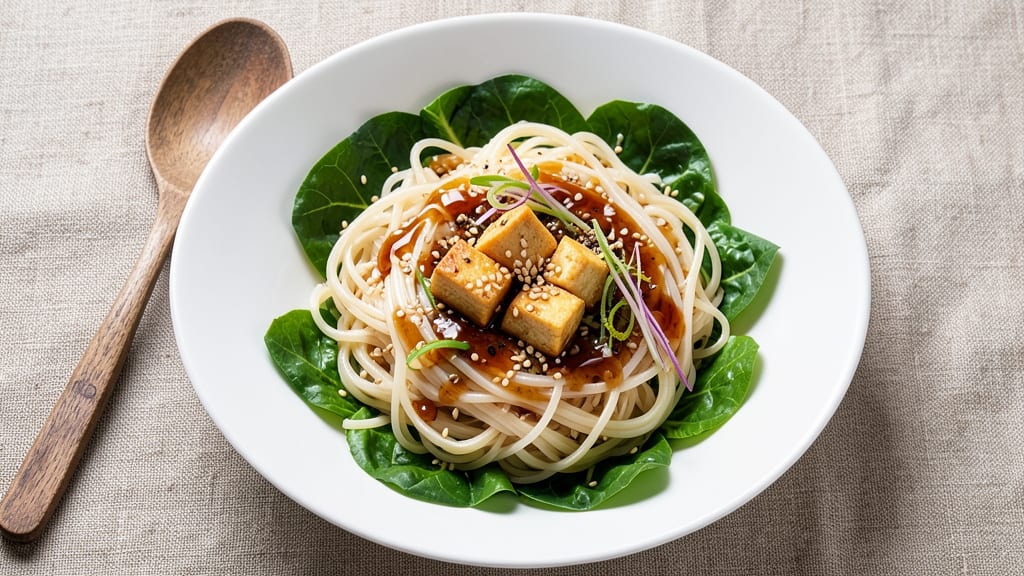
This Chinese cabbage and noodle salad recipe delivers restaurant-quality crunch and tang in just 15 minutes, proving fresh, vibrant meals don't require hours of prep. The secret lies in perfectly shredded cabbage that stays crisp after dressing, paired with chewy noodles that hold up to every bite.
I developed this version after testing dozens of combinations—balancing textures and flavors to create a dish that's both traditional and approachable.
What sets this salad apart is the dressing: a bright, umami-packed blend of rice vinegar, sesame oil, and a touch of honey that creates that signature tangy-sweet balance. The cabbage gets a quick massage with the dressing while still raw, ensuring maximum crunch without wilting.
For extra protein, pan-seared tofu adds satisfying texture and heartiness, though it's easily omitted for a fully vegetarian version.
The result is a salad that's visually stunning—vibrant green cabbage, golden noodles, and optional tofu—while delivering complex flavors in every bite. The cabbage maintains its crisp texture, the noodles provide satisfying chew, and the dressing ties everything together with perfect balance.
This is the kind of dish that transforms a simple lunch into a memorable meal.
Perfect for meal prep, potlucks, or a quick weeknight dinner, this salad keeps well for up to 2 days in the fridge. The flavors actually develop and deepen over time, making it even more delicious the next day. Let's get started!
Ingredients for chinese cabbage and noodle salad
Fresh cabbage, chewy noodles, and a tangy dressing that comes together in minutes.
| Ingredient | Amount | Notes |
|---|---|---|
| Chinese Cabbage (Napa Cabbage) 🥬 | 12 oz | Outer leaves removed, core trimmed |
| Fresh Rice Noodles 🍜 | 8 oz | Thin or medium width preferred |
| Extra-Firm Tofu 🧇 | 8 oz | Pan-seared for protein option |
| Rice Vinegar 🍶 | ⅓ cup | Seasoned or plain, to taste |
| Sesame Oil 🌰 | 1 ½ tbsp | Toasted, for aroma |
| Honey 🍯 | 1 ½ tbsp | Or agave for vegan option |
| Soy Sauce 🥢 | 2 tbsp | Low-sodium preferred |
| Sesame Seeds 🌱 | 1 tbsp | Toasted for garnish |
| Garlic Cloves 🧄 | 3 cloves | Minced for dressing |
| Fresh Ginger 🌿 | 1 tsp | Grated, for dressing |
| Vegetable Oil 🫒 | 1 ½ tbsp | For tofu pan-searing |
| Salt 🧂 | ½ tsp | Kosher or sea salt |
| Black Pepper 🌶️ | ¼ tsp | Freshly ground preferred |
| Red Pepper Flakes 🔥 | ¼ tsp | Optional for heat |
The cabbage is non-negotiable—Napa cabbage has that perfect crunch, but regular green cabbage works in a pinch if you're in a hurry. Trader Joe's usually carries pre-shredded for convenience, but I always grab whole heads and shred myself for maximum crispness. Look for leaves that are vibrant green, not wilted or yellowing. The rice noodles? Fresh rice noodles are key—they soften just right when soaked in warm water. If you can't find them, rice vermicelli is a decent swap, though the texture will be slightly different. For the tofu, extra-firm holds up best to pan-searing, and pressing it first removes excess water for better texture.
No rice vinegar? Apple cider vinegar works in a squeeze, though the flavor won't be identical. Swap honey for agave if you're avoiding it, or maple syrup for a deeper flavor. The sesame oil is where the magic happens—toasted sesame oil adds that nutty aroma, but regular will do if that's all you've got. Want to skip the tofu? Add edamame or shredded carrots for extra crunch and color. The dressing is flexible: double the soy sauce for umami punch, or add a splash of lime juice for brightness. If you're prepping ahead, store the dressing separately until ready to use—it keeps for up to a week in the fridge.
This salad tastes even better the next day—flavors meld beautifully when stored properly. Keep the cabbage and noodles separate in airtight containers, then toss with dressing just before serving to maintain that perfect crunch. The tofu, if using, reheats well in a dry pan for 2-3 minutes. Leftovers keep for 2 days in the fridge, though I rarely have any. For meal prep, I double the batch and pack it in jars—dressing on the bottom, cabbage and noodles on top. Shake it up before eating, and you've got a fresh-tasting lunch ready to go.
Why You'll Love This Recipe
- No-Cook Crunch: I swear by this when I’m too tired to boil water—just shred the cabbage, soak the noodles, and toss. The tofu stays crispy without frying, and the sesame oil adds that nutty punch with zero effort.
- Umami Bomb: Here’s what sold me—the rice vinegar’s tang cuts through the cabbage’s mildness, while the toasted tofu (pan-seared for 3 minutes) brings that savory depth. Honestly, it’s the kind of salad that makes you pause mid-bite.
- Lunchbox Legend: Between us, this is my go-to for packed lunches or potlucks. The noodles hold up for days, and I’ll add extra cabbage if I know I’ll be snacking on it cold. (Yes, even on a Tuesday night.)
- Budget Magic: A whole head of cabbage and a block of tofu stretch this salad across three meals for my family. I’ll double the batch, store it in jars, and save $20 by skipping takeout. Not the prettiest, but the taste makes up for it.
Step-by-step instructions for Chinese cabbage and noodle salad
Here's how to assemble this refreshing, crunchy salad with perfect texture and balanced flavors.
Prepare the Tofu for Maximum Crispiness
Press the 8 oz extra-firm tofu between paper towels for 15 minutes to remove excess moisture. This step is crucial—it prevents soggy tofu later. Cut the tofu into ½-inch cubes and set aside in a bowl.
Heat 1.5 tablespoons vegetable oil in a nonstick skillet over medium-high heat. Add the tofu cubes in a single layer and cook for 4-5 minutes per side until golden brown and crispy. You'll know it's ready when the edges turn a deep golden color and the tofu releases easily from the pan. Season immediately with ½ teaspoon salt and ¼ teaspoon black pepper, then transfer to a paper towel-lined plate to drain excess oil.
Shred and Soak the Fresh Rice Noodles
Rinse the 8 oz fresh rice noodles under cold water to remove excess starch, then drain well. This prevents them from becoming gummy. Transfer the noodles to a large bowl and cover with 4 cups hot water (just off boil). Let them soak for 5-7 minutes until pliable but still slightly firm to the bite—you want them al dente, not mushy.
Drain the noodles thoroughly and rinse with cold water to stop the cooking process. Toss them gently with 1 tablespoon sesame oil to prevent sticking. The noodles should be cool to the touch before assembling the salad—this ensures they maintain their texture when combined with other ingredients.
Shred and Massage the Chinese Cabbage
Remove the outer leaves and trim the core from the 12 oz Chinese cabbage (napa cabbage). Cut the cabbage in half lengthwise, then slice each half into ¼-inch thick strips. Place the cabbage in a large bowl and massage it vigorously with your hands for 2-3 minutes. This breaks down the fibers and softens the cabbage slightly without cooking it.
Add ½ teaspoon salt to the cabbage and massage for another 1 minute. This draws out moisture and helps the dressing cling better. Drain any excess liquid that collects in the bowl—you want the cabbage to be tender but not waterlogged. The cabbage should be bright green and slightly wilted but still retain its crunch.
Make the Tangy Dressing
In a small bowl, whisk together ⅓ cup rice vinegar, 1.5 tablespoons honey, 2 tablespoons soy sauce, 3 cloves minced garlic, and 1 teaspoon grated fresh ginger. The mixture should be smooth with no visible garlic or ginger pieces. Taste and adjust the balance—you want a perfect harmony of sweet, tangy, and slightly savory.
Slowly drizzle in 1 tablespoon sesame oil while whisking continuously. The dressing should coat the back of a spoon but still remain pourable. If it's too thick, add 1-2 teaspoons water to reach your desired consistency. Set the dressing aside while you finish assembling the salad—this gives the flavors time to meld slightly.
Combine and Garnish for Perfect Texture
In a large serving bowl, combine the drained noodles, massaged cabbage, and crispy tofu. Pour the dressing over the mixture and toss gently but thoroughly to coat everything evenly. The salad should look vibrant with bright green cabbage, translucent noodles, and golden tofu cubes.
Let the salad sit for 5 minutes before serving—this allows the flavors to meld together. Garnish with 1 tablespoon toasted sesame seeds and ¼ teaspoon red pepper flakes (if using) for added texture and a subtle kick. Serve immediately while the tofu is still crispy and the cabbage maintains its crunch. This salad keeps well in the refrigerator for up to 2 days, but the tofu will lose its crispness over time.
Pro Tips For Making Chinese Cabbage And Noodle Salad
- Boil Tofu Twice: I learned this the hard way—extra-firm tofu straight from the package is dense as a brick. First boil it 10 minutes to soften, then drain and boil again 3 minutes in fresh water. The second cook removes that weird beany aftertaste and gives it the perfect chewy bite for slicing. No one wants rubbery tofu in their salad.
- Shock Cabbage Cold: After chopping Chinese cabbage, plunge the pieces into ice water for 2 minutes. This stops wilting and keeps the leaves crisp even when mixed with dressing. I used to skip this, and by the time I served it, the cabbage was sad and limp—like overcooked noodles, but worse.
- Soak Noodles Separately: Fresh rice noodles stick together like glue when cooked. Divide them into 3 batches in a large bowl, pour boiling water over each, and let sit 30 seconds. Drain immediately and rinse under cold water. This guarantees individual strands instead of a single tangled mass—no one wants to chew a noodle ball.
- Dress Noodles First: Toss the cooked noodles with half the dressing before adding cabbage and tofu. The noodles absorb flavor instantly, while the raw cabbage stays crisp. I was skeptical until I tried it—now my salad has layers of taste instead of just a watery mix. (Yes, even if you're impatient like me.)
Regional styles of these flavors
Northern Chinese Style
In Northern China, this salad often features shredded napa cabbage tossed with dried egg noodles instead of fresh rice noodles. The dressing leans heavier on soy sauce and lighter on sweetness, using just a touch of vinegar and sesame oil.
I’ve seen versions with pickled mustard greens added for extra tang, and sometimes a sprinkle of crushed peanuts for crunch. The texture contrast is key—chewy noodles against crisp cabbage. 🥬
Southern Chinese Fusion
Southern regions take this salad in a sweeter direction, incorporating ingredients like shredded mango or pineapple for natural sweetness. The dressing might include hoisin sauce or chili oil for depth, and the noodles are often stir-fried briefly to add a smoky wok-hei flavor.
I’ve tried a version with charred shallots and crispy fried shallots on top—it’s like a mini celebration on a plate. The heat level is usually higher here too, with Sichuan peppercorn or dried chili added for a numbing-spicy kick.
Taiwanese Street Food Twist
Taiwanese street vendors often serve this as a quick, handheld dish with thin rice noodles and a peanut-based dressing instead of sesame oil. The cabbage gets a quick wok-fry with garlic and ginger before tossing, adding a subtle caramelized depth.
I’ve seen versions with crispy fried tofu bits mixed in for extra texture. The dressing is usually thicker, almost like a peanut sauce, and sometimes includes a splash of soy milk for creaminess. It’s a perfect balance of crunchy, creamy, and savory—ideal for street food lovers.
Japanese-Inspired Adaptation
In Japan, this salad might be called "chūkā no nitsume" and often includes shredded daikon radish mixed with the cabbage for extra crunch. The dressing takes on a mirin and ponzu twist, with a touch of yuzu juice for brightness.
I’ve made a version with soba noodles instead of rice noodles, and it adds a delightful nutty flavor. Garnishes might include thinly sliced scallions and shredded nori for an umami boost. The texture is lighter overall, with a focus on fresh, crisp ingredients.
Korean-Inspired Kimchi Noodle Salad
For a Korean-inspired take, replace the dressing with a kimchi-based sauce—simmer ½ cup kimchi juice with 1 tablespoon gochujang, 1 tablespoon honey, and 1 teaspoon sesame oil. Toss the cabbage and noodles in this spicy, tangy sauce, then top with crumbled kimchi and sesame seeds.
The heat level is higher, and the flavors are bolder, with a fermented depth that’s hard to resist. I love adding quick-pickled cucumbers for extra freshness and crunch. 🌶️
Nutrition facts
Frequently asked questions
Can I use regular green cabbage instead of Chinese cabbage?
Yes, but expect a slightly different texture. Regular green cabbage has a firmer bite and won't soften as quickly during the massage step. For best results, shred it slightly thinner (⅛-inch thick) and massage for 3-4 minutes to achieve similar tenderness. The flavor will be milder, so consider adding ½ teaspoon extra ginger or a splash of lime juice to brighten it up.
How do I keep the noodles from getting mushy?
Rinse the noodles briefly under cold water before soaking, then drain them thoroughly. Use hot water just off boil (not boiling) and soak for only 5-7 minutes—they should be pliable but still hold their shape. For extra insurance, rinse them with ice water after draining to stop the cooking process immediately. Tossing with 1 tablespoon sesame oil also helps preserve their texture.
What's the best way to store leftovers?
Store the salad components separately in airtight containers: cabbage, noodles, and tofu (if using) in one container, dressing in another. This prevents sogginess. Reassemble just before eating—toss with dressing and let sit for 5 minutes to revive textures. Leftovers keep well for 2 days, but the tofu will lose crispness. For tofu, reheat in a dry pan for 2-3 minutes to restore crunch.
Can I make this salad without tofu?
For added protein, try edamame (steamed and shelled), shredded carrots (for sweetness), or crispy fried shallots (for crunch). If you want a meat option, use grilled shrimp or thinly sliced chicken breast marinated in soy sauce and sesame oil. Just add these ingredients after tossing the main salad to maintain texture contrast.
Why does my cabbage turn limp after dressing?
This happens when the cabbage sits too long in the dressing before serving. The dressing's acidity (vinegar) breaks down the cabbage fibers over time. To fix it, massage the cabbage again with ½ teaspoon salt for 1 minute, then drain excess liquid. For future batches, assemble the salad and serve immediately after tossing—don't let it sit. If it's already limp, add 1 tablespoon cold water and toss to revive the crunch.