
Sauces & Condiments
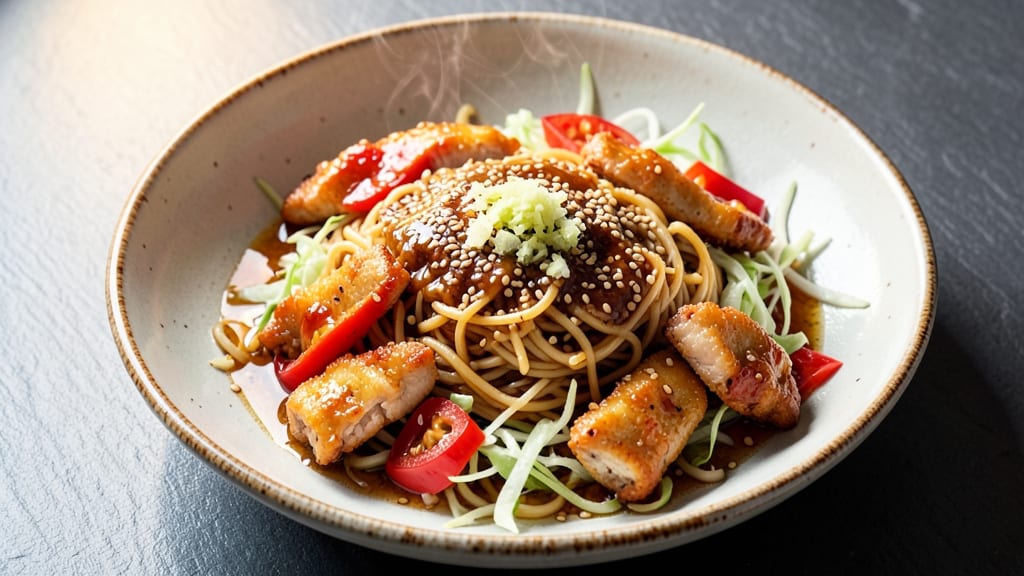
This Chinese chicken salad dressing recipe with ramen noodles transforms a pantry staple into a creamy, umami-rich sauce that clings perfectly without mayo. The secret lies in breaking down ramen noodles into a silky base, blending them with soy, sesame, and ginger for that signature Chinese flavor profile.
I developed this after realizing how often I reached for store-bought dressings that fell short of restaurant-quality depth.
The beauty of this dressing is its versatility—it works as a tangy dip for spring rolls, a glaze for grilled chicken, or the star of your Asian-inspired salad.
The texture comes from properly crushing the noodles (no blender needed) and simmering them with aromatics until they dissolve into a velvety consistency. Unlike traditional mayo-based dressings, this one stays stable and flavorful even after refrigeration.
What makes this recipe stand out is the balance of savory, sweet, and tangy notes, achieved through precise ingredient ratios. The sesame oil adds nutty depth, while rice vinegar brightens the flavor without overpowering.
Best of all, it requires just 10 minutes of active prep and keeps well for up to a week in the fridge.
Perfect for meal prep or last-minute dinners, this dressing elevates any dish it touches—whether you're drizzling it over greens, tossing it with noodles, or using it as a marinade. The result is a sauce that's restaurant-worthy but simple enough for weeknight cooking.
Ingredients for chinese chicken salad dressing recipe with ramen noodles
Pantry staples meet Asian-inspired flavors in this umami-packed dressing.
| Ingredient | Amount | Notes |
|---|---|---|
| Unseasoned Ramen Noodles 🍜 | 2 packages | Discard seasoning packet |
| Light Soy Sauce 🍶 | ½ cup | Kikkoman preferred for balance |
| Rice Vinegar 🍶 | ¼ cup | Seasoned for extra tang |
| Sesame Oil 🫒 | 1 tbsp | Toasted for nutty depth |
| Fresh Ginger 🌿 | 1 tbsp | Finely grated, not powdered |
| Garlic Cloves 🧄 | 3 cloves | Minced for aromatic punch |
| Honey 🍯 | 1 tbsp | Wildflower for floral notes |
| Sesame Seeds 🌰 | 1 tbsp | Toasted for crunch |
| Water 💧 | ½ cup | Room temperature preferred |
| Salt 🧂 | ½ tsp | Diamond Crystal preferred |
The ramen noodles are the star—unseasoned packs are key since we control the flavor. Nissin or Samyang brands work best for their delicate texture. Fresh ginger and garlic need to be finely minced (a microplane for ginger, a knife for garlic) to dissolve properly into the sauce. Sesame oil adds that signature nutty depth, but toast the seeds separately so they stay crunchy for texture contrast. I always grab the Kikkoman soy sauce for its clean, balanced flavor—avoid the 'low-sodium' versions here since we're building layers of umami.
No sesame oil? Toasted peanut butter at half the amount works in a pinch, though the flavor profile shifts slightly. Short on ginger? Substitute 1/4 tsp ground ginger, but fresh is ideal. The honey can be swapped for agave nectar if you prefer a neutral sweetener. For extra richness, add 1 tsp tahini to the blend. The water measurement is flexible—add more if the dressing feels too thick, but we want it silky, not watery. If you're using seasoned ramen packets, rinse them thoroughly to remove excess salt.
This dressing keeps beautifully—1 week in the fridge sealed in a jar. The flavors actually deepen overnight, so making it ahead is ideal. For extra crunch, toast the sesame seeds in a dry pan for 2 minutes before adding. If storing for longer than a week, freeze portions in ice cube trays—perfect for single-use servings. The texture remains smooth when thawed, though it may separate slightly. Just give it a quick whisk before using.
Why You'll Love This Recipe
- Pantry Magic: I swear by this one—no specialty ingredients, just what’s already in my cupboard. The unseasoned ramen noodles? They’re the secret sauce here, blending into a creamy, umami-packed base that tastes way fancier than it is.
- Ginger-Sesame Zing: That fresh ginger and sesame oil combo is chef’s kiss—bright, nutty, and just a little spicy. Honestly, the dressing tastes like it belongs in a high-end restaurant, not something thrown together in 10 minutes.
- Double Duty Dressing: Use it on salads, drizzle it over grilled chicken, or toss it with cold noodles for a quick meal. I’ve even used it to glaze roasted veggies—versatile enough to handle whatever you throw at it.
- Budget Game-Changer: Between us, this is my wallet’s best friend. A pack of ramen and a bottle of soy sauce cost pennies, yet it delivers restaurant-quality flavor. Leftovers? They keep for days, so I’m always covered.
Step-by-step instructions for Chinese chicken salad dressing with ramen noodles
Here's how to make this addictive, crunchy dressing that clings perfectly to greens.
Cook and Toast the Ramen Noodles for Crunch
Bring a small pot of water to a boil and add the 2 packages of unseasoned ramen noodles. Cook for exactly 3 minutes—this keeps them al dente and prevents mushiness. Immediately drain and rinse under cold water to stop the cooking process.
Spread the drained noodles on a baking sheet and toast in a 350°F oven for 8-10 minutes, stirring halfway, until they're golden brown and crispy. This toasting step is crucial—it removes any remaining moisture and creates that satisfying crunch. Let them cool completely before proceeding.
Build the Flavor Base with Aromatics and Vinegar
In a food processor, combine the 0.5 cup light soy sauce, 0.25 cup rice vinegar, 1 tbsp sesame oil, and 0.5 cup water. Pulse until fully blended, then add the 1 tbsp finely grated fresh ginger and 3 minced garlic cloves. Process until smooth, scraping down the sides as needed.
The mixture should be slightly thick but pourable. Here's the thing—this combination of soy and vinegar creates that signature umami-tangy balance that makes Asian dressings so addictive. Don't skip the ginger and garlic; they're what elevates this from basic to restaurant-quality.
Sweeten and Finish with Toasted Sesame
Transfer the mixture to a bowl and stir in the 1 tbsp honey and 0.5 tsp salt. Taste and adjust—you might want a touch more sweetness or salt depending on your preference. Then add the 1 tbsp toasted sesame seeds and mix well.
Finally, fold in the cooled, crispy ramen noodles using a silicone spatula. The noodles should be evenly distributed but still visible—this gives that signature crunch without overwhelming the dressing. The texture should be like a thick, clingy sauce with little bursts of crispiness throughout.
Rest and Adjust for Perfect Texture
Let the dressing sit at room temperature for 10-15 minutes before using. This resting time allows all the flavors to meld together perfectly. If it's too thick after resting, whisk in 1-2 teaspoons of water at a time until it reaches a pourable consistency that coats the back of a spoon.
The dressing should cling beautifully to greens or chicken without being gluey. For best results, toss it with your salad just before serving—this preserves that perfect crunch. Store any leftovers in an airtight container in the refrigerator for up to 5 days, though I doubt it'll last that long!
Pro Tips For Making Chinese Chicken Salad Dressing Recipe With Ramen Noodles
- COOK NOODLES AL DENTE THEN SHOCK: I learned this the hard way—overcooked ramen turns mushy in dressing. Boil for 2 minutes less than package instructions, then dump into ice water for 30 seconds. The shock stops cooking and keeps them firm enough to hold up in the dressing.
- GRATE GINGER FINE, NOT JULIENNE: Thin slices or julienne strips of ginger just sit there looking pretty—they don’t infuse. Use the small holes of a box grater for a paste-like texture that dissolves into the dressing. (Yes, even if you’re impatient like me.)
- BALANCE SOY AND VINEGAR IN STEPS: Dumping all the soy sauce first makes the dressing taste flat. Start with half the soy, taste, then add rice vinegar drop by drop—you’ll need less than you think. The vinegar brightens the flavor, not the other way around.
- SAVE TIME WITH SESAME OIL LAST: Add sesame oil at the very end—it burns easily and overpowers if heated. A few drops (start with ½ teaspoon) after everything else is mixed keeps its nutty aroma intact. (Your future self will thank you.)
Regional styles of these flavors
Cantonese-Inspired
This dressing draws heavy inspiration from Cantonese cuisine, where soy sauce and sesame are staples. The balance of light soy sauce and rice vinegar mimics classic hoisin sauce flavors but with a lighter, more refreshing profile.
I often think of it as a cross between a peanut sauce and a sesame dressing—perfect for the bold flavors of Chinese-American dishes. 🌶️
The toasted sesame seeds and sesame oil are non-negotiable for that authentic nutty depth. For extra authenticity, add ½ tsp white pepper to the blend—it’s a subtle but key flavor in many Cantonese dressings.
This version works especially well with grilled chicken or cucumber salads, just like you’d find in a Hong Kong-style restaurant.
Japanese-Inspired Twist
While rooted in Chinese flavors, this dressing easily adapts to Japanese-inspired dishes. Swap the light soy sauce for dark soy sauce (just 1 tbsp) to deepen the color and add a richer umami.
The rice vinegar already bridges the gap, but you could also add 1 tsp mirin for a touch of sweetness and complexity. This version pairs beautifully with sashimi, tempura, or miso-glazed proteins.
For a Japanese-style crunch, replace the sesame seeds with 1 tsp toasted nori flakes—they add a seaweedy depth that complements the dressing’s savory notes. I’ve used this variation as a dipping sauce for edamame or a glaze for teriyaki chicken, and it’s always a hit.
The key is keeping the ginger and garlic prominent for that signature Japanese-Chinese fusion.
Thai Fusion Adaptation
Want to kick things up a notch? Add 1 tbsp fish sauce and 1 tsp palm sugar (or brown sugar) to lean into Thai-inspired flavors.
The ramen noodles still provide that satisfying crunch, but the dressing now has a tangy, slightly sweet profile that works with Thai basil, mango slices, or grilled shrimp. This version is perfect for a Thai chicken salad or as a dipping sauce for spring rolls.
For extra heat, stir in ½ tsp chili garlic sauce or 1 tsp sambal oelek before serving. The sesame oil and soy sauce base keeps it cohesive, while the Thai additions add a bright, spicy kick.
I’ve even used this as a marinade for tofu—the noodles add texture, and the dressing clings perfectly to the protein. 🌶️
Korean-Inspired Variation
To give this dressing a Korean twist, replace the rice vinegar with 1 tbsp gochujang (Korean chili paste) and add 1 tsp gochugaru (Korean chili flakes) for heat.
The ramen noodles still hold up beautifully, but now the dressing has a spicy, fermented depth that pairs well with kimchi, bulgogi beef, or cold noodle salads. This version is like a Korean-style peanut sauce but with the crunch of ramen. 🔥
For extra umami, add 1 tsp doenjang (Korean soybean paste) to the base. The sesame oil and soy sauce still provide that familiar Asian flavor profile, but the gochujang adds a fiery, tangy punch.
This is my go-to for Korean BBQ chicken bowls or as a dipping sauce for mandu (dumplings). The texture remains creamy but with a bold, spicy edge.
Nutrition facts
Frequently asked questions
Can I use seasoned ramen noodles for this dressing?
No, always use unseasoned ramen noodles for this recipe. The seasoning packets contain excess salt and preservatives that can overpower the delicate balance of flavors. If you only have seasoned noodles, rinse them thoroughly under cold water after cooking to remove as much seasoning as possible.
How do I get the dressing to be extra creamy without mayo?
The key is properly cooking and toasting the ramen noodles until they're completely dry and crispy. When you blend them with the other ingredients, they break down into a silky texture. For extra creaminess, add 1 tablespoon of tahini or 1 teaspoon of cornstarch mixed with the water before combining.
Can I make this dressing ahead of time?
This dressing actually tastes better after resting. Store it in an airtight container in the fridge for up to 5 days. The flavors meld together beautifully, and it's perfect for meal prep. Just give it a quick whisk before using to restore the texture.
What's the best way to store leftover dressing?
Keep it in an airtight container in the refrigerator. The dressing will keep for 5-7 days at fridge temperature. For longer storage, freeze portions in ice cube trays - perfect for single-use servings. Thaw overnight in the fridge before using.
Can I adjust the spice level in this dressing?
Yes, you can easily modify the heat. For mild flavor, reduce or omit the garlic. For more heat, add ½ teaspoon of red pepper flakes or 1 teaspoon of sriracha when you combine all the ingredients. The dressing's creamy texture helps balance any added heat.