
Salads
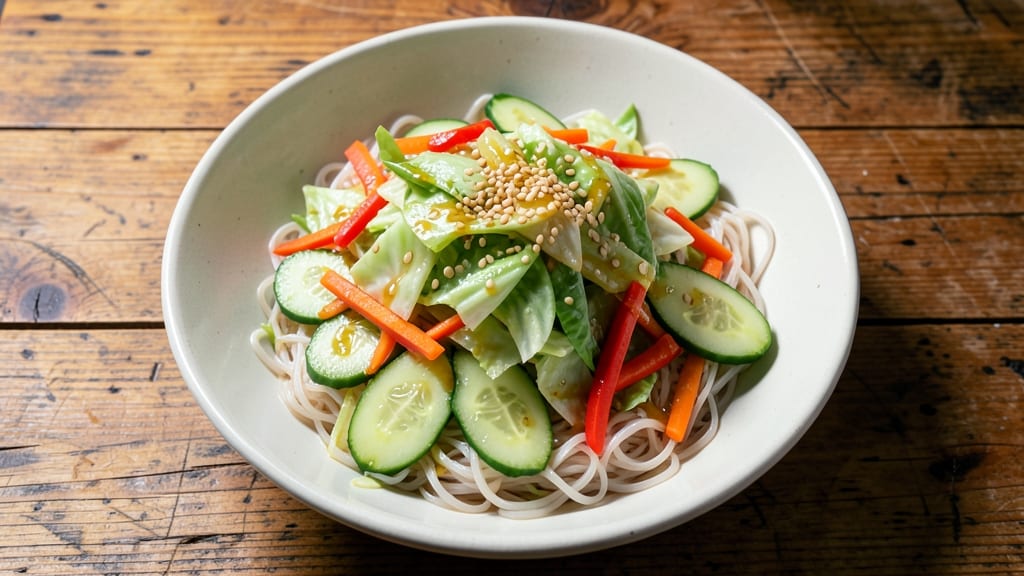
This Chinese chopped salad recipe transforms a simple bowl into a vibrant fusion of textures and flavors. 💛 Crispy noodles, fresh vegetables, and a tangy sesame dressing come together to create a dish that’s both refreshing and satisfying.
The secret lies in perfectly balancing sweet, savory, and umami notes, making it a standout for any meal.
What sets this recipe apart is the combination of traditional Chinese flavors with a modern twist. The salad features a crisp-tender mix of noodles, shredded cabbage, carrots, and cucumbers, all tossed in a dressing that’s rich with sesame oil, soy sauce, and a touch of honey.
The result is a harmonious blend of crunch, creaminess, and depth that’s impossible to resist.
Ready in just 20 minutes, this dish delivers restaurant-quality results with minimal effort. The noodles absorb the dressing beautifully, while the vegetables stay crisp, ensuring every bite is packed with flavor.
Whether served as a light lunch or a side dish, this salad is a crowd-pleaser that’s sure to become a staple in your meal rotation.
For added versatility, you can easily customize it with protein swaps like grilled chicken, shrimp, or tofu. Pair it with a chilled glass of jasmine tea or a crisp white wine to elevate the dining experience. Let’s get started on creating this delicious fusion dish!
Ingredients for chinese chop salad
Crispy noodles, fresh veggies, and a tangy sesame dressing make this salad a vibrant fusion dish.
| Ingredient | Amount | Notes |
|---|---|---|
| Rice Noodles 🍜 | 8 oz | Thin or medium width, uncooked |
| Green Cabbage 🥬 | 3 cups | Shredded, outer leaves removed |
| Carrots 🥕 | 1 medium | Julienned or thinly sliced |
| English Cucumber 🥒 | 1 whole | Seedless, thinly sliced |
| Red Bell Pepper 🌶️ | 1 whole | Thinly sliced, any color |
| Sesame Oil 🫒 | 2 tbsp | Toasted sesame oil preferred |
| Light Soy Sauce 🍶 | 3 tbsp | Or tamari for gluten-free |
| Rice Vinegar 🍶 | 2 tbsp | Seasoned for extra flavor |
| Honey 🍯 | 1 tbsp | Or agave for vegan option |
| Toasted Sesame Seeds 🌾 | 1 tbsp | For garnish, plus extra |
| Garlic Cloves 🧄 | 2 cloves | Minced for dressing |
| Ginger 🌿 | 1 tsp | Fresh, grated |
| Vegetable Oil 🫒 | 1 tbsp | For stir-frying noodles |
| Salt 🧂 | ½ tsp | Kosher or sea salt |
| Black Pepper 🌶️ | ¼ tsp | Freshly ground |
The noodles are the backbone of this salad. Rice noodles from Trader Joe's or Asian markets stay crispy when cooked just right—soak them in warm water for 5-7 minutes, then rinse with cold water to stop cooking. Look for thin or medium-width varieties for that classic chop salad texture. The cabbage should be crisp and white inside, not yellow or wilted. If you're short on time, pre-shredded coleslaw mix works in a pinch, but fresh is always better. For extra crunch, slice the carrots and cucumber just before tossing—they soften fast once cut.
No sesame oil? Toasted peanut oil or even a splash of toasted sesame paste thinned with water works in a bind. The honey adds that perfect sweetness, but maple syrup or agave keeps it vegan. If you're avoiding soy, coconut aminos replace the soy sauce. The garlic and ginger are non-negotiable for that authentic flavor—fresh is best, but if you're using powdered, double the amount. For protein, add grilled shrimp or cubed tofu right before serving so they stay warm. The bell pepper can be swapped for green onions or bean sprouts if you're feeling adventurous.
This salad tastes even better the next day—just store it in an airtight container with a paper towel to absorb moisture. Keeps for 2-3 days in the fridge, though the noodles get softer over time. For extra crunch, add toasted sesame seeds or crushed peanuts right before serving. The dressing separates? Just give it a quick shake or stir. And if you make extra? Toss it with chilled soba noodles for a quick ramen-style bowl.
Why You'll Love This Recipe
- No Fuss Assembly: I swear by this one—just toss in pre-sliced veggies (or chop them while watching TV) and blister the noodles. The cabbage stays crisp, the carrots add sweet crunch, and the bell pepper? That bright pop of color means zero effort but maximum vibrancy.
- Crunchy-Creamy Magic: Between us, the secret’s in the dressing—sesame oil, a splash of rice vinegar, and a touch of soy. It clings to the noodles like a hug while the cucumber’s cool bite cuts through the richness. Honestly, the first bite makes me forget it’s "just" a salad.
- Lunchbox Hero: Pack it cold for work or school—no soggy mess, just layers of texture that hold up for hours. My kids (yes, even the picky one) ask for it on Fridays, and it’s the only thing I can think of that turns a boring afternoon into a "yum" moment.
- Budget Crunch: Green cabbage lasts forever, bell peppers are cheap, and rice noodles stretch like a dream. I’ve made this for six people on $8 worth of groceries, and no one ever guesses it’s not takeout. Leftovers? They’re my secret weapon for lazy nights.
Step-by-step instructions for crunchy noodles and tangy sesame dressing fusion
Here's how to make this vibrant, crunchy salad with perfect texture and bold flavors.
🍳 Step 1: Prepare the Crunchy Vegetable Base
Start by prepping all your vegetables while the noodles soak. In a large mixing bowl, combine the 3 cups shredded green cabbage, 1 medium julienned carrot, 1 whole thinly sliced English cucumber, and 1 whole thinly sliced red bell pepper. Give everything a good toss with your hands to distribute the juices evenly.
I like to work in stages here—first handle the cabbage and carrots, then add the cucumber and bell pepper last so they don't get soggy from the cabbage's moisture. If using pre-shredded cabbage, give it a quick rinse to remove any grit. The goal is to have everything cut into similar-sized pieces so they cook and absorb flavors uniformly.
👨🍳 Step 2: Cook the Rice Noodles Just Right
Bring a large pot of water to a rolling boil. Add the 8 oz rice noodles and cook for exactly 3 minutes—this is crucial. Rice noodles cook faster than you think, and overcooking makes them mushy. You want them to be tender but still hold their shape with a slight bite.
Drain the noodles immediately in a colander and rinse under cold water for 10 seconds to stop the cooking process. Toss the noodles with 1 tbsp vegetable oil while still slightly warm to prevent sticking. Let them cool completely before adding to the salad—this keeps them from getting soggy from the cabbage's moisture.
🥘 Step 3: Whisk Up the Tangy Sesame Dressing
In a small bowl, combine 3 tbsp light soy sauce, 2 tbsp rice vinegar, 1 tbsp honey, 2 tbsp sesame oil, 2 cloves minced garlic, and 1 tsp grated ginger. Whisk vigorously for 30 seconds until everything is fully incorporated and the mixture is smooth.
Here's where the magic happens: Taste the dressing before adding it to the salad. You might want to add a pinch more honey for sweetness or a splash of water if it's too thick. The dressing should coat the back of a spoon but still be pourable. I always keep a little extra on the side—this salad tastes even better after sitting for 10 minutes as the flavors meld.
🍽️ Step 4: Assemble the Perfect Chopped Salad
In a large serving bowl, combine the cooled noodles with the vegetable mixture. Pour the dressing over everything and toss gently but thoroughly. You want the noodles and vegetables to be well-coated but not smashed—this keeps that satisfying crunch.
Let the salad sit for 5 minutes before serving. This gives the dressing time to penetrate the noodles and vegetables, creating that perfect balance of flavors. Sprinkle with 1 tbsp toasted sesame seeds and an extra pinch of 0.5 tsp salt and 0.25 tsp black pepper right before serving to add texture and depth.
Pro Tips For Making Chinese Chop Salad
- SOAK NOODLES UNTIL AL DENTE: I learned this the hard way—rice noodles turn mushy if you over-soak them. Test one strand at a time in boiling water for 30 seconds; they should hold shape but still have a slight bite. Drain immediately after they’re done—no waiting.
- SHRED CABBAGE THIN AND DRY IT: Thin, almost translucent shreds of cabbage make all the difference in this salad. Use a mandoline or sharp knife, then toss the shreds with a pinch of salt and let them sit for 5 minutes before rinsing. This removes excess moisture so they don’t turn soggy when mixed with the dressing.
- CUT CUCUMBER IN HALF FIRST: Skip the peeling if you’re short on time, but always halve the cucumber lengthwise before slicing. This prevents bitter juice from seeping into the salad and keeps the texture crisp. A quick scrape with a spoon removes the seeds if you’re feeling fancy.
- DRESS NOODLES SEPARATELY: Mixing dressing directly with the noodles makes them soggy before you even toss in the veggies. Toss the noodles with just a teaspoon of oil first, then add the dressing to the veggies and combine everything at the last minute. This keeps the crunch intact.
Common mistakes when making perfect results
Overcooking Noodles
Rice noodles are delicate and cook faster than you might expect. I’ve ruined more chop salads than I’d like to admit by leaving them in boiling water too long—3 minutes max is key.
Overcooked noodles turn mushy and lose their satisfying bite. Always drain immediately and rinse with cold water for 10 seconds to stop the cooking process. 💛
Skipping the Cold Water Rinse
After cooking, never skip rinsing the noodles under cold water. This critical step stops the cooking process and prevents them from turning into a soggy mess when mixed with the cabbage’s moisture.
I learned this the hard way when my first attempt resulted in a sad, watery salad. The cold water also helps set the noodles’ texture for that perfect crunch.
Using Wilted Vegetables
Fresh, crisp vegetables are non-negotiable for this salad. If your cabbage has yellow or wilted spots, it’ll make the entire dish taste bland and limp. I always check for crispness by squeezing the cabbage leaves—if they feel soft, skip them.
For extra crunch, slice the cucumber and carrots just before assembling the salad, as they soften quickly once cut.
Adding Dressing Too Early
Tossing the dressing with the salad immediately after assembly can make the noodles and softer veggies soggy. Instead, let the salad sit for 5 minutes before adding the dressing, or even better, toss it just before serving.
This ensures the noodles stay crisp and the vegetables retain their texture. Pro tip: Keep the dressing separate until the last minute for maximum crunch. ✨
Neglecting the Resting Time
This salad tastes even better after sitting for 10 minutes—it’s not just my imagination! The dressing has time to penetrate the noodles and vegetables, creating a harmonious blend of flavors.
Skipping this step means missing out on that restaurant-quality depth. I promise, the wait is worth it for that perfect balance of tangy, sweet, and umami. 🌟
Overloading with Protein
If you’re adding protein like shrimp or tofu, add it right before serving to keep it warm and tender. Overloading the salad with too much protein can overwhelm the delicate balance of flavors and textures.
I like to use 4 oz of protein per serving as a guideline—just enough to complement, not dominate, the dish. The goal is crunch and freshness, not a heavy meal.
Nutrition facts
Frequently asked questions
Can I use regular pasta instead of rice noodles?
Rice noodles are ideal because they stay crispy when cooked just right, but you can substitute with egg noodles or soba noodles for a similar texture. Avoid wheat pasta—it gets too soft and absorbs too much moisture from the vegetables. For best results, cook the substitute noodles 1 minute less than package instructions and rinse with cold water immediately.
How do I make this salad vegetarian?
Swap the protein for crispy tofu cubes, edamame, or mushrooms stir-fried with sesame oil. For extra depth, add 1 tbsp miso paste to the dressing. The salad already has plant-based ingredients, so no other changes are needed—just focus on keeping everything crisp and fresh!
Why does my salad get watery after mixing?
This happens when cabbage releases too much moisture or noodles overcook. To fix it: Drain and rinse all veggies well (especially cabbage), cook noodles exactly 3 minutes, and rinse them in cold water immediately. For extra insurance, toss the salad with a paper towel to absorb excess liquid before adding dressing.
Can I prepare this salad ahead of time?
Yes! Store the dressing separately and assemble the salad 1-2 hours before serving—this lets flavors meld without sogginess. Keep it in an airtight container with a paper towel to absorb moisture. Add dressing and toss just before eating for maximum crunch. The noodles will soften slightly but still hold their texture.
What's the best way to add protein without overpowering?
Add protein last minute (like shrimp or chicken) to keep it warm and tender. Use 4 oz per serving max—think of it as a complement, not the star. For extra harmony, marinate protein in 1 tbsp soy sauce + 1 tsp honey before adding. This enhances the salad's flavors without overwhelming the delicate balance.