
Salads
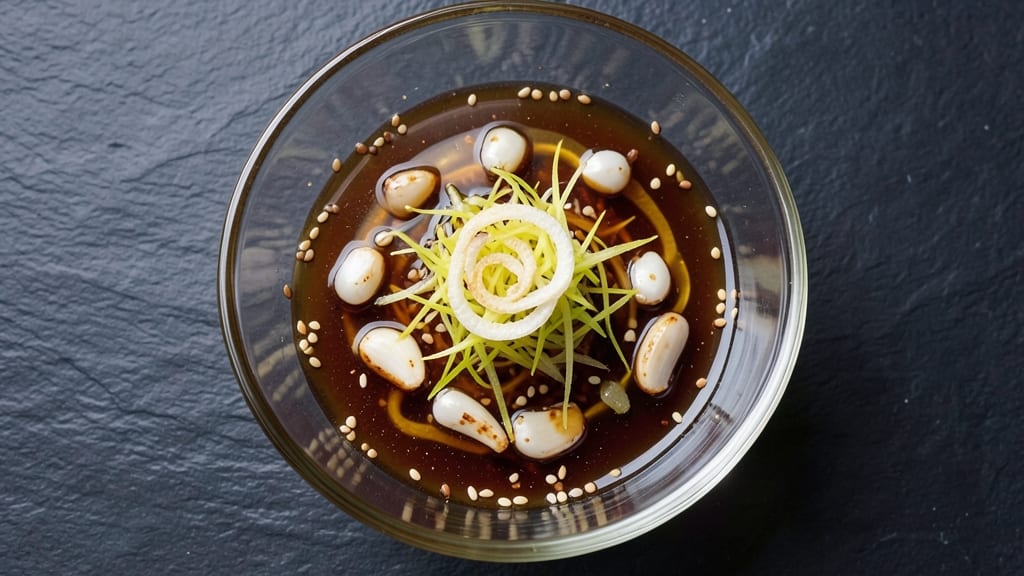
This Chinese noodle salad dressing recipe transforms simple ingredients into a bold sesame-ginger tang with layers of umami and brightness. The secret lies in balancing soy sauce's saltiness with ginger's zing and sesame oil's nutty depth—creating a sauce that clings perfectly to cold noodles while enhancing every bite.
I developed this after craving that restaurant-quality flavor at home, and it never fails to elevate store-bought or homemade noodles.
The foundation starts with a simple mix of soy sauce, rice vinegar, and a touch of honey for subtle sweetness. Fresh ginger and garlic add aromatic warmth, while sesame oil brings that signature nutty richness.
Toasted sesame seeds and sliced green onions serve as both garnish and flavor boosters, giving each spoonful texture and visual appeal. What makes this dressing special is its versatility—it works equally well on chilled soba, ramen, or even as a dipping sauce for dumplings.
What you'll achieve is a dressing that's tangy yet balanced, with a slight sweetness that cuts through the savory umami. The ginger and garlic infuse the oil with aromatic depth, while the sesame seeds add crunch that contrasts beautifully with soft noodles.
This recipe delivers restaurant-quality flavor in just minutes, with ingredients you likely already have on hand. The best part? It keeps well in the fridge for up to a week, so you can make a batch and use it all week long.
For extra depth, let the dressing sit for 10 minutes before using—this allows the flavors to meld and intensify. Adjust the sweetness or tang to your preference by tweaking the honey or vinegar ratios.
Whether you're prepping for a meal or need a quick flavor boost, this dressing is your secret weapon for turning ordinary noodles into something extraordinary. Let's get started!
Ingredients for chinese noodle salad dressing
Nine simple ingredients blend into a dressing that transforms ordinary noodles into something extraordinary.
| Ingredient | Amount | Notes |
|---|---|---|
| Soy Sauce 🍶 | ⅓ cup | Light or dark variety preferred |
| Rice Vinegar 🍶 | ¼ cup | White or seasoned works best |
| Honey 🍯 | 2 tbsp | Substitute maple syrup if preferred |
| Fresh Ginger 🌿 | 2 tbsp | Finely grated, aromatic variety |
| Garlic Cloves 🧄 | 3 cloves | Minced for aromatic depth |
| Sesame Oil 🫒 | 2 tbsp | Toasted sesame oil for richness |
| Toasted Sesame Seeds 🌰 | 2 tbsp | For crunch and visual appeal |
| Green Onions 🧅 | 2 whole | Thinly sliced, white and green parts |
| Vegetable Oil 🫒 | 1 tbsp | Light neutral oil for balance |
| Sesame Seeds 🌰 | 1 tbsp | Extra for garnish if desired |
The soy sauce and rice vinegar form the base of this dressing, so grab high-quality brands—Kikkoman soy sauce and seasoned rice vinegar from Trader Joe's are my go-tos. Fresh ginger is non-negotiable here; organic ginger from the produce section has the best zing. Toasted sesame oil is worth the splurge—look for it in the Asian foods aisle or order online if your store doesn't carry it. For sesame seeds, bulk bins at Whole Foods offer the freshest, most flavorful option. If you can't find toasted sesame oil, toast regular sesame oil in a pan for 30 seconds until fragrant—it makes a world of difference.
No sesame oil? Avocado oil or neutral oil plus extra sesame seeds works in a pinch, though the flavor won't be identical. Short on fresh ginger? Powdered ginger at half the amount gets you close, but it lacks that bright, fresh kick. For extra depth, add a dash of chili flakes or a pinch of red pepper flakes if you like a little heat. The honey can be swapped for agave nectar or maple syrup—just remember it's what balances the tangy and savory flavors. If you're making this ahead, store the dressing without the sesame seeds and green onions—add them fresh when ready to serve for maximum crunch and brightness.
This dressing keeps beautifully in the fridge for up to 1 week, though it tastes best within the first 3-4 days. For long-term storage, transfer to a small glass jar and freeze for up to 3 months. When ready to use, shake or whisk vigorously to re-emulsify. The dressing works best when allowed to sit for 10 minutes before using—this lets the flavors meld and intensify. I like to make a big batch on Sundays so I can dress noodles all week long. Garnish with extra sesame seeds and green onions right before serving for that restaurant-quality touch.
Why You'll Love This Recipe
- Five-Ingredient Magic: I swear by this combo—soy sauce, rice vinegar, honey, ginger, and garlic. That’s it. No fancy gadgets, no last-minute grocery runs. Honestly, I keep the ingredients stocked just for this dressing because it’s the kind of thing that turns a sad salad into something you’ll actually eat.
- Umami-Packed Punch: The garlic and ginger sizzle in the pan for all of 30 seconds, then the honey and vinegar cut through with this perfect balance—salty, sweet, tangy, and just a little spicy. It’s the kind of flavor that makes you pause mid-bite, like, “Wait, why haven’t I done this sooner?”
- Lunchbox Hero: Between us, this is my go-to for packed lunches. Drizzle it over cold noodles with shredded carrots and cucumber, and it stays fresh for three days. My kids used to complain about school lunches—now they fight over who gets the extra dressing. (Yes, even on a Tuesday night.)
- Budget Stretch: A little goes a long way, and I’m not kidding—this recipe costs me pennies but feels like a restaurant special. I’ll make a big batch, store it in the fridge, and use it for everything from quick stir-fries to drizzling over grilled chicken. No waste, all flavor.
Step-by-step instructions for Chinese noodle salad dressing
This dressing delivers perfect balance—bright, nutty, and packed with umami in minutes.
Grate and Mince Aromatics for Maximum Flavor
Start by finely grating the 2 tablespoons of fresh ginger using a microplane or fine grater. You want a smooth paste with no visible texture—this ensures even distribution and prevents gritty bits in your dressing. Set aside in a small bowl.
Next, mince the 3 cloves of garlic as finely as possible. I like to use the flat side of my chef's knife to press down gently—this releases more aroma and creates a smoother texture. The garlic should be almost paste-like, not chopped chunks. Both ginger and garlic will infuse their bold flavors into the dressing, so don't skip this step.
Whisk Together Wet Ingredients for Smooth Emulsion
In a medium bowl, combine the 0.33 cup soy sauce, 0.25 cup rice vinegar, and 2 tablespoons honey. Whisk vigorously for about 30 seconds until the honey dissolves completely. The mixture should be smooth with no visible streaks—this ensures your dressing will coat the noodles evenly.
Add the grated ginger and minced garlic to the bowl. Stir well to incorporate, then drizzle in the 1 tablespoon vegetable oil while whisking continuously. This oil helps create a silky texture and prevents the dressing from separating later. The mixture should now have a rich, aromatic smell—this is where all the umami magic begins.
Add Sesame Oil and Toasted Seeds for Depth
With the bowl still holding your wet mixture, slowly drizzle in the 2 tablespoons sesame oil while whisking constantly. This step is crucial—adding it too quickly can cause the dressing to break. You'll notice the color darken slightly and the aroma become even more complex. The sesame oil carries nutty richness that balances the tangy vinegar.
Finally, stir in the 2 tablespoons toasted sesame seeds using a wooden spoon. These aren't just for garnish—they add subtle crunch and earthy flavor. I like to press the seeds lightly against the bowl's side to break them up slightly, ensuring they distribute evenly throughout the dressing. The texture should now be thick but pourable, with visible specks of sesame.
Thin and Adjust to Perfect Consistency
Taste the dressing immediately. If it's too thick to coat the back of a spoon, whisk in 1-2 teaspoons of warm water at a time until you reach a smooth, pourable consistency. The dressing should cling to noodles without being watery—think of it like a glossy glaze rather than a heavy sauce.
Adjust seasoning if needed: add a pinch more soy sauce for saltiness, a splash of rice vinegar for tang, or a drizzle of honey for sweetness. The dressing should balance all flavors—salty, sweet, tangy, and nutty—with no single element overpowering. Once perfect, cover and let it sit at room temperature for 10 minutes to allow flavors to meld completely before using.
Finish with Fresh Garnish for Brightness
Just before serving, thinly slice the 2 whole green onions (white and green parts separated). Fold the whites into the dressing for subtle flavor, while reserving the greens for garnish. Sprinkle the 1 tablespoon sesame seeds over the top of your noodle salad just before tossing.
This final step adds freshness and visual appeal. The green onions cut through the richness, while the sesame seeds provide that signature crunch. Toss the dressing with your noodles immediately before serving—this ensures maximum flavor absorption and prevents the dressing from becoming too thick as it sits.
Pro Tips For Making Chinese Noodle Salad Dressing
- MINCE THE GINGER FINE: I learned this the hard way—chopping ginger into big chunks just sits there like a bitter afterthought. Use a sharp knife and go for a paste-like texture, almost like you’re grating it. This way, it blends smoothly and infuses every drop of dressing without leaving chewy surprises.
- GARLIC: PEEL FIRST, THEN SMASH: Peeling garlic cloves mid-chop is a mess. Instead, smash the whole clove with the flat side of your knife before peeling—it softens the skin and makes peeling effortless. Then chop while fresh, because pre-minced garlic (even the fancy jar kind) tastes like regret in this dressing.
- WHISK IN STAGES: Dumping all ingredients at once and hoping for the best? That’s how you end up with a lumpy, uneven mess. Start with soy sauce and honey, whisk until fully combined, then add vinegar and ginger. Finally, fold in the garlic—this keeps the texture silky and the flavors balanced.
- SWEETEN THE VINEGAR GRADUALLY: Rice vinegar’s sharpness can overpower if you’re not careful. Start with half the honey called for, taste, then add more if needed. I was skeptical until I tried it—this way, the dressing stays bright and tangy without turning cloyingly sweet. (Your future self will thank you.)
Storing and reheating your chinese noodle salad dressing
Fridge Storage Tips
Store your dressing in a small glass jar with a tight-sealing lid—this preserves freshness and prevents contamination. I keep mine in the fridge for up to 7 days, though it tastes best within the first 3-4 days.
The glass container also lets me see the dressing's consistency at a glance, making adjustments easier. Always let the dressing cool completely before refrigerating to avoid condensation buildup. 🥫
Freezing for Later
For long-term storage, freeze the dressing in ice cube trays—this makes portion control effortless. Once frozen, transfer cubes to a freezer bag and flatten to save space. Thaw overnight in the fridge before using, then whisk vigorously to restore its silky texture.
The dressing maintains quality for up to 3 months this way, perfect for batch prepping. 🧊
Reheating Secrets
If your dressing thickens in the fridge, revive it by whisking in 1 teaspoon of warm water at a time until smooth. For extra richness, add a dash of toasted sesame oil when reheating—this restores that nutty depth.
Never microwave the dressing directly; instead, place the jar in a bowl of warm water for 1-2 minutes to gently thaw and re-emulsify. 🔥
Garnish Freshness
Always add toasted sesame seeds and green onions fresh from the fridge—these provide the crunch and brightness that stored dressing lacks. I keep a small bowl of pre-sliced green onions in the fridge for quick access.
For extra flair, sprinkle crushed red pepper flakes or cilantro just before serving to elevate the dish. ✨
Noodle Prep Tips
Chill your noodles in the fridge for 15-20 minutes before tossing with dressing—this prevents them from becoming mushy. If using dried noodles, rinse them under cold water after cooking to stop the cooking process and remove excess starch.
For extra texture, toss in crispy fried shallots or crumbled bacon after adding the dressing. 🍜
Flavor Boosts
Revive flat flavors by adding a dash of fresh lime juice or a pinch of white pepper before serving. If the dressing tastes too sweet, balance it with an extra splash of rice vinegar.
For heat lovers, stir in 1 teaspoon of chili oil or a pinch of Sichuan peppercorns—these add complexity without overpowering. 🌶️
Nutrition facts
Frequently asked questions
Can I make this dressing without sesame oil?
Yes, but the flavor will be different. Replace the 2 tablespoons sesame oil with 1 tablespoon neutral oil (like vegetable or avocado) plus an extra 1 tablespoon toasted sesame seeds to mimic the nutty depth. For best results, lightly toast the seeds in a dry pan for 1-2 minutes until fragrant before adding. The texture will be slightly less rich, but still delicious!
How do I adjust the dressing if I don't like spicy food?
This recipe is naturally mild, but if you want to eliminate any potential heat, skip adding garlic or ginger if they're too strong. For extra sweetness to balance flavors, increase the honey to 3 tablespoons and reduce the rice vinegar to 0.2 cup. The dressing will still have great depth without any spice.
Can I use this dressing on other dishes besides noodles?
This versatile dressing works beautifully on grilled chicken, steamed veggies, or even as a dipping sauce for spring rolls or dumplings. For extra richness, drizzle over cold rice or use it as a marinade for tofu before cooking. The balance of sweet, tangy, and umami makes it adaptable to many dishes!
Why did my dressing separate after refrigerating?
This happens when oils and liquids aren't properly emulsified. To fix it, whisk in 1 teaspoon of warm water at a time until smooth. For prevention, whisk the dressing vigorously for 30 seconds before refrigerating, and avoid adding too much oil. The sesame oil is key for texture—don't skip it! If it separates again, stir in a pinch of cornstarch mixed with water to help bind it.
What's the best way to store leftover dressing?
Keep it in an airtight glass jar in the fridge for up to 7 days. For longer storage, freeze in ice cube trays and transfer to a bag. Thaw overnight in the fridge and whisk before using. Always store without the sesame seeds and green onions—add them fresh when ready to serve for maximum crunch and flavor.