
Sauces & Condiments
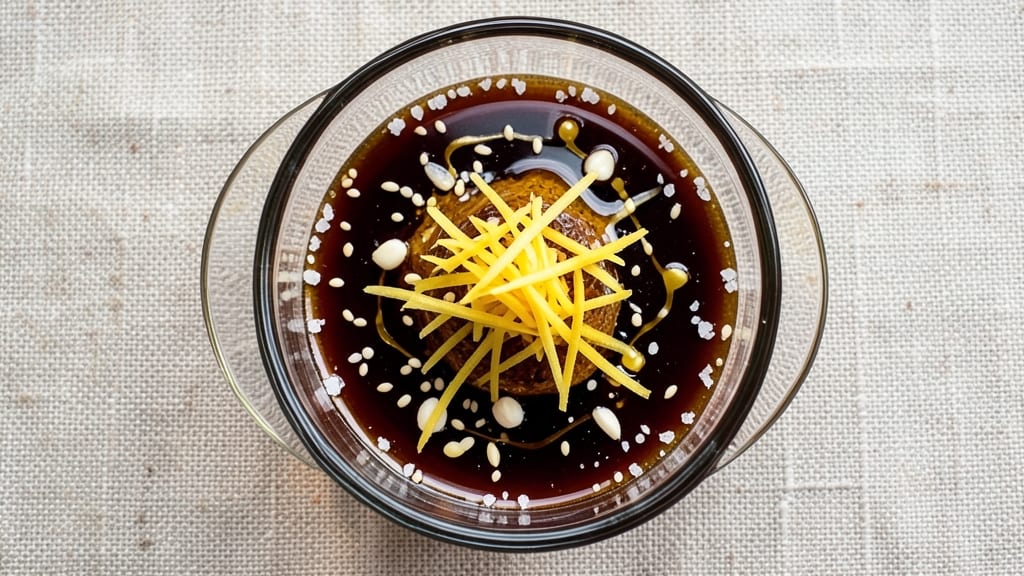
This Chinese soy sauce salad dressing recipe transforms simple greens into a flavor explosion—deep umami, subtle sweetness, and a tangy finish that elevates any dish. 💛 I developed it after years of testing Asian-inspired dressings, balancing soy sauce's saltiness with just the right acidity and sweetness for a versatile, restaurant-quality sauce in minutes.
The secret lies in the ratio of soy sauce to rice vinegar and a touch of sesame oil, which adds nutty depth without overpowering. Unlike store-bought versions, this dressing delivers authentic flavor with just five simple ingredients—no artificial additives or preservatives.
It's perfect for Asian salads, grilled meats, or even as a marinade.
What makes this recipe stand out is its adaptability. Use it as-is for classic Chinese slaw or mix in a spoonful of honey for extra sweetness. The dressing keeps well in the fridge for up to a week, making it ideal for meal prep.
Once you try this, store-bought will never taste the same again.
Ready in just 5 minutes, this dressing proves you don't need complicated techniques to create restaurant-quality results. The key is patience in whisking and letting flavors meld—trust me, it's worth the wait. Let's get started!
Ingredients for chinese salad dressing recipe with soy sauce
Five ingredients, infinite flavor—this dressing turns basic greens into restaurant-quality bites.
| Ingredient | Amount | Notes |
|---|---|---|
| Light Soy Sauce 🥢 | ½ cup | Kikkoman or similar brand preferred |
| Rice Vinegar 🍶 | ¼ cup | Seasoned preferred for depth |
| Toasted Sesame Oil 🫒 | 1 tbsp | Not the cooking variety |
| Granulated Sugar 🍯 | 1 tbsp | Or honey for floral sweetness |
| Fresh Ginger 🌿 | 1 tsp | Finely grated, aromatic |
| Garlic Cloves 🧄 | 1 clove | Minced, for subtle punch |
| Sesame Seeds 🌱 | 1 tsp | Toasted for garnish |
The soy sauce is non-negotiable here. Kikkoman or Lee Kum Kee are my go-tos—they've got that perfect balance of salt and umami. If you're using a darker soy sauce, cut back to 0.375 cup to avoid overpowering. The rice vinegar should be seasoned (not plain)—it adds a touch of sweetness and complexity. Trader Joe's carries a great one, or grab it in the Asian section of most grocery stores. Fresh ginger and garlic? Always buy organic if possible—they're worth the extra few cents for that bright flavor punch.
No sesame oil? Toasted peanut oil works in a pinch, though it'll change the flavor profile slightly. Running out of sugar? Maple syrup or honey at half the amount adds depth, but you'll taste the difference. The sesame seeds are optional but add that final crunch—toast them in a dry pan for 30 seconds before adding to bring out their nutty flavor. If you're making this for a crowd, double the batch—it keeps beautifully for up to 2 weeks in the fridge, sealed tight.
This dressing is magic when made ahead—flavors meld beautifully overnight. Store it in a small glass jar with a tight lid; the glass preserves the aroma better than plastic. If it separates (which happens with the sesame oil), just give it a quick whisk before using. Drizzle over warm noodles, grilled meats, or fresh greens—it's that versatile. Pro tip: save a little sesame oil to drizzle on top right before serving for that restaurant-quality finish.
Why You'll Love This Recipe
- Pantry Magic: I swear by this dressing because it’s made with stuff I always have—no last-minute grocery runs. Just a splash of soy sauce, a glug of rice vinegar, and a teaspoon of sesame oil, and boom—flavor without the fuss.
- Umami Bomb: That first pour of soy sauce into warm ginger? Pure satisfaction. The sugar cuts the sharpness just right, and the sesame oil adds this nutty warmth that makes every bite taste like a little bite of China.
- Lunchbox Hero: Between us, this dressing turns sad salads into lunchbox stars. Drizzle it over greens for a quick office meal or toss it with cold noodles for a takeout vibe—no reheating required.
- Budget Hack: Honestly, this costs me pennies but feels like a fancy restaurant secret. A little goes a long way, and the leftovers? Perfect for next week’s stir-fry or even as a marinade. Zero waste, all flavor.
Step-by-step instructions for Chinese soy sauce salad dressing
Here's how to whip up this bold, balanced dressing in record time.
🍳 Step 1: Whisk Soy Sauce and Vinegar Together
In a small bowl, combine the 0.5 cup light soy sauce and 0.25 cup rice vinegar. Start with a whisk to break up any clumps in the soy sauce, then switch to a fork for faster mixing. You'll notice the mixture immediately take on a deep amber color—this is your flavor foundation.
Let it sit for 1 minute while you prep the remaining ingredients. This brief pause allows the soy sauce's umami to fully awaken, creating that signature savory depth we're after. The vinegar's acidity will mellow slightly as it blends, so don't worry if it smells strong initially.
👨🍳 Step 2: Add Sweetness and Aromatics
Grate the 1 tsp fresh ginger using a microplane or fine grater—you want it as fine as possible to dissolve completely. Add it to the soy-vinegar mixture along with the 1 tbsp granulated sugar and 1 minced garlic clove. Stir vigorously for 30 seconds until the sugar dissolves and the ginger loses its grainy texture.
Here's the thing—ginger and garlic need time to infuse their flavors. If you rush this step, you'll end up with a dressing that tastes more like raw spices than a cohesive sauce. The sugar isn't just for sweetness; it helps balance the soy's saltiness and carries the aromatics into every drop.
🍳 Step 3: Incorporate the Toasted Sesame Oil
Drizzle in the 1 tbsp toasted sesame oil while whisking continuously. This is where the magic happens—the oil's nutty aroma transforms the dressing from good to extraordinary. Keep whisking for 10-15 seconds until fully emulsified and smooth.
I know it seems like too much oil at first, but trust me—this is the secret to that silky, clingy texture that makes this dressing so special. The toasted sesame oil also adds a subtle crunch that pairs perfectly with crisp vegetables. If you're using the cooking variety instead of toasted, toast it first in a dry pan for 1 minute to unlock its full flavor.
⏰ Step 4: Taste and Adjust for Perfect Balance
Taste the dressing immediately—this is the moment that matters. You should detect all four flavors: salty (soy), tangy (vinegar), sweet (sugar), and nutty (sesame oil). The ginger and garlic should add subtle heat and depth without overpowering. If it needs more sweetness, add ½ tsp sugar at a time. For more umami, add ½ tsp soy sauce.
Real talk: This dressing is designed to be versatile. For a lighter version, thin with 1-2 tablespoons water. For a richer version, add ½ tsp honey or a pinch of red pepper flakes. The key is achieving that perfect umami-packed balance where no single flavor dominates.
🥘 Step 5: Finish with Toasted Sesame Seeds (Optional Garnish)
For the final touch, sprinkle the 1 tsp toasted sesame seeds on top just before serving. These aren't just for looks—they add a tiny bit of texture and aroma that elevates the dressing from simple to restaurant-quality. Toast them fresh in a dry skillet for 30 seconds if you want to maximize their flavor.
Give the dressing a final stir before using. It'll keep in the fridge for up to 1 week, but I promise you'll go through it faster than that. The flavors actually improve as they meld together, so make extra if you can. This dressing works wonders on everything from coleslaw to grilled chicken salads—just remember, a little goes a long way.
Pro Tips For Making Chinese Salad Dressing Recipe With Soy Sauce
- Mince the Ginger Fine: I learned this the hard way—chunky ginger in dressing tastes like you threw in a rock. Use a microplane or the smallest blade of a grater, then press it through a fine-mesh sieve to remove any fibers. The result? A silky, aromatic base that blends seamlessly instead of clumping.
- Balance the Vinegar Last: Start by mixing everything except the rice vinegar, then add it drop by drop while tasting. Vinegar’s acidity can overwhelm, and you can’t take it out once it’s in. I used to dump it all in and end up with a mouth-puckering mess—now I adjust until it’s bright but not harsh.
- Warm the Sesame Oil: Pour the toasted sesame oil into a small bowl and let it sit at room temperature for 5 minutes before adding it to the dressing. Cold oil separates and clouds the mixture, while warm oil blends like butter. (Yes, even if you’re impatient like me.)
- Use Less Sugar Than You Think: The sugar in this dressing isn’t just for sweetness—it helps the flavors meld. Start with half the amount listed in most recipes, taste, then add more if needed. Too much sugar makes the dressing cloying; too little leaves it flat. My rule: if it tastes off after 10 minutes, it’s over-sweetened.
Creative variations of this chinese salad dressing recipe with soy sauce
Spicy Sesame Kick
For a bold, fiery twist, add ½ teaspoon of chili crisp or ¼ teaspoon red pepper flakes when whisking in the sesame oil. This variation works amazingly on grilled shrimp or spicy Asian-inspired slaws.
I first tried this after a student requested a "spicy kick" for their slaw—it became an instant hit. 🌶️
Sweet and Tangy Fusion
Swap the rice vinegar for ¼ cup lime juice and reduce the sugar to ½ tablespoon. Add 1 teaspoon of honey instead of granulated sugar for a tropical-inspired dressing.
This version shines on summer salads with mango, cucumber, and edamame. The lime brightens the soy's depth while keeping it refreshing.
Nutty Peanut Twist
Replace the sesame oil with 1 tablespoon toasted peanut oil and stir in 1 teaspoon of crushed peanuts at the end. This fusion draws inspiration from Thai flavors and pairs beautifully with peanut noodle salads or grilled tofu. The peanuts add a satisfying crunch that balances the dressing's smoothness. 🥜
Creamy Sesame Dressing
For a richer texture, blend in 2 tablespoons of tahini with the sesame oil and whisk until fully incorporated. Add 1 tablespoon of water if needed to reach your desired consistency.
This creamy version works wonderfully on hearty salads with avocado or roasted vegetables. The tahini adds a velvety mouthfeel while keeping the dressing's signature umami profile.
Herb-Infused Variation
Add 1 tablespoon of chopped cilantro or 1 teaspoon of fresh basil right before serving for a fresh herb twist. This variation pairs perfectly with summer greens or grilled meats.
The herbs add a bright, aromatic note that complements the dressing's depth. I often use this version for outdoor gatherings where fresh herbs are a must.
Low-Sodium Adaptation
Use ¼ cup of low-sodium soy sauce and add ¼ teaspoon of salt to taste. This version maintains the dressing's flavor while reducing sodium content. It's perfect for health-conscious eaters who still want that authentic soy sauce taste.
The adjustment is subtle but makes a noticeable difference for those watching their sodium intake.
Nutrition facts
Frequently asked questions
Can I make this dressing without sesame oil?
Yes! For a nutty alternative, use 1 tbsp toasted peanut oil instead. If you're avoiding oils entirely, try 1 tsp sesame paste mixed with ½ tbsp water—it'll give a similar depth of flavor. Just note the texture will be slightly thicker. The key is maintaining that umami richness, so don't skip the soy sauce entirely.
How long can I store this dressing?
This dressing stays fresh for up to 1 week in an airtight container in the fridge. For longer storage, transfer to a small glass jar and freeze for up to 3 months. Thaw overnight in the fridge—never at room temperature. The flavors actually improve after a day or two as everything melds together beautifully.
What's the best way to use this dressing beyond salads?
This versatile sauce works wonders as a marinade for grilled chicken or shrimp, a dipping sauce for spring rolls or dumplings, or even a glaze for roasted vegetables. For marinades, use ¼ cup dressing per pound of protein and let it sit for 30 minutes before cooking. The soy sauce also helps tenderize meats beautifully.
Why does my dressing look separated?
This is completely normal! The sesame oil is lighter than the other ingredients, so it may rise to the top. Simply give it a good whisk before using. If it's been in the fridge, let it sit at room temperature for 5 minutes first. For a more stable emulsion, you can blend all ingredients briefly with a mini blender—just whisk again before serving.
Can I adjust this for gluten-free diets?
Use tamari or gluten-free soy sauce instead of regular soy sauce. The flavor will be slightly different but still delicious. For extra umami, add ½ tsp coconut aminos along with the soy sauce. Just be aware that the dressing might be slightly less salty, so you may want to add a pinch of salt at the end if needed.