
Salads
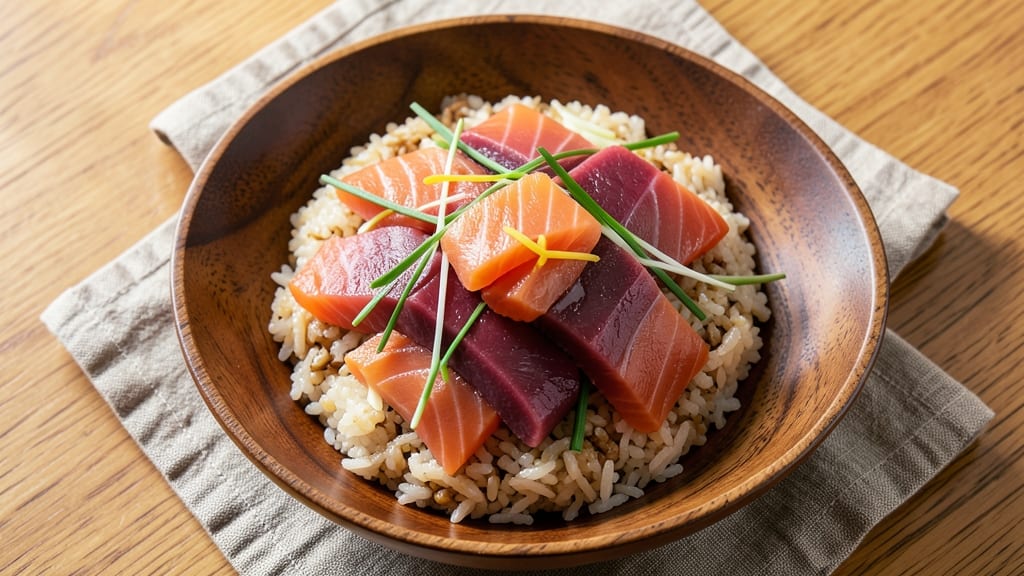
This chirashi sushi salad recipe transforms simple rice into a vibrant, restaurant-quality bowl that celebrates fresh toppings and delicate flavors. The foundation lies in perfectly cooked sushi rice—light, fluffy, and seasoned just right—served as a canvas for sashimi-grade fish, marinated vegetables, and crisp tempura.
What sets this dish apart is the balance: tender proteins, bright pickles, and fresh herbs create harmony in every bite, making it both visually stunning and deeply satisfying.
The beauty of chirashi lies in its customization—whether you use traditional sashimi-grade fish like tuna or salmon, or opt for vegetarian alternatives like marinated tofu or shrimp, the technique remains the same.
The key is proper rice preparation (steamed to perfection with vinegared seasoning) and precise slicing of proteins, ensuring each component maintains its texture and flavor. This isn’t just a salad; it’s a complete meal that feels luxurious yet approachable.
What you’ll achieve is a bowl that looks as impressive as it tastes: golden rice topped with delicate slices of protein, vibrant vegetables, and garnishes that add color and crunch.
The contrast of textures—soft rice, tender fish, crisp tempura—elevates every bite, while the balance of flavors keeps it refreshing yet deeply satisfying. Perfect for a light lunch or a special dinner, this dish proves that home cooking can rival any sushi bar.
For those adapting the recipe, swapping fish for tofu or using seasonal vegetables keeps the dish versatile without sacrificing authenticity. The plating is just as important as the ingredients—arrange toppings with care to create visual appeal that matches the flavor. Ready to master this Japanese classic? Let’s get started.
Ingredients for chirashi salad
Golden sushi rice, delicate proteins, and vibrant toppings—this bowl transforms simple ingredients into a restaurant-worthy masterpiece.
| Ingredient | Amount | Notes |
|---|---|---|
| Sushi Rice 🍚 | 2 cups | Cooked and seasoned with rice vinegar |
| Sashimi-Grade Salmon 🐟 | ½ lb | Thinly sliced, skinless |
| Sashimi-Grade Tuna 🐟 | ½ lb | Thinly sliced, skinless |
| White Rice Vinegar 🍶 | ⅓ cup | Rice vinegar, not apple cider |
| Sugar 🍚 | ⅛ cup | Granulated, for seasoning |
| Salt 🧂 | ½ tsp | Diamond Crystal kosher salt |
| Sesame Seeds 🌾 | 1 tbsp | Toasted, for garnish |
| Pickled Ginger 🍶 | ¼ cup | Thinly sliced, for garnish |
| Shiso Leaves 🌿 | ¼ cup | Fresh, thinly sliced |
| Cucumber 🥒 | ½ whole | Japanese cucumber, sliced |
| Avocado 🥑 | 1 whole | Ripe, sliced into thin pieces |
| Tempura Flour 🍚 | ¼ cup | For light crispy coating |
| Ice Water ❄️ | 1 cup | For batter consistency |
| Vegetable Oil 🫒 | 1 cup | For frying tempura |
| Sesame Oil 🌿 | 1 tbsp | Toasted, for drizzling |
The sushi rice is non-negotiable for authentic flavor. Koshihikari rice is ideal, but jasmine rice works in a pinch—just ensure it’s short-grain. For seasoning, Mizkan rice vinegar adds depth, and the sugar-to-salt ratio (1:1) balances acidity. If your fish isn’t sashimi-grade, quickly sear it in a dry pan to mimic the texture. The salmon and tuna should be as fresh as possible—ask your fishmonger for the day’s catch if available. For the cucumber, Japanese varieties stay crisp longer, but English cucumbers work if peeled and seeded. Shiso leaves add a unique anise-like flavor; substitute with basil if unavailable, though the aroma will differ.
No sashimi-grade fish? Marinated tofu or shrimp delivers a similar texture—just ensure they’re firm and sliced thinly. Tempura flour can be swapped for all-purpose flour plus cornstarch, but the batter will be slightly heavier. For the pickled ginger, store-bought is fine, but homemade (ginger + rice vinegar + sugar) elevates the dish. Avocado should be ripe but firm—press gently to test. If your sesame seeds are untoasted, dry-toast them in a pan for 30 seconds to deepen their flavor. The sesame oil must be toasted—regular sesame oil lacks the nutty depth. For a vegetarian twist, swap fish for marinated mushrooms or thinly sliced eggplant, then brush with soy sauce and mirin before serving.
Rice keeps best in an airtight container for 2 days, though it’s ideal to serve fresh. The fish should be used within 1 hour of slicing to prevent oxidation. Store toppings separately: cucumber and avocado in water to maintain crispness, shiso leaves wrapped in damp paper towels. Tempura batter can be made 1 day ahead and refrigerated, but fry immediately for optimal crispness. For leftovers, reheat rice in a steamer and gently warm toppings in a pan—never microwave, as it dulls the flavors. This dish shines when plated last-minute, so assemble just before serving to preserve the crisp textures and vibrant colors.
Why You'll Love This Recipe
- No-Roll Required: I swear by this when I’m too tired for sushi rolls. Just fluff the rice, slice the fish, and arrange—no fiddly wrapping, no chopsticks stress.
- Umami Bomb: That first bite of fresh tuna and salmon over vinegared rice? It’s like a flavor explosion. The sugar in the dressing cuts through the richness, leaving your taste buds happy.
- Lunchbox Hero: Between us, this is my go-to for packed lunches. Keeps perfectly for days, and I can swap in shrimp or avocado if I’m feeling fancy. (Yes, even on a Tuesday night.)
- Budget Luxury: Sashimi-grade fish feels fancy, but you’re not making rolls here—just a pile of rice and toppings. Stretch it for two meals, or halve the fish for a lighter option. Still tastes like a splurge.
Step-by-step instructions for chirashi sushi salad
This method delivers restaurant-quality chirashi with perfectly seasoned rice and delicate sashimi presentation.
Prepare the Seasoned Sushi Rice
First, combine the 2 cups sushi rice with 0.33 cup white rice vinegar, 0.125 cup sugar, and 0.5 tsp salt in a large mixing bowl. I use my hands to gently but thoroughly distribute the vinegar mixture through the rice—this ensures even seasoning without breaking the grains. The rice should glisten slightly from the vinegar but remain distinct and separate.
Spread the seasoned rice on a large tray or baking sheet in an even layer. Cover with a clean kitchen towel and let it cool completely at room temperature. This cooling step prevents the rice from steaming when assembled, which could make it mushy. The rice should be cool to the touch and slightly sticky before proceeding—this is crucial for the proper texture of chirashi.
Slice and Prepare the Sashimi Toppings
Using a very sharp sashimi knife, slice the 0.5 lb sashimi-grade salmon and 0.5 lb sashimi-grade tuna into thin, uniform pieces—about 1/8-inch thick. Work quickly to maintain the fish's freshness, and keep the slices submerged in ice water until ready to use. The slices should be translucent with clean edges, indicating proper slicing technique and fresh fish.
For the cucumber, peel and slice the 0.5 whole Japanese cucumber into thin half-moons. Arrange them on a paper towel to absorb excess moisture. Thinly slice the 1 whole avocado into delicate pieces, keeping them separate until ready to assemble. The avocado should be ripe but firm enough to hold its shape when sliced. Thinly slice the 0.25 cup shiso leaves and set aside—they'll add a bright, herbal note to each bowl.
Assemble the Chirashi Bowls
Divide the seasoned rice evenly among 4 serving bowls, mounding it slightly in the center of each. Arrange the salmon and tuna slices artfully on top, fanning them out to create visual appeal. Place the cucumber slices around the fish, alternating with the avocado pieces. Scatter the 0.25 cup pickled ginger and 0.25 cup shiso leaves over the top for color and contrast.
Drizzle each bowl with 1 teaspoon sesame oil (about 1/4 tbsp per bowl) and sprinkle with 1/4 tbsp sesame seeds (about 1/4 tbsp total). The sesame oil should glisten on the rice and fish, enhancing their natural flavors. Garnish with an additional shiso leaf for presentation—this final touch elevates the dish from simple to sophisticated.
Optional Tempura-Garnished Cucumber (For Crispy Texture)
In a small bowl, whisk together 0.25 cup tempura flour and 1 cup ice water until smooth. Heat 1 cup vegetable oil in a small saucepan to 350°F—use a candy thermometer for precision. Dip cucumber slices into the batter, letting excess drip off, then carefully slide them into the hot oil. Fry for 30-45 seconds until golden and crispy.
Drain on paper towels and immediately arrange 2-3 crispy cucumber slices on each bowl. The contrast of warm, crispy tempura against the cool fish and rice creates a delightful textural experience. Serve immediately while the tempura remains crisp and the fish stays fresh.
Pro Tips For Making Chirashi Salad
- CHILL THE FISH FIRST: Take your sashimi-grade salmon and tuna straight from the fridge and slice it—no thawing needed, but if it’s been frozen, run it under cold water for 30 seconds first. I learned this the hard way when my first batch turned out mushy because I rushed the prep.
- ACIDIFY THE VINEGAR MIX: Combine your white rice vinegar and sugar, then let it sit for 10 minutes before drizzling over the rice. This gives the flavors time to meld instead of sitting like separate puddles. (Yes, even if you’re impatient like me.)
- DON’T OVERMIX THE RICE: Once you’ve tossed the sushi rice with vinegar, stop stirring after 20 seconds—just enough to coat the grains evenly. Overworking it turns it gummy, and nobody wants gluey rice in their chirashi. Trust the process.
- SLICE THE FISH THIN: Aim for paper-thin cuts (about 1/8-inch) when slicing the salmon and tuna—thicker pieces cook faster and lose texture. A sharp knife and a firm, steady hand make all the difference. (No, your butter knife won’t cut it.)
Serving suggestions for this chirashi salad
Traditional Serving Style
Chirashi is traditionally served in wide, shallow bowls to showcase the vibrant toppings against the golden rice. I use ceramic or lacquered bowls (like Japanese donabe-style bowls) to enhance presentation. The rice should be mounded slightly in the center, creating a natural well for the toppings.
Arrange proteins in radial patterns—fan out the fish slices or scatter them organically for a natural look. 🌸
Serve immediately with chopsticks on the side and a small soy sauce dish for dipping. In Japan, it’s common to eat with your hands, but chopsticks work perfectly for Western diners.
The contrast of textures—soft rice, tender fish, crisp tempura—is best experienced fresh, so avoid pre-plating toppings too far in advance.
Modern Plating Twists
For a restaurant-worthy presentation, use a black plate to make the colors pop. I like to place the rice in a low mound and arrange toppings in geometric patterns—think diagonal lines of avocado and cucumber, or a circular arrangement of fish.
A drizzle of reduced soy glaze (simmer 2 tbsp soy sauce with 1 tsp mirin and ½ tsp sugar) adds a glossy finish. 🍽️
Add edible flowers (like nasturtiums or pansies) for a whimsical touch, or sprinkle crushed black sesame seeds for contrast. For a minimalist approach, keep toppings sparse but precise—focus on one standout protein (like seared scallops) and two complementary veggies (e.g., pickled daikon and shiso).
Beverage Pairings
Match your chirashi with light, crisp drinks that cut through the richness of the fish. A dry sake (like Junmai Ginjo) or green tea (hot or iced) complements the dish’s delicate flavors.
For beer lovers, a Japanese lager (such as Asahi Super Dry) or a wheat beer balances the umami without overpowering. 🍶
Avoid heavy wines—opt for Pinot Noir (if using red fish like salmon) or Sauvignon Blanc for a refreshing contrast. Sparkling Japanese soda (like Ramune) adds a playful touch, especially for a casual lunch. Serve drinks chilled but not icy to preserve their nuanced flavors alongside the meal.
Seasonal Adaptations
Spring and summer call for light, fresh toppings—think cucumber, edamame, and thinly sliced radish. In fall, swap in roasted sweet potatoes, persimmons, and shiitake mushrooms for warmth. Winter versions often feature quick-pickled vegetables (like carrots or cabbage) and warm miso-glazed tofu to cut through the chill. 🍂
Use seasonal seafood—shrimp in summer, lobster in spring, or mackerel in winter. Adjust the rice seasoning slightly: add a pinch of matcha powder in spring for brightness or a dash of yuzu zest in winter for citrusy depth.
The key is to mirror the season’s produce while keeping the dish’s core balance intact.
Nutrition facts
Frequently asked questions
Can I make chirashi salad without sashimi-grade fish?
For a safer alternative, use fresh, high-quality raw fish that’s been previously frozen at -4°F for 7 days to kill parasites. You can also marinate firm tofu or shrimp in soy sauce and mirin for 30 minutes before slicing. Another option is lightly searing fish in a dry pan for 10-15 seconds per side to mimic the texture.
How do I prevent the rice from becoming mushy when assembling?
Spread the seasoned rice on a tray and let it cool completely before assembling. This prevents steam from making it soggy. Also, use a wide, shallow bowl to create airflow, and avoid piling toppings too high. For extra insurance, chill the rice for 15 minutes in the fridge before serving.
What's the best way to store leftover chirashi?
Store components separately: rice in an airtight container for 2 days, fish submerged in ice water, and toppings wrapped in damp paper towels. Reheat rice in a steamer and warm toppings gently in a pan—never microwave, as it dulls flavors. For best quality, assemble fresh when possible.
Can I make this vegetarian or vegan?
Yes! Swap fish for marinated tofu, thinly sliced eggplant, or avocado. Use miso-glazed mushrooms or crispy tempura vegetables for umami. For vegan rice seasoning, replace fish sauce with soy sauce and use vegan sesame oil. The dish maintains its elegant presentation while being fully plant-based.
Why does my rice look dry after seasoning?
This usually happens if the rice was undercooked or overcooled. Use 1.5 cups water for 1 cup dry rice and let it rest covered for 10 minutes after cooking. For seasoning, mix vinegar, sugar, and salt into warm rice (not hot) to help it absorb better. Spread it thinly to cool for even drying.