
Salads
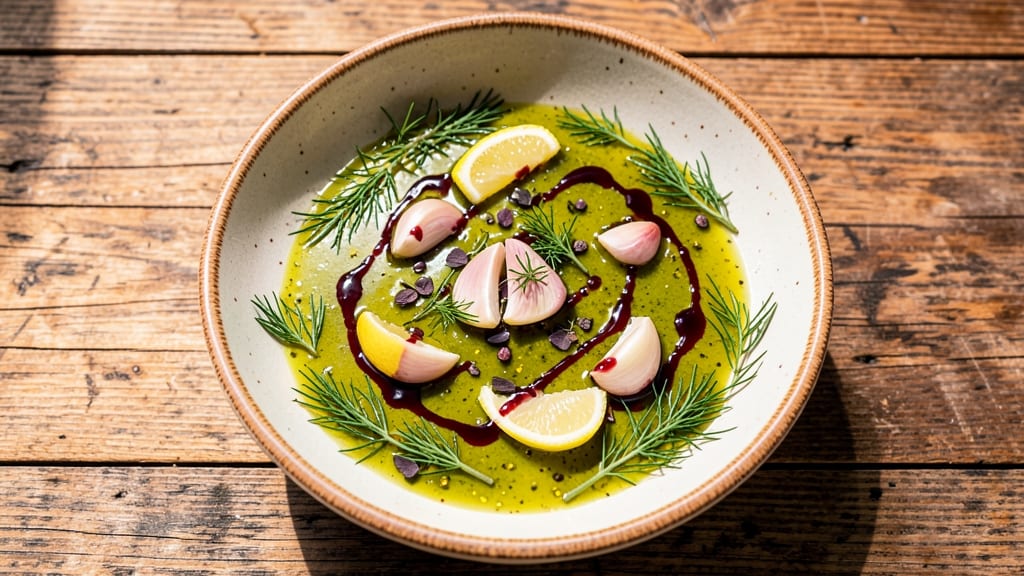
This Christos' Greek salad dressing recipe brings the sun-drenched flavors of a Mediterranean taverna to your table with every drizzle. 💛 The secret lies in balancing bright lemon juice with rich olive oil, fresh herbs, and a touch of vinegar for depth—just like my grandmother used to make.
It’s the kind of dressing that transforms simple greens into a vibrant, flavor-packed masterpiece.
The beauty of this recipe is its simplicity: just seven ingredients, yet layers of flavor. Fresh dill and oregano infuse the olive oil with their signature aromatics, while garlic and mustard add a subtle kick.
The dressing emulsifies effortlessly, creating a silky, clingy finish that coats every bite perfectly—no blender required.
What sets this apart is how it elevates dishes beyond Greek salads. Drizzle it over grilled vegetables, roasted meats, or even fish for an instant burst of Mediterranean brightness. The tangy, herby notes cut through richness while enhancing natural flavors, making it a versatile staple for any meal.
Once you try this dressing, you’ll never reach for store-bought again. It’s the kind of recipe that becomes a kitchen essential, turning ordinary meals into something extraordinary with just a few simple ingredients and a little time.
Ingredients for christos greek salad dressing
Seven Mediterranean ingredients blend into a dressing that transforms salads into vibrant masterpieces.
| Ingredient | Amount | Notes |
|---|---|---|
| Extra-Virgin Olive Oil 🫒 | ¾ cup | High-quality, fruity variety preferred |
| Fresh Lemon Juice 🍋 | ⅓ cup | Freshly squeezed from 2-3 lemons |
| Red Wine Vinegar 🍷 | 2 tbsp | Dry, aged vinegar for depth |
| Fresh Dill 🌿 | ¼ cup | Finely chopped, stems removed |
| Fresh Oregano 🍃 | 1 tbsp | Finely chopped, preferably Mediterranean |
| Garlic Cloves 🧄 | 2 cloves | Minced finely for smooth texture |
| Dijon Mustard 🌶️ | 1 tsp | For emulsification and subtle tang |
| Sea Salt 🧂 | 1 ½ tsp | Diamond Crystal preferred for balance |
The olive oil is the foundation—look for extra-virgin with a fruity, peppery finish at specialty markets or trusted brands like Colavita or California Olive Ranch. Fresh herbs are non-negotiable; farmers' market dill and oregano have the most vibrant flavor, but grocery store varieties work if they're bright green and fragrant. The vinegar should be aged red wine vinegar—Balsamic Creme or Italian Red Wine Vinegar from Trader Joe's are solid choices. For garlic, roasted garlic powder can substitute if fresh isn't available, though it lacks the same depth. The mustard ensures the dressing emulsifies properly, so don't skip it—even a single teaspoon makes a difference.
No fresh dill? Fresh parsley at half the amount works in a pinch, though it lacks that signature Mediterranean aroma. Substitute dried oregano with one-third the quantity, but toast it first for better flavor. For vinegar, white wine vinegar or apple cider vinegar can replace red wine vinegar, though the flavor profile shifts slightly. The mustard can be swapped for whole-grain mustard if you prefer a nuttier taste. If you're avoiding garlic, asafetida powder at a pinch mimics its savory depth. For a smoother texture, blend the garlic and herbs briefly before mixing with the oil.
Store the dressing in a glass jar with a tight-fitting lid in the refrigerator, where it keeps for up to 2 weeks. The flavors meld beautifully over time, making it even better the next day. For longer storage, transfer to an airtight container and freeze for up to 3 months. Shake well before each use, as the herbs may settle. This dressing elevates grilled meats, roasted vegetables, and even seafood—a little goes a long way, so start with a small drizzle and adjust to taste.
Why You'll Love This Recipe
- Five-Ingredient Magic: I swear by this combo—just oil, lemon, vinegar, and two herbs. That’s it. No measuring cups, no fancy gadgets, just a quick stir while I chop tomatoes or toss greens. Honestly, the hardest part is deciding whether to make a double batch.
- Bright & Tangy: The red wine vinegar cuts through the richness of olive oil like a summer breeze, while the dill and oregano add that fresh, herby punch. It’s bright enough to stand alone on grilled fish or bold enough to cut through rich lamb. (Yes, even on a Tuesday night.)
- Meal Prep MVP: This dressing lasts forever—I keep a jar in the fridge for weeks. Drizzle it on everything from roasted veggies to cold pasta, or toss it with store-bought hummus for instant flavor. Between us, it’s my lazy dinner party secret.
- Budget-Friendly Flex: You’re using pantry staples here—no specialty ingredients, no markup. A little goes a long way, and the herbs can be swapped for dried in a pinch. Plus, the vinegar and lemon juice are cheap enough that I never hesitate to make extra. Smart, simple, and satisfying.
Step-by-step instructions for Christos' Greek salad dressing
This herb-infused dressing delivers authentic Mediterranean brightness with perfect balance.
👨🍳 Step 1: Prepare the Herb and Garlic Base
In a small mixing bowl, combine the 0.25 cup finely chopped fresh dill and 1 tablespoon finely chopped fresh oregano. Add the 2 minced garlic cloves and stir gently to distribute. I like to let this mixture sit for 5 minutes at room temperature—this allows the garlic's natural oils to soften slightly, preventing a harsh bite in the finished dressing.
Use a fork or small whisk to break up any herb clumps while keeping the texture relatively coarse. The visible flecks of dill and oregano will add visual appeal and a satisfying textural contrast when drizzled over salads. This prep step is where the dressing's signature fresh herb character begins to develop.
🍳 Step 2: Whisk Together Wet Ingredients
In a separate measuring cup, combine the 0.33 cup fresh lemon juice, 2 tablespoons red wine vinegar, and 1 teaspoon Dijon mustard. Whisk vigorously for 30 seconds until fully emulsified. The mustard acts as our emulsifier, helping to bind the oil later, while the vinegar adds that essential tang that cuts through the richness of the olive oil.
Taste this mixture now—you should notice the bright acidity of the lemon, the sharpness of the vinegar, and the subtle mustard depth. This is our flavor foundation. If you find it too sharp, you can add a pinch of the 1.5 teaspoons sea salt now, but I prefer to balance the flavors after combining all ingredients.
🥘 Step 3: Combine and Emulsify the Dressing
With the motor running on low speed, slowly drizzle the 0.75 cup extra-virgin olive oil into the wet ingredient mixture while whisking continuously. This gradual addition is crucial—it prevents the oil from separating and creates that signature silky texture. I like to add the oil in a thin, steady stream, whisking constantly until the mixture begins to thicken and coat the whisk.
After adding all the oil, stir in the herb mixture you prepared earlier. Add the remaining 1.5 teaspoons sea salt and taste again. The dressing should now have a perfect balance of bright lemon, herbal notes, and a subtle saltiness. If it needs more acidity, add a splash of lemon juice; if it needs more body, add a drizzle of olive oil. The dressing should be thick enough to cling to salad greens but still flow smoothly when drizzled.
⏰ Step 4: Rest and Adjust for Perfect Texture
Transfer the dressing to a clean jar with a tight-fitting lid. Let it rest at room temperature for at least 30 minutes before using. This resting period allows all the flavors to meld together and the emulsification to stabilize. I often make this dressing a day ahead—it actually improves as it sits, with the flavors deepening and the texture becoming even more luxurious.
Before using, give the dressing a final taste and adjust the seasoning if needed. The perfect Christos dressing should be bright, herbaceous, and perfectly balanced—never overpowering. The olive oil should be noticeable but not dominant, and the lemon should shine through without being sour. Once you've achieved this balance, your dressing is ready to elevate any Greek salad to restaurant-quality perfection.
Pro Tips For Making Christos Greek Salad Dressing
- Whisk in Stages: Start by mixing the olive oil and lemon juice first—this emulsifies the fat before adding vinegar. Dump in the vinegar and herbs last, then give it a final stir; the dressing will thicken slightly as it sits, especially if you let it rest for 10 minutes.
- Use Dried Oregano: Fresh oregano loses potency fast, and chopping it can turn your dressing bitter. Toss in ½ teaspoon of dried oregano instead—it’s more consistent, and you won’t end up with herb clumps or a flavor that fades after an hour.
- Salt the Vinegar: The vinegar is where the flavor actually lives. Add a pinch of salt to it before mixing—it balances the acid and makes the dressing taste brighter, not sharper. Trust me, you’ll notice the difference right away.
- Strain the Herbs: Unless you’re going for a rustic, chunky texture, strain the dill and oregano through a fine-mesh sieve after whisking. It keeps the dressing smooth and prevents a mouthful of stems every time you drizzle. (Yes, even if you’re impatient to eat.)
Health benefits of this dish
Herb-Packed Nutrition
This dressing is a nutrient powerhouse thanks to its fresh herbs and citrus base. The 0.25 cup dill provides vitamin K (great for bone health) and antioxidants, while the 1 tbsp oregano delivers iron and calcium.
A single drizzle delivers about 20% of your daily vitamin K—perfect for salads that need a flavor and nutrition boost. 💛
Heart-Healthy Fats
The 0.75 cup extra-virgin olive oil makes this dressing a heart-healthy choice, thanks to its monounsaturated fats that support cholesterol balance. Just 1 tablespoon provides 120 calories and 14 grams of healthy fats, making it a satisfying addition to any meal.
The lemon juice also helps lower LDL cholesterol, creating a winning combo for your cardiovascular system.
Bright Citrus Benefits
The 0.33 cup fresh lemon juice isn't just for flavor—it's packed with vitamin C (about 30% of your daily value) and antioxidants that boost immunity. Lemon also aids digestion and helps your body absorb iron from plant-based foods, making this dressing a great pairing for veggie-heavy salads.
The tangy acidity also stimulates saliva production, enhancing your overall dining experience.
Antioxidant-Rich Garlic
Those 2 minced garlic cloves do more than add flavor—they're rich in allicin, a compound with anti-inflammatory and antimicrobial properties. Just one clove provides antioxidant benefits comparable to many supplements.
The garlic's sulfur compounds also help regulate blood pressure, adding another layer of health benefits to every drizzle. 🧄
Digestive Aid
The red wine vinegar in this dressing isn't just for tang—it aids digestion by stimulating stomach acid production. Studies show that 2 tablespoons (like in this recipe) can help regulate blood sugar levels, making this dressing a great choice for balanced meals.
The Dijon mustard also contains digestive enzymes that support gut health, rounding out this flavorful, functional condiment.
Low-Calorie Boost
At just 120 calories per serving, this dressing is a light yet satisfying addition to any meal. The lemon and vinegar provide bright acidity without heavy calories, while the olive oil adds richness without guilt.
It's perfect for those watching their calorie intake but still wanting bold, restaurant-quality flavors. A little goes a long way—start with 1 tablespoon and adjust to taste!
Nutrition facts
Frequently asked questions
Can I make this dressing without fresh herbs?
You can adapt it, but fresh herbs are key for authentic flavor. Use 1 tablespoon dried dill and 1 teaspoon dried oregano (toasted for better flavor), but expect a more muted herb profile. For a closer match, blend 2 tablespoons fresh parsley with the garlic—it won’t replicate dill’s brightness, but it adds freshness.
Why did my dressing separate?
Separation usually happens when oil isn’t emulsified properly. Whisk more vigorously next time, or add 1 extra teaspoon Dijon mustard as a natural emulsifier. For a quick fix, blend the separated dressing briefly with a small splash of warm water to re-combine. Always store it in a sealed jar to prevent air exposure.
How long does this dressing keep, and can I freeze it?
Store in an airtight glass jar in the fridge for up to 2 weeks. The flavors actually deepen over time! For freezing, use an ice cube tray—portion into 1-tablespoon cubes and transfer to a freezer bag. Thaw overnight in the fridge, then shake gently to re-emulsify. Frozen dressing keeps for 3 months.
Can I use this dressing on dishes other than Greek salad?
It’s perfect for grilled meats, roasted vegetables, seafood, or even as a marinade. The bright lemon and herbs complement grilled chicken, lamb, or fish beautifully. For a twist, drizzle it over warm pita bread with olives or feta for a quick appetizer. Just taste and adjust seasoning after adding to hot dishes.
What’s the secret to making this dressing extra flavorful?
Let the herbs infuse the oil longer! After mixing, let the dressing sit at room temperature for 1-2 hours (or overnight) before using. This allows the garlic and herbs to release more flavor into the oil. For an extra boost, lightly toast the oregano and garlic in a dry pan for 30 seconds before adding—this deepens their aromatic notes.