
Salads
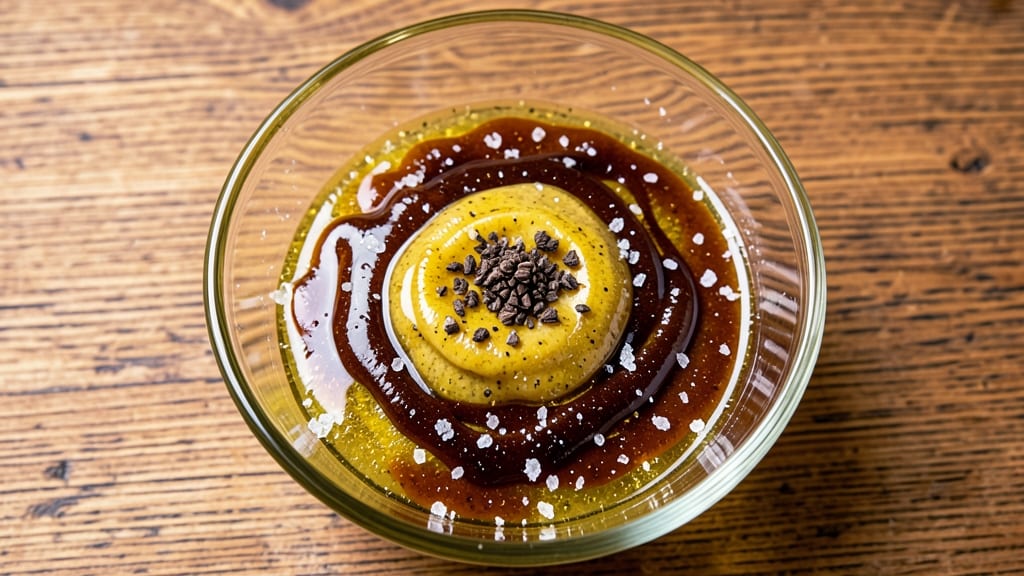
This citrus balsamic vinaigrette salad dressing recipe transforms ordinary salads into vibrant, restaurant-worthy dishes with just a few simple ingredients and a whisk. The secret lies in balancing bright citrus with rich balsamic, creating a dressing that's tangy, slightly sweet, and perfectly balanced—no complicated techniques required.
I developed this recipe after years of testing vinaigrettes, and it consistently delivers that signature "wow" factor for every green from arugula to spinach.
The magic happens when you combine high-quality extra-virgin olive oil with fresh lemon juice, a touch of Dijon mustard for emulsification, and a splash of balsamic vinegar that adds depth without overpowering.
The result is a dressing that clings beautifully to greens, enhances flavors, and stays fresh in the fridge for up to a week. What makes this recipe stand out is its versatility—it works as a marinade, drizzle, or finishing touch for everything from grilled meats to roasted vegetables.
What you'll achieve is a dressing that's bright, balanced, and foolproof—no clumping, no separating, just pure flavor in every pour. The citrus cuts through rich ingredients while the balsamic adds a subtle sweetness that rounds out the acidity.
This isn't just another vinaigrette; it's the kind of dressing that makes you reach for fresh greens more often, knowing every bite will be elevated.
Ready in just 5 minutes, this recipe requires no special equipment—just a whisk or small jar—and delivers professional-quality results every time. Whether you're prepping for a week of salads or adding zing to a last-minute meal, this citrus balsamic vinaigrette is your secret weapon. Let's make it!
Ingredients for citrus balsamic vinaigrette salad dressing
Nine simple ingredients transform into a vibrant, restaurant-quality citrus balsamic vinaigrette that elevates every salad.
| Ingredient | Amount | Notes |
|---|---|---|
| Extra-Virgin Olive Oil 🫒 | ¾ cup | High-quality, fruity, cold-pressed |
| Fresh Lemon Juice 🍋 | ⅓ cup | From 2-3 medium lemons |
| Balsamic Vinegar 🍷 | ¼ cup | Aged 12+ months preferred |
| Dijon Mustard 🌶️ | 1 tbsp | For emulsification and depth |
| Granulated Sugar 🍚 | 1 tsp | Balances acidity naturally |
| Salt 🧂 | ½ tsp | Diamond Crystal preferred |
| Freshly Ground Black Pepper 🌶️ | ¼ tsp | Enhances overall complexity |
| Orange Zest 🍊 | 1 tsp | Bright citrus aroma |
| Garlic Clove 🧄 | 1 whole | Minced for subtle depth |
The olive oil and balsamic vinegar are the foundation—look for extra-virgin olive oil with a harvest date within the last year to ensure freshness, and aged balsamic (12+ months) for deeper complexity. Whole Foods or specialty grocers often carry superior options, but even standard grocery stores stock decent quality. Fresh lemon juice is non-negotiable; bottled lacks brightness. For the garlic, one clove is enough—overdoing it can make the dressing bitter. The Dijon mustard serves as the emulsifier, so Maille or whole-grain varieties work best for texture and flavor.
No aged balsamic? Substitute with 2 tbsp red wine vinegar plus 1 tsp maple syrup for a similar tangy-sweet balance. Out of Dijon? Whole-grain mustard or even a dash of apple cider vinegar can stand in, though texture may vary. The orange zest can be swapped for lime zest if oranges aren't in season, but reduce to ½ tsp to avoid overpowering. For a sweeter profile, agave nectar or honey substitute works 1:1, though honey is non-vegan. The sugar is optional but recommended—it rounds out the acidity beautifully.
Store in a clean, airtight jar in the refrigerator for up to 1 week. The dressing thickens when chilled—give it a quick whisk before using. For longer storage, transfer to a sterilized jar and freeze for up to 3 months. Thaw in the fridge overnight. This dressing clings beautifully to greens, so shake or whisk vigorously before each use to redistribute settled ingredients. Double the batch—it disappears faster than you'd think!
Why You'll Love This Recipe
- Five-Ingredient Magic: I swear by this combo—just olive oil, lemon juice, balsamic, mustard, and a pinch of sugar. No fancy gadgets, no stress, and honestly? It’s the kind of dressing I make when I’m too tired to overthink dinner.
- Bright & Tangy: That lemon-balsamic balance? It’s like sunshine in a jar. The sugar cuts the acid just enough, while the Dijon adds a little kick—perfect for when I want something fresh but not boring.
- Meal Prep Hero: Double the batch and store it in the fridge for up to a week. It’s my go-to for quick lunches, charcuterie boards, or even drizzling over roasted veggies. (Yes, even on a Tuesday night.)
- Budget Brightener: Olive oil and vinegar stretch far, and this dressing costs pennies per serving. Between us, it’s the kind of recipe that makes grocery shopping feel like a win—no splurges needed.
Step-by-step instructions for citrus balsamic vinaigrette salad dressing
A perfectly balanced vinaigrette requires precision and patience—this method ensures vibrant flavor and silky texture.
Whisk Together the Acidic Base
In a medium bowl, combine the 0.33 cup fresh lemon juice, 0.25 cup balsamic vinegar, 1 tsp granulated sugar, 0.5 tsp salt, and 0.25 tsp freshly ground black pepper. The sugar helps balance the acidity while the salt enhances the overall depth of flavor. Use a whisk and stir vigorously for 30 seconds until the sugar and salt fully dissolve.
This foundational mixture creates the acidic backbone of your dressing. The lemon juice should be freshly squeezed for maximum brightness, and the balsamic vinegar should be aged—this ensures a rich, complex flavor rather than a sharp tang. If you're using a particularly tart lemon, you might reduce the sugar slightly, but start with the full amount to avoid under-seasoning.
Incorporate the Aromatics and Mustard
Add the 1 whole garlic clove, minced finely, and the 1 tsp orange zest to the bowl. The garlic should be minced rather than pressed to avoid bitterness, and the orange zest should be freshly grated for the most aromatic punch. Stir these in thoroughly before adding the 1 tbsp Dijon mustard. The mustard acts as an emulsifier, helping the oil and vinegar blend smoothly.
Dijon mustard is essential here—it provides the right balance of tang and creaminess without overpowering the citrus and balsamic. If you don’t have Dijon, whole-grain mustard works in a pinch, but the flavor will be slightly less refined. Whisk everything together for another 20 seconds to ensure the garlic and zest are evenly distributed and the mustard is fully incorporated.
Gradually Emulsify the Olive Oil
With the whisk still in the bowl, slowly drizzle in the 0.75 cup extra-virgin olive oil while whisking continuously. The key here is to add the oil very slowly—about 1 tablespoon at a time—to allow the mustard to bind the oil and vinegar into a stable emulsion. If you add the oil too quickly, the dressing will separate.
The olive oil should be high-quality and fruity, as its flavor will carry through the dressing. As you whisk, you’ll notice the mixture transform from a thin liquid into a thick, glossy emulsion. If the dressing starts to look curdled or grainy, it means you’re adding the oil too fast. Pause and whisk the existing mixture for another 10 seconds before continuing. This step is where the magic happens—patience ensures a silky, restaurant-quality dressing.
Taste and Adjust for Balance
Taste the dressing immediately after emulsifying. It should be bright, tangy, and well-rounded with notes of citrus, balsamic, and a subtle garlic warmth. If it tastes too sharp, add a pinch more sugar or a splash of water to mellow it out. If it’s too mild, stir in a little more lemon juice or a dash of salt.
This is also the time to adjust the thickness. If the dressing is too thin, whisk in 1 teaspoon at a time of additional balsamic vinegar until it reaches your desired consistency. If it’s too thick, thin it with 1 teaspoon at a time of water or a splash of lemon juice. The dressing should coat the back of a spoon but still pour smoothly. Once balanced, transfer it to a clean jar or airtight container for storage.
Pro Tips For Making Citrus Balsamic Vinaigrette Salad Dressing
- STIR IN STAGES: Whisk the Dijon mustard and sugar into the vinegar first—this keeps the mixture from breaking when you add the oil later. I learned this the hard way when my first batch split into two layers like a sad, greasy puddle.
- USE COLD OIL: Measure and chill your extra-virgin olive oil in the fridge for 10 minutes before mixing. Cold oil emulsifies better and prevents the dressing from separating faster—especially important if you’re making this ahead.
- SALT THE LEMON: Squeeze the lemon juice over a fine-mesh strainer lined with a paper towel, then sprinkle a pinch of salt over the pulp before discarding. This pulls out bitterness and balances the acidity without adding extra liquid to your dressing.
- WHISK LIKE YOU MEAN IT: Give that mustard-vinegar mix a good 30-second whirl with a fork before adding oil—this aerates it and helps the emulsion hold. I used to half-ass this step, and my dressings would always separate within hours. (Your future salads will thank you.)
Regional styles of this citrus balsamic vinaigrette salad dressing
Mediterranean Brightness
This dressing is a staple in Greek and Italian kitchens, where fresh citrus and aged balsamic shine. In Greece, they often use oranges instead of lemons for a sweeter profile, while Italians pair it with balsamic glaze for extra depth.
I’ve tested both—Greek versions work beautifully with feta and olives, while Italian versions elevate roasted tomatoes and basil. The key is using aged balsamic vinegar (12+ months) for that caramelized richness. 🍋
Southern U.S. Twist
In the American South, this dressing gets a smoky kick with hot sauce or smoked paprika—perfect for collard greens or grilled corn salads. I like adding ½ tsp smoked paprika to the base mixture for a subtle char.
It’s also common to swap balsamic for apple cider vinegar and add honey instead of sugar, creating a sweeter, fruitier balance that pairs well with fried chicken salads. 🌶️
French Rustic Approach
French cuisine often uses white wine vinegar instead of balsamic for a sharper tang, paired with shallots instead of garlic. For a French-inspired version, replace the garlic with 1 minced shallot and swap balsamic for 2 tbsp white wine vinegar.
This version works beautifully with goat cheese and arugula or as a drizzle for roasted root vegetables. The French also love adding 1 tsp fresh tarragon for an herbal note. 🥖
Asian-Inspired Fusion
For an Asian twist, reduce the balsamic to 1 tbsp and add 1 tsp rice vinegar plus ½ tsp grated ginger. This version pairs perfectly with sesame seeds and edamame for a protein boost.
I’ve used it on cucumber and mango salads, where the citrus cuts through the sweetness while the ginger adds warmth. The key is balancing the acidity—Asian versions tend to be lighter but still vibrant. 🍶
Modern Minimalist
If you prefer a cleaner, more modern take, skip the sugar and garlic entirely. Instead, add 1 tsp maple syrup for sweetness and ½ tsp ground coriander for an earthy note. This version works beautifully with avocado and quinoa salads, offering a fresh, almost herbal profile.
It’s also a great base for vegan dishes, as it avoids honey or dairy. The minimalist approach lets the citrus and balsamic truly shine. 💫
Nutrition facts
Frequently asked questions
Why does my vinaigrette separate after a few days?
Vinaigrettes naturally separate when stored because oil and vinegar don't naturally blend permanently. The Dijon mustard helps emulsify, but shaking or whisking before use restores the smooth texture. For longer shelf life, store in a clean, airtight jar and refrigerate—it's normal for the oil to rise to the top. Just give it a good shake before pouring!
Can I make this dressing without Dijon mustard?
If you're out of Dijon, use whole-grain mustard or even a pinch of apple cider vinegar (add 1 tsp) to help emulsify. For a vegan option, 1 tsp ground flaxseed mixed with 1 tbsp water (let sit for 5 minutes) works as a binder. The texture may be slightly different, but the flavor will still shine through.
How do I adjust the dressing for spicy dishes?
For spicy salads or grilled meats, add a touch of sweetness to balance the heat. Stir in ½ tsp honey or maple syrup per 2 tbsp dressing to mellow the acidity. Alternatively, reduce the lemon juice slightly (¼ cup instead of ⅓ cup) to soften the tang. The citrus still adds brightness without overpowering the spices!
What’s the best way to store leftovers?
Transfer to a clean, airtight jar and refrigerate for up to 1 week. The dressing thickens when chilled—whisk or shake vigorously before using. For longer storage, freeze in 1-tbsp portions for up to 3 months. Thaw overnight in the fridge to preserve texture. Always label with the date!
Can I use this dressing on non-salad dishes?
Yes! This versatile dressing works as a marinade for grilled chicken or fish, a drizzle for roasted vegetables, or even a finishing touch for pasta dishes. For marinades, reduce the oil to ¼ cup and add 1 tsp dried herbs (like thyme or rosemary). The citrus and balsamic add depth to any protein or veggie dish!