Salads
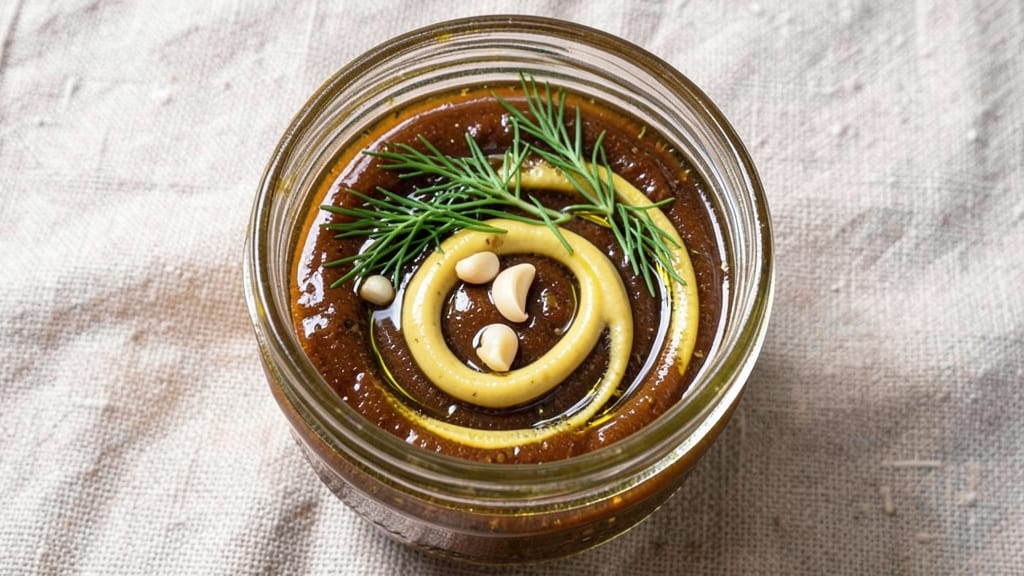
This coconut aminos salad dressing recipe delivers bold umami flavor without the heaviness of traditional mayo-based dressings. The tangy-savory profile comes from coconut aminos—a soy-free alternative packed with minerals—that balances perfectly with citrus and fresh herbs.
What makes this dressing stand out is its light, cling-free texture, ideal for crisp greens and hearty vegetables.
The base combines coconut aminos with lemon juice and olive oil, creating a bright, balanced sauce that enhances rather than overpowers ingredients. A touch of garlic and Dijon mustard adds depth, while fresh dill or basil brings freshness.
Unlike creamy dressings, this one clings to leaves without weighing them down, making it perfect for vegan salads, grain bowls, or wraps.
What you’ll love most is how versatile it is—drizzle over kale salads, toss with quinoa, or use as a marinade for tofu or grilled veggies. The dressing keeps well in the fridge for up to a week, so you can make a batch ahead and enjoy it all week long.
No mayo means no clinging mess, just clean, vibrant flavor in every bite.
For extra richness, stir in a spoonful of tahini or a drizzle of maple syrup for sweetness. Pair it with roasted vegetables, fresh herbs, or even as a dip for crudités. The possibilities are endless, and the taste is undeniably satisfying.
Ingredients for coconut aminos salad dressing
Light, tangy, and packed with umami—this dressing skips mayo for a clean, vibrant flavor.
| Ingredient | Amount | Notes |
|---|---|---|
| Coconut Aminos 🌿 | ½ cup | Soy-free alternative for umami |
| Extra-Virgin Olive Oil 🫒 | ½ cup | Light and fruity preferred |
| Fresh Lemon Juice 🍋 | ¼ cup | Freshly squeezed for brightness |
| Garlic Cloves 🧄 | 2 cloves | Minced for subtle depth |
| Dijon Mustard 🌶️ | 1 tbsp | For tangy richness |
| Fresh Dill 🌿 | ¼ cup | Chopped finely for freshness |
| Fresh Basil 🌿 | ¼ cup | Optional for herbal note |
| Maple Syrup 🍯 | 1 tbsp | For subtle sweetness |
| Tahini 🥜 | 1 tbsp | Optional for extra richness |
| Sea Salt 🧂 | ½ tsp | Fine grain preferred |
Coconut aminos are the star here—look for brands like Coconut Secret or Tyrells in the Asian aisle or online. The real stuff has that deep savory punch without any soy. Fresh dill and basil? Farmers markets usually have the brightest, but grocery store containers work too. If you're using dried herbs, cut the amount in half. The Dijon mustard adds that extra tang, so don't skip it—Maille or Whole Foods 365 are solid choices. For the garlic, roast it first if you want a sweeter flavor (just toss peeled cloves in a 400°F oven for 10 minutes).
No coconut aminos? Low-sodium soy sauce or tamari works in a pinch, but you'll lose that mineral-rich depth. Short on fresh herbs? Dried dill or basil at half the amount gets you close. Want more richness without mayo? Add extra tahini or a drizzle of maple syrup. The dressing needs to sit for 10 minutes before using—that's when all the flavors marry. If it ends up too thick, just whisk in a splash of water. Too thin? Add a bit more coconut aminos or olive oil.
This keeps beautifully in the fridge for up to 1 week—just give it a quick shake before using. For extra shelf life, store it in a glass jar with a tight seal. I like to make a double batch so I always have some on hand. If you're using it as a marinade, keep it refrigerated and use within 3 days. The flavors actually get better after a day or two, so don't be afraid to make it ahead. Freezing isn't recommended since the texture changes, but you can freeze individual portions for up to 3 months if you're really planning ahead.
Why You'll Love This Recipe
- No-Fuss Whisking: I swear by this dressing because it’s just five ingredients—no fancy techniques, no waiting. Toss everything in a jar, shake it once, and boom. Done. Even when I’m too tired to measure, the ratio of coconut aminos to olive oil to lemon just works.
- Umami-Packed Punch: That first splash of coconut aminos? It’s like a savory hug for your salad. The garlic and Dijon mustard add a little bite, while the lemon keeps it bright—no weird aftertaste, just a dressing that makes every bite taste intentional.
- Meal Prep MVP: This keeps like a champ in the fridge for up to a week, so I can toss it on prepped salads, grain bowls, or even grilled fish without stress. Honestly, I’ve had it last even longer if I’m lazy about storing it right—just shake before using.
- Budget Brightener: Coconut aminos stretch farther than soy sauce, and olive oil is cheaper than specialty dressings. Plus, lemon juice is a pantry staple. I make a big batch and use it for everything—no sad, wilted salads here.
Step-by-step instructions for coconut aminos salad dressing
Here's how to blend this vibrant, umami-rich dressing that clings beautifully.
Whisk Together the Wet Ingredients
In a medium bowl, combine the 0.5 cup Coconut Aminos, 0.5 cup Extra-Virgin Olive Oil, and 0.25 cup Fresh Lemon Juice. I like to use a whisk for this step because it creates a nice, emulsified base right away. The coconut aminos will give that deep savory umami flavor without the soy, while the lemon juice brightens everything up.
Next, add the 1 tbsp Dijon Mustard and 1 tbsp Maple Syrup. The mustard adds a tangy richness that balances the sweetness from the maple syrup. Whisk everything together until fully combined—you should see a smooth, slightly thick mixture. This is your flavor foundation, so don't rush this step. The dressing needs these ingredients to meld properly before adding the fresh herbs.
Incorporate the Fresh Herbs and Tahini
Add the 0.25 cup Fresh Dill and 0.25 cup Fresh Basil to the bowl. I like to chop these herbs finely before adding them so they distribute evenly throughout the dressing. The dill brings a fresh, slightly peppery note, while the basil adds a sweet, aromatic depth. If you're using the 1 tbsp Tahini, stir it in now—the tahini adds a creamy richness that helps the dressing cling to salads.
Use a fork or small whisk to gently fold in the herbs. You don't want to overmix here, just enough to break up any large herb pieces. The tahini will give the dressing a slightly thicker texture, which is perfect for tossing with greens or drizzling over roasted vegetables. If the dressing feels too thick, you can thin it out later with a splash of water or more lemon juice.
Add the Garlic and Salt for Depth
Now, it's time to add the 2 cloves Garlic Cloves (minced) and 0.5 tsp Sea Salt. The garlic adds a subtle depth of flavor that ties everything together, while the salt enhances all the other ingredients. Stir well to ensure the garlic is evenly distributed—you don't want any clumps of raw garlic in your dressing.
Taste the dressing at this point. It should be tangy, slightly sweet, and savory with a hint of garlic. If it needs more salt, add a pinch more—this is your chance to adjust the seasoning before it's fully emulsified. The coconut aminos already provide a lot of umami, so you might not need much extra salt, but it's worth checking. The dressing should be balanced, not overly salty or bland.
Emulsify and Adjust Consistency
Transfer the dressing to a jar with a tight-fitting lid and shake vigorously for 30 seconds. This step is crucial because it helps emulsify the dressing, giving it that silky, clingy texture. The coconut aminos and tahini work together to create a natural emulsion without needing mayo or other thickeners.
After shaking, give the dressing a taste. If it's too thick, add 1-2 teaspoons of water at a time until it reaches your desired consistency. If it's too thin, let it sit for 5-10 minutes—sometimes the flavors settle and thicken naturally. The dressing should coat the back of a spoon lightly but still be pourable. Once you're happy with the consistency, give it one final shake before serving.
Pro Tips For Making Coconut Aminos Salad Dressing
- Mince the Garlic Fine: I learned this the hard way—chunky garlic in dressing tastes like you didn’t even try. Use a knife (not a press) and chop it into a paste before adding, so it blends smoothly without clumping.
- Balance the Mustard Slowly: Start with half the Dijon called for, taste, then add more if needed. Coconut aminos are salty, and lemon cuts richness—rushing the mustard will either make it taste like a marinade or a condiment.
- Whisk in Lemon Gradually: Pour the lemon juice in a thin stream while whisking constantly. The acid reacts with the oil, and dumping it all at once can cause separation. (Yes, even if you’re impatient like me.)
- Use Cold Oil: Let your olive oil sit out for 10 minutes if it’s straight from the fridge—cold oil emulsifies better with coconut aminos. Warm oil can turn the dressing greasy and split it faster. (Your future salads will thank you.)
Essential equipment for coconut aminos salad dressing
Basic Mixing Bowl
Start with a medium glass bowl—I love using Pyrex because it’s sturdy and easy to clean. Glass won’t absorb flavors, unlike plastic, and it’s microwave-safe if you ever need to reheat your dressing.
A whisk is your best friend here; I prefer the OXO Good Grips whisk for its ergonomic handle and sturdy build. Avoid metal bowls if you’re using acidic ingredients like lemon juice, as they can react over time. 🌿
Shaker Jar
For emulsifying, a small glass jar with a tight-fitting lid (like a mason jar) is essential. I grab a quart-sized jar from Ball or Le Parfait—they’re durable and stackable. Shake vigorously for 30 seconds to create that silky texture.
If you don’t have a jar, a small mason jar with a lid works just as well. Pro tip: Use a rubber band to mark the fill line if you’re making multiple batches.
Measuring Tools
Precision matters here! Use a liquid measuring cup for the olive oil and coconut aminos—I swear by Pyrex glass measuring cups for their accuracy. For the lemon juice and herbs, a small stainless-steel measuring spoon (like OXO’s) keeps things tidy.
A microplane for garlic is a game-changer—it gives you finely minced garlic without the mess of a knife. 🧄
Optional: Immersion Blender
If you want ultra-smooth dressing, an immersion blender (like the Ninja Foodi) blends everything seamlessly in the bowl. Just pulse for 10-15 seconds after mixing all ingredients. This is especially helpful if you’re using tahini, which can be thick.
Skip this if you’re comfortable with whisking—it’s not required, but it’s a nice upgrade for larger batches.
Storage Containers
Store leftovers in an airtight glass jar (I use Le Parfait) to keep flavors fresh for up to 1 week. Glass preserves taste better than plastic and won’t absorb odors. For longer storage, freeze individual portions in silicone ice cube trays—just thaw and shake before use.
Label with the date to track freshness. A small funnel helps avoid spills when transferring dressing back into the jar. ✨
Nutrition facts
Frequently asked questions
Can I make this dressing without coconut aminos?
Yes, but the flavor will change. For a similar umami profile, use low-sodium soy sauce or tamari in a 1:1 ratio. However, coconut aminos provide a unique mineral-rich depth that soy sauce can't fully replicate. If you're avoiding soy entirely, try miso paste (1 tsp) or nutritional yeast (1 tbsp) for a different but still savory taste.
How do I adjust the dressing for spicy or sweet preferences?
For extra heat, add ½ tsp red pepper flakes or a dash of hot sauce. For more sweetness, increase the maple syrup to 2 tbsp or add 1 tsp agave. If you prefer tangier flavor, boost the lemon juice to ⅓ cup. Always taste and adjust gradually—you can always add more, but you can't take it out!
Why does my dressing separate after sitting?
This happens when the emulsion breaks, usually from too much water or not enough shaking. To fix it, simply shake the jar vigorously for 30 seconds or whisk in 1 tsp tahini or olive oil to help re-emulsify. For prevention, use a blender or immersion blender for smoother results, or shake thoroughly before each use.
What salads pair best with this dressing?
This dressing shines on greens like arugula, spinach, or kale, but it's also perfect for grain bowls, quinoa salads, or wraps. The bright flavors complement roasted vegetables, chickpeas, and avocado. Try it on a Mediterranean salad with cucumbers, olives, and feta (or vegan feta) for a flavor explosion.
Can I use this dressing as a marinade?
It works wonderfully as a marinade for tofu, tempeh, or grilled vegetables. Let the protein or veggies marinate for 15-30 minutes (tofu can handle longer). For extra tenderness, add 1 tbsp apple cider vinegar to the marinade. Just