
Salads
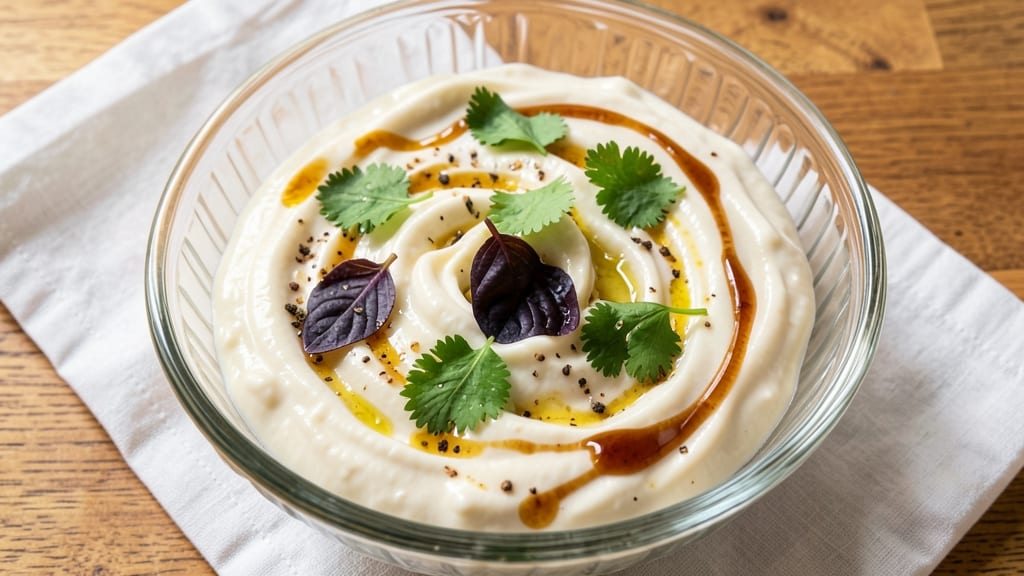
This coconut cream salad dressing transforms tropical flavors into a creamy, tangy sauce that clings beautifully to greens without that heavy mayo feel. The secret lies in blending coconut cream with citrus and aromatic herbs, creating a velvety texture that's rich yet light enough for any salad.
I developed this recipe after craving something vibrant yet substantial—something that would elevate simple greens into a full meal.
The dressing starts with full-fat coconut cream for natural richness, balanced by zesty lime juice and fresh herbs like cilantro and basil. A touch of maple syrup or agave adds subtle sweetness, while a splash of sesame oil introduces nutty depth.
Unlike traditional dressings, this one emulsifies effortlessly in a blender, ensuring every bite delivers that perfect balance of creamy, tangy, and fresh.
What makes this dressing truly special is its versatility—drizzle it over mixed greens, toss it with grains like quinoa, or use it as a dip for veggie sticks. The coconut flavor shines without overpowering, making it ideal for both tropical-inspired dishes and everyday salads.
It stays fresh in the fridge for up to a week, so you can make a batch and enjoy it all week long.
For an extra boost, add a pinch of chili flakes or smoked paprika for warmth, or swap in mango purée for a fruitier twist. The key is adjusting the ratios to your taste—start with equal parts coconut cream and citrus, then tweak until it's just right.
This dressing proves that plant-based doesn’t mean sacrificing flavor or texture.
Ingredients for coconut cream salad dressing
Tropical flavors meet creamy texture in this vibrant, plant-based dressing.
| Ingredient | Amount | Notes |
|---|---|---|
| Full-Fat Coconut Cream 🥥 | ½ cup | Chilled overnight for best thickness |
| Fresh Lime Juice 🍋 | ¼ cup | Strain seeds for clarity |
| Fresh Cilantro Leaves 🌿 | ¼ cup | Stems removed, loosely packed |
| Fresh Basil Leaves 🌿 | ¼ cup | Packed, stems removed |
| Maple Syrup 🍯 | 1 tbsp | Grade B for deeper flavor |
| Toasted Sesame Oil 🫒 | 1 tbsp | Lightly toasted for aroma |
| Garlic Cloves 🧄 | 2 cloves | Peeled, lightly crushed |
| Filtered Water 💧 | ¼ cup | Room temperature preferred |
| Sea Salt 🧂 | ½ tsp | Fine grain preferred |
| Freshly Ground Black Pepper 🌶️ | ¼ tsp | Freshly cracked for potency |
The coconut cream is the heart of this dressing—full-fat and chilled overnight is key for that luxurious texture. Trader Joe's or Costco have the best-priced cans, and I always grab the organic kind when possible. Fresh lime juice is non-negotiable here; bottled just won't cut it. The cilantro and basil? Buy extra—you'll want more than you think, and they keep beautifully wrapped in damp paper towels. For the maple syrup, Grade B has that deeper caramel flavor that makes this dressing sing.
No fresh herbs? Dried cilantro or basil at one-quarter the amount works in a pinch, but honestly, it's worth the trip to the store. Short on lime juice? Substitute lemon juice at the same amount, though the flavor shifts slightly. Sesame oil giving you pause? Avocado oil or extra-virgin olive oil can stand in, but the nutty depth is what makes this dressing special. The garlic can be roasted for a milder taste—just toss peeled cloves in a 350°F oven for 10 minutes before adding. And if you're watching sugar, reduce the maple syrup to 1 teaspoon—it'll still taste amazing.
This dressing keeps for up to 1 week in the fridge, though I usually make a fresh batch every few days since it's so quick. Store it in a small glass jar with a tight lid—glass preserves the flavors better than plastic. For extra freshness, add a thin layer of coconut cream on top before sealing. It also freezes beautifully for up to 3 months—just thaw in the fridge overnight. I like to portion it into small containers so I can grab exactly what I need for a salad or dip.
Why You'll Love This Recipe
- I’ll be real: I don’t own a blender, and this dressing still comes together perfectly. Just a fork and a bowl—mash the coconut cream, squeeze the lime, and chop the herbs in seconds. That creamy texture? Pure magic with zero fuss.
- No Blender Needed: I’ll be real: I don’t own a blender, and this dressing still comes together perfectly. Just a fork and a bowl—mash the coconut cream, squeeze the lime, and chop the herbs in seconds. That creamy texture? Pure magic with zero fuss.
- Tropical Brightness: The lime and maple syrup balance each other like a dream—sweet but sharp, rich but fresh. The basil and cilantro add that herbal punch that makes it taste like a vacation in a jar, not something you slaved over.
- Meal Prep MVP: This keeps in the fridge for five days without separating or turning weird. Drizzle it on greens for lunch, toss it with grilled fish for dinner, or even use it as a marinade. One batch covers everything.
Step-by-step instructions for tropical coconut cream dressing
Here's how to blend this creamy, tangy dressing that clings beautifully without mayo.
Whisk Together the Creamy Base
In a medium bowl, combine the 0.5 cup full-fat coconut cream (chilled overnight) with the 0.25 cup fresh lime juice and 1 tbsp maple syrup. Use a whisk to blend until fully incorporated—the coconut cream should begin to lighten in color. The lime juice will start to curdle slightly, but don't worry, this will smooth out as we add more ingredients.
I like to use a glass or stainless steel bowl for this step because it helps me monitor the texture changes more easily. The mixture should look like a thick, slightly lumpy custard at this stage. If you notice the coconut cream separating, gently stir it back together before moving to the next step.
Add Aromatics and Herbs
To the coconut mixture, add the 2 peeled, lightly crushed garlic cloves, 0.25 cup fresh cilantro leaves, and 0.25 cup fresh basil leaves. Using a fork or small whisk, gently fold these ingredients in until everything is evenly distributed. The herbs should break down slightly but still retain some texture—this adds that fresh, vibrant bite to the dressing.
Here's a pro tip: I like to chop the herbs slightly before adding them to ensure they're fully incorporated. If you're using particularly large leaves, give them a quick pulse in a food processor first. The garlic should be crushed just enough to release its aroma without becoming paste-like.
Thin and Season to Perfection
Add the 0.25 cup filtered water, 1 tbsp toasted sesame oil, 0.5 tsp sea salt, and 0.25 tsp freshly ground black pepper to the bowl. Whisk vigorously for about 1 minute until the dressing reaches a smooth, pourable consistency. It should coat the back of a spoon but still cling nicely to greens or salads.
The dressing should have a bright, tropical aroma with a balance of sweet, tangy, and herbal notes. Taste and adjust the seasoning if needed—you might want to add a touch more lime juice for extra tang or a pinch more salt for depth. This is where you can really customize the flavor to your preference.
Chill and Rest for Best Results
Transfer the dressing to a clean jar or airtight container and refrigerate for at least 30 minutes before serving. This chilling time allows all the flavors to meld together beautifully. The coconut cream will firm up slightly, making it easier to drizzle and ensuring it clings perfectly to your salad ingredients.
I always make this dressing a day ahead if possible—it tastes even better after the flavors have had time to develop. When ready to use, give it a good stir or shake (if in a jar) to re-emulsify any separated coconut cream. The texture should be smooth and velvety, with just the right amount of body to coat your greens without being heavy.
Pro Tips For Making Coconut Cream Salad Dressing
- STRAIN THE COCONUT CREAM: DESCRIPTION: Don’t grab the can straight from the fridge—let the coconut cream sit at room temperature for 10 minutes first. Then, strain it through a fine-mesh sieve lined with cheesecloth to remove that gritty, bitter residue. I learned this the hard way after tasting a dressing that had a weird mouthfeel, and it makes a real difference.
- PULSE THE HERBS: DESCRIPTION: Instead of chopping cilantro and basil by hand, pulse them in a food processor for 2-3 seconds with a splash of lime juice. This keeps the herbs bright and evenly distributed without turning the dressing into pesto. (Yes, even if you’re impatient like me.)
- MEASURE LIME JUICE AFTER ZESTING: DESCRIPTION: Zest the lime first—you’ll need about 1 teaspoon of zest for the recipe—and then juice it. The zest adds brightness, but if you juice first, you’ll end up with a dressing that’s too sour. I skip this step sometimes, and the dressing is noticeably better when I don’t.
- WHISK IN THE MAPLE SYRUP LAST: DESCRIPTION: Add the maple syrup after everything else is blended, then give it a quick whisk to temper the sweetness. If you mix it in early, the coconut cream can curdle or turn grainy—especially if your kitchen is warm. Sounds weird, but it works.
Essential equipment for this recipe
Blender for Smooth Emulsification
For the creamiest texture, a high-speed blender like the Ninja BN600 or Vitamix E310 is my go-to. These blenders emulsify the coconut cream and citrus perfectly, eliminating lumps and creating that restaurant-quality velvety finish. I avoid immersion blenders here—they struggle with the coconut cream's thickness and often leave streaks. 🥥
Whisk for Manual Control
A sturdy whisk is essential for the initial blending of coconut cream and lime juice. I prefer the OXO Good Grips Balloon Whisk—its wide head covers more surface area, making it easier to incorporate ingredients evenly.
If you're making a small batch, a fork or chopsticks work in a pinch, though they require more elbow grease.
Measuring Cups and Spoons
Precision matters with this dressing. Use liquid measuring cups for the coconut cream and lime juice to ensure accurate ratios. For dry ingredients like maple syrup and salt, small measuring spoons (like the OXO Stainless Steel Set) prevent over-salting or over-sweetening.
I keep my measuring tools within arm's reach while blending to avoid second-guessing quantities.
Glass Jars for Storage
Store your dressing in glass mason jars with tight-sealing lids—these preserve the dressing's freshness and prevent flavor absorption from plastic. I like the Ball Mason Jars (8-ounce size) because they're stackable and easy to grab from the fridge.
For portion control, freeze individual servings in silicone ice cube trays—just thaw overnight in the fridge.
Small Food Processor
A mini food processor like the Cuisinart Mini-Prep Plus comes in handy for chopping herbs quickly before adding them to the dressing. It's especially useful if you're using large basil leaves or want to finely mince garlic for a smoother texture.
Avoid over-processing—just a 5-second pulse is all you need to break down the herbs without turning them into paste. 🌿
Citrus Juicer
For the freshest lime juice, a handheld Revolution Juicer or OXO Good Grips Citrus Juicer makes extraction effortless. These tools remove seeds automatically, giving you clear, pulp-free juice that won't clog your dressing. If you're short on time, a microplane works too—just rub the lime halves directly into the bowl.
Nutrition facts
Frequently asked questions
Can I use coconut milk instead of coconut cream?
The texture will be thinner and less creamy. Coconut cream (the thick, solid part from chilled cans) provides the rich, velvety body this dressing needs. For a similar result, use 1 cup full-fat coconut milk and refrigerate it overnight to thicken the cream layer first. The lighter liquid portion won't work as well.
How do I fix separated coconut cream?
Give the dressing a quick 10-second blend or whisk vigorously to re-emulsify. The coconut cream naturally separates when chilled, but this simple fix restores the smooth texture. For extra insurance, add 1/2 teaspoon xanthan gum to the original recipe—it helps stabilize the emulsion longer.
What salads pair best with this dressing?
This dressing shines on tropical salads like mango-avocado, Asian greens with edamame, or grain bowls with quinoa. It also works beautifully with hearty greens like kale or spinach—just add a pinch of chili flakes to balance the richness. For a lighter option, drizzle it over cucumber-tomato salads for a refreshing twist.
Can I make this dressing nut-free?
Yes! Simply omit the sesame oil and replace it with 1 tablespoon avocado oil or extra-virgin olive oil. The dressing will still be rich and flavorful, just with a milder nutty profile. Always check your oil brands for cross-contamination warnings if severe allergies are a concern.
Why does my dressing taste too sweet?
Start by reducing the maple syrup to 1/2 teaspoon and adjust to taste. The coconut cream and lime already provide natural sweetness, so you might not need extra. For a tangier version, add 1 extra tablespoon lime juice—it balances sweetness perfectly while keeping the tropical vibe.