
Salads
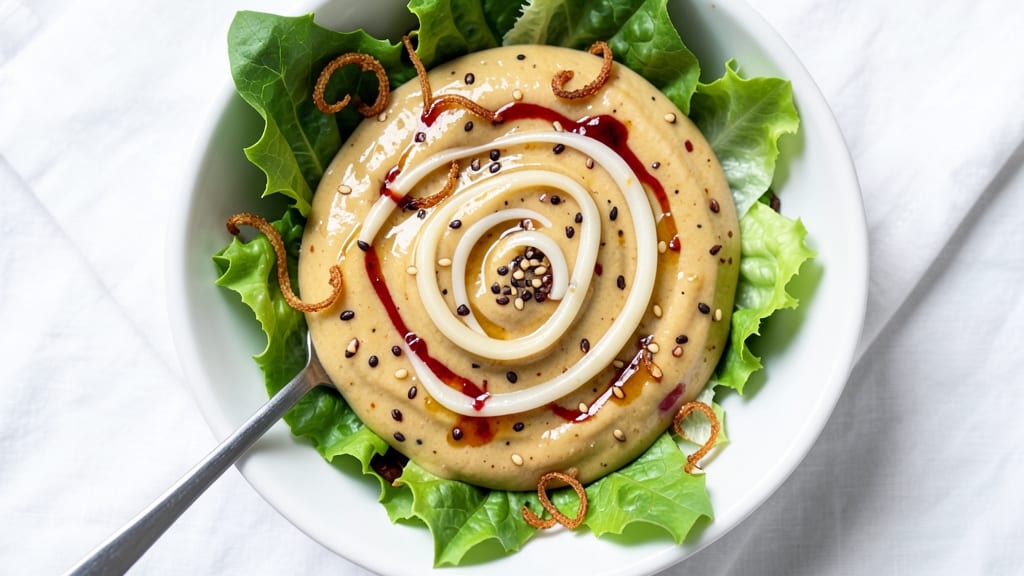
This Cocos Asian salad dressing transforms ordinary greens into a flavor explosion with its nutty sesame-coconut zing. 🌟 The perfect balance of sweet, savory, and tangy notes comes together in minutes, requiring just five simple ingredients—coconut milk, soy sauce, sesame oil, rice vinegar, and a touch of honey.
What makes this dressing truly special is its versatility; it elevates salads, doubles as a marinade for grilled proteins, or even serves as a dipping sauce for spring rolls.
The secret lies in the combination of creamy coconut milk and aromatic sesame oil, which create a rich, velvety texture while delivering bold, earthy flavors. Unlike store-bought dressings, this recipe avoids artificial additives, ensuring every pour is packed with real, vibrant taste.
The dressing stays fresh in the fridge for up to a week, making it a go-to for meal prep and spontaneous lunches.
What you’ll achieve is a dressing that clings beautifully to greens, adds depth to proteins, and brings a tropical twist to any dish. The nutty undertones from toasted sesame seeds complement the creamy coconut base, while the tangy rice vinegar and subtle sweetness of honey create a harmonious balance.
This isn’t just dressing—it’s a flavor booster that turns simple meals into standout dishes.
Whether you’re prepping a week’s worth of salads or craving a quick upgrade for tonight’s dinner, this dressing delivers restaurant-quality results with minimal effort. Let’s make it—your taste buds will thank you.
Ingredients for cocos asian salad dressing
Five core ingredients plus a few finishing touches make this dressing shine.
| Ingredient | Amount | Notes |
|---|---|---|
| Coconut Milk 🥥 | ½ cup | Full-fat for creaminess |
| Soy Sauce 🍶 | ¼ cup | Low-sodium preferred |
| Sesame Oil 🫒 | 1 ½ tbsp | Toasted for nutty flavor |
| Rice Vinegar 🍶 | 2 tbsp | Seasoned if available |
| Honey 🍯 | 1 ½ tbsp | Substitute maple syrup |
| Toasted Sesame Seeds 🌱 | 1 tbsp | For garnish and texture |
| Garlic Cloves 🧄 | 1 clove | Minced for subtle depth |
| Ginger Root 🌿 | ½ tsp | Freshly grated |
| Salt 🧂 | ¼ tsp | Kosher or sea salt |
| Black Pepper 🌶️ | ⅛ tsp | Freshly ground |
The coconut milk is the heart of this dressing—full-fat gives you that luscious, velvety texture. Thai Kitchen or Goya brands are my go-tos for canned coconut milk, but any full-fat works. Skip the light version, trust me. The soy sauce should be low-sodium if you're watching salt, but regular works too. For sesame oil, Kadoya is the gold standard, but any toasted sesame oil will do. The honey? Local raw honey adds depth, but any brand works—just don't use that sad, watery stuff from the discount bin.
No honey? Maple syrup or agave works in a pinch, though honey's floral notes are ideal. Short on sesame seeds? Toasted peanuts or almonds add crunch, but they change the flavor profile. The garlic and ginger are optional but worth it—they add that subtle umami kick. If you're making this ahead, store the dressing without the seeds and add them fresh before serving. The vinegar should be seasoned rice vinegar for that perfect tang, but plain works if that's what you've got.
This dressing keeps for up to 1 week in the fridge, sealed tight in a jar. The sesame seeds stay fresh longer if you add them just before using. I double the batch and store it in small glass jars—perfect for lunches. If it separates (the coconut milk does this sometimes), just give it a good shake before using. Works like a charm on everything from spring rolls to grilled chicken. Leftovers? Toss them in a stir-fry or drizzle over noodles.
Why You'll Love This Recipe
- Five-Ingredient Magic: I swear, this dressing comes together with just a whisk and a jar. No fancy techniques—just pour, stir, taste, adjust. The coconut milk gives it that velvety richness without a drop of mayo, and the honey cuts through the saltiness like a dream.
- Umami Bomb: That first drizzle of sesame oil? Instant flavor explosion. The soy sauce adds depth, the rice vinegar keeps it bright, and the honey ties it all together with just the right sweetness. Drizzle it over greens, noodles, or even grilled chicken—it’s like a little Asian-inspired hug in every bite.
- Weeknight Workhorse: I keep a jar of this in the fridge for those nights when I’m too tired to think. Toss it with pre-washed salad mix, microwave some shrimp, and boom—dinner’s ready. It’s my go-to for quick lunches, takeout-style dinners, or even a fancy-ish charcuterie board when guests drop by.
- Budget-Friendly Luxury: Honestly, this dressing costs me pennies to make but tastes like it’s from a high-end restaurant. Coconut milk and rice vinegar stretch far, and I’ve been known to use leftover soy sauce from takeout containers. Plus, a little goes a long way—one batch dresses three salads or two bowls of ramen with room to spare.
Step-by-step instructions for Cocos Asian salad dressing
This creamy, nutty dressing comes together in minutes with simple ingredients.
👨🍳 Step 1: Mince the Garlic and Grate the Ginger
Use the flat side of your chef's knife to gently crush the 1 clove garlic cloves to soften it. Then finely mince it—you want tiny pieces that will dissolve into the dressing rather than create texture. Set aside in a small bowl.
Next, use a microplane or fine grater to zest 0.5 tsp ginger root. You only need about ½ teaspoon of fresh ginger, so don't overdo it. The bright, zesty flavor is what gives this dressing its signature kick. If you're using jarred ginger, finely chop it instead.
🍳 Step 2: Whisk Together Wet Ingredients
In a medium bowl or measuring cup, combine the 0.5 cup coconut milk (use full-fat for that rich, creamy texture) with the 0.25 cup soy sauce. Give it a quick stir to blend them together. Next, add the 1.5 tbsp sesame oil and 2 tbsp rice vinegar, whisking constantly to emulsify the mixture.
Now add the minced garlic, freshly grated ginger, 1.5 tbsp honey, 0.25 tsp salt, and 0.125 tsp black pepper. Whisk vigorously for about 30 seconds until everything is fully incorporated and the honey has dissolved completely. The dressing should look smooth and silky at this point.
🥘 Step 3: Thin and Adjust the Consistency
Taste the dressing now—it should be tangy, slightly sweet, and umami-rich. If it's too thick, add 1-2 teaspoons of warm water (just enough to loosen it to a pourable consistency). If it's too thin, whisk in ½ teaspoon more sesame oil to help it coat better.
This is where I like to adjust the balance: if it needs more brightness, add a tiny bit more rice vinegar; if it needs more depth, add a pinch of soy sauce. The key is to find that perfect harmony between sweet, salty, tangy, and nutty flavors.
🔪 Step 4: Garnish and Store
Transfer the dressing to a small jar or airtight container. Sprinkle the 1 tbsp toasted sesame seeds on top—these add beautiful texture and nutty aroma. Seal the container and give it one final shake to distribute everything evenly.
For best flavor, let the dressing sit at room temperature for 10-15 minutes before using. This allows all the ingredients to meld together. Store any leftovers in the refrigerator for up to 1 week, shaking well before each use.
Pro Tips For Making Cocos Asian Salad Dressing
- Whisk the coconut milk first: Mix the coconut milk with the honey before adding anything else—this prevents clumping and creates a smoother base. I learned this the hard way after seeing lumps in my dressing that refused to dissolve, no matter how much I shook it later.
- Use cold sesame oil: Add the sesame oil last and stir it in gently—it’s delicate and burns easily. If you heat it up, the aroma will vanish, and the dressing will taste flat. Just a teaspoon at the end does the trick.
- Balance the soy sauce: Taste the soy sauce before adding it to the mix—some brands are saltier than others. Start with half the amount listed, then adjust. I’ve ruined dressings by overdoing it, and you’ll regret it too.
- Skip the full can of coconut milk: One cup is plenty—full-fat works best, but even light coconut milk will do. The extra richness from the full can makes the dressing heavy, and you’ll end up with a sauce, not a dressing. Trust me, you don’t need it.
Troubleshooting this recipe
Curds or Clumps?
If your dressing separates and looks curdled, don’t panic—this happens when coconut milk’s natural fats separate. Simply whisk in ½ teaspoon of Dijon mustard or ¼ teaspoon of xanthan gum to help re-emulsify.
For a quick fix, add 1 teaspoon of warm water and whisk vigorously. If it’s still too thick, thin with ½ teaspoon more rice vinegar to restore balance. 💫
Too Salty?
If your dressing tastes overly salty, balance it with ½ teaspoon more honey or 1 teaspoon of rice vinegar to cut through the saltiness. Avoid adding water—it’ll dilute the flavors.
For a richer fix, stir in ½ teaspoon of toasted sesame oil to deepen the nutty notes. Taste as you go!
Flat Flavor?
If your dressing lacks depth, boost it with ½ teaspoon of fish sauce (for umami) or ¼ teaspoon of red pepper flakes (for heat). A pinch of white pepper adds warmth without altering color. For a brighter finish, add ½ teaspoon of lime juice—it cuts through the richness beautifully.
Sesame Oil Overpowering?
If the sesame oil flavor dominates, dilute it with ½ teaspoon of neutral oil (like avocado or light olive oil) to soften the intensity. Alternatively, add ½ teaspoon of honey or maple syrup to balance the nutty notes. A splash of rice vinegar also helps refresh the palate.
Storage Issues
If your dressing smells off after 1 week in the fridge, it’s time to toss it—even if it looks fine. To prevent spoilage, always store it in a clean, airtight glass jar and keep it submerged in the fridge.
If mold appears, discard immediately. For longer shelf life, freeze the dressing (without seeds) in ice cube trays for up to 3 months.
No Coconut Milk?
If you’re out of coconut milk, substitute with ¼ cup plain Greek yogurt (for tang) or ¼ cup unsweetened almond milk (for creaminess). Reduce the honey to 1 tablespoon to avoid over-sweetening. The texture will differ, but the flavor profile stays surprisingly close!
Nutrition facts
Frequently asked questions
Can I use light coconut milk instead of full-fat?
The recipe calls for full-fat coconut milk to achieve that luscious, velvety texture. Light coconut milk will work, but the dressing may be thinner and less creamy. If you must use it, reduce the rice vinegar by 1 teaspoon to maintain balance. For best results, stick with full-fat—it’s worth the extra richness!
How long does this dressing keep in the fridge?
This creamy dressing stays fresh for up to 1 week when stored in a clean, airtight glass jar. Always keep it submerged in the fridge to prevent spoilage. For longer storage, freeze the dressing (without sesame seeds) in ice cube trays for up to 3 months. Thaw overnight in the fridge before using.
What can I use if I don’t have sesame oil?
Sesame oil is key for that nutty depth, but you can substitute with 1 tablespoon of neutral oil (like avocado or light olive oil) plus ½ teaspoon of toasted sesame seeds (added at the end). For a bolder flavor, try 1 teaspoon of tahini mixed with ½ teaspoon of water to thin it. The texture will differ slightly, but the dressing will still taste amazing!
Can I make this dressing without honey?
Swap the honey for 1.5 tablespoons of maple syrup or agave for a similar sweetness level. If you prefer a more savory profile, reduce the honey to 1 teaspoon and add ½ teaspoon of fish sauce for umami depth. The dressing will still balance beautifully—just adjust to taste.
Is this dressing gluten-free?
Yes, this recipe is naturally gluten-free! Just ensure your soy sauce is tamari or a certified gluten-free brand. All other ingredients (coconut milk, rice vinegar, honey, etc.) are inherently gluten-free. Double-check labels to be safe, especially with vinegars and oils. Perfect for gluten-sensitive diets!