
Salads
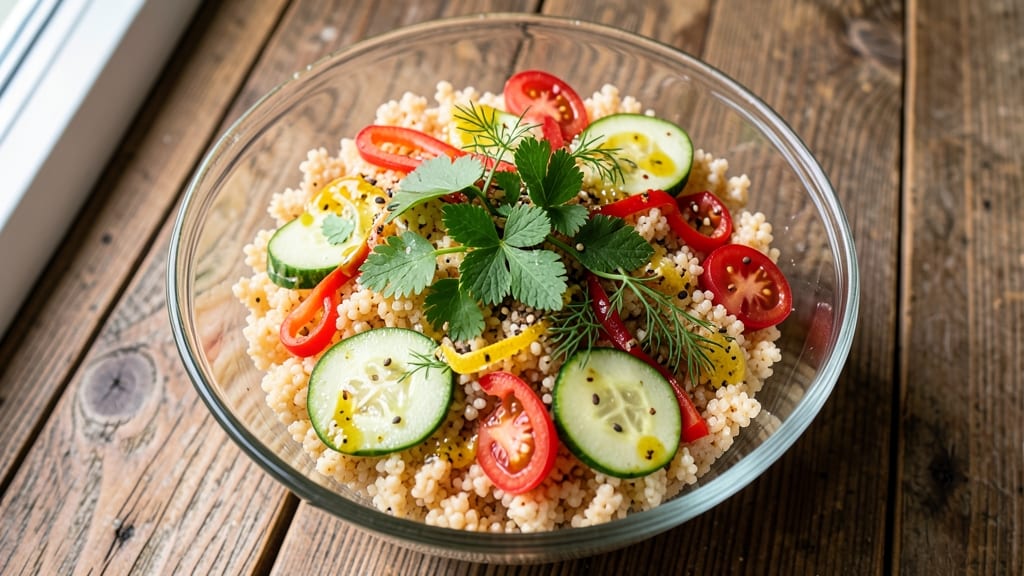
This cold Israeli couscous salad transforms a simple grain into a vibrant, herb-packed dish that’s perfect for summer gatherings or meal prep. The secret lies in its bright citrus-herb dressing—where lemon, parsley, and olive oil blend to create a zesty base that elevates the fluffy couscous.
I’ve tested this recipe countless times, and it never fails to impress with its fresh, Mediterranean-inspired flavors and satisfying texture.
The foundation of this salad is Israeli couscous, a smaller, toothsome grain that cooks in minutes and stays delightfully firm when chilled. Paired with crisp vegetables, fresh herbs, and a protein of your choice (grilled chicken, chickpeas, or feta all work beautifully), it becomes a complete, balanced meal.
The dressing is the star—tangy, aromatic, and just sweet enough to balance the savory elements.
What you’ll end up with is a visually stunning salad that’s as easy to make as it is delicious. The couscous absorbs the dressing perfectly, while the mix of textures—crunchy veggies, tender herbs, and fluffy grains—keeps every bite exciting.
It’s the kind of dish that feels special without requiring hours in the kitchen, making it ideal for weeknight dinners or potlucks.
Serve it as a light lunch, a side dish, or even a refreshing appetizer. The recipe scales effortlessly, so you can make it for two or a crowd. Ready to create a salad that’s as impressive as it is simple? Let’s get started.
Ingredients for cold israeli couscous salad
Bright herbs, crisp veggies, and zesty dressing transform simple couscous into a summer showstopper.
| Ingredient | Amount | Notes |
|---|---|---|
| Israeli Couscous 🌾 | 1 ½ cups | Uncooked, pearl variety preferred |
| Fresh Parsley 🌿 | ½ cup | Chopped, flat-leaf preferred |
| Fresh Mint 🍃 | ¼ cup | Chopped, stems removed |
| Fresh Dill 🌿 | ¼ cup | Chopped, tender stems only |
| Red Bell Pepper 🌶️ | 1 whole | Diced, seeds removed |
| Cucumber 🥒 | 1 whole | English or Persian, diced |
| Cherry Tomatoes 🍅 | ½ lb | Halved, seeds removed |
| Red Onion 🧅 | ¼ whole | Thinly sliced, soaked 5 mins |
| Extra-Virgin Olive Oil 🫒 | ½ cup | Light, fruity variety |
| Fresh Lemon Juice 🍋 | ¼ cup | Strained, no pulp |
| Honey 🍯 | 1 tbsp | Wildflower preferred |
| Garlic Cloves 🧄 | 3 cloves | Minced, fresh preferred |
| Diamond Crystal Kosher Salt 🧂 | 1 ½ tsp | Fine grain, to taste |
| Freshly Ground Black Pepper 🌶️ | ½ tsp | Coarse grind preferred |
| Feta Cheese 🧀 | ½ cup | Crumbled, optional |
The Israeli couscous is the star here—Whole Foods or Trader Joe's carry the best quality, but any gourmet section will have it. Look for the pearl variety, not the regular couscous (it's smaller and stays fluffier). Fresh herbs are non-negotiable: Penzeys bulk bins or your local market's herb section are your best bet. The parsley and mint should be vibrant green with no wilt—if they smell musty, skip them. For the veggies, Heirloom or local farmers' market produce makes all the difference. The red bell pepper should be firm with no soft spots, and cucumbers should feel cool and crisp—not slimy.
No fresh dill? Dried works at one-third the amount, but honestly, it's not the same. Short on mint? Substitute basil at half the quantity—it's sweeter but works in a pinch. The honey adds just enough sweetness to balance the tangy lemon, but agave nectar works too if you're avoiding honey. For the olive oil, California-grown varieties have the best flavor profile—avoid the cheap supermarket brands. The dressing can be made a day ahead, but hold off on adding the cucumber and tomatoes until serving so they stay crisp. If you're avoiding dairy, simply omit the feta—it's optional but adds that salty punch.
This salad keeps beautifully for 3-4 days in the fridge, though the cucumber gets softer over time. To maintain texture, store the dressing separately and toss just before serving. The couscous stays fluffy if you pack it in an airtight container with a paper towel pressed on top to absorb moisture. For meal prep, I like to portion the dressing in small containers—just add it to the salad when ready to eat. If you make a big batch, the feta will separate, so stir it in right before serving for that perfect crumble.
Why You'll Love This Recipe
- No-Cook Magic: I swear by this one—just toss the couscous with lemon juice and olive oil, then let it sit while I chop herbs. Zero stove time, zero fuss, and it still tastes like I slaved over it.
- Herb Explosion: That mix of parsley, mint, and dill? It’s like a fresh breeze in your mouth. The red bell pepper adds a sweet crunch that keeps me coming back for seconds.
- Meal Prep MVP: Honestly, this is my go-to for lunches all week. Pack it in jars, and it stays crisp for days—no sad, mushy salads here. Even my picky-eating coworker asks for it.
- Budget Brightener: Israeli couscous is cheap, herbs stretch far, and bell peppers last forever. I make a big batch, use it in wraps, grain bowls, or just as a side, and never waste a thing.
Step-by-step instructions for cold Israeli couscous salad
Here's how to create a vibrant, herb-infused salad that balances Mediterranean flavors with fresh garden ingredients.
Cook the Israeli Couscous to Perfect Texture
Bring 3 cups of water to a rolling boil in a medium saucepan. Add the 1.5 cups Israeli couscous and 1.5 teaspoons Diamond Crystal kosher salt. Return to a boil, then immediately reduce heat to low, cover, and remove from heat. Let it steam for 8 minutes—this resting period ensures the couscous absorbs all the liquid and develops that signature fluffy texture.
After 8 minutes, fluff the couscous gently with a fork, breaking up any clumps. Spread it on a baking sheet to cool completely. The couscous should be room temperature before mixing with other ingredients—this prevents a watery salad. If you're short on time, spread it on a plate and let it cool while you prepare the vegetables.
Prepare the Fresh Vegetable Medley
While the couscous cools, dice the 1 whole red bell pepper into ½-inch pieces and remove the seeds. Dice the 1 whole cucumber into ¼-inch cubes, removing any seeds or tough skin. Halve the 0.5 lb cherry tomatoes and remove the seeds. Thinly slice the 0.25 whole red onion, then soak in cold water for 5 minutes to mellow its sharpness—this is crucial for balancing the bright flavors.
Drain the onion and pat dry with a paper towel. In a large mixing bowl, combine all prepared vegetables. Add the 0.5 cup crumbled feta cheese (if using) and gently toss. The vegetables should be evenly distributed but not mashed—you want to preserve their individual textures for that satisfying bite.
Whisk Together the Citrus-Herb Dressing
In a small bowl, whisk together the 0.5 cup extra-virgin olive oil, 0.25 cup fresh lemon juice, 1 tablespoon honey, and 3 minced garlic cloves. Season with 0.5 teaspoon freshly ground black pepper. The dressing should be emulsified but still slightly textured—this creates the perfect balance of richness and brightness.
Add the 0.5 cup chopped fresh parsley, 0.25 cup chopped fresh mint, and 0.25 cup chopped fresh dill to the dressing. Stir well to combine, letting the herbs infuse the oil. Taste and adjust seasoning—you might want to add a pinch more salt or lemon juice to suit your preference. This dressing is the heart of your salad, so don't skimp on the fresh herbs.
Combine All Ingredients for Maximum Flavor
Add the cooled couscous to the vegetable mixture in the large bowl. Pour the dressing over the top and gently fold everything together with a large spoon or your hands. Be careful not to overmix—just combine until the dressing is evenly distributed. The salad should look vibrant and inviting, with bright pops of red, green, and white throughout.
Let the salad sit at room temperature for 10-15 minutes before serving. This brief resting period allows the flavors to meld together, creating a harmonious blend of citrus, herbs, and Mediterranean spices. The couscous will absorb just enough dressing to become perfectly coated without becoming soggy.
Chill and Serve for Optimal Freshness
Transfer the salad to an airtight container and refrigerate for at least 1 hour before serving. Chilling enhances the flavors and allows the textures to settle—you'll notice the couscous becomes even more tender, and the vegetables maintain their crispness. This is especially important for the cucumber and bell pepper, which can become watery if served immediately.
When ready to serve, give the salad a final toss to redistribute any dressing that may have settled. The salad should be cool, vibrant, and bursting with fresh flavors. Serve it as a light lunch, side dish, or even as a refreshing meal with grilled meats or crusty bread. The combination of bright citrus, fresh herbs, and creamy feta makes this salad a standout dish that's perfect for any occasion.
Pro Tips For Making Cold Israeli Couscous Salad
- Rinse the Couscous: DESCRIPTION:
- Dice Bell Pepper Small: DESCRIPTION:
- Chill Before Dressing: DESCRIPTION:
- Pulse Herbs, Don’t Chop: DESCRIPTION:
Regional styles of this dish
Middle Eastern Roots
The Israeli couscous salad traces its origins to the Middle Eastern culinary tradition, where pearl couscous (Israeli couscous) became a staple due to its quick cooking time and hearty texture.
In Israel, it’s often served cold with fresh herbs, lemon, and olive oil—a perfect balance of bright and savory flavors. This dish reflects the region’s love for Mediterranean ingredients like tomatoes, cucumbers, and feta, which thrive in the warm climate. 🌿
Greek-Inspired Twist
In Greece, a similar dish called horiatiki (Greek salad) inspired this recipe’s fresh, herb-forward approach. The red onion soak technique comes from Greek cuisine, where onions are often soaked to soften their sharpness before mixing with tomatoes and cucumbers.
The feta cheese addition is a direct nod to Greek flavors, adding a salty, creamy contrast to the bright citrus dressing. I’ve found that using domestic feta (like Galbani) gives the best texture and tang.
Modern Israeli Adaptations
Modern Israeli chefs have elevated this salad by incorporating global ingredients while keeping the core Mediterranean spirit. For example, adding roasted red peppers (common in Israeli cuisine) or grilled halloumi instead of feta creates a smoky depth.
I love using chickpeas as a protein base for a vegetarian version, which aligns with Israel’s diverse dietary traditions. The honey-lemon dressing is a signature Israeli touch—sweet, tangy, and perfectly balanced.
Lebanese Herb Influence
Lebanese cuisine heavily influences this dish through its herb-forward approach. The mix of parsley, mint, and dill is a staple in Lebanese salads like fattoush. The olive oil used in the dressing is often Pomace olive oil (a Lebanese favorite) for its rich, fruity flavor.
I recommend Colavita for a budget-friendly alternative that still delivers authentic taste. The crisp vegetables in this salad mirror Lebanese dishes, where freshness is key. 🥒
American Meal-Prep Favorite
In the U.S., this salad has become a meal-prep staple due to its long shelf life and versatility. The Israeli couscous holds up well in the fridge, making it ideal for lunchboxes or office lunches.
Many Americans add grilled chicken or tuna for extra protein, blending Israeli flavors with American convenience. The honey-lemon dressing also pairs well with balsamic vinegar for a modern twist—something I’ve seen in trendy cafes across the country.
Seasonal Variations
Summer versions often include watermelon or peaches for a sweet contrast, while winter adaptations might feature roasted butternut squash or caramelized onions. In Israel, this salad is a Shabbat staple, served with grilled meats or as a standalone dish.
The herbs can be swapped seasonally—basil in summer and parsley in winter—to keep the dish fresh year-round. I’ve even seen avocado added in spring for a creamy texture. 🌱
Nutrition facts
Frequently asked questions
What makes Israeli couscous different from regular couscous?
Israeli couscous (also called pearl couscous) is made from whole wheat or durum wheat and has a larger, toothsome shape compared to traditional couscous. It cooks in just 8 minutes and stays firm when chilled, making it perfect for salads. Regular couscous is much smaller and softer, often used in soups or as a side dish.
Can I make this salad ahead of time?
Yes! Prepare the salad up to 3 days ahead by storing the dressing separately and keeping the vegetables and couscous in airtight containers. Mix everything just before serving to maintain crispness. For best results, store the dressing in a small container and toss it in right before eating.
What can I substitute if I don’t have fresh herbs?
For parsley, use 1 tablespoon dried (but fresh is always better). Mint can be replaced with basil at half the quantity, and dill can be omitted or substituted with ½ teaspoon dried dill. The flavor won’t be identical, but it’ll still taste delicious. Fresh herbs are key for that bright Israeli flavor, though!
How do I keep the cucumber from getting soggy?
Pat the cucumber dry thoroughly before dicing and avoid overmixing the salad. If storing for later, keep the dressing separate until serving. For extra crispness, add the cucumber and tomatoes just before eating. The 1-hour chilling time before serving also helps maintain texture.
Can I make this salad without feta?
The feta adds a salty contrast, but you can omit it or substitute with crumbled goat cheese or vegan feta for a dairy-free option. The salad will still be flavorful—just missing that classic Mediterranean tang.