
Salads
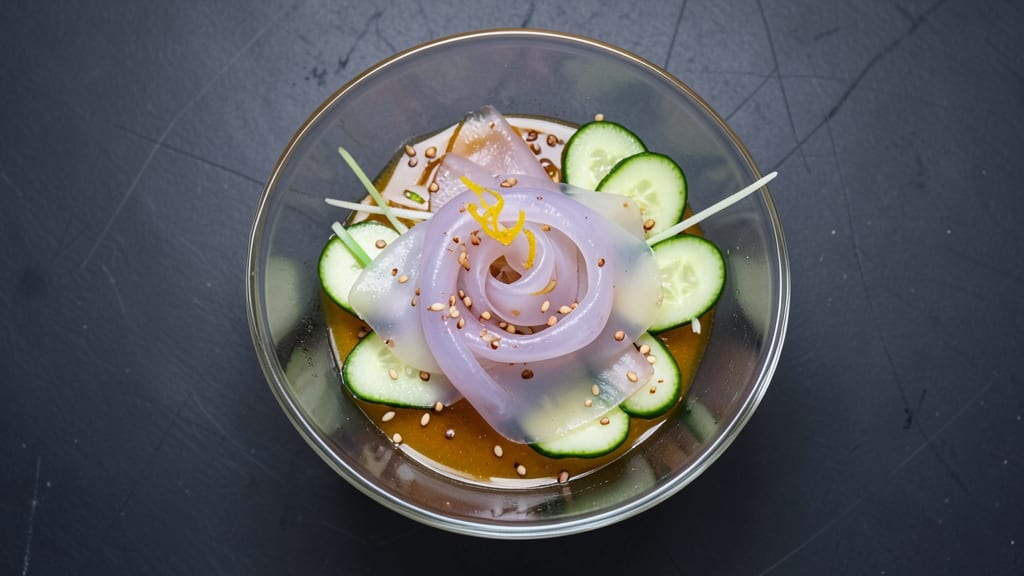
This cold jellyfish salad recipe transforms delicate sea creature into a crispy, citrus-kissed dish that balances umami and refreshing acidity. ✨ The secret lies in proper preparation—cleaning, marinating, and slicing the jellyfish to achieve that signature crunch without rubbery texture.
Unlike traditional versions, this recipe incorporates modern twists like spicy mayo or bright citrus dressing to elevate the classic.
Handling raw jellyfish requires care, but the process is straightforward with the right technique. We’ll guide you through rinsing, slicing, and marinating to ensure safety and optimal texture.
The jellyfish absorbs the dressing beautifully, creating a tender-yet-crispy bite that pairs perfectly with crisp cucumbers, toasted sesame seeds, and a tangy vinegar base.
What makes this salad stand out is the contrast—crispy edges from proper slicing, tender jellyfish, and a dressing that brightens every bite. The citrus marinade not only tenderizes but also adds a zesty balance to the dish’s natural sweetness.
Whether served as an appetizer or light main, this salad delivers restaurant-quality results at home.
For those new to jellyfish, don’t worry—we’ll walk you through every step, from preparation to plating. The key is patience in marinating and slicing, which ensures the jellyfish holds its texture and flavor. Ready to try something unexpected? Let’s get started.
Ingredients for cold jellyfish salad
Delicate sea creature meets vibrant citrus and crisp textures in this restaurant-worthy salad.
| Ingredient | Amount | Notes |
|---|---|---|
| Fresh Jellyfish 🐙 | 12 oz | Cleaned, rinsed thoroughly, sliced thin |
| Japanese Rice Vinegar 🍶 | ½ cup | For tenderizing marinade |
| Soy Sauce 🥢 | ¼ cup | Low-sodium preferred |
| Sesame Oil 🫒 | 1 tbsp | Toasted for aroma |
| Fresh Lemon Juice 🍋 | ¼ cup | Bright citrus flavor |
| English Cucumber 🥒 | 1 whole | Seedless, thinly sliced |
| Red Bell Pepper 🌶️ | ½ whole | Thinly sliced, seeds removed |
| Green Onion 🧅 | 4 whole | Thinly sliced, white and green |
| Toasted Sesame Seeds 🌾 | 2 tbsp | For garnish |
| Mayonnaise 🥫 | ¼ cup | For spicy mayo option |
| Sriracha 🌶️ | 1 tbsp | Adjust for heat preference |
| Diamond Crystal Kosher Salt 🧂 | ½ tsp | For seasoning |
| Fresh Ginger 🌿 | 1 tbsp | Grated, for citrus marinade |
| Honey 🍯 | 1 tbsp | For citrus balance |
The jellyfish is the star—fresh, high-quality jellyfish from a trusted seafood market is non-negotiable. Look for jellyfish that’s been properly cleaned and rinsed, as any remaining sand or grit will ruin the texture. Asian grocery stores often carry pre-cleaned jellyfish, but if you're buying whole, plan for a thorough 30-minute soaking in cold water with frequent changes. The thinner the slices, the crispier the final texture—aim for paper-thin strips. For the citrus marinade, Japanese rice vinegar adds depth without overpowering, while the honey and ginger create a perfect balance of sweet and spicy.
No fresh jellyfish? High-quality surimi or imitation crab can mimic the texture in a pinch, though it won’t have the same delicate flavor. Short on sesame oil? Toasted peanut oil works similarly, though with a nuttier profile. The spicy mayo can be skipped entirely—just serve with a side of sriracha or chili crisp for heat lovers. For the cucumber, seedless Persian cucumbers are ideal, but regular English cucumbers work if you remove the seeds. The red bell pepper adds a subtle sweetness that cuts through the umami—roasted for 5 minutes beforehand intensifies its flavor without losing crispness.
Jellyfish marinates best in the fridge for at least 4 hours, though overnight yields superior tenderness. Store the dressing separately—it keeps for 5 days in an airtight container. The cucumber and bell pepper should be prepped last minute to maintain crispness. For presentation, arrange jellyfish in concentric circles on a platter, drizzle with excess marinade, and sprinkle sesame seeds just before serving. The dish holds well for 2 days in the fridge, though texture degrades after 24 hours—best enjoyed fresh.
Why You'll Love This Recipe
- I’ll be real: the jellyfish just needs a quick soak and slice—no boiling, no frying, no stress. Toss it in vinegar and soy sauce for 10 minutes, and boom, you’re done. (Yes, even on a Tuesday night.)
- No-Fuss Prep: I’ll be real: the jellyfish just needs a quick soak and slice—no boiling, no frying, no stress. Toss it in vinegar and soy sauce for 10 minutes, and boom, you’re done. (Yes, even on a Tuesday night.)
- Tangy Crunch Magic: That bright lemon cut through the jellyfish’s natural sweetness while the sesame oil adds this nutty depth—like a fresh, umami-packed slaw. Honestly, the first bite makes me forget it’s seafood.
- Party-Ready in Minutes: Bring it to potlucks, picnics, or even a lazy weekend brunch—it holds up perfectly. I’ve served it in bowls, lettuce cups, or straight from the container. (My roommates still steal my leftovers.)
Step-by-step instructions for cold jellyfish salad
Transform delicate jellyfish into crispy, citrus-kissed bites with this precise technique.
👨🍳 Step 1: Prepare the Citrus Marinade for Jellyfish
In a medium bowl, whisk together the 0.5 cup Japanese rice vinegar, 0.25 cup soy sauce, 1 tbsp sesame oil, 0.25 cup fresh lemon juice, 1 tbsp grated fresh ginger, and 1 tbsp honey until fully combined. The marinade should be smooth with a bright citrus aroma and subtle sweetness.
Gently place the 12 oz fresh jellyfish (previously cleaned and sliced thin) into a shallow dish and pour the marinade evenly over the top. Make sure every piece is fully coated. Cover and refrigerate for 30-45 minutes—this time allows the jellyfish to absorb the marinade while maintaining its delicate texture. Do not over-marinate or the jellyfish will become too soft.
🔥 Step 2: Achieve Crispy Texture Through Quick Searing
Heat a non-stick skillet over medium-high heat until hot but not smoking. Working in batches if needed, carefully transfer the marinated jellyfish pieces to the skillet, leaving space between them. Cook for 1-2 minutes per side until the edges turn light golden brown and slightly crispy.
Here's the key: you're not trying to fully cook the jellyfish (it's already been prepped through marinating), but rather create that satisfying contrast of crispy edges with tender centers. If the jellyfish pieces stick, gently press down with a spatula—this ensures even contact with the hot surface. Transfer the cooked jellyfish to a paper towel-lined plate to drain excess marinade and let cool completely.
🥘 Step 3: Assemble the Crunchy Vegetable Base
While the jellyfish cools, prepare the vegetable components. Thinly slice the 1 whole English cucumber into half-moons, the 0.5 whole red bell pepper into strips, and slice the 4 whole green onions into 1-inch pieces. Arrange these on a large platter or serving dish, creating an even base layer.
For the spicy mayo option, mix together the 0.25 cup mayonnaise and 1 tbsp sriracha in a small bowl. This mixture should have a vibrant red color and a balanced heat level. Sprinkle the prepared vegetables lightly with 0.5 tsp Diamond Crystal kosher salt to enhance their natural flavors.
🍽️ Step 4: Layer and Garnish for Presentation
Once the jellyfish has cooled completely, arrange the crispy pieces evenly over the vegetable base. The contrast between the jellyfish's delicate texture and the vegetables' crunch creates an exciting bite. Drizzle any remaining citrus marinade lightly over the top for added brightness.
Finish the salad with the 2 tbsp toasted sesame seeds, sprinkling them generously over the entire dish. These seeds will add a nutty aroma and satisfying crunch with every bite. Serve immediately to maintain the crispy texture and vibrant flavors. This salad keeps well in the refrigerator for up to 24 hours, though the jellyfish will become slightly softer over time.
Pro Tips For Making Cold Jellyfish Salad
- Rinse Twice, Pat Dry: Jellyfish soaks up water like a sponge—skip this and your salad will turn to mush. After the initial salt or vinegar bath, rinse it twice under cold running water, then press it between paper towels for 10 minutes. I learned this the hard way when my first batch turned into a sad, watery puddle.
- Use Cold Vinegar: Warm rice vinegar cooks the jellyfish slightly, making it limp. Grab the vinegar straight from the fridge and pour it over the jellyfish while it’s still cold. The acid will set the texture properly without overworking the delicate strands—trust me, your salad will stay crisp.
- Balance the Soy Sauce: Too much soy sauce? Your salad tastes like a salty brick. Start with just 1 tablespoon per cup of vinegar, then taste before adding more. I used to drown it, but now I let the lemon juice and sesame oil carry the flavor—less is more here.
- Add Lemon Last: Lemon juice breaks down jellyfish faster than vinegar. Mix everything except the lemon until the jellyfish is perfectly set, then toss it in right before serving. Your strands will stay intact longer—no more rubbery surprises.
Troubleshooting your cold jellyfish salad
Jellyfish Too Rubbery?
Over-marinating is the #1 cause of rubbery jellyfish. Keep your marinating time to 30-45 minutes max—any longer and the texture becomes mushy. The key is proper slicing: use a sharp chef's knife and cut jellyfish against the grain into paper-thin strips (about 1/16-inch thick).
Thicker slices won't crisp properly, while thinner slices create that perfect delicate bite. 💡
Crispy Edges Missing?
Your skillet needs to be hot enough—medium-high heat is critical for that crispy texture. I use a non-stick skillet (like Calphalon) to prevent sticking. Cook in single layers with space between pieces—crowding steams instead of crisps.
If your jellyfish isn't browning, increase heat slightly and cook for 30 seconds longer per side.
Dressing Too Strong?
The citrus marinade should complement, not overpower. If it tastes too sharp, reduce the Japanese rice vinegar to 0.375 cup and add 1 extra tbsp honey. For a milder flavor, use Kewpie mayo instead of regular mayo in your spicy mix—it's creamier and less tangy.
Always taste before serving and adjust seasoning gradually. 🍋
Jellyfish Sticking?
This happens when pieces aren't dry enough after marinating. Pat jellyfish slices dry with paper towels before cooking. For extra insurance, lightly dust with 1/4 tsp cornstarch before searing.
If sticking persists, your skillet isn't hot enough—wait 30 seconds longer before adding jellyfish. A spatula with a flat edge helps press pieces down gently for even contact.
Texture Uneven?
Uneven cooking often means inconsistent slicing thickness. Use a mandoline slicer (set to 1/16-inch) for perfectly even strips. For hand-slicing, stack jellyfish pieces and cut through all layers at once.
If some pieces are overcooked while others are raw, your heat source is uneven—use a cast iron skillet for more consistent heat distribution. 🔥
Safety Concerns?
Always handle jellyfish with gloves—even cleaned jellyfish can irritate skin. Rinse thoroughly in cold water for 10 minutes before marinating to remove any remaining sand. Never eat jellyfish raw unless you're absolutely certain it's been properly cleaned and handled.
If you're unsure about freshness, freeze the jellyfish for 24 hours before using to kill any potential parasites. When in doubt, discard it!
Nutrition facts
Frequently asked questions
Why does jellyfish need to marinate for so long?
The 30-45 minute marinade is essential for tenderizing the jellyfish's delicate texture. The citrus and vinegar break down proteins while infusing flavor—without this step, the jellyfish can turn rubbery. For best results, never exceed 45 minutes or the texture will become too soft.
Can I substitute jellyfish with another seafood?
While nothing matches jellyfish's unique texture, thinly sliced squid or octopus (pre-cooked and sliced) work in a pinch. For a vegetarian option, use shredded napa cabbage or thinly sliced mushrooms marinated in the same dressing. The crispy element will be lost, but the citrus flavor remains.
How do I know when the jellyfish is properly cooked?
Look for light golden edges that crisp slightly when touched—this takes 1-2 minutes per side on medium-high heat. The center should remain tender, not firm. Overcooking turns jellyfish chewy, while undercooking leaves it raw-tasting. A quick taste test helps!
Is this salad safe to eat raw?
Only if the jellyfish has been properly cleaned, rinsed for 10 minutes in cold water, and handled with gloves. For extra safety, freeze for 24 hours before using. If unsure about freshness or handling, cook the jellyfish thoroughly—it's still delicious when warm!
What's the best way to serve this salad?
This dish shines as an appetizer or light lunch. Pair with steamed rice or noodles to balance the crisp textures. For presentation, arrange jellyfish in concentric circles on a platter, drizzle with extra marinade, and garnish with sesame seeds. Serve chilled for optimal texture!