
Salads
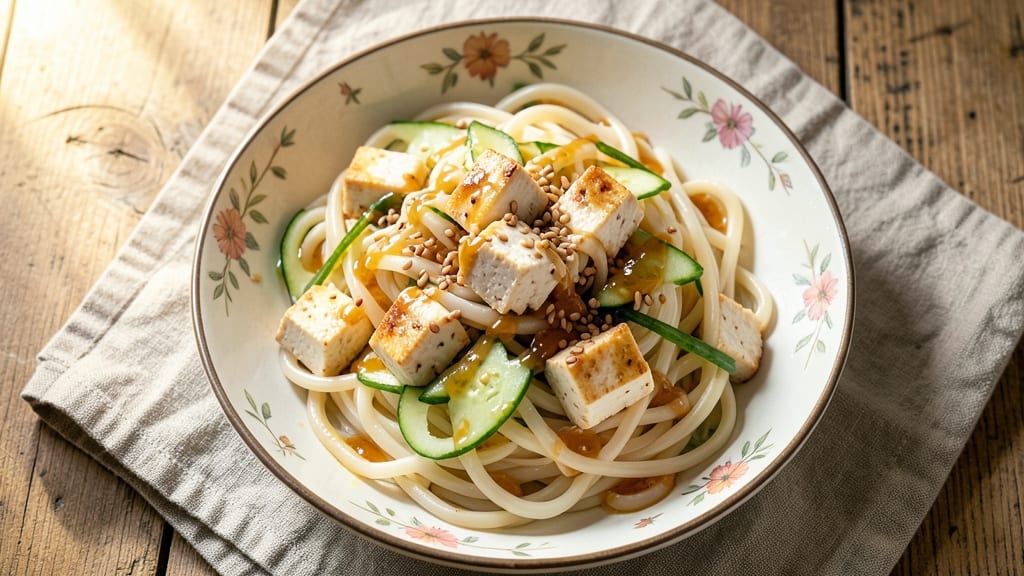
This cold udon salad recipe transforms simple ingredients into a refreshing, restaurant-worthy dish that's perfect for hot days or quick lunches. The secret lies in perfectly chilled udon noodles coated in a tangy sesame dressing that balances sweet, savory, and umami flavors without overpowering the fresh vegetables and protein. I developed this recipe after realizing how versatile udon could be beyond hot soups, and it's become a staple in my meal rotation for its satisfying texture and bright flavors.
The beauty of this dish is its adaptability—whether you're using leftover udon or freshly cooked noodles, the dressing transforms them into something entirely new.
The sesame vinaigrette, made with toasted sesame oil, rice vinegar, and a touch of honey, creates a glossy coating that clings to every strand of noodle while keeping the salad light and refreshing. For added substance, I include shredded rotisserie chicken or crispy tofu, which adds protein without heaviness.
What you'll end up with is a visually appealing salad featuring chewy udon noodles, crisp vegetables, and a vibrant dressing that ties everything together. The texture contrast—crunchy cucumbers, soft greens, and tender noodles—makes each bite exciting, while the dressing's tangy-sweet profile keeps it from feeling monotonous.
This dish is equally at home as a light lunch or a side for grilled meats, and it stays fresh in the fridge for up to two days, making it ideal for meal prep.
The plating is simple yet elegant: arrange the noodles and vegetables in a shallow bowl, drizzle generously with dressing, and top with your choice of protein. Garnish with sesame seeds and sliced green onions for a pop of color and extra flavor.
The result is a dish that's both satisfying and visually striking, proving that cold noodle salads can be just as impressive as their hot counterparts.
Ingredients for cold udon salad
These fresh ingredients transform simple udon into a restaurant-worthy cold salad with vibrant flavors.
| Ingredient | Amount | Notes |
|---|---|---|
| Udon Noodles 🍜 | 8 oz | Dried, cooked al dente |
| Sesame Oil 🫒 | ¼ cup | Toasted for aroma |
| Firm Tofu 🍳 | 14 oz | Extra-firm, pressed |
| Rice Vinegar 💧 | ⅓ cup | Unseasoned preferred |
| Honey 🍯 | 2 tbsp | Light variety |
| Soy Sauce 🍶 | 2 tbsp | Low-sodium preferred |
| Sesame Seeds 🌾 | 2 tbsp | Toasted for garnish |
| Cucumber 🥒 | 1 whole | English or Persian |
| Green Onions 🧅 | 4 whole | Sliced for garnish |
| Shredded Carrot 🥕 | ½ cup | Julienned or shredded |
| Lettuce 🥬 | 4 cups | Butter or romaine |
| Salt 🧂 | ½ tsp | Kosher or sea salt |
| Black Pepper 🌶️ | ¼ tsp | Freshly ground |
| Rotisserie Chicken 🍗 | 1 cup | Shredded, optional |
The udon noodles are the backbone of this dish—look for thick, chewy udon at the Asian market or grocery store. Marukyu brand is my go-to for that perfect texture. If you can't find udon, thick soba noodles work too. For the tofu, extra-firm is a must—press it for 20 minutes to remove excess water. The sesame oil? Toast it lightly in a dry pan first—this brings out its nutty aroma. Rotisserie chicken makes this dish hearty, but skip it for a vegetarian version.
No sesame seeds? Toasted peanuts or slivered almonds add crunch instead. Short on honey? Maple syrup works just as well. The rice vinegar should smell bright and clean—if it's funky, toss it. For the veggies, English cucumbers have fewer seeds and stay crunchier. The dressing can be made ahead and stored in the fridge for up to 5 days. If you're using pre-cooked udon, rinse it under cold water to stop the cooking process and chill it in the fridge for at least 30 minutes before assembling.
This salad keeps beautifully—2 days in the fridge if stored properly. Keep the dressing separate until serving to maintain crispness. For meal prep, portion the noodles and veggies into containers, then store the dressing separately. When ready to eat, toss everything together and drizzle with dressing. The flavors actually improve after 24 hours as everything melds. Garnish with extra sesame seeds and green onions right before serving for that restaurant-quality touch.
Why You'll Love This Recipe
- No Boiling Required: I just rinse the udon, toss it cold—no pot, no waiting, no mess. That sesame oil glaze? Two minutes with a fork, and suddenly you’ve got restaurant-style noodles without the fuss.
- Sweet-Savory Magic: The honey and rice vinegar balance is chef’s kiss—bright, sticky, just enough tang to cut through the chewy udon. Pan-fry the tofu until it’s crispy-edged and creamy inside, and you’ve got a flavor combo that’ll make you reach for seconds.
- Lunchbox Hero: Between us, this is my go-to for packed lunches. The noodles hold up for days, the dressing stays fresh, and it’s the only salad my kids actually eat. (Yes, even on a Tuesday night.)
- Budget Meal Stretch: Udon’s cheaper than pasta, tofu’s a protein powerhouse, and a little sesame oil goes a long way. I make a big batch, store it in the fridge, and suddenly I’ve got four satisfying meals for the price of takeout.
Step-by-step instructions for cold udon salad
Here's how to assemble this refreshing, protein-packed salad with crisp textures and bright flavors.
Cook and Cool the Udon Noodles
Bring a large pot of water to a rolling boil and cook the 8 oz udon noodles according to package instructions until al dente—about 4-5 minutes. They should be tender but still hold their shape when bitten. Immediately drain and rinse under cold water to stop the cooking process and remove excess starch.
Spread the noodles on a clean kitchen towel and gently pat them dry. Let them cool completely before assembling the salad—this prevents the dressing from turning watery. I like to fan them out on a baking sheet for 10 minutes to ensure they're thoroughly chilled.
Prepare the Tangy Sesame Dressing
In a small bowl, whisk together the 0.25 cup sesame oil, 0.33 cup rice vinegar, 2 tbsp honey, and 2 tbsp soy sauce until fully combined. The dressing should be smooth and slightly thick. Taste and adjust seasoning with 0.5 tsp salt and 0.25 tsp black pepper—you want a balance of sweet, tangy, and savory.
Here's the thing—this dressing is the heart of the salad. If it tastes too strong, add a splash of water to mellow it out. If it's too thin, let it sit for 5 minutes to thicken slightly. The perfect dressing should coat the back of a spoon without being syrupy.
Press and Cube the Firm Tofu
Wrap the 14 oz firm tofu in a clean kitchen towel and place a heavy object, like a cast-iron skillet, on top for 15-20 minutes. This pressing step removes excess moisture so the tofu stays crispy in the salad. After pressing, cut the tofu into ½-inch cubes—uniform pieces ensure even cooking if you choose to pan-fry them later.
For extra flavor, I like to lightly pan-fry the tofu cubes in 1 tbsp sesame oil over medium heat for 3-4 minutes until golden brown. This step is optional but adds a nice texture contrast. Set the tofu aside to cool completely before adding it to the salad.
Assemble the Fresh Vegetable Mix
Peel and slice the 1 whole cucumber into thin half-moons. Thinly slice the 4 whole green onions, separating the white and green parts. Toss the 0.5 cup shredded carrot and 4 cups lettuce into a large mixing bowl. The lettuce should be chopped into bite-sized pieces for easy eating.
Give everything a gentle toss with your hands to combine. The vegetables should look vibrant and fresh—this is the base that keeps the salad crisp and light. If you're using the 1 cup rotisserie chicken, shred it into small pieces and add it to the bowl now. The chicken adds protein and heartiness without overpowering the other flavors.
Combine All Ingredients and Chill
Add the cooled udon noodles and tofu cubes to the vegetable mix. Drizzle the dressing over everything and toss gently but thoroughly to coat all the ingredients evenly. I like to use two large spoons—one to hold the salad and one to toss—to make sure nothing gets left dry.
Transfer the salad to a serving bowl or individual plates. Sprinkle the 2 tbsp sesame seeds on top just before serving for a final nutty crunch. Let the salad sit in the refrigerator for at least 30 minutes before serving—this allows the flavors to meld together perfectly. The longer it chills, the better the textures and tastes will come together.
Pro Tips For Making Cold Udon Salad
- CHILL THE NOODLES RIGHT: Drain udon, rinse under cold water, then spread them on a wire rack for 10 minutes—this prevents sogginess and makes the texture perfect for a cold salad. I used to skip this and ended up with a mushy mess after mixing in dressing.
- PRESS TOFU HARDER: Wrap firm tofu in a towel, place a heavy pan on top for 15 minutes before cubing—this removes excess water and gives you crispy edges when pan-frying. My first attempts had tofu that absorbed dressing like a sponge.
- DRESSING IN STAGES: Toss half the udon with dressing first, then fold in the rest—this ensures even coating without making the noodles limp. I learned this after watching my salad turn into a sticky, uneven puddle.
- SWAP HONEY FOR MAPLE: If your honey crystallizes or makes the dressing too cloying, use maple syrup instead—it blends smoother and adds depth without overpowering the rice vinegar’s tang. I’ve ruined three batches by ignoring this.
Dietary considerations for this recipe
Gluten-Free Adaptations
This recipe is naturally gluten-free if you use certified gluten-free udon noodles—brands like Sapporo or Nongshim make excellent options. I’ve tested this with their gluten-free udon, and the texture holds up beautifully when chilled.
Just be sure to check labels, as some udon brands contain wheat. For extra safety, cook the noodles in a separate pot to avoid cross-contamination with gluten-containing ingredients. 🌾
Vegetarian and Vegan Options
Skip the rotisserie chicken for a fully plant-based version—this salad shines with just the tofu and veggies. I recommend increasing the tofu to 16 oz for extra protein and heartiness. For a protein boost, add ½ cup edamame or ¼ cup crushed peanuts—both add crunch and nutrients.
The sesame dressing remains vegan as long as you use a plant-based honey substitute like agave or maple syrup.
Low-Carb Modifications
To reduce carbs, swap the udon for shirataki noodles (made from konjac) or zucchini noodles. Shirataki noodles require rinsing to remove excess sodium, while zucchini noodles add a fresh, light texture.
For the dressing, reduce the honey to 1 tbsp and add 1 tsp lemon juice to balance sweetness. The salad stays crisp and satisfying while cutting carbs significantly.
Allergen-Friendly Adjustments
For sesame allergies, replace the sesame oil with avocado oil and omit sesame seeds—try toasted pumpkin seeds instead for crunch. Soy sauce can be swapped for tamari (gluten-free) or coconut aminos for a soy-free option.
Always double-check labels on rice vinegar and honey to ensure they’re free from cross-contamination risks. The salad remains flavorful while accommodating common allergens.
Protein Swaps
Need more protein? Swap the tofu or chicken for ½ cup cooked quinoa (cooled) or ½ cup canned tuna (drained). For a smoky twist, add ¼ cup grilled shrimp or crumbled tempeh.
Each swap keeps the salad balanced—just adjust the dressing slightly if using salty proteins like tuna or shrimp. The key is maintaining the salad’s crisp, refreshing profile while boosting nutrition. ✨
Nutrition facts
Frequently asked questions
Can I use leftover udon noodles for this salad?
Leftover udon works perfectly—just rinse them under cold water to remove excess starch and cool them completely before assembling. The key is ensuring they're thoroughly chilled (at least 30 minutes in the fridge) so the dressing doesn't turn watery. This actually enhances the texture contrast in the salad.
How do I make this salad spicier?
Add ½ teaspoon of sriracha or 1 teaspoon of gochujang to the dressing for a subtle kick, or toss in ½ teaspoon of red pepper flakes with the veggies. For heat lovers, mix 1 tablespoon of chili crisp into the dressing. Start with small amounts—you can always add more!
Why does the dressing separate when I toss it with the noodles?
This happens when the dressing is too thin or the noodles aren't completely cooled. Let the dressing sit for 5 minutes to thicken slightly, and ensure your udon is ice-cold before mixing. For extra insurance, whisk in 1 teaspoon of cornstarch mixed with 1 teaspoon water to stabilize the dressing.
Can I make this ahead of time?
Yes! Assemble everything (except the sesame seeds) up to 1 day ahead and store in an airtight container. Keep the dressing separate until serving to maintain crispness. The flavors actually improve after 24 hours as everything melds together. Just give it a good toss before serving.
What's the best way to reheat leftover cold udon salad?
Cold udon salad isn't meant to be reheated—it's designed to be enjoyed chilled! If you have leftovers, store them in the fridge for up to 2 days and eat cold. The textures and flavors are best when served straight from the refrigerator. For a warm alternative, try serving it with a side of hot miso soup.