Salads
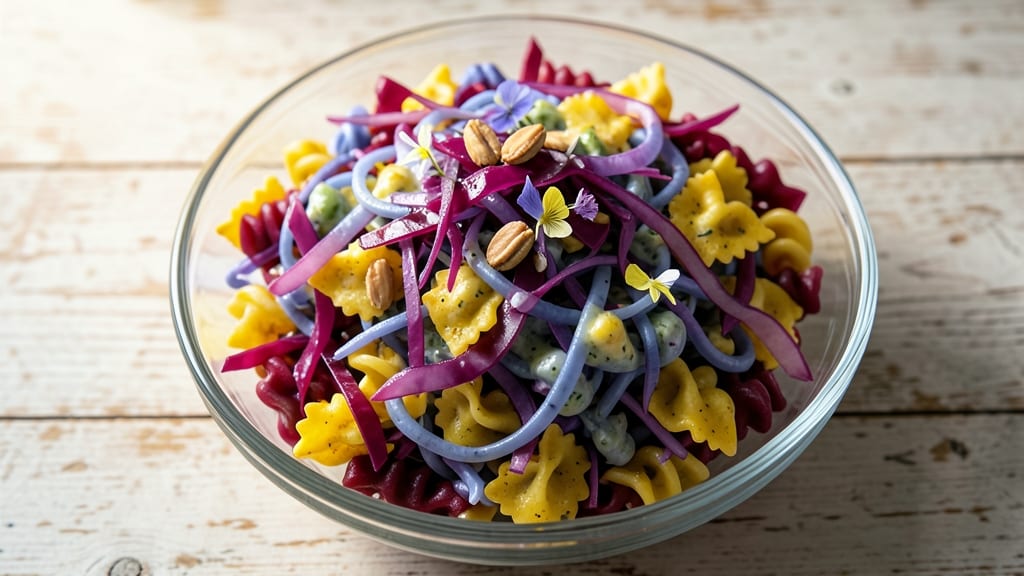
This colored pasta salad recipe transforms a classic side dish into a visually stunning centerpiece—bright, vibrant layers that never turn mushy. ✨ The secret lies in precise cooking times and a dressing that keeps every ingredient crisp.
I developed this after years of watching colorful salads lose their pop after sitting too long, and this method guarantees both beauty and texture.
What sets this apart is the rainbow technique: using natural food dyes like beet juice, turmeric, and butterfly pea flower for bold colors without artificial ingredients. The pasta cooks al dente, then chills immediately in ice water to lock in firmness.
A tangy lemon-herb vinaigrette ties everything together, ensuring no soggy bites—just bright, crunchy layers that stay vibrant for hours.
By the time you plate it, you’ll have a salad that looks as impressive as it tastes—perfect for picnics, potlucks, or summer entertaining. The colors stay vibrant even after refrigeration, and the dressing can be adjusted for extra zing or creaminess.
This isn’t just a side dish; it’s a conversation starter.
The best part? It’s foolproof—no special equipment needed, just a few pantry staples and 20 minutes of prep. Whether you’re feeding a crowd or meal prepping for the week, this pasta salad delivers restaurant-worthy presentation with zero fuss. Let’s get started!
Ingredients for colored pasta salad
Six vibrant ingredients transform ordinary pasta into a stunning rainbow centerpiece—crisp, colorful, and foolproof.
| Ingredient | Amount | Notes |
|---|---|---|
| Short Pasta (e.g., Farfalle or Fusilli) 🍝 | 1 ½ lbs | Al dente, chilled in ice water |
| Red Cabbage 🥬 | ½ lb | Shredded, raw for crunch |
| Butterfly Pea Flower Powder 🌈 | 1 tbsp | Natural blue dye, mix with water |
| Turmeric Powder 🧡 | 1 tsp | Natural yellow dye, vibrant color |
| Beet Juice (Fresh or Bottled) 🍠 | ¼ cup | Natural red dye, strained |
| Lemon Juice 🍋 | ½ cup | Freshly squeezed, bright flavor |
| Extra-Virgin Olive Oil 🫒 | ¾ cup | High quality, fruity |
| Fresh Dill 🌿 | ¼ cup | Chopped, stems removed |
| Fresh Parsley 🌿 | ¼ cup | Chopped, flat-leaf preferred |
| Cherry Tomatoes 🍅 | 1 lb | Halved, vine-ripened preferred |
| Cucumber 🥒 | 1 whole | Seedless, peeled, diced |
| Diamond Crystal Kosher Salt 🧂 | 1 ½ tsp | Fine grain for seasoning |
| Freshly Ground Black Pepper 🌶️ | ½ tsp | Freshly cracked for best flavor |
| Honey 🍯 | 1 tbsp | For subtle sweetness |
The pasta and natural dyes are the stars here. Short shapes like farfalle or fusilli hold color best, and Whole Foods or Trader Joe's carry the best quality dried varieties. For dyes, butterfly pea flower powder is a game-changer—it turns vibrant blue when mixed with lemon juice. Turmeric and beet juice are pantry staples, but if you want restaurant-quality colors, look for organic turmeric and fresh beet juice at farmers markets. The cherry tomatoes and cucumber should be firm and vibrant—avoid any with soft spots or dull colors, as they'll compromise the presentation.
No butterfly pea powder? Blue spirulina or a tiny bit of food coloring works in a pinch, but the natural dyes are what make this recipe truly special. Short on turmeric? Saffron at one-tenth the amount gives a similar golden hue. The dressing can be adjusted for tang—add more lemon juice for zing or a touch of honey for sweetness. For extra crunch, add a handful of toasted pine nuts or crispy chickpeas. If you're prepping ahead, keep the dressing separate until serving to maintain the pasta's crisp texture. The herbs should be freshly chopped—dried just won't cut it for that bright, fresh flavor.
This salad keeps beautifully for 4-5 days in the fridge, with the colors staying vibrant if stored properly. To maintain crispness, pack the dressing separately and toss just before serving. For meal prep, portion into glass containers—they keep the colors looking fresh longer. The natural dyes are light-sensitive, so store in a dark container if possible. If you're serving outdoors, cover with a damp towel to prevent wilting. The flavors actually improve after a day or two, as the ingredients meld together—perfect for making ahead for parties or picnics.
Why You'll Love This Recipe
- No-Fuss Assembly: I swear, this comes together faster than ordering takeout. Toss the cooked pasta with a splash of beet juice and a pinch of turmeric—boom, golden color—then stir in the pre-shredded red cabbage. Butterfly pea powder? Just a teaspoon of magic that turns everything vibrant with zero effort.
- Unexpected Flavor Twist: That earthy cabbage crunch? It’s the star. But the real showstopper? The way the turmeric’s warmth and the butterfly pea’s floral notes dance with the pasta’s buttery finish. Honestly, it’s the kind of dish that makes you pause mid-bite to wonder why you didn’t try this sooner.
- Picnic Party Ready: Between us, this is my go-to for potlucks, kids’ sports events, or lazy Sundays. The colors are Instagrammable, but the real win? It holds up for hours—no soggy pasta here. Pack it in mason jars or a big bowl, and you’ll be the hero who brought the only dish that didn’t wilt in the heat.
- Budget Brightness: Red cabbage lasts forever, beet juice is cheap, and a little turmeric goes a long way. I’ve made this for under $10 for six servings, and it’s still the fanciest thing on the table. Plus, leftovers? They taste just as good cold the next day—no sad, limp salads here.
Step-by-step instructions for rainbow pasta salad with crisp ingredients
This method ensures vibrant colors, perfect al dente pasta, and zero soggy vegetables.
🍳 Step 1: Cook and Chill Pasta for Maximum Crunch
Bring a large pot of water to a rolling boil and add 1.5 lbs short pasta (like farfalle or fusilli). Cook until 1 minute before al dente—you want it to finish cooking in the ice bath. Immediately drain and transfer to a large bowl filled with ice water for 5 minutes to stop the cooking process and maintain texture.
Drain again and toss the pasta with 1 tbsp honey and 1.5 tsp kosher salt while still damp. This creates a light coating that prevents sticking and adds subtle sweetness. Spread on a baking sheet and let cool completely—this prevents the pasta from becoming mushy when mixed with other ingredients.
👨🍳 Step 2: Create Colorful Dye Solutions for Vibrant Layers
In three separate small bowls, prepare the natural dyes. For the blue layer, whisk 1 tbsp butterfly pea flower powder with 2 tablespoons lemon juice until fully dissolved. For the yellow layer, mix 1 tsp turmeric powder with 2 tablespoons lemon juice. For the red layer, combine 0.25 cup beet juice with 1 tablespoon lemon juice.
I use lemon juice as the base for all dyes because it helps stabilize the colors and adds bright acidity. These vibrant solutions will transform your pasta into a stunning rainbow display. Keep them separate until you're ready to divide the pasta.
🥘 Step 3: Assemble the Rainbow Pasta Layers
Divide the cooled pasta into three equal portions. In a large mixing bowl, combine one portion with the blue dye solution and toss gently until evenly coated. Transfer to a plate and set aside. Repeat with the yellow and red dye solutions, creating three distinct colored pasta sections.
Here's the thing—don't overmix or the colors will bleed together. Work quickly but carefully to maintain those crisp rainbow layers. The natural dyes will intensify as they sit, so you'll get even more vibrant colors in the final dish.
🍳 Step 4: Prepare and Toss the Fresh Vegetables
In a large bowl, combine the 0.5 lb shredded red cabbage, 1 lb halved cherry tomatoes, 1 peeled and diced cucumber, 0.25 cup chopped fresh dill, and 0.25 cup chopped fresh parsley. Add 0.75 cup extra-virgin olive oil, 0.25 cup remaining lemon juice, 0.5 tsp black pepper, and toss gently to coat.
Let the vegetables marinate for 5 minutes while you finish the pasta. This allows the flavors to meld slightly without making the vegetables limp. The olive oil helps preserve their crisp texture while adding richness to the salad.
🥘 Step 5: Combine and Serve for Maximum Freshness
Gently fold the blue-dyed pasta into the vegetable mixture, then add the yellow layer. Finally, incorporate the red layer, being careful not to overmix. The colors will create beautiful marbled patterns in the final dish. Taste and adjust seasoning if needed—you might want to add a pinch more salt or lemon juice to balance flavors.
Serve immediately for the crispiest texture. This salad holds up well for 2-3 hours in the refrigerator, but the pasta will soften slightly over time. For the best experience, assemble and serve right away while everything is at its peak texture and color.
Pro Tips For Making Colored Pasta Salad
- COOK PASTA AL DENTE THEN CHILL: I learned this the hard way—overcooked farfalle turns to mush in salads. Boil your pasta one minute less than package instructions, then immediately shock it in ice water. The starch firms up, and the colors stay vibrant longer when tossed cold.
- SHRED CABBAGE FINE AND SOAK IT: Skip the raw bite by thinly slicing red cabbage (almost like coleslaw) and soaking it in cold water for 10 minutes first. Drain well—this softens it without wilting, and the texture stays crisp even after mixing with juicy pasta.
- MIX DRY COLORS FIRST: Butterfly pea powder and turmeric turn pastel when dry-mixed into pasta before cooking. Toss them with the pasta in a bowl before boiling—this guarantees even color distribution, not just streaks. (Yes, even if it looks weird at first.)
- USE BEET JUICE LAST: Add bottled beet juice after everything else is tossed—it stains like a boss. Fresh juice? Strain it through cheesecloth first; pulp makes the salad gummy. A splash at the end keeps the pink intense, not muddy.
Make-ahead tips for leftovers
Prep Ahead Strategy
Start by cooking the pasta one day ahead—this is the secret to keeping it crisp. After draining, immediately shock it in ice water for 5 minutes, then toss with 1 tbsp olive oil to prevent sticking.
Store in an airtight container in the fridge. The colors will intensify overnight, making your salad even more vibrant when you assemble it. 💫
Dye Prep Timeline
Make the natural dye solutions 2 hours before serving—they need time to develop their full color. Store them in small, lidded jars in the fridge. Butterfly pea flower and turmeric can stain surfaces, so use glass containers.
The beet juice will darken slightly but stays bright enough for a stunning red layer. Label each jar clearly to avoid mixing them up during assembly.
Vegetable Prep Tips
Shred the red cabbage and halve the cherry tomatoes right before mixing to maintain maximum crunch. Store the cucumber peeled and diced in a sealed container with a paper towel to absorb excess moisture.
Chop the herbs last minute—they lose their freshness quickly. Keep the dressing separate until serving to preserve the vegetables' crisp texture. ✨
Assembly Timeline
Assemble the salad 30 minutes before serving for the best texture. Divide the cooled pasta into portions and tint each with its dye solution. Let them sit for 10 minutes to absorb the color fully.
Then fold in the vegetables and dressing just before plating. This timing ensures your pasta salad stays crisp and visually stunning without becoming soggy. 🌟
Portioning for Crowds
For large gatherings, divide the fully assembled salad into quart-sized glass containers and store in the fridge. Keep the dressing separate in small jars. When ready to serve, simply toss the dressing into each portion.
The glass containers help maintain the vibrant colors and prevent flavor transfer between layers. This method also makes serving effortless—just grab and go! 💪
Storage Hacks
Store the fully assembled salad in the fridge for up to 4 days, but keep the dressing separate until serving. The natural dyes are light-sensitive, so cover the container with aluminum foil to preserve the colors.
If serving outdoors, place the salad bowl in a cooler with ice packs to keep it chilled. The flavors actually improve over time, making this an ideal make-ahead dish for picnics or parties. ❄️
Nutrition facts
Frequently asked questions
Can I use artificial food coloring instead of natural dyes? Yes, but natural dyes create more vibrant, stable colors that won't fade quickly. If using artificial coloring, opt for gel-based food dyes—they mix better without watering down your dressing. For the same rainbow effect, divide your pasta into three portions and tint each with a few drops of red, yellow, and blue gel dye.
How do I prevent the pasta from turning mushy?
The key is immediate cooling and proper storage. Cook pasta just 1 minute before al dente, then shock it in ice water for 5 minutes to stop cooking. Toss with a light coating of olive oil before refrigerating. Store in an airtight container with parchment paper between layers to prevent moisture buildup. For extra crispness, keep the dressing separate until serving—adding it too early will soften the pasta.
What's the best way to make this gluten-free?
Use gluten-free pasta (like brown rice or chickpea pasta) and verify all other ingredients are certified gluten-free. Check your natural dyes—some butterfly pea flower powders or beet juices may contain trace gluten. For the dressing, ensure your olive oil and vinegar are gluten-free certified. The recipe works perfectly with these substitutions while maintaining the same vibrant colors and textures.
Can I add protein to this colorful pasta salad?
Grilled chicken, shrimp, or chickpeas work beautifully. For chicken, marinate and grill 1 lb boneless breasts (about 1.5 cups cooked) and let cool completely before adding. For shrimp, cook 1 lb until just pink (2-3 minutes) and chill in ice water. Add protein just before serving to keep it warm and prevent texture changes. The colors will still pop against the protein's neutral tones.
Why did my colors bleed together when mixing?
This happens when you overmix or use too much liquid in your dye solutions. The natural dyes work best when applied to dry pasta in small batches. For each color, use just enough lemon juice to create a paste—about 2 tablespoons per color. Work quickly and gently when combining layers, and avoid adding extra dressing until the very end. The colors will naturally blend slightly, but keeping portions separate until assembly prevents muddy results.