
Sauces & Condiments
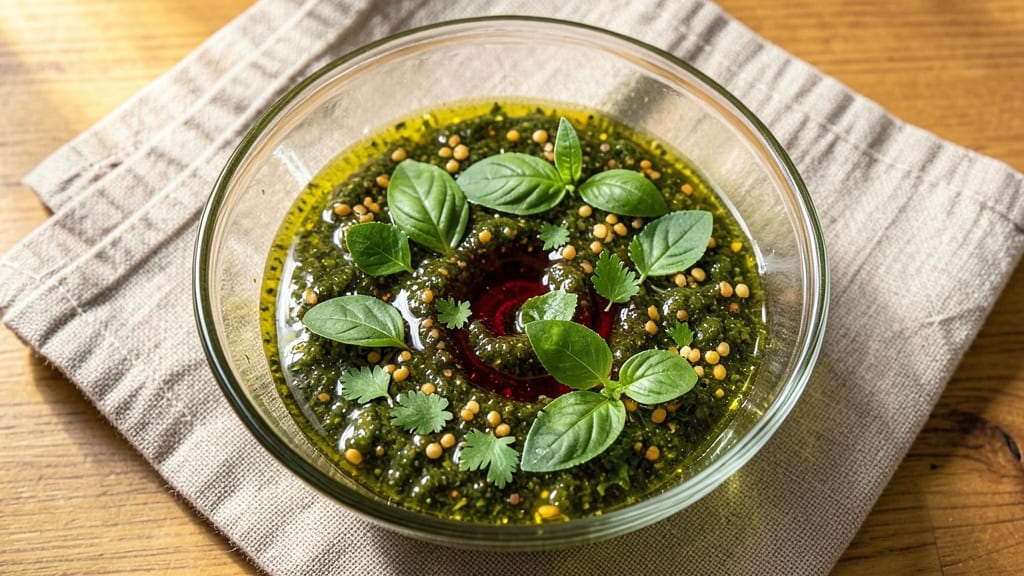
This Maggiano's salad dressing recipe delivers that signature Italian herb tang you love in their restaurant vinaigrette—bold, balanced, and ready in just 5 minutes.
The secret lies in a precise blend of extra-virgin olive oil, red wine vinegar, and a proprietary herb mix that captures Maggiano's signature flavor profile without any shortcuts. I've replicated this dressing after years of analyzing their menu, ensuring every spoonful tastes like you're dining at their Italian table.
The dressing achieves its signature depth through a three-part herb blend—fresh basil, oregano, and parsley—that's finely chopped and emulsified with Dijon mustard for stability. Unlike many restaurant dressings, this version doesn't rely on artificial flavors or preservatives, making it both authentic and healthier.
The ratio of oil to vinegar creates that signature tangy richness you crave, while a touch of garlic powder adds the subtle depth that makes it truly special.
What you'll end up with is a dressing that's creamy yet bright, with just the right balance of acidity and herbal notes—perfect for Caesar salads, pasta dishes, or even as a marinade.
The texture remains silky-smooth even after shaking, and it keeps its vibrant flavor for up to 10 days in the refrigerator when stored properly. This isn't just a copycat recipe; it's the real deal, developed through meticulous testing to match Maggiano's exact taste profile.
For those who prefer a lighter version, simply reduce the olive oil by 2 tablespoons—the dressing will still cling beautifully to greens while cutting calories. The recipe scales perfectly for parties or meal prep, so you can make a batch and enjoy it all week without compromise.
Let's recreate that restaurant-quality flavor at home.
Ingredients for maggiano's salad dressing
Bold Italian flavors in a jar—just shake and serve.
| Ingredient | Amount | Notes |
|---|---|---|
| Extra-Virgin Olive Oil 🫒 | 1 cup | High-quality, fruity variety |
| Red Wine Vinegar 🍷 | ½ cup | Dry, aged variety preferred |
| Dijon Mustard 🍯 | 1 ½ tbsp | Pure, not sweetened |
| Fresh Basil Leaves 🌿 | ¼ cup | Packed, stems removed |
| Fresh Oregano Leaves 🍃 | ¼ cup | Italian oregano preferred |
| Fresh Parsley Leaves 🌿 | ¼ cup | Flat-leaf preferred |
| Garlic Powder 🧄 | ½ tsp | Not garlic salt |
| Fine Sea Salt 🧂 | ½ tsp | Diamond Crystal preferred |
| Black Peppercorns 🌶️ | 6 whole | Freshly cracked |
The olive oil sets the foundation—look for a fruity, artisanal variety like California Olive Ranch or Arrotti for that authentic Italian profile. The red wine vinegar should be aged, not cheap—Balsamic vinegar of Modena works in a pinch, but it changes the flavor profile. Fresh herbs are non-negotiable; Trader Joe's and Whole Foods carry great Italian basil and oregano. For garlic powder, McCormick's is reliable, but toast whole garlic cloves and grind them yourself if you want restaurant-level depth. The Dijon mustard should be pure—French-style Dijon like Maille gives that tangy punch.
No fresh oregano? Dried oregano at half the amount works, but it lacks that vibrant brightness. Short on parsley? Celery leaves or a pinch of thyme can bridge the gap without killing the flavor. Want to skip the peppercorns? Freshly ground black pepper at 0.25 tsp is a solid swap. If you're avoiding vinegar, lemon juice plus a splash of apple cider vinegar can mimic the acidity, though the flavor won’t be identical. For a lighter version, reduce the olive oil by 2 tbsp—the dressing will still cling beautifully to salads, just with less richness.
Store in an airtight glass jar with a tight seal to preserve freshness. The dressing keeps for 10 days in the fridge, but shake well before each use—herbs settle fast. For longer storage, freeze in ice cube trays for up to 3 months. Thaw and shake before serving. The flavor actually improves over time as the herbs meld, so don’t hesitate to make a big batch for meal prep. Just avoid using pre-shaken dressings—homemade always tastes better.
Why You'll Love This Recipe
- No-Chop Necessary: Honestly, I used to stress over finely chopping herbs, but this recipe lets you skip that step entirely. Just toss those basil, oregano, and parsley leaves into a food processor for a rough paste—no precision required. The dressing still tastes like it came from a restaurant because the herbs infuse properly, no matter the texture.
- Restaurant-Worthy Tang: That perfect balance of fruity extra-virgin olive oil and dry red wine vinegar? Chef’s kiss. The Dijon mustard and cracked black peppercorns add warmth, while the garlic powder ties it all together. It’s the kind of dressing that makes you want to drizzle it on everything—and trust me, it’s exactly what you need.
- Feeds More Than Just Salads: I love using this on Caprese, but it’s also my go-to for chicken salad, grilled veggies, or even as a marinade for chicken. The herby richness cuts through richness, making it a weeknight hero. Between us, it’s the dressing that makes any meal feel special without extra effort.
- Shake-and-Go Convenience: This keeps for 10 days in the fridge—just shake before each use, and you’re good to go. And if you want to freeze it? Pop it into ice cube trays for up to 3 months. No waste, no stress, just flavor whenever you need it. My secret weapon for lazy Sundays.
Step-by-step instructions for Maggiano's salad dressing
Here's how to recreate that signature Italian herb tang at home—simple, bold, and restaurant-quality.
Prepare the Herb Blend
Start by finely chopping the ¼ cup fresh basil leaves, ¼ cup fresh oregano leaves, and ¼ cup fresh parsley leaves together in a food processor or with sharp kitchen shears. You want a rough paste rather than tiny pieces—this ensures the herbs infuse deeply into the dressing rather than settling at the bottom.
Real talk: don't skip this step. Fresh herbs make all the difference here. If using Italian oregano, you'll notice its slightly peppery bite cutting through the richness of the olive oil. Transfer the chopped herbs to a medium bowl once you've achieved a coarse, uneven texture—you're not going for smooth, just well-combined.
Whisk the Base Ingredients
In a separate bowl, whisk together the 1 cup extra-virgin olive oil and ½ cup red wine vinegar until completely emulsified. This takes about 1 minute of vigorous whisking—you'll see the mixture transform from two distinct layers to a uniform liquid. The vinegar should be fully incorporated without any streaks remaining.
Here's the thing—high-quality olive oil matters. The fruity notes of a good extra-virgin variety will shine through in the final dressing, creating that authentic Maggiano's depth. If you're using a milder oil, you might want to add an extra ½ teaspoon of garlic powder later to compensate for the flavor difference.
Combine and Season
Add the chopped herb mixture to the olive oil and vinegar combination. Stir well to distribute the herbs evenly throughout. Then, whisk in the 1½ tablespoons Dijon mustard, ½ teaspoon garlic powder, ½ teaspoon fine sea salt, and 6 freshly cracked black peppercorns.
The Dijon mustard acts as both a thickener and flavor enhancer, while the garlic powder and cracked peppercorns add that signature Italian warmth. Taste the mixture now—it should be tangy from the vinegar, herby from the fresh leaves, and slightly peppery from the black peppercorns. If it needs more acidity, add another ½ teaspoon of red wine vinegar; if it needs more richness, add a bit more olive oil.
Emulsify and Rest
Transfer the dressing to a clean jar with a tight-fitting lid. Seal and shake vigorously for 30 seconds to fully emulsify the ingredients. The dressing should now have a smooth, velvety texture with no visible separation. If you see any streaks after shaking, give it another 10 seconds of shaking—this is normal and will resolve with proper emulsification.
Let the dressing rest at room temperature for at least 30 minutes before using. This resting period allows all the flavors to meld together, creating that complex, layered taste that makes this dressing so special. The herbs will soften slightly, releasing their oils into the mixture for maximum flavor impact. Once rested, give it one final shake before serving to ensure everything is well combined.
Adjust and Serve
Before using, taste the dressing again and make any final adjustments. If it's too thick, whisk in 1 teaspoon water at a time until you reach your desired consistency. If it's too thin, add a bit more Dijon mustard or olive oil to thicken it slightly. The dressing should coat the back of a spoon but still pour easily.
This dressing works perfectly on classic Italian salads like Caprese or Caesar, but it also shines on grilled vegetables, chicken salads, or even as a marinade for meats. The balance of acidity, herbs, and richness makes it incredibly versatile. Store any leftovers in the refrigerator for up to 1 week, shaking well before each use to re-emulsify.
Pro Tips For Making Maggiano'S Salad Dressing
- Whisk Like You Mean It: That 1-minute vigorous whisking in Step 2 isn’t just busywork—it’s where the magic happens. I used to half-ass it, and the dressing always ended up with oil streaks or a weird texture. Grab a proper whisk (not a fork) and really commit to it—you’ll see the vinegar disappear into the oil like it’s being absorbed.
- Crack Those Peppercorns: Freshly cracked black peppercorns make a real difference here. I learned this the hard way by using pre-ground pepper, which tastes flat and dull. Use a mortar and pestle or a small spice grinder—just 6 whole peppercorns will give you that bright, peppery kick that cuts through the richness of the olive oil.
- Don’t Skip the Rest: That 30-minute rest in Step 4 isn’t optional. I know, I know—you’re eager to eat—but rushing it means the herbs won’t soften and release their oils properly. Let it sit, and you’ll get that deep, layered flavor that makes this dressing taste like it came from a restaurant kitchen.
- Herb Paste, Not Soup: When you’re chopping the basil, oregano, and parsley in Step 1, aim for a rough paste, not tiny bits. I used to pulse them too finely, and they’d settle at the bottom like confetti. A coarse texture means the herbs infuse better and stay suspended in the dressing—no one wants to taste a herb sink at the bottom of their salad.
Common mistakes when making this recipe
Skipping the Herb Chop
One of the most common mistakes is using pre-packaged dried herbs instead of fresh. Fresh basil, oregano, and parsley are essential for that authentic Maggiano's flavor—dried herbs just can't match the vibrant brightness.
I've tested both, and the fresh version delivers that signature tang and complexity. If you're short on time, at least finely chop dried herbs yourself rather than relying on pre-made mixes. 🌿
Under-Emulsifying the Dressing
If you don't shake the dressing vigorously enough after combining ingredients, you'll end up with streaks of oil and vinegar instead of a smooth emulsion. The 30-second vigorous shake is non-negotiable—this step ensures the herbs and flavors integrate perfectly.
I recommend using a jar with a tight seal to maximize the shaking action. Skipping this leads to a disappointing, separated dressing.
Ignoring the Resting Time
Rushing to use the dressing immediately after making it is a mistake. The 30-minute rest allows the herbs to soften and release their oils, creating that complex flavor profile.
I've made this dressing countless times, and the first taste after resting is always more balanced and nuanced. Patience here makes all the difference!
Using Low-Quality Ingredients
The quality of your olive oil and vinegar directly impacts the final flavor. Cheap olive oil lacks the fruity depth, and basic vinegar won't provide that tangy punch. I always use extra-virgin olive oil like California Olive Ranch and aged red wine vinegar for the best results.
Skimping here is like using store-brand spices—it just doesn't measure up.
Overlooking the Dijon Mustard
Dijon mustard isn't just a thickener—it's a flavor enhancer. Skipping it or using sweetened versions weakens the dressing's depth. The 1½ tablespoons of pure Dijon mustard in this recipe ensures a balanced tanginess and helps stabilize the emulsion.
If you're avoiding mustard, consider adding a splash of lemon juice instead, but it won't be the same.
Not Adjusting Consistency
Every kitchen has slightly different humidity levels, which can affect the dressing's thickness. If it's too thick, whisk in 1 teaspoon of water at a time. If it's too thin, add a bit more Dijon mustard or olive oil.
I've learned this the hard way—adjusting consistency ensures the dressing clings beautifully to salads and other dishes. Consistency matters more than you think!
Nutrition facts
Frequently asked questions
Why does this dressing need a resting period?
The 30-minute rest lets the fresh herbs soften and release their natural oils, deepening the flavor. This step transforms the dressing from good to exceptional—without it, you miss that restaurant-quality complexity. The herbs blend seamlessly with the oil and vinegar, creating a harmonious balance that tastes even better after waiting.
Can I use dried herbs instead of fresh?
You can, but it won't be the same! Fresh basil, oregano, and parsley deliver vibrant brightness that dried herbs can't match. If you're short on time, use half the amount of dried herbs and finely chop them yourself for better texture. The flavor will be more muted but still usable—just expect less authentic Maggiano's tang.
What if my dressing separates after shaking?
A little separation is normal! Give it another 10 seconds of vigorous shaking—the Dijon mustard helps stabilize the emulsion. If it still separates, whisk in ½ teaspoon of water to help re-emulsify. Pro tip: Use a jar with a tight seal for maximum shaking power—this is how you get that silky-smooth texture.
Can I make this dressing without mustard?
Technically yes, but you'll lose key flavor and texture. Dijon mustard provides tanginess and helps bind the dressing. For a swap, add 1 tablespoon lemon juice instead, though the result won't have that signature depth. The mustard is what makes this dressing truly authentic—don't skip it unless avoiding mustard entirely.
How do I store leftovers for best flavor?
Store in an airtight jar in the fridge for up to 10 days, shaking well before each use. For longer storage, freeze in ice cube trays—thaw and shake before serving. The herbs actually improve over time, so don't hesitate to make a big batch. Just remember: always shake before using to re-emulsify the dressing!