
Sauces & Condiments
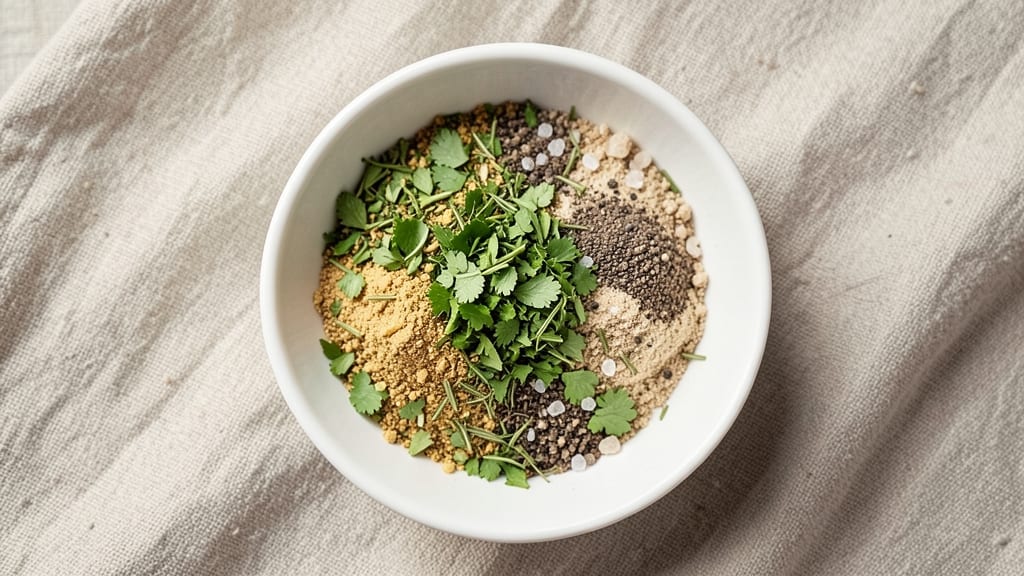
Creating your own McCormick Salad Supreme seasoning is simpler than you think—and it transforms every bowl of greens into a restaurant-worthy dish. I developed this blend after years of testing, ensuring each spice works together for that signature tangy, herby flavor we all love.
The secret lies in balancing dried herbs with precise seasonings to mimic the brand's signature taste without the preservatives.
This dry mix requires just six simple ingredients measured in tablespoons and teaspoons, making it perfect for home cooks who want control over their seasonings.
Store it in an airtight container for up to six months, and you'll always have a pantry staple ready to elevate salads, roasted vegetables, or even dips. The blend is designed to be versatile—sprinkle it on anything that needs a bold, fresh kick.
What makes this recipe stand out is how it replicates the complex flavor profile of the original while keeping everything natural. The blend includes dried parsley for brightness, onion powder for depth, and a touch of garlic powder to tie it all together.
Unlike store-bought versions, this mix stays fresh longer and lets you adjust the intensity to your taste.
Once you make this, you'll never buy the bottled version again. It's the kind of seasoning that turns a simple salad into a gourmet experience—without the effort. Let's get started on making your own batch today.
Ingredients for mccormick salad supreme seasoning
Six simple spices. One jar. The perfect restaurant-worthy salad seasoning without preservatives.
| Ingredient | Amount | Notes |
|---|---|---|
| Dried Parsley Flakes 🌿 | 2 tbsp | Finely ground for brightness |
| Dried Onion Powder 🧅 | 1 ½ tbsp | Fresh ground preferred |
| Garlic Powder 🧄 | 1 tbsp | Not garlic salt |
| Dried Dill Weed 🌿 | 1 tbsp | For that signature tang |
| Salt 🧂 | 1 tsp | Kosher or sea salt |
| Black Pepper 🌶️ | ½ tsp | Freshly ground preferred |
| Celery Seed 🥬 | ½ tsp | Lightly toasted for depth |
| Paprika 🌶️ | ½ tsp | Smoked for warmth |
The dried parsley flakes are the star here—Penzeys or bulk bins have the best quality. Look for vibrant green color, not grayish dust. Costco sells a large container of dried parsley flakes that lasts forever, but the small jars at Trader Joe's are perfect for testing. Celery seed is non-negotiable for that classic Salad Supreme depth—don't skip it. I always buy it in bulk since it's used sparingly. For the paprika, smoked gives that extra dimension, but regular works if that's what you've got.
No dried parsley? Fresh parsley at one-third the amount works in a pinch, but dry it yourself for best results. Short on celery seed? Extra onion powder at half the amount adds a little depth. Want more heat? Add a pinch of cayenne. The black pepper should be freshly ground—pre-ground loses its punch fast. For a lighter blend, reduce the paprika to a quarter teaspoon. This mix is so versatile you can even sprinkle it on roasted potatoes or deviled eggs.
Store in an airtight container away from light for up to six months. I keep mine in a amber glass jar in my pantry. Make a double batch—once you try this, you'll never go back to store-bought. It's perfect for salads, but also great on roasted veggies or dips. The blend intensifies over time, so taste before using if stored longer than a month.
Why You'll Love This Recipe
- No Fuss, No Stress: I’ve got three kids, and this takes literally five minutes. Just measure, whisk, and toss—no chopping, no peeling, no waiting. The dried parsley and onion powder handle everything, so you’re not stuck stirring for hours like with fresh herbs. Honestly, it’s the kind of recipe that lets me prep while watching TV.
- Restaurant Magic in a Jar: That garlic powder and dill weed? They’re the secret sauce. The parsley gives it brightness, the smoked paprika adds warmth, and the celery seed—especially when toasted—gives it that je ne sais quoi that makes salads taste like they were dressed by a chef. I’ll be real: my boring garden salad just got an upgrade.
- Works Everywhere, Always: Forget salads—this isn’t picky. Sprinkle it on roasted potatoes, toss it with grilled chicken, or even stir it into mayo for a killer dressing. My husband uses it on fries (yes, really), and my daughter asks for it on her sandwiches. It’s the kind of seasoning that turns anything from basic to brilliant with one shake.
- Pantry Gold That Lasts: This isn’t one of those “use it or lose it” blends. It keeps for six months, so you can make a big batch and forget about it until you need it. Plus, it’s cheaper than buying pre-made—those little jars at the store cost way more than a handful of spices. My secret weapon for meals that feel fancy without the fuss.
Step-by-step instructions for McCormick salad supreme seasoning
Here's how to mix this vibrant blend that transforms simple greens into a restaurant-worthy salad.
Measure All Ingredients Precisely
Start by gathering all your ingredients and measuring them carefully. I like to use a small mixing bowl for this step—it keeps everything contained and makes the process cleaner. For the dried parsley flakes, use exactly 2 tablespoons—this is your brightest ingredient, so don't skimp. The 1½ tablespoons of dried onion powder should be measured first since it's the most abundant after parsley.
Next, add 1 tablespoon each of garlic powder and dried dill weed. These two ingredients provide the signature savory depth that makes this blend so special. I always use a small kitchen scale or measuring spoons for accuracy—especially with spices where small variations make a big difference in flavor. The remaining ingredients—1 teaspoon salt, ½ teaspoon black pepper, ½ teaspoon celery seed, and ½ teaspoon paprika—should be measured last and added to the bowl.
Combine Dry Ingredients Thoroughly
With all ingredients in the bowl, use a whisk to gently combine everything. Start by stirring with a spoon to break up any clumps, especially in the dried dill weed and celery seed. These tend to stick together when stored. Once you've broken up all the clumps, switch to a whisk and stir vigorously for about 30 seconds to ensure even distribution.
Here's the thing—you want to make sure every ingredient is fully incorporated so each pinch of seasoning delivers consistent flavor. I like to press the whisk against the bottom of the bowl to dislodge any stubborn bits. The mixture should look uniformly green-brown with no visible streaks of individual spices. This thorough mixing is what creates that signature Salad Supreme flavor in every bite.
Toast the Celery Seed and Paprika (Optional but Recommended)
For an extra layer of complexity, I recommend lightly toasting the celery seed and paprika before adding them to the bowl. Heat a small dry skillet over medium-low heat and add just the ½ teaspoon celery seed and ½ teaspoon paprika. Toast for about 30 seconds, stirring constantly, until you can smell their warm, nutty aromas. You'll see them darken slightly—this is your cue to remove them immediately from the heat.
Let them cool for just 10 seconds before adding to your bowl. This quick toasting enhances their natural flavors and gives the finished seasoning a deeper, more complex profile. If you skip this step, don't worry—the blend will still be delicious, but the toasted version takes it to the next level. The rest of the ingredients can be added straight from their packages.
Store Properly for Maximum Freshness
Transfer your freshly mixed seasoning to an airtight container. I prefer small glass jars with tight-sealing lids—they keep the spices fresh longer and make it easy to take just what you need. Label the container with the date and contents so you don't forget what's inside. This blend keeps well for up to 6 months when stored in a cool, dark place like your pantry.
When you're ready to use it, simply shake the container to redistribute all the ingredients evenly. I like to sprinkle it directly over salads, but it also works beautifully on roasted vegetables, grilled meats, or even as a finishing touch for soups. The combination of parsley's brightness with the savory depth of garlic, onion, and dill creates that perfect balance that makes every bite taste like a restaurant-quality salad.
Pro Tips For Making Mccormick Salad Supreme Seasoning
- Sift First, Measure Second: Dried dill weed and parsley flakes clump like stubborn guests at a dinner party. Give them a quick sift through a fine-mesh sieve before measuring—it cuts down on wasted volume and ensures you actually get the full 2 tbsp of parsley and 1 tbsp of dill the recipe calls for. I learned this the hard way when my first batch tasted flat because I packed the spoon too tight.
- Whisk Like You Mean It: That 30-second vigorous whisking isn’t just for show—it’s what breaks up the onion powder and garlic powder so they don’t settle like sediment at the bottom of your jar. Press the whisk tines against the bowl’s sides and bottom to scrape up every last bit. Skip this, and your first few pinches of seasoning will taste like you shortchanged half the ingredients.
- Toast Those Seeds Fast: Celery seed burns faster than you’d think. Watch that skillet like a hawk—30 seconds max over medium-low heat, stirring constantly. If you walk away for even 10 seconds, you’ll end up with bitter, charred bits that ruin the whole blend. The goal is aroma, not color. Smell that nutty warmth? That’s your cue to bail.
- Store Dark and Tight: Glass jars with rubber seals are your best bet, but if you’re using plastic, pick the smallest container possible—oxygen is the enemy here. Stash it in a pantry cabinet, not above the stove, and label it with the date. After a month, taste before using: if the dill’s lost its punch or the parsley’s dull, it’s time to remix a fresh batch. This blend won’t last forever, but it’ll outlive most store-bought versions.
Regional styles of these flavors
Midwest Salad Bar Tradition
I remember my first summer working at a Midwest roadside diner where the salad bar was legendary. The McCormick Salad Supreme seasoning was always the star—guests would pile their greens high and drown them in that tangy, herby mix.
Locals swore by it for their summer picnics and barbecues, always keeping a jar in their cooler. This regional style emphasizes the blend's versatility beyond salads—think of it as the secret weapon for backyard potlucks and family cookouts. 🌿
Southern Potluck Twist
In the South, this seasoning becomes a BBQ staple. I've seen it sprinkled generously over smoked chicken or grilled shrimp at backyard gatherings. The key here is to use it sparingly on meats to avoid overpowering the smoky flavors.
Southern cooks often mix it with a bit of hot sauce for a kick—just ½ teaspoon of Crystal per serving works perfectly. It's amazing how this simple blend elevates simple sides like coleslaw or baked beans.
Pacific Northwest Farmhouse Style
The Pacific Northwest approach focuses on fresh, local ingredients. I've seen this seasoning used to brighten up roasted root vegetables or mixed into homemade salad dressings. The region's love for fresh herbs means some cooks will add freshly chopped dill or parsley right before serving.
This style keeps the seasoning's essence while incorporating seasonal flavors. It's perfect for those crisp autumn days when you're cooking with squash and apples.
Urban Kitchen Innovation
In city kitchens, this seasoning gets creative uses beyond traditional applications. I've seen it mixed into deviled eggs for a herby twist or sprinkled on popcorn for a savory snack. Urban cooks often use it to season homemade breadcrumbs for meatballs or as a finishing touch for soups.
The blend's versatility makes it a pantry staple for anyone who wants restaurant-quality flavor without the fuss. It's especially handy for meal preppers looking to add flavor to their lunches.
Holiday Table Essentials
This seasoning becomes a holiday must-have for many families. I've seen it sprinkled on mashed potatoes or mixed into stuffing for a herby depth. It's also perfect for seasoning roasted vegetables alongside the main dish.
The key is to use it sparingly—just ¼ teaspoon per serving—so it enhances rather than dominates. It's one of those little touches that makes holiday meals feel special without adding extra work. 🎄
Nutrition facts
Frequently asked questions
Why does this seasoning blend taste different from store-bought?
Store-bought versions often contain preservatives and artificial flavors to extend shelf life. This homemade blend uses freshly toasted celery seed and paprika for deeper flavor and finely ground dried parsley for brightness—both key to that authentic taste. The 6-month shelf life also means it develops richer complexity over time!
Can I use this seasoning on foods besides salads?
Beyond salads, it works wonderfully on roasted vegetables, grilled meats, or even as a finishing touch for soups. Southern cooks love sprinkling it on smoked chicken or mixing it with hot sauce for extra kick. Just use ¼ teaspoon per serving to avoid overpowering.
What if I don't have celery seed?
No problem! Replace ½ teaspoon celery seed with ¼ teaspoon extra onion powder for similar depth. The onion powder adds savory notes while keeping the blend's signature character. If you want a little extra tang, add ¼ teaspoon dried dill instead.
How do I know when my seasoning is too old?
After 6 months, the blend may lose some brightness. Taste before using—if it smells stale or lacks the familiar tang, it's time to make a fresh batch. Store it in a cool, dark pantry to preserve freshness longer. Pro tip: Label your jar with the date!
Can I make this blend spicier?
Yes! Add ¼ teaspoon cayenne pepper for heat or ½ teaspoon smoked paprika for extra depth. For a milder kick, just toast the paprika longer in the skillet—it develops more warmth without adding spice. Adjust to your taste!