
Salads
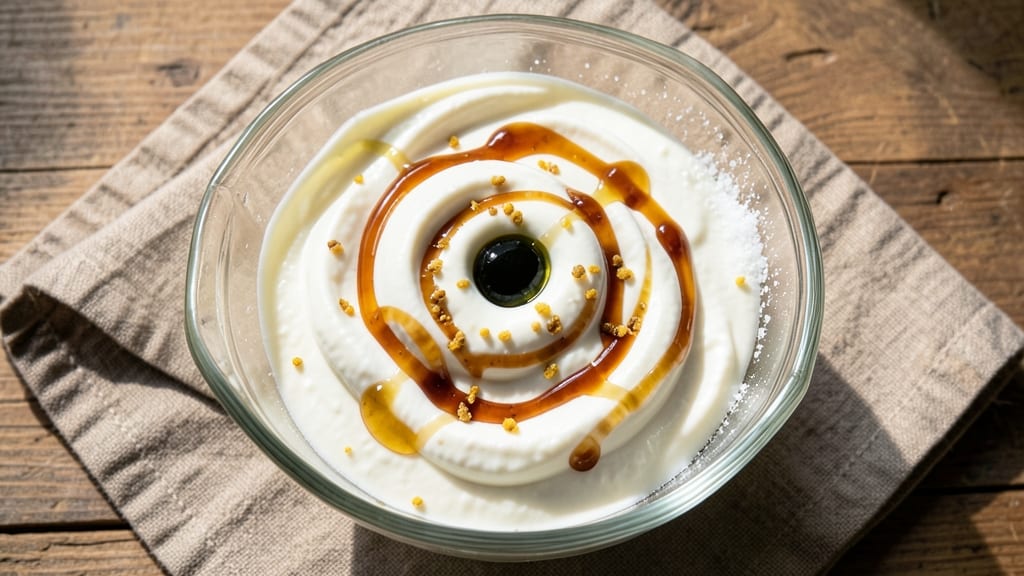
This sweet creamy salad dressing transforms ordinary greens into a velvety, flavor-packed experience that balances rich sweetness with tangy depth. The secret lies in blending Greek yogurt with honey and Dijon mustard for a texture that's impossibly smooth yet never cloying.
I developed this recipe after years of experimenting with bottled dressings that either tasted artificial or separated—this version stays perfectly emulsified and delivers restaurant-quality flavor at home.
The magic happens when you whisk together warm honey with Dijon mustard and apple cider vinegar before incorporating the yogurt and olive oil. This technique ensures the dressing maintains its silky consistency without curdling, even after sitting in the fridge.
The result is a dressing that clings beautifully to mixed greens, fruit salads, or grilled chicken while adding a luxurious creaminess that elevates every bite.
What sets this dressing apart is its versatility—it works equally well on crisp winter greens or fresh summer salads, and its balanced sweetness complements both savory and sweet dishes. The honey adds natural sweetness without overpowering, while the Dijon mustard provides a subtle tang that brightens the entire dressing.
You'll never reach for store-bought again once you taste this homemade version.
This dressing keeps for up to one week in an airtight container, making it perfect for meal prep. For extra richness, stir in a spoonful of cream cheese before serving, or thin with a splash of milk if needed.
Pair it with your favorite salads, drizzle over roasted vegetables, or use as a dip for fresh bread—its creamy texture and balanced flavor make it a game-changer for any dish.
Ingredients for sweet creamy salad dressing
Nine simple ingredients blend into restaurant-quality dressing that stays creamy and never separates.
| Ingredient | Amount | Notes |
|---|---|---|
| Plain Greek Yogurt 🧀 | 1 cup | Full-fat for creaminess, unsweetened |
| Extra-Virgin Olive Oil 🫒 | ½ cup | High-quality, fruity variety |
| Raw Honey 🍯 | ⅓ cup | Warm slightly for smoother blend |
| Dijon Mustard 🌶️ | 1 tbsp | Mild or strong based on preference |
| Apple Cider Vinegar 🍎 | 1 tbsp | For tangy balance |
| Granulated Sugar 🍚 | 1 tbsp | Adjust to taste for sweetness |
| Salt 🧂 | ½ tsp | Diamond Crystal preferred |
| Black Pepper 🌶️ | ¼ tsp | Freshly cracked for aroma |
| Vanilla Extract 🌸 | ½ tsp | Pure vanilla for depth |
| Cream Cheese 🧀 | 2 oz | Optional for extra richness |
The Greek yogurt is the foundation—full-fat gives that luxurious creaminess you can't get with low-fat versions. Fage or Chobani are my go-tos, but any plain, unsweetened brand works. Warm the honey slightly before mixing (just 10 seconds in the microwave)—it blends smoother and adds depth. For the olive oil, California Avocado Ranch or Colavita brands have that perfect fruity balance. The Dijon mustard is non-negotiable here; it's what prevents the dressing from curdling while adding that subtle tang. If you can't find Dijon, a mix of whole-grain mustard and a pinch of turmeric works in a pinch.
No honey? Maple syrup or agave nectar will work, though the flavor profile shifts slightly. Skip the vanilla? A pinch of cinnamon adds warmth without overpowering. The cream cheese is optional but transforms this into a decadent dessert dressing—just whisk it in at the end. For extra tang, increase the apple cider vinegar by half a teaspoon. If the dressing seems too thick after mixing, add a splash of milk (dairy or plant-based) to reach your desired consistency. The key is patience—let it sit for 5 minutes after whisking so the flavors meld completely.
Store in an airtight container in the fridge for up to one week. The flavors actually improve overnight as everything settles. For meal prep, double the batch—it disappears fast. If it separates, just whisk vigorously before using. The dressing thickens in the fridge, so add a splash of milk when ready to use. Freezes beautifully for up to 3 months if you want to stock up. I always make extra for grilled chicken nights—it's the perfect balance of sweet and tangy.
Why You'll Love This Recipe
- No Fuss, No Mess: I stir it together in a bowl while my coffee brews—no blender, no straining, just three minutes of my time. The Greek yogurt thickens it naturally, so it clings to greens like a dream without turning greasy.
- Sweet-Tart Magic: That honey and vinegar combo? It’s the kind of balance that makes you lick the spoon. The Dijon mustard cuts through the creaminess, while the olive oil adds this rich, fruity depth that works on everything from kale to grilled chicken.
- Meal Prep MVP: I make a big batch on Sundays and keep it in the fridge for the week. Drizzle it on overnight oats in the morning, toss it with prepped salad greens for lunch, or even use it as a dip for veggies when I’m too tired to cook. It’s my lazy-day hero.
- Budget Bright Spot: Honestly, this costs me pennies compared to store-bought dressings. A tub of Greek yogurt lasts forever, and the other ingredients are pantry staples. Plus, I control the sweetness—no weird additives or artificial junk. Win-win.
Step-by-step instructions for sweet creamy salad dressing
Here's how to blend everything together for a velvety dressing with perfect balance.
Warm the Honey for Smooth Incorporation
Place the 0.33 cup raw honey in a small microwave-safe bowl and heat for 10-15 seconds until it becomes slightly runny but not hot to the touch. This warming step prevents graininess in your dressing—cold honey can create unwanted texture when mixed with the yogurt. Stir the warmed honey briefly to ensure even consistency before proceeding.
I like to test the honey's temperature by touching a drop to my wrist—it should feel gently warm, like a warm bath, not hot enough to cause discomfort. This subtle preparation makes all the difference in achieving that silky, professional finish.
Whisk Yogurt and Cream Cheese Together
In a medium bowl, combine the 1 cup plain Greek yogurt and 2 oz cream cheese (if using). Use a whisk to blend them together until completely smooth and homogeneous. The cream cheese adds luxurious richness that elevates this dressing beyond basic yogurt-based versions. Work quickly but thoroughly—you want to eliminate any visible lumps before adding other ingredients.
This is where the magic begins. The cold cream cheese will initially resist blending, but with steady whisking, it will transform into a velvety base. If you encounter resistance, let the mixture sit for 30 seconds before continuing—this gives the cream cheese time to soften slightly against the yogurt's natural warmth.
Incorporate Wet Ingredients Gradually
With the whisk moving continuously, gradually add the warmed 0.33 cup raw honey, 0.5 cup extra-virgin olive oil, 1 tbsp apple cider vinegar, and 1 tbsp Dijon mustard. Add the olive oil in a slow stream while whisking vigorously—this emulsifies the dressing immediately and prevents separation. The vinegar and mustard should be incorporated last to preserve their bright flavors.
Pay attention to the texture as you whisk. You're aiming for a thick, pourable consistency that coats the back of a spoon. If the dressing appears too thick at this stage, we'll adjust it in the next step. The key here is patience—rushing the incorporation can lead to uneven distribution of flavors and textures.
Add Dry Ingredients and Adjust Consistency
Sprinkle in the 1 tbsp granulated sugar, 0.5 tsp salt, 0.25 tsp black pepper, and 0.5 tsp vanilla extract while continuing to whisk. These dry ingredients will help balance the sweetness, add depth, and prevent the dressing from becoming too heavy. Taste as you go—this is where you can make final adjustments to the sweet-tangy balance.
For the perfect consistency, add 1-2 tablespoons of water if the dressing is too thick, or a splash more apple cider vinegar if it needs more tang. The dressing should coat a spoon but still flow freely when drizzled. Real talk: if it's too thick, don't panic—just add a little water and whisk again. If it's too thin, a bit more honey or mustard will help thicken it back up.
Rest and Final Emulsification
Cover the bowl and let the dressing rest at room temperature for 10-15 minutes. This resting period allows all the flavors to meld together and the emulsion to fully stabilize. I know it's tempting to use it immediately, but trust me—this step ensures your dressing stays creamy and doesn't separate later.
After resting, give the dressing one final whisk to ensure everything is perfectly combined. The texture should be luxurious and smooth, with no visible separation. If you notice any oil separation after resting, simply whisk vigorously for 30 seconds to re-emulsify. This dressing will keep in the refrigerator for up to 5 days, making it perfect for meal prep.
Pro Tips For Making Sweet Creamy Salad Dressing
- Whisk in Stages: The yogurt’s thickness can turn your dressing into a clumpfest if you dump everything in at once. Start by mixing the yogurt with the Dijon and honey first—this gives the mustard time to dissolve smoothly. Then slowly drizzle in the oil and vinegar while whisking like you’re trying to win a prize at a county fair. (Yes, it’s tedious, but the result is silky, not lumpy.)
- Use Room-Temp Yogurt: Cold yogurt straight from the fridge will make your dressing separate like oil and water at a family reunion. Let it sit out for 10-15 minutes before mixing—just long enough to soften slightly. This isn’t about melting; it’s about the fat emulsifying properly so your dressing stays creamy, not split.
- Measure Honey by Weight: That honey jar’s “approximate” markings are lying to you. If you’re using a scale, 1 tablespoon of honey isn’t always 21 grams—especially if it’s thick or thin. For consistency, weigh it: 20 grams for a balanced sweetness that doesn’t overpower the tang. (I learned this after serving a dressing so cloying it made my salad taste like dessert.)
- Balance the Vinegar Last: The apple cider vinegar is the temperamental one—add it too soon, and the dressing curdles like spoiled milk. Wait until everything else is mixed, then add just ½ teaspoon at a time, tasting as you go. You can always add more, but you can’t un-sour a dressing. (Trust me, I’ve tried.)
Common mistakes when making this dish
Over-Mixing the Yogurt
One of the biggest mistakes is over-whisking the yogurt base before adding other ingredients. When you beat the 1 cup Greek yogurt too vigorously, you risk breaking down its protein structure, which can cause the dressing to separate later.
Instead, use gentle circular motions with your whisk—just enough to combine the yogurt with the 2 oz cream cheese until smooth. I've learned this the hard way: once the yogurt starts to look frothy, it's too late to save it without adding extra stabilizers. 🧀
Skipping the Honey Warm-Up
Cold honey can create graininess in your dressing because it doesn't blend smoothly with the yogurt. Always warm the ⅓ cup raw honey for 10-15 seconds in the microwave before mixing. I test it by touching a drop to my wrist—it should feel gently warm, not hot.
This simple step prevents those annoying honey granules that ruin the silky texture. Trust me, your dressing will thank you for this tiny preparation step.
Adding Oil Too Quickly
The oil is what emulsifies the dressing, but adding it too fast can cause separation. Instead of pouring the ½ cup olive oil all at once, add it in a slow, steady stream while whisking continuously.
This gradual incorporation gives the yogurt proteins time to coat the oil droplets, preventing them from clumping together. I like to add about 1 tablespoon at a time, whisking vigorously between each addition.
If you rush this step, you'll end up with a dressing that looks like oil and vinegar dressing.
Ignoring the Resting Time
Many people can't resist using their dressing immediately after mixing, but this is a recipe where patience pays off. Always let the dressing rest for 10-15 minutes before using it. This resting period allows the emulsion to fully stabilize and the flavors to meld together.
I've seen dressings that looked perfect after mixing but separated completely after just 30 minutes in the fridge. Give it time, and you'll get that restaurant-quality consistency every time. ⏳
Using Low-Quality Ingredients
The quality of your ingredients makes a huge difference in the final result. Don't skimp on the extra-virgin olive oil or full-fat Greek yogurt—these are the foundation of your dressing.
I always use Chobani or Fage yogurt and Colavita olive oil because they have the right balance of richness and flavor. Cheap ingredients can make your dressing taste artificial or separate more easily. Trust me, your taste buds will notice the difference when you use the good stuff.
Not Tasting as You Go
Many recipes tell you to add all the ingredients first and then adjust, but with this dressing, you need to taste as you go. After adding the Dijon mustard and apple cider vinegar, take a moment to taste the dressing.
This is your chance to adjust the sweetness, tang, or saltiness before the final whisk. I often need to add a pinch more salt or a splash of vinegar at this stage.
Skipping this step means you might end up with a dressing that's either too sweet or not tangy enough. Your palate is your best tool here—don't ignore it! 💡
Nutrition facts
Frequently asked questions
Can I make this dressing without honey?
Yes! For a vegan version, substitute the honey with ⅓ cup maple syrup or agave nectar, though the flavor will be slightly different. If you prefer a fruit-based sweetener, try 2 tablespoons of mango or pineapple purée instead. The texture remains creamy, but the sweetness will be more pronounced and slightly fruity. Always warm the substitute for 10 seconds to help it blend smoothly with the yogurt.
How can I make this dressing thicker or thinner?
For a thicker consistency, add 1-2 tablespoons of cream cheese and whisk until smooth. If it's too thick after mixing, thin with 1-2 tablespoons of milk or water while whisking continuously. For extra tanginess, add a splash more apple cider vinegar. The dressing should coat a spoon but still flow freely when drizzled—adjust gradually to avoid over-thinning.
Will this dressing curdle or separate in the fridge?
This recipe is designed to stay creamy and emulsified, but if you notice separation, simply whisk vigorously for 30 seconds before using. To prevent curdling, avoid using low-fat yogurt and always add the olive oil in a slow stream while whisking. If stored properly in an airtight container, this dressing keeps its silky texture for up to 5 days. For longer storage, freeze for up to 3 months.
What are the best salads to pair with this dressing?
This sweet creamy dressing shines on spinach salads with strawberries, mixed greens with grilled chicken, or fruit salads with nuts. It also works beautifully drizzled over roasted vegetables or as a dip for fresh bread or crostini. The balanced sweetness complements both savory and sweet dishes—try it with a goat cheese and pear salad for a gourmet touch.
Can I make this dressing dairy-free?
Yes! Replace the Greek yogurt with ½ cup coconut yogurt or cashew cream (blend soaked cashews with water until smooth). For extra richness, add 1 tablespoon of tahini to help emulsify the dressing. The texture will be slightly lighter but still creamy. Adjust the sweetness with more maple syrup if needed, as coconut yogurt is often less sweet than dairy-based versions.