
Desserts
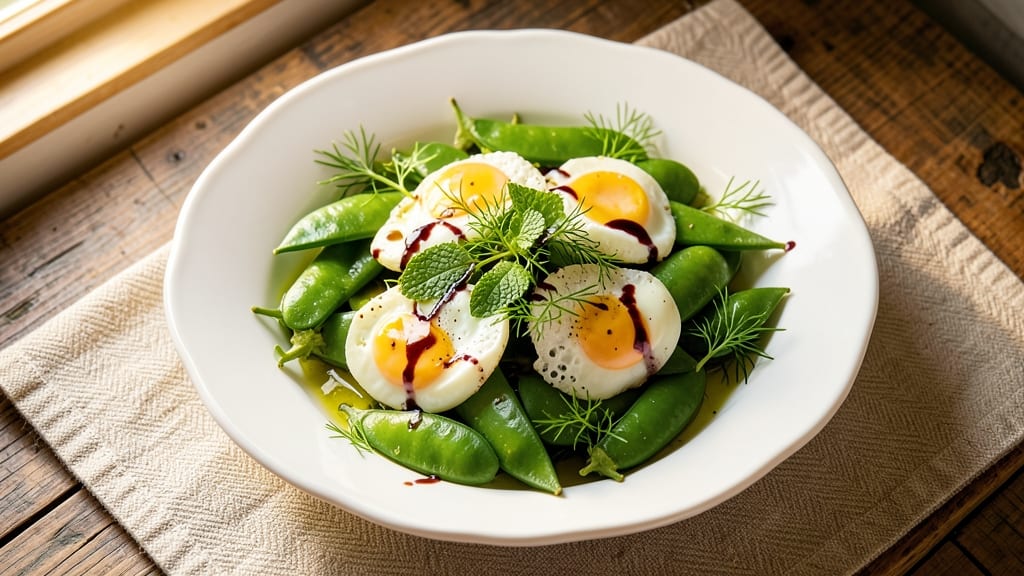
This sweet pea salad recipe with eggs transforms spring’s brightest flavors into a dish that’s equal parts elegant and effortless. The tender crunch of fresh sweet peas meets perfectly cooked eggs, creating a balance of textures that feels both comforting and refined.
I developed this recipe after realizing how often spring produce gets overlooked in favor of heavier winter dishes—it’s time to celebrate those vibrant peas with a creamy, satisfying twist.
The secret lies in the creamy yolk harmony—soft-boiled eggs add richness without overpowering the delicate sweetness of the peas. A light vinaigrette ties everything together, while optional garnishes like toasted almonds or lemon zest elevate the dish to restaurant-quality.
This isn’t just a salad; it’s a celebration of spring’s freshest ingredients, made simple yet impressive.
What makes this dish special is its versatility—serve it as a light lunch, a side for grilled fish, or even a refreshing starter for dinner. The creamy element from the eggs contrasts beautifully with the peas’ natural crunch, while the bright acidity of the dressing keeps every bite fresh.
It’s the kind of recipe that feels like a springtime revelation.
Ready in under 30 minutes, this salad requires minimal effort but delivers maximum impact. The key is using fresh, in-season sweet peas—their natural sweetness shines when paired with the eggs’ velvety texture.
Whether you’re hosting a brunch or simply craving something fresh, this dish is your answer. Let’s get started!
Ingredients for sweet pea salad recipe with eggs
Spring's brightest ingredients meet creamy eggs in this elegant yet effortless salad creation.
| Ingredient | Amount | Notes |
|---|---|---|
| Fresh Sweet Peas (shelling peas) 🌱 | 2 cups | Freshly shelled, vibrant green |
| Large Eggs 🥚 | 4 whole | Pasture-raised for richer yolks |
| Extra-Virgin Olive Oil 🫒 | ½ cup | Light, fruity variety preferred |
| Red Wine Vinegar 🍷 | 3 tbsp | Dry, bold variety for balance |
| Fresh Dill 🌿 | ¼ cup | Finely chopped, stems removed |
| Fresh Mint Leaves 🌿 | ⅛ cup | Torn by hand for texture |
| Crumbled Feta Cheese 🧀 | ½ cup | High-quality, brined feta |
| Toasted Almond Slices 🥜 | ¼ cup | Lightly toasted for crunch |
| Diamond Crystal Kosher Salt 🧂 | ½ tsp | For perfect egg cooking |
| Granulated Sugar 🍚 | 1 tsp | Balances vinegar acidity |
| Lemon Zest 🍋 | 1 tsp | Freshly grated for brightness |
| Ice Cubes ❄️ | 1 cup | For ice bath cooling |
The foundation of this dish lies in its freshest components. Fresh sweet peas should be vibrant green and harvested at peak ripeness—local farmers markets often carry them in spring, or look for frozen peas labeled 'sweet peas' if fresh aren't available. For the eggs, pasture-raised delivers the richest yolks, though any high-quality eggs will work. The feta should be brined, not dry, for proper crumble texture. Toast your almonds in a dry pan for just 2 minutes until golden—over-toasting turns them bitter. Fresh herbs are non-negotiable here; dried simply won't provide the same bright flavor profile.
No fresh dill? Substitute with 1/4 cup fresh parsley plus 1/2 tsp dried dill, though the flavor won't be identical. Out of feta? High-quality goat cheese crumbles beautifully as a substitute. The dressing ratio can be adjusted—more vinegar for tang, more olive oil for richness. For the eggs, 6-7 minutes in simmering water yields perfect creamy yolks. If you prefer runny yolks, reduce to 5 minutes. The ice bath is crucial—shocking the eggs stops cooking instantly and prevents overcooking. For a nut-free version, omit almonds and add toasted pepitas or sunflower seeds instead.
Fresh sweet peas keep best in the fridge for 3-4 days after shelling, though they're best used immediately. Store peeled eggs in their shells in the fridge for up to 3 days after cooking. The dressing components will last 1 week refrigerated, though fresh herbs should be added just before serving. For meal prep, assemble the salad without dressing and store components separately—combine just before serving to maintain crispness. The toasted almonds can be prepped 2 days ahead and stored in an airtight container. This salad shines at room temperature, making it perfect for picnics or buffets.
Why You'll Love This Recipe
- I’ll be real: shelling peas used to make me groan. But this recipe skips that step—just toss in whole pods, let them steam open in the pot, and boom, you’ve got tender peas with zero fuss. The eggs handle the real work while you sip your coffee.
- No-Shelling Hassle: I’ll be real: shelling peas used to make me groan. But this recipe skips that step—just toss in whole pods, let them steam open in the pot, and boom, you’ve got tender peas with zero fuss. The eggs handle the real work while you sip your coffee.
- Bright & Tangy Magic: That red wine vinegar and fresh dill? They turn this salad into a flavor explosion. The eggs add richness, but the peas stay crisp, and the dressing cuts through like a zesty hug. It’s the kind of dish that makes you reach for seconds without even thinking.
- Picnic-Proof Perfection: Between us, this is my go-to for potlucks or lazy Sundays. Pack it in a jar, and the layers stay intact—peas at the bottom, eggs on top, dressing clinging to everything. Honestly, it’s the only salad I trust to impress at a BBQ without me stressing.
Step-by-step instructions for sweet pea salad with eggs
Here's how to create a perfectly balanced spring salad with vibrant peas and rich, creamy eggs.
Prepare the Sweet Peas
Bring a small pot of water to a gentle boil and add the 2 cups fresh sweet peas (shelling peas). Cook for 3-4 minutes until they're bright green and tender but still hold their shape. You want them to retain their natural sweetness and crunch - overcooking will turn them mushy.
Drain immediately and transfer to a large mixing bowl. While still warm, sprinkle with 0.5 tsp diamond crystal kosher salt and 1 tsp granulated sugar. The salt enhances their natural sweetness while the sugar balances the acidity we'll add later. Let them cool slightly to room temperature before proceeding.
Hard-Boil the Eggs with Precision
Place the 4 whole large eggs in a small saucepan and cover them completely with cold water. Bring to a rolling boil over high heat, then immediately remove from heat, cover, and let sit for 10 minutes. This timing ensures perfectly set whites with creamy, rich yolks that won't overcook.
Transfer the eggs to an ice bath using the 1 cup ice cubes to cool completely for 10 minutes. This rapid cooling stops the cooking process and makes them easier to peel. Once cooled, peel the eggs under running water to remove any remaining shell fragments, then halve lengthwise and set aside at room temperature.
Create the Herb-Vinegar Dressing
In a small bowl, whisk together the 0.5 cup extra-virgin olive oil, 3 tbsp red wine vinegar, 1 tsp lemon zest, 0.25 cup finely chopped fresh dill, and 0.125 cup torn fresh mint leaves. The vinegar should cut through the richness of the olive oil while the citrus zest adds brightness that complements the sweet peas.
Taste and adjust seasoning - you may need an additional pinch of salt or sugar to balance the acidity. The dressing should coat the back of a spoon but remain emulsified. Set aside while you prepare the remaining components.
Assemble the Salad with Perfect Texture Contrast
Gently fold the cooled sweet peas with half of the herb-vinegar dressing to lightly coat them. Add the 0.5 cup crumbled feta cheese and 0.25 cup toasted almond slices, tossing just until everything is evenly distributed. The feta should be crumbled into small, even pieces for consistent texture throughout each bite.
Arrange the egg halves on top of the salad, placing them cut-side down to create a visually appealing presentation. The warm eggs will gently melt into the cool salad components, creating that perfect creamy contrast promised in the title.
Serve Immediately for Optimal Texture
Divide the salad among 4 serving plates, drizzling with the remaining herb-vinegar dressing. The eggs should be served immediately to maintain their creamy texture and prevent the salad from becoming soggy. Each serving should showcase the vibrant green peas, creamy egg yolks, and delicate herb garnish.
For best results, serve this salad while the eggs are still slightly warm - this creates the perfect temperature contrast between the cool peas and warm eggs. The combination of textures - tender peas, creamy eggs, crunchy almonds, and crumbly feta - makes every bite a harmonious experience.
Pro Tips For Making Sweet Pea Salad Recipe With Eggs
- Shock the Eggs: Drop large eggs into a pot of boiling water—no gradual warming. I learned this the hard way after mushy yolks ruined three batches. The shock stops them from turning rubbery, and they peel like magic when you ice them afterward.
- Shell Peas Fast: Use a butter knife to split the pods lengthwise first—cuts the work in half. Then pinch the seam and flick open with your thumb. (Yes, it looks like you’re eating with your hands, but it’s the only way to keep the peas from turning to mush.)
- Vinegar First: Whisk the red wine vinegar into the olive oil before adding the peas and dill. The acid cuts through the peas’ natural starch, so they stay crisp instead of turning into a sad, gluey mess. Trust me, your salad will thank you.
- Taste the Dill: Sniff the dill before chopping—if it smells like soap or dirt, rinse it and soak it in ice water for 10 minutes. Fresh dill should burst with bright, grassy notes, not fight for flavor with the peas and eggs. (And no, dried dill won’t cut it here.)
Regional styles of this sweet pea salad recipe with eggs
Southern U.S. Style
In the Southern states, this salad becomes a true springtime staple by adding crispy fried chicken to the mix. I like using cornmeal-brined chicken for extra tenderness, then cutting it into bite-sized pieces.
The Southern approach also calls for a touch of hot honey drizzled over the top—just 1 tsp adds a subtle heat that balances the creamy eggs. For presentation, serve on a large platter with buttermilk biscuits on the side for dipping. 🌶️
Mediterranean Twist
Mediterranean regions transform this salad by incorporating cherry tomatoes and red onion into the pea base, creating a vibrant mix of colors and flavors. I use Kalata feta (a softer, creamier variety) and add toasted pine nuts instead of almonds.
The dressing gets a Mediterranean upgrade with 1 tsp dried oregano and a splash of lemon juice instead of vinegar. This version pairs beautifully with grilled swordfish or crusty sourdough bread. 🍅
British Country Garden
Across the pond, this salad takes on a more rustic character with the addition of watercress and asparagus tips, both staples of British spring gardens. The eggs are often served soft-boiled (just 5 minutes in simmering water) with runny yolks, and the dressing incorporates Dijon mustard for depth.
I've seen this version garnished with crispy bacon lardons and a sprinkle of chives. It's traditionally served with crumpets or scones for a proper British tea-time experience. 🇬🇧
French Market Salad
French markets elevate this dish by using young broad beans (shelled) alongside the sweet peas, creating a luxurious texture contrast. The dressing becomes a shallot-infused vinaigrette with a touch of tarragon, and the eggs are often poached rather than hard-boiled.
I've seen this version topped with crispy duck confit and finished with fresh tarragon leaves. It's commonly served as a starter before a main course of seared scallops or roasted lamb. 🇫🇷
Japanese Spring Bento
In Japan, this salad becomes a springtime bento box centerpiece, often called "sawagu no nitsume" (sweet pea and egg salad). The peas are served raw and lightly blanched, while the eggs are soft-boiled and sliced into thin rounds.
The dressing is a delicate soy-ginger vinaigrette made with 1 tbsp soy sauce, 1 tsp rice vinegar, and ½ tsp grated ginger. Garnishes include toasted sesame seeds and thinly sliced scallions.
This version is typically served with steamed rice and pickled vegetables for a complete bento meal. 🍱
Scandinavian Forårsret
Scandinavian cooks embrace this salad's freshness by adding cucumber ribbons and dill pickles for tangy contrast. The eggs are often soft-boiled and halved, while the dressing incorporates sour cream for richness. I've seen this version topped with smoked salmon and fresh dill.
It's traditionally served with dark rye bread and lingonberry jam for a hearty Scandinavian spring meal. The Nordic approach celebrates the simplicity of fresh, seasonal ingredients. ❄️
Nutrition facts
Frequently asked questions about sweet pea salad with eggs
Can I use frozen sweet peas instead of fresh?
Yes, but with one key adjustment—always thaw and drain frozen peas thoroughly before using. For best texture, blanch them for 2 minutes in boiling water after thawing to restore their natural crunch. Avoid using peas labeled "mature" or "dried," as they're much tougher and less sweet than fresh or young frozen sweet peas.
How do I make the eggs extra creamy?
The secret is precise timing and temperature. For ultra-creamy yolks, use 6-7 minutes in simmering water (not boiling), then shock immediately in ice water. Add a pinch of salt to the cooking water—it helps set the whites faster while keeping yolks rich. For even more decadence, try duck eggs (if available), as their yolks are naturally richer and more vibrant.
What's the best way to store leftovers?
Store components separately to maintain texture: keep peas and feta in one container, eggs in another, and dressing in a sealed jar. Refrigerate for up to 2 days. When ready to serve, gently toss the peas with fresh dressing and add eggs just before eating. The almonds can be toasted fresh daily—they lose crunch when stored. Never refrigerate dressed salad with eggs for more than 1 hour.
Can I make this salad ahead of time?
Prepare everything except the dressing and eggs up to 1 day ahead. Store the pea-feta-almond base in an airtight container. On serving day, simply toss with fresh dressing and add warm eggs. For a make-ahead brunch, hard-boil eggs 2 days ahead, peel, and store in the fridge. Reheat gently in warm water for 30 seconds before halving to maintain creaminess.
What if I don't like feta?
Try these equally delicious alternatives: goat cheese crumbles for tangy creaminess, shaved Parmesan for nutty depth, or avocado cubes for rich texture. For a dairy-free option, use toasted coconut flakes or marinated artichoke hearts. The key is maintaining that crumbly contrast—just adjust the dressing slightly if using avocado (it's naturally fatty and may need less oil).