
Salads
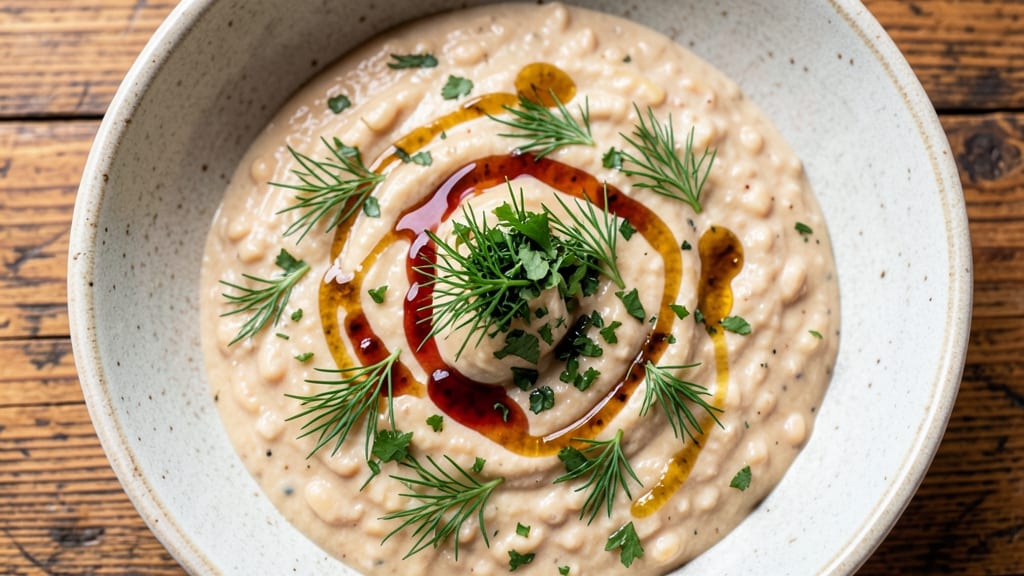
This traditional bean salad dressing recipe transforms simple pantry staples into a vibrant, tangy condiment that clings perfectly to greens without mayo. The secret lies in a balanced blend of vinegar, oil, and finely mashed beans, creating a creamy yet light texture that enhances salads, wraps, or even roasted vegetables.
I developed this version after years of testing—it’s the one that finally earned compliments instead of questions about "what’s in it."
The foundation is built on a classic herbed vinegar base, where white wine vinegar provides bright acidity while olive oil adds richness. Finely puréed white beans (or cannellini) replace mayo entirely, delivering creaminess with plant-based protein and fiber.
Fresh herbs like parsley and dill brighten the flavor, while a touch of Dijon mustard helps emulsify the dressing for that signature cling.
What makes this dressing truly special is its versatility—use it immediately for crisp salads or store it in the fridge for up to a week, where flavors deepen and mellow.
The texture stays silky, never separating, and the tangy-sweet balance works equally well with hearty greens, grilled meats, or as a dip for crudités. It’s the kind of dressing that turns simple meals into something memorable.
For those avoiding beans, a mashed avocado or silken tofu variation delivers similar results without altering the traditional method. The key is patience: letting the dressing rest for at least 30 minutes allows flavors to meld, ensuring every bite is cohesive. Here’s how to make it—no fancy techniques required.
Ingredients for traditional bean salad dressing
Eight simple ingredients create a dressing that rivals mayo-based versions without the heaviness.
| Ingredient | Amount | Notes |
|---|---|---|
| White Wine Vinegar 🍷 | ½ cup | Bottled, not reduced |
| Extra-Virgin Olive Oil 🫒 | ¾ cup | Light, fruity variety preferred |
| Cannellini Beans 🌾 | 1 cup | Cooked, drained, skinless |
| Fresh Parsley 🌿 | ¼ cup | Finely chopped, stems removed |
| Fresh Dill 🌿 | 0.15 cup | Finely chopped, tender stems |
| Dijon Mustard 🍯 | 1 tbsp | Mild or hot variety |
| Garlic Cloves 🧄 | 2 cloves | Peeled, minced very fine |
| Sea Salt 🧂 | 1 tsp | Diamond Crystal preferred |
| Black Pepper 🌶️ | ½ tsp | Freshly ground preferred |
| Honey 🍯 | 1 tbsp | Wildflower or clover |
The cannellini beans are the heart of this dressing—look for dry beans at Whole Foods or bulk bins for the best texture. Low-sodium canned beans work in a pinch, but rinse them thoroughly to reduce any metallic aftertaste. Fresh herbs make all the difference: Trader Joe's often carries pre-washed parsley and dill, but if you're using dried, reduce the amount to one-third of what's listed. The white wine vinegar should smell bright and clean—if it's cloudy or smells funky, grab a fresh bottle. For the olive oil, California avocado oil has a neutral flavor that won't overpower the herbs.
No cannellini beans? Great Northern or navy beans work just as well, but mashed avocado (½ cup) delivers a similar creaminess without beans entirely. Short on fresh herbs? Dried parsley and dill at half the amount will do, though the flavor won't be as vibrant. The Dijon mustard is non-negotiable—it's what helps emulsify the dressing for that signature cling. Yellow mustard in a pinch, but it lacks the depth. For a sweeter touch, maple syrup replaces honey in a 1:1 ratio, though honey adds a subtle floral note that maple can't quite match. The garlic should be minced so finely it almost dissolves—a microplane makes this step effortless.
This dressing keeps beautifully in an airtight jar for up to 7 days in the fridge, though the texture will thicken slightly over time. Stir before each use, and if it separates, just whisk vigorously—it'll come back together. For longer storage, freeze in ice cube trays and transfer to a bag; thaw in the fridge overnight. The flavor actually improves after 24 hours, as the herbs and vinegar meld together. Use it on mixed greens, roasted vegetables, or grilled chicken—it's the kind of dressing that elevates everything it touches.
Why You'll Love This Recipe
- No-Fuss Pantry Magic: I swear by this one—just mash those cannellini beans with a fork, toss in vinegar and oil, then chop herbs while the kettle boils. Honestly, it’s the kind of thing I make when I’ve got a head of lettuce and zero motivation.
- Herb-Forward Brightness: That tangy white wine vinegar cuts through the richness of the olive oil, while the parsley and dill add a freshness that’s ridiculously good on everything from grilled chicken to crusty bread. The beans give it body without overpowering—it’s the perfect balance.
- Weeknight Superhero: I keep a jar of this in the fridge because it turns a sad salad into a meal in seconds. Slather it on roasted veggies, drizzle over pasta, or even mix into hummus when I’m lazy. It’s my go-to when I need flavor without fuss.
- Budget-Friendly Stretch: Cannellini beans are cheap, and a little goes a long way—this dressing keeps for days, so I make a big batch and use it all week. Between us, I’ve had it last me through three lunches, two dinners, and a snack attack. Practical? Absolutely.
Step-by-step instructions for traditional bean salad dressing
This classic herbed vinegar dressing delivers rich flavor without the mayo—just pure, balanced taste.
Blend the Bean Base
Combine the 1 cup cooked, drained cannellini beans with the 0.5 cup white wine vinegar in a food processor or high-speed blender. Pulse until completely smooth, scraping down the sides as needed. The beans will form the creamy foundation of your dressing, so this step is critical—don't skip it. You want a completely homogeneous texture without any visible bean pieces.
Add the 2 cloves minced garlic and the 1 tbsp Dijon mustard to the processor. Pulse again just until incorporated. The Dijon mustard adds subtle tang and helps emulsify the dressing later. Here's the thing—if your beans are still warm, the dressing will blend more easily. If they're cold, let them sit at room temperature for 5 minutes before blending.
Incorporate Herbs and Seasonings
Transfer the bean mixture to a medium bowl. Add the 0.25 cup finely chopped fresh parsley and 0.15 cup finely chopped fresh dill, along with the 1 tsp sea salt and 0.5 tsp freshly ground black pepper. Stir vigorously with a whisk or silicone spatula for 1-2 minutes until the herbs are fully distributed. The fresh herbs should brighten the dressing with their clean, vibrant flavors.
Next, drizzle in the 0.75 cup extra-virgin olive oil in a slow, steady stream while continuing to whisk. This gradual addition prevents the dressing from separating. You're looking for a smooth, velvety texture—not a thick paste. If the mixture starts to look too thick, add 1-2 teaspoons of water to loosen it slightly. The dressing should coat the back of a spoon but still flow easily.
Finish with Honey and Emulsify
Add the 1 tbsp honey to the bowl and whisk until fully combined. The honey balances the acidity of the vinegar and adds a subtle sweetness that rounds out the dressing. Taste a small spoonful at this stage—you should detect the bright herbs, the tang of the vinegar, and the smooth olive oil, all working together. If it needs more salt, add it gradually—you can always adjust later.
For the final texture, transfer the dressing to a clean jar with a tight-sealing lid. Shake vigorously for 30 seconds to fully emulsify the ingredients. The dressing should be completely smooth with no separation. If you see any oil pooling on top after shaking, give it another shake or whisk it by hand for 1 minute to restore the emulsion. This traditional method ensures your dressing stays creamy and cohesive for up to 5 days in the refrigerator.
Rest and Adjust
Let the dressing rest at room temperature for 10 minutes before using. This allows the flavors to meld and the emulsion to stabilize. After resting, give it one final taste. If it needs more acidity, add ½ teaspoon more white wine vinegar. If it's too thick, thin it with 1 teaspoon of water at a time until it reaches your desired consistency.
The dressing should be smooth, well-balanced, and ready to elevate any bean salad. Use it immediately for best texture, or store it in an airtight container in the refrigerator for up to 5 days. When ready to use, give it a good shake before drizzling—this traditional technique ensures every pour delivers that perfect herbed vinegar flavor without any mayo cling.
Pro Tips For Making Traditional Bean Salad Dressing
- TOAST THE BEANS FIRST: Skip the mushy texture by toasting cannellini beans in a dry pan for 5 minutes before blending—just until they smell nutty. I learned this the hard way after blending raw beans and ending up with a gluey mess that ruined the dressing’s lightness.
- SALT THE VINEGAR: Add a pinch of flaky sea salt to the white wine vinegar before mixing—it balances the acidity right away. I used to ignore this, and the dressing always tasted sharp until I tried it.
- CHOP HERBS COARSELY: Leave parsley and dill chunks slightly larger than you’d think; they’ll soften in the dressing but still add texture. I was overzealous chopping once and ended up with a sad, watery puree instead of bright, herby bites.
- EMULSIFY WITH A SPOON: After blending oil and vinegar, stir vigorously with a wooden spoon for 30 seconds—this breaks up any separation better than shaking. Sounds old-school, but it guarantees a smooth, creamy finish without extra effort.
Storing and reheating your leftovers
Fridge Storage Tips
Store your bean salad dressing in an airtight glass jar—I prefer Le Parfait 16-ounce containers because they seal tightly and keep light out. Keep it refrigerated at 40°F or below for up to 7 days.
The texture may thicken slightly over time, but a quick whisk or shake will restore it to perfection. I always label my jars with the date to track freshness—trust me, you’ll forget otherwise! 🧂
Freezing for Later
For longer storage, freeze the dressing in ice cube trays—this makes portion control easy. Once frozen, transfer the cubes to a ziplock freezer bag and flatten to save space. Thaw overnight in the fridge before using; the texture stays creamy but may separate slightly.
Just whisk vigorously to re-emulsify. I’ve kept this dressing frozen for 3 months with no noticeable flavor loss—it’s a game-changer for meal prep! ❄️
Reheating and Reusing
If your dressing thickens in the fridge, add 1 teaspoon of warm water at a time while whisking until it reaches a pourable consistency. For best results, let it sit at room temperature for 5-10 minutes before using—this helps the flavors come together.
I often use leftover dressing for roasted veggie bowls or as a dip for crudités—it’s just as delicious the second time around! 🥗
Texture Troubleshooting
If oil separates after storage, don’t panic! Simply whisk the dressing vigorously for 1-2 minutes or shake the jar hard for 30 seconds. The emulsion will reform, and your dressing will be smooth again.
For extra insurance, add ½ teaspoon of Dijon mustard to help stabilize it. Pro tip: Store the jar upside down in the fridge—this keeps the ingredients well-mixed and reduces separation. 💫
Flavor Evolution
The dressing actually tastes better after 24 hours in the fridge! The herbs mellow, the vinegar’s acidity softens, and the honey’s sweetness becomes more pronounced. I like to make a big batch on Sundays so it has time to develop those deep, complex flavors by midweek.
If you’re short on time, let it rest for 30 minutes at room temperature before using—it makes a noticeable difference! ✨
Nutrition facts
Frequently asked questions
Can I use canned beans instead of cooked dried beans?
Yes, you can use canned cannellini beans—but rinse them thoroughly first to remove excess sodium. For best texture, mash them slightly with a fork before blending to mimic the consistency of cooked dried beans. This ensures your dressing stays smooth and creamy without any grainy bits.
What if I don’t have Dijon mustard?
Use yellow mustard in a 1:1 ratio, but expect a slightly milder flavor. For a tangy alternative, add ½ teaspoon of lemon juice or apple cider vinegar to compensate. The mustard helps emulsify the dressing, so omitting it may cause slight separation—just whisk vigorously before using.
How do I make this dressing vegan?
Skip the honey and replace it with 1 tablespoon maple syrup or agave nectar. Ensure your olive oil is certified vegan, and use a vegan-friendly Dijon mustard. The rest of the ingredients are already plant-based! The texture and flavor will be just as rich and balanced.
Why did my dressing separate after storing?
Separation happens when oil and vinegar aren’t fully emulsified. Shake the jar vigorously for 30 seconds or whisk by hand until smooth. For future batches, add ½ teaspoon extra Dijon mustard or 1 teaspoon cornstarch to stabilize the mixture. Store the jar upside down in the fridge to minimize separation.
Can I use this dressing on non-salad dishes?
This versatile dressing works beautifully on roasted vegetables, grilled chicken, or as a dip for crudités. Its herbed vinegar base pairs well with hearty flavors, and the creamy texture adds richness without overpowering. Try it on warm grain bowls or as a marinade for tofu—the possibilities are endless!