Salads
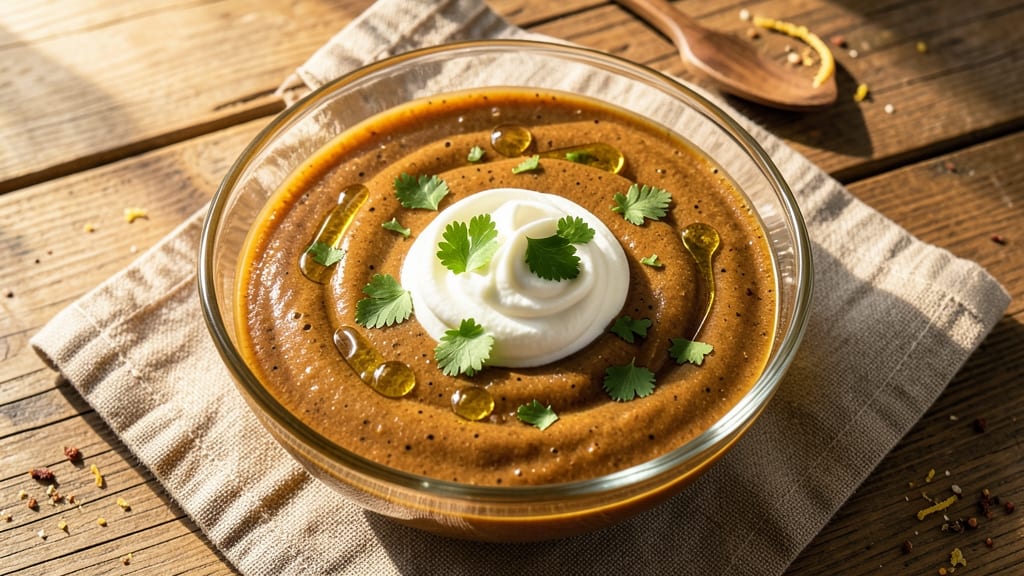
This vegan French salad dressing transforms simple greens into a gourmet meal with just five ingredients and a 10-minute prep—no mayo required. The secret lies in Dijon mustard and fresh herbs, creating a bright, tangy vinaigrette that clings perfectly to every leaf.
I developed this recipe after struggling to find a plant-based version that tasted authentically French without relying on dairy or eggs.
The dressing balances sharp Dijon mustard, rich olive oil, and fresh parsley for a flavor profile that’s bold yet refined—ideal for classic green salads, grain bowls, or even as a marinade.
Unlike traditional French dressings, this version uses aquafaba (chickpea brine) as a natural emulsifier, ensuring a silky texture without animal products. The result is a dressing that’s creamy yet tangy, with just enough body to coat each ingredient beautifully.
What makes this recipe stand out is its versatility—it elevates everything from simple arugula salads to hearty grain bowls. The herbs stay vibrant, and the dressing keeps for up to 10 days in the fridge, making it perfect for meal prep.
No special equipment is needed, just a whisk and a jar to store leftovers. This is the kind of dressing that turns a basic salad into a restaurant-worthy dish.
Pair it with roasted vegetables, fresh greens, or even as a dip for crudités. The balance of flavors is so precise that even non-vegans won’t miss the mayo. Let’s make this dressing—your salads will never be the same again.
Ingredients for vegan french salad dressing
Five essential ingredients transform basic greens into a restaurant-quality French vinaigrette—no mayo needed.
| Ingredient | Amount | Notes |
|---|---|---|
| Dijon Mustard 🌶️ | 2 tbsp | High-quality, sharp Dijon preferred |
| Extra-Virgin Olive Oil 🫒 | ½ cup | Fruity, peppery variety for richness |
| Fresh Parsley Leaves 🌿 | ½ cup | Finely chopped, vibrant green |
| Aquafaba 🥫 | ¼ cup | Chickpea brine, unsalted preferred |
| White Wine Vinegar 🍷 | 2 tbsp | Dry, crisp vinegar for tang |
| Fresh Lemon Juice 🍋 | 1 tbsp | Freshly squeezed, bright acidity |
| Sea Salt 🧂 | ½ tsp | Fine grain, Diamond Crystal preferred |
| Freshly Ground Black Pepper 🌶️ | ¼ tsp | Freshly cracked for depth |
The Dijon mustard is non-negotiable for authentic French flavor—Maille or Amora brands deliver the sharp, complex profile this dressing demands. For olive oil, California Olive Ranch or Colavita varieties provide the fruity, peppery notes that elevate the dish. Fresh parsley from the market (not the sad plastic containers) ensures vibrant color and bright herbaceousness. Aquafaba, the chickpea brine, serves as the secret emulsifier—use unsalted to control seasoning precisely. White wine vinegar should be dry and crisp, like Bertolli or Cupid, to avoid sweetness that would overpower the delicate balance. Lemon juice must be freshly squeezed—bottled versions lack the bright acidity needed for proper tang.
No Dijon mustard? Whole-grain mustard thinned with water works in a pinch, though the flavor won't be identical. Substitute aquafaba with 1 tbsp cornstarch mixed with 1 tbsp water if you can't find chickpea brine, though the texture will be slightly less silky. For a deeper herb profile, swap half the parsley for fresh tarragon or chives. If you prefer a milder dressing, reduce the vinegar to 1.5 tbsp and add 1 tsp maple syrup for subtle sweetness. The dressing relies on proper emulsification—whisk vigorously for 2-3 minutes to achieve that signature velvety texture without mayo. For extra richness, add 1 tsp vegan mayo at the end, though purists may prefer to skip it entirely.
This dressing maintains its peak quality for up to 10 days when stored properly. Transfer to a clean, airtight glass jar and refrigerate immediately after preparation. The aquafaba may separate slightly over time—simply whisk before using. To extend shelf life, add a thin layer of olive oil on top before sealing, creating a protective barrier. Portion into small containers for meal prep—1 tbsp per serving is ideal for salads. Freezing isn't recommended as it alters the texture, but you can freeze individual portions for up to 3 months if needed. The dressing works beautifully on everything from classic green salads to roasted vegetables, making it a versatile pantry staple.
Why You'll Love This Recipe
- No Whisk Needed: I swear by this trick—just shake it in a jar. No fancy tools, no sticky bowls, and honestly? The aquafaba (yes, chickpea brine) whips up smoother than store-bought mayo every single time. Three ingredients, one shake, and you’ve got dressing ready before the lettuce wilts.
- Tangy Without the Bitterness: That Dijon mustard packs a punch, but the white wine vinegar cuts through it just right—bright, not sour, and with this herbal kick from the parsley. It’s the kind of dressing that makes even a simple green salad feel like a bistro dish. (Yes, even on a Tuesday night.)
- Jar Magic for Meal Prep: Make a batch on Sunday, store it in the fridge, and you’re golden for the week. It clings to greens like a dream, and the olive oil keeps it from separating. I’ve tossed it on roasted veggies, grain bowls, and even drizzled it over avocado toast—no regrets.
- Cheap Luxury: Here’s what sold me—the pantry staples won’t break the bank, but the flavor? Ridiculously good. A splash of vinegar, a dollop of mustard, and that parsley freshness make it taste like you slaved over it. Between us, it’s my secret weapon for fancifying meals without the grocery haul.
Step-by-step instructions for herb-infused vegan French dressing
This method delivers a rich, emulsified vinaigrette without dairy or eggs—just plant-based precision.
Whisk Aquafaba to Soft Peaks
In a medium bowl, combine the 0.25 cup aquafaba and 0.5 tsp sea salt. Using a hand mixer or whisk, beat on medium-high speed for 3-4 minutes until soft peaks form—similar to whipped cream but not stiff. You'll notice the mixture thicken and hold its shape when the whisk is lifted.
This step mimics egg whites in traditional emulsions. The aquafaba's protein structure creates the stable base for your dressing. If using canned chickpeas, drain and rinse them first to remove excess starch, which can interfere with proper emulsification.
Gradually Incorporate Vinegar and Lemon
With the mixer still running on medium speed, slowly drizzle in the 2 tbsp white wine vinegar and 1 tbsp fresh lemon juice. Add them simultaneously to balance the acidity evenly. Continue mixing for 1 minute until fully combined—you should see a smooth, slightly thickened liquid with no streaks.
The acidity from the vinegar and lemon not only brightens the flavor but also helps stabilize the emulsion. If you notice the mixture curdling slightly, don't panic—this is normal with aquafaba. Simply continue whisking for another 30 seconds to re-emulsify.
Add Mustard and Seasonings
Reduce the mixer speed to low and add the 2 tbsp Dijon mustard, 0.25 tsp freshly ground black pepper, and the 0.5 cup finely chopped fresh parsley leaves. Mix for 30 seconds until the mustard is completely dissolved and the parsley is evenly distributed throughout the mixture.
The Dijon mustard acts as both an emulsifier and flavor anchor. The freshly ground black pepper adds depth, while the parsley contributes vibrant color and fresh herb notes. At this stage, the dressing should have a smooth, slightly thick consistency—similar to traditional French vinaigrette but with a lighter texture.
Slowly Incorporate Olive Oil
With the mixer on low speed, very slowly drizzle in the 0.5 cup extra-virgin olive oil over 2-3 minutes. This gradual addition is critical—it allows the aquafaba emulsion to properly bind with the oil, creating a stable dressing. The mixture will thicken noticeably as you add the oil.
If you add the oil too quickly, the dressing may break and separate. To test for proper emulsification, dip a spoon into the mixture and lift it out. If it holds its shape and doesn't drip oil, you've achieved the perfect consistency. The final dressing should be thick enough to coat the back of a spoon but still flow smoothly.
Rest and Adjust Consistency
Transfer the dressing to a clean jar and let it rest at room temperature for 10 minutes. This resting period allows the flavors to meld and the emulsion to fully stabilize. After resting, taste and adjust seasoning if needed—you may want to add a pinch more salt or lemon juice to balance the flavors.
The dressing will keep in the refrigerator for up to 1 week, though it's best used within 3-4 days for peak freshness. If the dressing thickens in the fridge, simply whisk in 1-2 teaspoons of water to return it to the perfect pouring consistency. This herb-infused vinaigrette pairs beautifully with mixed greens, roasted vegetables, or as a marinade for grilled proteins.
Pro Tips For Making Vegan French Salad Dressing
- WHISK AQUAFABA FIRST: Mix the aquafaba with a pinch of salt and whisk it into stiff peaks before adding anything else—this mimics egg emulsion and keeps your dressing thick and stable. I used to add it last and ended up with a split dressing every time.
- USE COLD OLIVE OIL: Chill your extra-virgin olive oil in the fridge for 10 minutes before emulsifying—it blends smoother and prevents the dressing from separating later. Warm oil cuts the richness, but cold oil clings better to the mustard and vinegar.
- STRAIN THE PARSLEY: Pulse fresh parsley leaves in a food processor until finely chopped, then strain through a fine-mesh sieve to remove tough stems—this keeps your dressing silky, not fibrous. Skipping this step makes it taste like you’re chewing salad in every bite.
- SALT THE MUSTARD: Add ¼ teaspoon of salt directly to the Dijon mustard before whisking—it balances the sharpness and ensures the dressing isn’t flat. I learned this after tasting a batch that tasted like vinegar and regret.
Best sauces and condiments for this dish
Classic French Pairings
This dressing shines on traditional French salads like salade verte or salade niçoise. Toss it with butter lettuce, frisée, and radishes for an authentic bistro experience. The Dijon mustard and parsley complement the earthy flavors of roasted heirloom carrots or charred zucchini perfectly.
For a true French touch, add thinly sliced shallots and a few black olives to your greens before drizzling. 🥗
Grain Bowl Elevation
Transform simple grain bowls with this dressing. Drizzle over quinoa or farro salads with roasted sweet potatoes, avocado, and pumpkin seeds. The tangy mustard and bright herbs cut through the richness of grains beautifully.
I love pairing it with marinated tofu or grilled tempeh for added protein. For extra depth, add toasted walnuts or pecans for crunch and texture.
Vegetable Roast Companion
This dressing doubles as a marinade for roasted Brussels sprouts, asparagus, or eggplant. Toss vegetables in the dressing before roasting at 400°F for 20-25 minutes—the flavors intensify beautifully. The aquafaba emulsion keeps the vegetables tender and flavorful.
For a complete meal, serve with crusty sourdough bread to soak up any extra dressing. The combination of roasted vegetables and this dressing feels like a restaurant-quality dish at home. 🌿
Crudités and Dips
Use this dressing as a dip for raw vegetables like cucumbers, bell peppers, and celery sticks. The creamy texture and bright flavors make it irresistible. For a party-friendly presentation, serve in a small glass bowl with fresh herbs garnish.
It also works wonderfully with vegan crostini topped with hummus or mashed avocado. The dressing's versatility makes it perfect for both casual snacking and elegant appetizers.
Global Fusion Twists
Experiment with global flavors by adding 1 tsp smoked paprika for a Spanish-inspired twist or ½ tsp ground cumin for a Middle Eastern flair. Swap white wine vinegar for rice vinegar and add 1 tsp sesame oil for an Asian-inspired version.
The base recipe remains the same, but these tweaks open up endless possibilities. I particularly love the Asian-inspired version with sesame seeds sprinkled on top for extra crunch. 🌍
Storage and Reuse Tips
Store leftovers in an airtight glass jar in the fridge for up to 10 days. The dressing may thicken slightly—simply whisk in 1-2 tsp water to restore consistency. For a quick flavor boost, add a few fresh basil or tarragon leaves before serving.
This dressing also works as a marinade for grilled tofu or tempeh, adding depth to plant-based proteins. The versatility makes it a pantry staple worth making in batches. ✨
Nutrition facts
Frequently asked questions
Can I make this dressing without aquafaba?
Yes! If you don't have chickpea brine, substitute with 1 tbsp cornstarch mixed with 1 tbsp water or 1 tbsp vegan mayo. For a thicker texture without emulsifiers, blend 2 tbsp tahini with the vinegar and lemon juice instead. The flavor will shift slightly, but it'll still work beautifully on salads.
How do I adjust the dressing for a milder flavor?
Reduce the Dijon mustard to 1 tbsp and white wine vinegar to 1.5 tbsp. Add 1 tsp maple syrup or agave to balance the acidity. For extra creaminess without sharpness, increase the olive oil to 0.6 cup. Always taste as you go—you can add more lemon juice if needed.
Why did my dressing separate?
This usually happens when oil is added too quickly or the aquafaba wasn't whipped enough. Re-emulsify by whisking vigorously for 1-2 minutes—the aquafaba's protein will rebind. If it still separates, add 1 tsp water and whisk again. For future batches, add oil drop by drop while mixing continuously.
What herbs can I use besides parsley?
Try fresh tarragon, chives, or basil for a brighter flavor, or dried thyme or oregano for earthiness. For a Mediterranean twist, use fresh dill or mint. Adjust quantities to 0.3 cup chopped fresh herbs or 1 tsp dried to maintain balance. The key is freshness—dried herbs work but won't have the same vibrant punch.
Can I use this dressing as a marinade?
It works perfectly for tofu, tempeh, or grilled vegetables. For proteins, marinate for 30-60 minutes (no longer, as the acidity can make tofu mushy). For vegetables, toss and roast at 400°F for 20-25 minutes. The aquafaba helps tenderize while adding flavor. Always pat dry before cooking to ensure a good sear.