
Salads
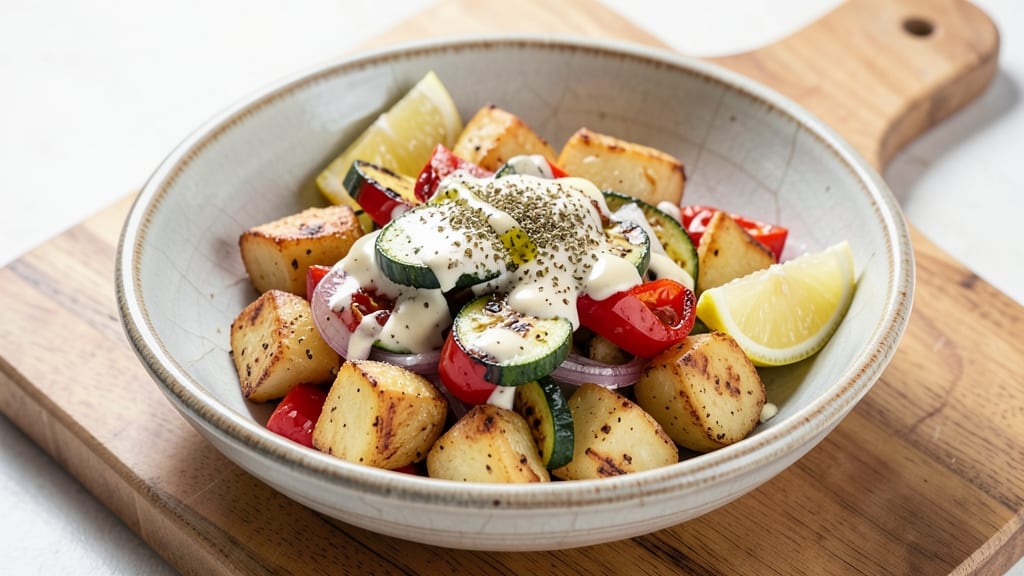
This vegan Greek salad dressing recipe delivers the same bright, tangy zing of traditional Greek dressing without dairy or mayo—just lemon, oregano, and olive oil working their magic. The secret lies in silken tofu blended into a creamy base that mimics the texture of yogurt while keeping it light and drizzling-worthy. I developed this after realizing how often vegan salads needed that same zesty punch, and it’s become my go-to for everything from Greek salads to roasted vegetables.
The flavor profile is classic: bold lemon juice cuts through rich olive oil, while dried oregano and garlic powder deliver that signature Mediterranean herbiness. A touch of Dijon mustard adds depth without overpowering, and a pinch of salt balances everything perfectly.
What makes this dressing special is how it clings to greens and vegetables without weighing them down—no slimy mayo cling here.
What you’ll end up with is a vibrant, tangy dressing that’s creamy enough to coat every bite but light enough to let the salad shine. The lemon brightens immediately, while the oregano and garlic infuse over time, making it even better after 30 minutes in the fridge.
This isn’t just a vegan substitute—it’s a dressing that stands on its own, with a texture and flavor profile that rivals traditional Greek dressings.
Use it on Greek salads, drizzle over roasted potatoes, or toss with grilled vegetables. It keeps for up to a week in the fridge, so make a batch and enjoy it all week. Here’s how to make it—simple, bright, and completely plant-based.
Ingredients for vegan greek salad dressing
Eight simple ingredients create this vibrant, tangy vegan dressing that rivals traditional Greek dressing.
| Ingredient | Amount | Notes |
|---|---|---|
| Silken Tofu 🥜 | ½ cup | Unopened package preferred |
| Extra-Virgin Olive Oil 🫒 | ½ cup | High quality, fruity |
| Fresh Lemon Juice 🍋 | ¼ cup | Strained, no pulp |
| Dried Oregano 🌿 | 1 tbsp | Mediterranean blend preferred |
| Garlic Powder 🧄 | 1 tsp | Freshly ground preferred |
| Dijon Mustard 🍯 | 1 tsp | Mild or strong to taste |
| Sea Salt 🧂 | ½ tsp | Fine grain preferred |
| White Wine Vinegar 🍷 | 1 tbsp | Dry variety preferred |
| Water 💧 | 1 tbsp | Room temperature |
The silken tofu is the secret ingredient—Kite Hill or Nasoya brands are my go-to for that perfect creamy texture. Grab the 12-ounce package from the refrigerated section (not the shelf-stable kind), and keep it sealed until you're ready to blend. The olive oil matters here too—California extra-virgin with fruity notes cuts through the tangy lemon perfectly. I always buy mine in bulk from Trader Joe's or Whole Foods since it's the star of this dressing. Fresh lemon juice is non-negotiable—bottled juice lacks that bright punch. If you're using a bottle, make sure it's 100% pure lemon juice with no added water.
No silken tofu? Blended cashews (soaked 2 hours) or avocado work in a pinch, though the texture will be slightly different. The oregano can be swapped for dried thyme at half the amount if you're out, but trust me, Mediterranean oregano is worth hunting down. Short on Dijon? Yellow mustard at double the amount gets you close. The white wine vinegar adds depth—if you don't have it, apple cider vinegar works too. For extra tang, add another tablespoon of lemon juice. This dressing is incredibly forgiving, so don't stress about exact measurements.
Store it in a clean glass jar with a tight lid—it keeps for up to 1 week in the fridge. The flavors actually meld better after sitting for 30 minutes, so make it ahead if you can. I always double the batch because it disappears fast. If it thickens over time, just stir in a splash of water to loosen it up. This dressing is perfect for Greek salads, roasted veggies, or even as a marinade for tofu or tempeh. The lemon brightens immediately, while the oregano and garlic infuse over time, making it even better the next day.
Why You'll Love This Recipe
- No Blender Needed: I just blend silken tofu with lemon juice and olive oil—no fancy equipment, no mess. The tofu gives it that creamy texture without the fuss of mayo or yogurt.
- Tangy, Herby Magic: That lemon juice cuts through the richness of the olive oil, while the oregano and garlic powder add a Mediterranean punch. It’s bright, bold, and way more interesting than store-bought.
- Meal Prep MVP: Make a big batch and keep it in the fridge for up to a week. Drizzle it on wraps, toss it with roasted veggies, or even use it as a dip—it’s my go-to for lazy days.
- Budget-Friendly Luxury: Silken tofu is cheap, and the rest of the ingredients are pantry staples. You’ll get rich, creamy dressing for pennies—no splurges, just flavor.
Step-by-step instructions for vegan Greek salad dressing
Here's how to blend all the ingredients into a creamy, tangy dressing that clings perfectly.
Blend the Silken Tofu Until Smooth
Place the 0.5 cup silken tofu in a high-speed blender. I like to use the unopened package for this—it's easier to measure and prevents mess. Blend on high speed for 30-45 seconds until completely smooth. You're creating the base that will replace mayo while keeping the dressing rich and velvety.
If you notice any lumps, pulse briefly again. The texture should resemble thick yogurt—this is your foundation. Don't skip this step; proper blending ensures a silky finish that coats every bite of your salad.
Add Wet Ingredients and Blend Again
Pour in the 0.5 cup extra-virgin olive oil, 0.25 cup fresh lemon juice, 1 tablespoon white wine vinegar, and 1 tablespoon water. Blend on high speed for 45-60 seconds until everything is fully incorporated. You'll see the mixture transform from thick to light and airy.
This is where the magic happens—the olive oil emulsifies with the tofu, creating that signature Greek dressing creaminess. The lemon juice and vinegar provide the bright, tangy flavor we all love. Taste at this point—you should notice a clean, citrusy base with just a hint of acidity.
Incorporate Dry Seasonings
With the blender still running on low speed, sprinkle in the 1 tablespoon dried oregano, 1 teaspoon garlic powder, 1 teaspoon Dijon mustard, and 0.5 teaspoon sea salt. Blend for another 10-15 seconds until the seasonings are completely dissolved and the dressing is perfectly smooth.
This step is crucial for even distribution of flavors. The oregano adds that classic Mediterranean aroma, while the garlic powder and mustard provide depth. The salt balances everything, bringing out the bright lemon notes. If you taste it now, you should get a preview of the final flavor—bright, herby, and just tangy enough.
Adjust Consistency and Flavor
Transfer the dressing to a bowl and give it a taste. If it's too thick, add 1-2 teaspoons of water at a time until it reaches your desired consistency—it should coat the back of a spoon but still pour easily. If it's too thin, add 1 teaspoon of olive oil to restore creaminess.
For flavor adjustments, add more lemon juice if you want extra brightness, or a pinch more salt if it needs more depth. Remember, this dressing tastes even better after it's had a chance to sit for 10-15 minutes—the flavors meld beautifully. Store any leftovers in an airtight container in the refrigerator for up to 5 days, giving it a good shake before each use.
Pro Tips For Making Vegan Greek Salad Dressing
- Blend Silken Tofu Cold: DESCRIPTION: I learned this the hard way—warming silken tofu before blending turns it grainy and ruins the creamy texture. Keep it straight from the fridge, and blend until completely smooth. No exceptions.
- Use Aged Lemon Juice: DESCRIPTION: Freshly squeezed lemon juice has more water and less flavor. If you’re using bottled, opt for aged lemon juice (it’s thicker and more concentrated). For extra zing, let the juice sit in the fridge for 10 minutes before blending—it mellows the acidity just enough.
- Toast Oregano First: DESCRIPTION: Dried oregano can taste bitter if not activated. Lightly toast it in a dry pan for 30 seconds until fragrant, then let it cool before adding to the dressing. This step makes a real difference—no more chemical aftertaste.
- Thin Gradually with Oil: DESCRIPTION: Dumping all the olive oil at once makes the dressing too thick. Start with half, blend, then add the rest while tasting. You want it silky but still coat the back of a spoon—easier to adjust than fixing a runny mess later.
Wine and beer pairings for this vegan greek salad dressing
Crisp White Wine
A dry Greek Assyrtiko or Santorini white wine pairs beautifully with this dressing—its crisp acidity mirrors the lemon and vinegar while enhancing the oregano's herbal notes. I love Gaia Assyrtiko from Santorini, which has a mineral finish that cuts through the richness of the olive oil.
Serve it slightly chilled (45-50°F) to complement the salad's brightness. 🍷
Crisp Lager Pairing
For beer lovers, a crisp Greek lager like Fix Hellas or Mythos works wonderfully. The light, clean profile lets the dressing's flavors shine without competing. If you prefer domestic options, a light American lager like Miller Lite or Coors Light provides a neutral canvas.
Avoid hoppy IPAs—they'll overpower the delicate herbaceous notes.
Sparkling Wine
A dry sparkling wine like Vouvla (Greek sparkling) or Prosecco adds a festive touch while balancing the dressing's richness. The bubbles cleanse your palate between bites, making each flavor profile stand out.
Serve it well-chilled (40-45°F) to enhance the lemon's zing. This pairing elevates simple Greek salads to party-worthy status.
Herbal Gin Cocktail
For a refreshing twist, mix 2 oz gin (I recommend Hendrick's for cucumber notes) with 1 oz fresh lemon juice, ½ oz white wine vinegar, and a splash of soda water.
Garnish with a lemon twist—this cocktail mirrors the dressing's bright, herby profile while adding a sophisticated touch. Serve over ice for a refreshing sipper alongside your salad.
Light Red Wine
If you prefer red, opt for a light-bodied Greek Agiorgitiko like Domaine Skouras. Its red fruit notes harmonize with the oregano and garlic, while its low tannins won't overpower the dressing.
Serve at 55-60°F to let the wine's acidity complement the lemon. Avoid bold Cabernets—they'll clash with the dressing's brightness.
Nutrition facts
Frequently asked questions
Why does this dressing use silken tofu instead of yogurt?
Silken tofu creates a creamy, tang-free base that mimics yogurt's texture without dairy. It blends smoothly into the dressing, providing richness without the heaviness of mayo. Plus, it's completely plant-based and works perfectly for vegan diets.
Can I make this dressing without a high-speed blender?
Yes, but with extra effort! Use an immersion blender or food processor, adding 1-2 tablespoons of water to help emulsify the ingredients. The texture will be slightly thicker, but still delicious. For best results, blend in short bursts and scrape down the sides frequently.
How do I adjust the flavor if it tastes too tangy?
Balance excess acidity by adding ½ teaspoon more Dijon mustard or ½ teaspoon maple syrup to sweeten slightly. If you prefer more depth, stir in ¼ teaspoon dried basil or a pinch of salt. The flavors meld better after 10 minutes of resting, so taste again before serving.
What's the best way to store leftover dressing?
Transfer to a clean glass jar with a tight lid and refrigerate for up to 5 days. The dressing may thicken slightly—just stir in 1 teaspoon of water to restore consistency. Shake well before each use, as the tofu may separate slightly over time.
Can I use this dressing on non-salad dishes?
Drizzle it over roasted potatoes, grilled vegetables, or use as a marinade for tofu/tempeh. The bright lemon and herby notes work beautifully with Mediterranean flavors. For extra richness, add 1 teaspoon of tahini when using as a marinade.