
Salads
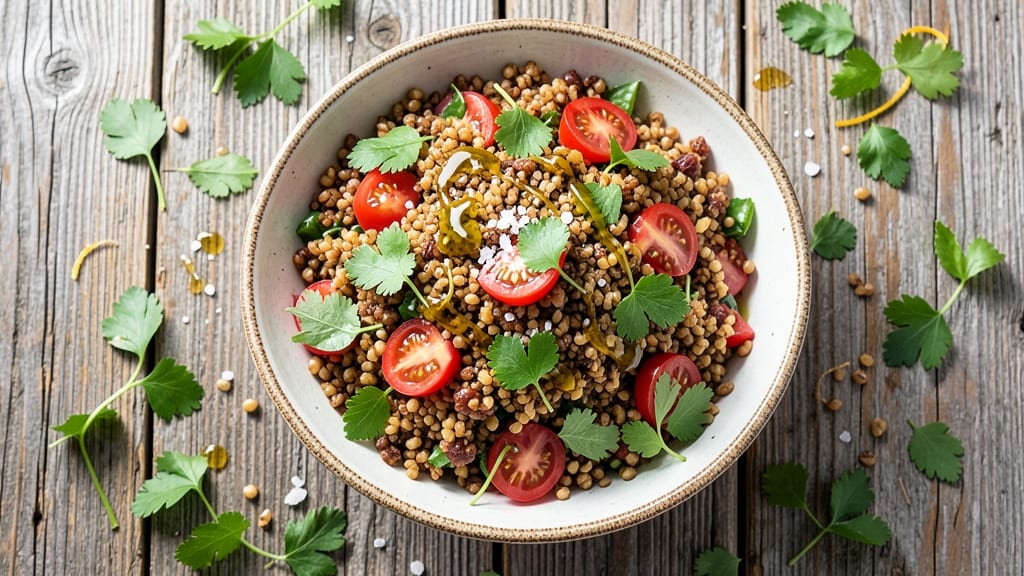
This vegan tabbouleh salad delivers all the bright herbaceousness of the classic Lebanese dish—crisp bulgur, zesty lemon, and fresh parsley—without a single animal product. The secret lies in soaking bulgur properly and balancing the lemon-to-water ratio for that signature tangy crunch.
I’ve perfected this version over years of testing, ensuring it stays vibrant and flavorful even after resting.
What sets this recipe apart is the authentic texture: bulgur that’s neither mushy nor dry, parsley chopped fine enough to release its oils, and a dressing that clings to every grain.
Unlike traditional tabbouleh, this version uses aquafaba (chickpea brine) instead of yogurt, creating a creamy, tangy base that mimics the original while keeping it fully plant-based. The result? A salad that’s as satisfying as it is refreshing.
By the time you’re done, you’ll have a bowl packed with bright green parsley, toasted bulgur, and a dressing so balanced it’s hard to believe it’s vegan.
The lemon brightens every bite, while the parsley’s freshness cuts through the richness—perfect for summer picnics, meal prep, or as a side that steals the show. This isn’t just a salad; it’s a flavor experience that proves plant-based can be just as bold as the original.
Serve it with warm pita, grilled vegetables, or as a standalone dish with a sprinkle of toasted pine nuts or pomegranate seeds for extra texture. The best part? It tastes even better the next day, making it ideal for lunches or potlucks. Let’s get started—your taste buds will thank you.
Ingredients for vegan tabbouleh salad
Bright herbs, tangy lemon, and crisp bulgur make this vegan tabbouleh shine without yogurt.
| Ingredient | Amount | Notes |
|---|---|---|
| Fine Bulgur Wheat 🌾 | 1 cup | Toasted for nutty flavor |
| Fresh Parsley Leaves 🌿 | 2 cups | Chopped finely, stems removed |
| Fresh Mint Leaves 🍃 | ¼ cup | Chopped, optional but recommended |
| Lemon Juice 🍋 | ½ cup | Freshly squeezed, seeds removed |
| Extra-Virgin Olive Oil 🫒 | ½ cup | High quality, fruity variety |
| Aquafaba 🥫 | ¼ cup | Chickpea brine, unsalted |
| Red Onion 🧅 | ¼ cup | Finely diced, about 1 small |
| Cucumber 🥒 | 1 medium | Peeled, seeded, diced |
| Cherry Tomatoes 🍅 | 1 cup | Halved, seeds removed |
| Salt 🧂 | 1 ½ tsp | Fine sea salt, adjust to taste |
| Black Pepper 🌶️ | ½ tsp | Freshly ground |
| Ground Cumin 🌿 | ½ tsp | Toasted for depth |
The bulgur is the backbone here—look for fine bulgur wheat at Middle Eastern markets or the international aisle. Bob's Red Mill is my go-to brand, but any toasted bulgur works. Toast it yourself in a dry pan for 2-3 minutes to deepen the flavor, or buy pre-toasted. Fresh parsley is non-negotiable; the bright green leaves should be crisp with no browning. If you're short on parsley, mint bridges the flavor gap beautifully—just use half the amount. For the aquafaba, save the brine from a can of chickpeas (like Great Northern or chickpeas from Trader Joe's)—it's the secret to that creamy, tangy dressing.
No aquafaba? Silken tofu blended with lemon juice works in a pinch, though it's thicker. Skip the mint? Extra basil or cilantro adds a different but equally fresh note. The cucumber and tomatoes should be crisp—English cucumbers or Persian cucumbers stay crunchy longer. If you can't find cherry tomatoes, regular tomatoes work but remove all seeds and juice. The lemon juice is key: use freshly squeezed, not bottled. For the olive oil, a fruity, peppery variety like California extra-virgin adds the best flavor. And if you're worried about the bulgur getting soggy, soak it in cold water for 20 minutes, then drain well before mixing.
This salad keeps beautifully—3-4 days in the fridge, sealed tightly. The flavors actually deepen overnight, making it perfect for meal prep. To keep it crisp, store the dressing separately and toss just before serving. For extra texture, toast pine nuts or pumpkin seeds in a dry pan and sprinkle on top right before eating. If you make a big batch, freeze half in portions—it thaws perfectly and tastes just as fresh. Serve it with warm pita or as a side to grilled veggies for a complete meal.
Why You'll Love This Recipe
- No-Chop Shortcut: I swear by soaking the bulgur ahead—just 15 minutes in hot water, then let it sit. No rinsing, no fuss, and it’s ready when I am. The parsley and mint? I pulse them in the food processor for 10 seconds—just enough to brighten the dish without turning it into pesto.
- Bright & Tangy: That lemon juice and olive oil combo? It’s the secret weapon. The bright citrus cuts through the earthy bulgur while the mint keeps it fresh, almost like a refreshing breeze in every bite. Honestly, it’s the kind of flavor that makes you want to eat it straight from the bowl.
- Meal Prep MVP: This salad keeps like a champ—taste stays crisp for days if you store it in the fridge. Pack it for lunches, serve it at picnics, or use it as a side for grilled veggies. I’ve even used it as a base for Buddha bowls when I’m short on time.
- Budget Brightener: Bulgur is dirt cheap, and herbs last longer than you’d think if you store them right. A little lemon and olive oil stretch far, making this one of my go-to dishes when I’m watching my wallet. Plus, it’s a great way to use up wilted herbs before they go bad.
Step-by-step instructions for vegan tabbouleh salad
Here's how to create a vibrant, protein-rich vegan tabbouleh that's just as satisfying as the classic.
Toast the Bulgur Wheat for Nutty Depth
Rinse the 1 cup fine bulgur wheat under cold water until the water runs clear. This removes any bitterness and ensures it cooks evenly. Transfer the drained bulgur to a small saucepan and toast it over medium heat for 3-4 minutes, stirring constantly. You'll notice the bulgur turning a deeper golden color and releasing a nutty aroma—that's your signal it's ready.
Here's the thing—proper toasting is crucial. If you skip this step, your tabbouleh will taste flat. Once toasted, remove the pan from heat and immediately add 1 cup hot water. Cover and let it sit for 15 minutes off the heat. The bulgur should absorb all the water and become tender but still hold its shape. If any water remains, drain it using a fine-mesh strainer.
Prepare the Herb and Vegetable Mixture
While the bulgur cooks, finely chop the 2 cups fresh parsley leaves and 0.25 cup fresh mint leaves, removing any tough stems. I like to use a sharp chef's knife and work in batches for even chopping. The herbs should be small enough to eat with a fork but not so fine they turn to mush.
Finely dice the 0.25 cup red onion and peel, seed, and dice the 1 medium cucumber into small, even pieces. Halve the 1 cup cherry tomatoes and remove the seeds. For the best texture, I recommend using a mandoline for the cucumber if you have one—it gives you perfectly uniform pieces that hold up well in the salad. Place all chopped ingredients in a large mixing bowl.
Whisk Together the Dressing Components
In a separate bowl, whisk together the 0.5 cup lemon juice, 0.5 cup extra-virgin olive oil, 0.25 cup aquafaba, 1.5 tsp salt, 0.5 tsp black pepper, and 0.5 tsp ground cumin. The aquafaba acts as a natural binder, replacing eggs in this vegan version. Whisk vigorously for about 1 minute until the mixture becomes slightly thickened and emulsified—this creates a creamy dressing that clings beautifully to the bulgur and vegetables.
Here's where it gets fun—the cumin adds a warm, earthy note that complements the bright herbs perfectly. Taste the dressing before adding it to the salad. You might want to adjust the salt or lemon juice slightly based on your preference. The dressing should be tangy but not overpowering.
Combine All Ingredients for Maximum Flavor
Add the cooked bulgur wheat to the bowl with chopped herbs and vegetables. Pour the dressing over everything and gently fold with a large spoon or your hands. Be careful not to overmix—you want to distribute the dressing evenly while keeping the ingredients distinct. The salad should look vibrant with bright green herbs and colorful vegetables.
Let the tabbouleh sit at room temperature for 10-15 minutes before serving. This resting time allows all the flavors to meld together beautifully. The bulgur will absorb some of the dressing, and the herbs will release their essential oils, creating an even more aromatic salad. If you're serving it outdoors or at a picnic, this resting time also helps keep the salad cooler.
Chill and Serve for Perfect Texture
Transfer the tabbouleh to a serving bowl and refrigerate for at least 30 minutes before serving. Chilling enhances the flavors and gives the bulgur time to fully absorb the dressing, resulting in a salad that's perfectly balanced—neither too wet nor too dry. When ready to serve, give it one final gentle toss to distribute everything evenly.
This vegan tabbouleh serves 4 generously, making it perfect for meal prep or potlucks. The aquafaba binding ensures it holds together beautifully, while the toasted bulgur provides that satisfying chewiness that makes traditional tabbouleh so special. Serve it with warm pita bread or as a side dish for grilled vegetables or proteins.
Pro Tips For Making Vegan Tabbouleh Salad
- USE BOILING WATER FOR BULGUR: I learned this the hard way—cold or lukewarm water turns bulgur into mush. Toss fine bulgur into a pot of actively boiling water, cover, and remove from heat immediately. The residual steam finishes cooking it perfectly in 10 minutes, not 30.
- STACK HERBS DRY: Fresh parsley and mint wilt fast, but you can prep them ahead. Pat the leaves thoroughly dry with paper towels, then stack them in a single layer on a clean towel. Fold the towel and press gently—this keeps them crisp for hours, not minutes.
- LEMON JUICE NEEDS TIME: Don’t toss in the lemon juice right after cooking. Let the bulgur cool slightly first, then mix it in gradually while stirring. This prevents the bulgur from turning mushy and lets the acid brighten the flavors without breaking down the texture.
- SALT THE BULGUR WATER: Yes, even for bulgur. Add 1 teaspoon of salt to the boiling water—it enhances the wheat’s nutty flavor and prevents blandness. Skip this, and your tabbouleh will taste like it’s missing something, no matter how much lemon or oil you add.
Common mistakes when making perfect results
Over-Soaking Bulgur
I’ve seen so many tabbouleh recipes where the bulgur gets drowned in water, resulting in a mushy, sad salad. The key is using 1 cup water for 1 cup bulgur and soaking for exactly 15 minutes off the heat.
If you soak it too long or add extra water, the bulgur will turn into a paste. Always drain it thoroughly in a fine-mesh strainer before mixing—no exceptions! 🌾
Skipping the Toast
Toasting the bulgur is what gives vegan tabbouleh its depth—it’s non-negotiable. If you skip this step, your salad will taste flat and grainy. Toast over medium heat for 3-4 minutes until nutty and fragrant.
I’ve tried pre-toasted bulgur, but toasting fresh makes all the difference. Pro tip: Use a nonstick pan to prevent burning.
Using Bottled Lemon Juice
Freshly squeezed lemon juice is the soul of tabbouleh. Bottled juice lacks the brightness and complexity of real lemons. The acidity needs to be vibrant, not artificial.
If you’re short on time, use Pomelo or Meyer lemons—they’re sweeter and add a lovely floral note. Always strain out seeds to avoid bitterness. 🍋
Chopping Herbs Too Fine
When herbs are chopped into a paste, they lose their texture and flavor. Aim for small, even pieces—small enough to eat with a fork but still recognizable. I like to stack parsley leaves and chop in batches.
For mint, tear the leaves rather than chopping to preserve their delicate flavor. The goal is freshness, not a green slurry.
Not Resting the Salad
Rushing to serve tabbouleh right after mixing is a mistake. Letting it rest for 10-15 minutes at room temperature allows the flavors to meld and the bulgur to absorb the dressing.
If you skip this, the salad will taste disjointed. For extra depth, chill it for 30 minutes before serving—this is when the magic happens! ⏳
Ignoring the Aquafaba
The aquafaba is the secret to a creamy, cohesive vegan tabbouleh. If you skip it or use a poor substitute (like plain water), the dressing will separate and the salad will fall apart.
Use unsalted aquafaba from a can of chickpeas—Great Northern or Trader Joe’s brands work best. Whisk it vigorously to emulsify for that perfect tangy creaminess. No shortcuts here!
Nutrition facts
Frequently asked questions
Can I make vegan tabbouleh without aquafaba?
Yes, but the texture will differ. Use 0.25 cup silken tofu blended with 1 tablespoon lemon juice as a substitute—it creates a thicker, slightly creamier base. For a lighter option, try 1 tablespoon tahini mixed with 2 tablespoons water, but whisk vigorously to avoid separation. The aquafaba gives the signature tangy cohesion that's hard to replicate!
How do I keep vegan tabbouleh from getting soggy?
Store the dressing separately and mix it in right before serving. The bulgur absorbs moisture over time, so keep it in an airtight container with a paper towel pressed on top. For meal prep, assemble the salad without the dressing, then add it just before eating. Chill for 30 minutes before serving to let flavors meld without sogginess.
What herbs can I substitute if I don't have parsley?
Use 1 cup cilantro or basil as a 1:1 swap, but adjust the lemon ratio—cilantro needs slightly more acid (0.6 cup lemon juice) while basil pairs well with 0.4 cup lemon juice. For a Mediterranean twist, try dill (use 0.5 cup lemon juice and reduce mint to 0.1 cup). The key is balancing the herb's natural oils with acidity.
Can I make this gluten-free?
Swap bulgur for 1 cup cooked quinoa or millet (use a 1:1 ratio). For texture, add 0.5 cup toasted gluten-free breadcrumbs or crushed gluten-free crackers. The salad will have a nuttier base but still hold together beautifully. Just ensure all other ingredients (like aquafaba) are certified gluten-free.
How long can I store vegan tabbouleh?
Store in an airtight container for up to 4 days in the fridge. The flavors actually improve overnight! For longer storage, freeze the dressing separately and keep the herbs/bulgur mix in a sealed bag for up to 3 months. Thaw overnight in the fridge and mix with fresh dressing. The bulgur stays firm when frozen properly.