
Sauces & Condiments
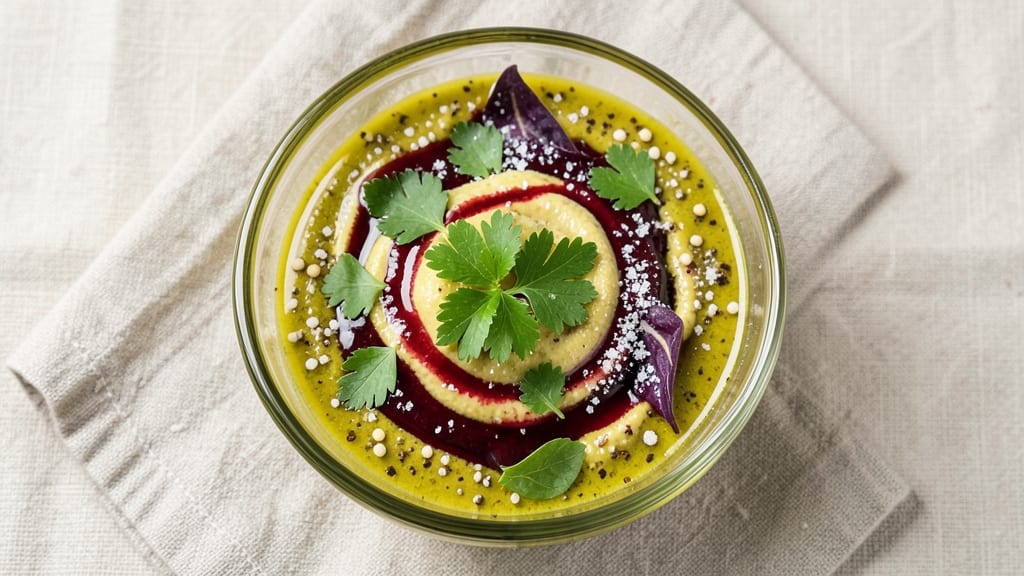
A recipe for salad dressing calls for 3 tablespoons of olive oil—not just any oil, but the good stuff that carries bold flavors effortlessly. This is where the magic happens: a perfectly balanced dressing that transforms simple greens into a vibrant, restaurant-worthy dish.
The key lies in the ratio of oil to acid, where that 3 tablespoons becomes the foundation for depth without overpowering the salad's natural freshness.
The beauty of this dressing is its simplicity—just five ingredients, yet layers of flavor. A splash of red wine vinegar brightens the palette, while Dijon mustard adds a subtle tang that emulsifies the mixture.
Fresh herbs like parsley or basil contribute an aromatic finish, ensuring every bite feels fresh and vibrant. What sets this apart is how those 3 tablespoons of oil create a silky texture that clings to greens without making them soggy.
What you’ll achieve is a dressing that’s bold yet refined, with a perfect harmony of acidity, richness, and freshness. It’s the kind of dressing that elevates even the most basic salad into something special—crisp, bright, and impossible to resist.
The best part? It comes together in just 5 minutes, making it ideal for quick lunches or last-minute dinners.
Use it on mixed greens, grain bowls, or even as a marinade for grilled chicken. The versatility of this dressing means it’s always ready to transform your next meal. Let’s get started!
Ingredients for a recipe for salad dressing calls for 3 tablespoons
Five ingredients, three tablespoons of olive oil—this is where restaurant-quality dressing begins.
| Ingredient | Amount | Notes |
|---|---|---|
| Extra-Virgin Olive Oil 🫒 | 3 tbsp | High-quality, fruity variety preferred |
| Red Wine Vinegar 🍷 | 2 tbsp | Dry, bold variety for best flavor |
| Dijon Mustard 🍯 | 1 tbsp | Mild or strong depending on preference |
| Fresh Parsley Leaves 🌿 | ¼ cup | Chopped finely for aromatic finish |
| Fresh Basil Leaves 🌿 | ¼ cup | Chopped for herbal brightness |
| Granulated Sugar 🍚 | ½ tsp | Balances acidity and sweetness |
| Sea Salt 🧂 | ¼ tsp | Fine grain preferred for dissolving |
The olive oil is non-negotiable here. Look for extra-virgin with a fruity aroma—California or Italian varieties from Whole Foods or Trader Joe's are my go-tos. The vinegar should be dry and bold (no sweet balsamic), and Bartles & Jaymes or Annie's are solid choices. Fresh herbs are ideal, but if you're using dried, cut the amount to one-quarter the fresh measurement. The sugar and salt work together to balance the acidity, so don't skip either—even a pinch makes a difference.
No red wine vinegar? Apple cider vinegar or white wine vinegar work in a pinch, though the flavor will shift slightly. Substituting mustard? Whole-grain mustard adds texture, but Dijon keeps it smooth. Out of fresh herbs? Dried parsley or basil at one-quarter the amount will do, but fresh is always better. For a sweeter dressing, add an extra pinch of honey or maple syrup. If you prefer a tangier kick, increase the vinegar by half a teaspoon—just remember to adjust the sugar and salt to maintain balance.
This dressing keeps beautifully in an airtight jar in the fridge for up to 2 weeks. Shake well before each use, as the oil will naturally separate. For longer storage, freeze in ice cube trays—thaw and shake when ready to use. The herbs will wilt slightly after a few days, but the flavor remains vibrant. If the dressing seems too thick after refrigeration, add a splash of water or vinegar to loosen it back up.
Why You'll Love This Recipe
- No-Measuring-Madness Needed: I swear by this ratio—just eyeball it. Three tablespoons of olive oil, a splash of vinegar, a pinch of mustard, and a handful of herbs. No scale, no stress, no second-guessing. (Yes, even when I’m mid-conversation with my sister on the phone.)
- Herb-Packed Punch: That basil and parsley? They’re the secret weapon. The mustard adds a little tang, the vinegar cuts through the richness, and the olive oil ties it all together like a hug from a Mediterranean grandma. Honestly, it’s the kind of dressing that makes me pause mid-bite.
- Weeknight Workhorse: Drizzle it on greens for lunch, toss it with roasted veggies for dinner, or use it to wake up a simple charcuterie board. It’s my go-to for when I’m too tired to think but still want flavor. (Between us, I’ve even used it to jazz up plain yogurt for a 5-minute dip.)
- Pantry Goldmine: This recipe costs me pennies but feels like a fancy restaurant. The olive oil and vinegar last forever, the mustard is a staple, and herbs? A single bunch stretches across three batches. Plus, leftovers? Just store them in the fridge—no fancy jars needed.
Step-by-step instructions for crafting a bold herbal vinaigrette
This simple method delivers restaurant-quality dressing with perfect balance every time.
Whisk Together the Base Ingredients
In a medium bowl, combine the 3 tablespoons extra-virgin olive oil, 2 tablespoons red wine vinegar, and 1 tablespoon Dijon mustard. Use a whisk or fork to blend vigorously for about 30 seconds until the mixture begins to emulsify slightly. The mustard acts as an emulsifier, helping to bind the oil and vinegar for a smooth, stable dressing.
I like to use a glass bowl for this step—it lets me check the color as I mix. The dressing should start looking homogenous with no visible streaks of oil floating on top. If you notice separation at this stage, don't worry—we'll fix that in the next step. The key here is to work quickly to prevent the vinegar from overpowering the oil.
Incorporate the Herbs and Seasonings
Add the ½ teaspoon granulated sugar and ¼ teaspoon sea salt to the oil-vinegar mixture. These ingredients work together to balance the acidity of the vinegar and enhance the overall flavor profile. The sugar also helps to slightly mellow the sharpness of the herbs we're about to add.
Next, fold in the ¼ cup chopped fresh parsley leaves and ¼ cup chopped fresh basil leaves using a rubber spatula. The herbs should be finely chopped—this ensures they distribute evenly throughout the dressing without creating texture inconsistencies. Give everything a final stir to make sure the herbs are fully incorporated. You'll notice the dressing becomes more vibrant in color and develops a fresh, aromatic scent.
Emulsify for a Silky Texture
Transfer the dressing to a clean jar with a tight-fitting lid. Seal the jar and shake vigorously for about 10-15 seconds until the dressing becomes completely smooth and emulsified. The shaking helps break down any remaining oil streaks and creates that signature silky texture we want in a quality vinaigrette.
Here's where it gets important: Let the dressing rest for 5 minutes before using. This allows the flavors to meld together completely. You'll notice the dressing might separate slightly during this resting period—that's completely normal. Just give it another quick shake right before using to restore that perfect emulsion.
Adjust and Serve
Taste the dressing immediately after shaking. At this point, you might find it needs a bit more balance. If it tastes too acidic, add another ½ teaspoon of sugar. If it needs more depth, add a small pinch of salt. The dressing should be bright, herby, and perfectly balanced—not too sweet, not too sour, and not too salty.
For best results, store any unused dressing in the refrigerator for up to 5 days. Before using, shake well to restore the emulsion. This dressing works beautifully on mixed greens, grain salads, or as a marinade for grilled vegetables. The fresh herbs will keep it vibrant and flavorful longer than store-bought versions.
Pro Tips For Making A Recipe For Salad Dressing Calls For 3 Tablespoons
- STIR BEFORE MEASURING: The mustard and vinegar won’t mix themselves—give that jar of Dijon a good shake first, then whisk the dressing vigorously for 30 seconds. I learned this the hard way when my first batch looked like oil-and-vinegar soup. A fork works, but a small whisk cuts the effort in half.
- CHOP HERBS FINE: Stack parsley and basil leaves, roll them tight, and slice into matchsticks—this maximizes flavor without turning your dressing into a garnish. I used to toss in whole leaves, and they’d just float like decorative paperweights. (Yes, even if you’re impatient like me.)
- SALT THE VINEGAR: Add a pinch of flaky salt to the vinegar before mixing—it rounds out the sharpness and balances the mustard. I was skeptical until I tried it; now I can’t imagine skipping it. Think of it as insurance against a dressing that tastes like it needs more oil.
- USE COLD OIL: Let the olive oil sit out for 10 minutes if it’s straight from the fridge—room temperature oil emulsifies better. I used to pour it straight from the bottle, and the dressing would break after 10 minutes. (Your future self will thank you for this tiny wait.)
Essential equipment for perfect results
Whisk Essentials
Your whisk is the most critical tool for this dressing—I recommend a French-style whisk with fine tines for maximum emulsification. The OXO Good Grips Balloon Whisk is my go-to because it’s lightweight yet sturdy, with a comfortable handle for vigorous mixing.
For smaller batches, a fork works in a pinch, though you’ll need to whisk more vigorously to achieve the same smooth texture. 💫
Glass Jars for Storage
Store your dressing in amber or cobalt glass jars to protect it from light, which can degrade the quality of olive oil over time. I love Le Parfait 16-ounce jars—they’re airtight, stackable, and perfect for keeping dressings fresh in the fridge.
Avoid clear plastic containers, as they allow light to seep in and can make the dressing taste stale faster.
Measuring Tools
Precision matters when measuring 3 tablespoons of olive oil—use a stainless steel measuring spoon for accuracy. The OXO Good Grips Measuring Spoons are my favorite because they’re durable and easy to read.
For vinegar and mustard, a liquid measuring cup ensures you get the exact 2 tablespoons of vinegar without spills. A small glass measuring cup also works well for combining ingredients before whisking.
Herb Choppers
Finely chopped herbs make all the difference in texture and flavor. A microplane or herb grater is ideal for quick, even chopping of ¼ cup parsley and basil. If you don’t have one, a sharp chef’s knife and cutting board work—just
Shake It Up
For that perfect emulsion, you’ll need a tight-sealing jar with a lid. The Ball Mason jars are my top pick—they’re sturdy, reusable, and create an airtight seal to keep dressings fresh. Shake vigorously for 10-15 seconds to break up any oil separation. If you’re short on time, a small cocktail shaker works just as well for quick mixing. The goal is to achieve a silky, uniform texture without any streaks.
Nutrition facts
Frequently asked questions
Why does this dressing use 3 tablespoons of olive oil instead of less?
The 3 tablespoons of olive oil create the perfect balance between richness and lightness. This amount ensures the dressing clings beautifully to greens without making them soggy while carrying the herby flavors. Too little oil would make the dressing too thin and unstable.
Can I substitute olive oil with another type of oil?
While extra-virgin olive oil is ideal, you can use avocado oil or light olive oil for a neutral flavor. Avoid heavy oils like peanut oil—they'll overpower the delicate herbs. If using a different oil, start with 2 tablespoons and adjust to taste.
What if my dressing separates after making it?
Separation is normal! Simply shake the jar vigorously for 10-15 seconds before using. The mustard acts as a natural emulsifier, but sometimes the oil needs a little help. For extra stability, add ½ teaspoon of honey or corn syrup to help bind the ingredients.
How do I adjust this dressing for spicy salads?
Add ½ teaspoon of hot sauce or ¼ teaspoon of red pepper flakes to the finished dressing. For smoky depth, stir in ½ teaspoon of smoked paprika. Always taste first—you can adjust the heat level to your preference before serving.
Will this dressing work on non-leafy salads like grain bowls?
This dressing works beautifully on quinoa bowls, roasted vegetable platters, or even grilled chicken. The herbs add freshness while the oil helps the dressing cling to heartier ingredients. For extra grip, lightly toss your base ingredients with 1 teaspoon of cornstarch before adding the dressing.