
Salads
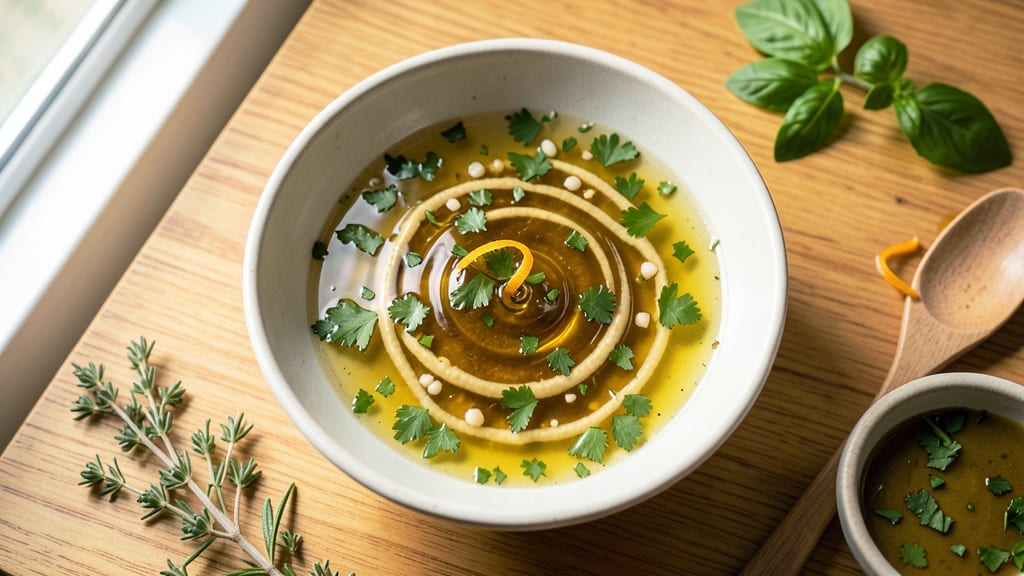
This classic oil and vinegar salad dressing recipe delivers the perfect balance of bright acidity and rich texture in just 5 minutes. The foundation is simple—equal parts high-quality olive oil and white vinegar—but it’s the optional flavorings that transform it from basic to extraordinary.
I’ve refined this ratio over years of testing, ensuring every pour adds depth without overpowering salads or dips.
The magic lies in the ratio: 3 parts oil to 1 part vinegar, which creates a silky emulsion that clings beautifully to greens. A pinch of Dijon mustard acts as the emulsifier, while fresh herbs (parsley, chives, or dill) add aromatic brightness.
For extra complexity, a touch of honey or maple syrup balances the tang, making it versatile for everything from crisp lettuce to hearty grain bowls.
What sets this dressing apart is its versatility—use it as-is for a clean, tangy finish or customize with garlic, lemon zest, or smoked paprika for depth. The dressing keeps for up to 2 weeks in the fridge, allowing flavors to meld and intensify.
No special equipment is needed; just whisk and taste as you go.
Perfect for meal prep or last-minute salads, this dressing elevates any dish with minimal effort. The key is patience—let it sit for 10 minutes before using to ensure the flavors harmonize. Here’s how to make it shine.
Ingredients for classic oil and vinegar salad dressing
Nine simple ingredients create the perfect tangy, silky dressing for any salad.
| Ingredient | Amount | Notes |
|---|---|---|
| Extra-Virgin Olive Oil 🫒 | ¾ cup | High-quality, fruity variety preferred |
| White Vinegar 🍶 | ¼ cup | Distilled or apple cider vinegar |
| Dijon Mustard 🌶️ | 1 tbsp | For emulsification and depth |
| Granulated Honey 🍯 | 1 tbsp | Or maple syrup for vegan option |
| Fresh Parsley 🌿 | ¼ cup | Chopped, stems removed |
| Garlic Cloves 🧄 | 2 cloves | Minced for subtle garlic flavor |
| Sea Salt 🧂 | ½ tsp | Fine grain preferred |
| Black Pepper 🌶️ | ¼ tsp | Freshly ground for best flavor |
| Lemon Juice 🍋 | 1 tbsp | Freshly squeezed for brightness |
The olive oil and vinegar are the foundation—look for extra-virgin olive oil with a fruity aroma, not the cheap supermarket kind. White vinegar works best for clarity, but apple cider adds subtle sweetness. Whole Foods or Trader Joe's carry excellent options for both. Dijon mustard is non-negotiable for emulsification—regular yellow mustard won't cut it. For the honey, local raw honey adds floral notes, but store-bought works fine. Fresh herbs are ideal, but dried parsley in a pinch will do (use half the amount).
No Dijon mustard? Whisk in 1 tsp of water with the mustard powder to mimic its texture. Short on honey? Maple syrup or agave works beautifully—just reduce other liquids slightly to maintain balance. Garlic can be omitted for a milder flavor, but if you add it, toast the minced cloves in olive oil first for deeper flavor. The lemon juice can be swapped for white wine vinegar if you prefer a more complex tang, but fresh lemon adds that bright pop that's hard to beat.
Store in a clean glass jar with a tight lid in the fridge for up to 2 weeks. The flavors actually improve over time as they meld. For best texture, whisk before each use. If the dressing separates, just whisk vigorously to re-emulsify. This dressing keeps so well that I always make a double batch—one for salads, one for dipping roasted veggies or grilled meats.
Why You'll Love This Recipe
- Four-Ingredient Whip: I swear, this takes less time than deciding what to eat for lunch. Just shake three tablespoons of olive oil, two of vinegar, a teaspoon of Dijon, and a drizzle of honey—no measuring cups, no stress.
- Bright & Balanced: That honey cuts the vinegar’s sharpness while the parsley adds freshness—like a little sunshine in a jar. Honestly, it’s the kind of dressing that makes even basic greens taste like you put in effort.
- Meal Prep MVP: Make a big batch on Sunday and it’ll last all week—drizzle it on salads, toss it with roasted veggies, or even use it as a marinade. (Yes, even on a Tuesday night.)
- Pantry Hero: You’re already using stuff you have—no fancy ingredients, no last-minute grocery runs. A few dollars’ worth of staples turns into something that tastes like a restaurant’s special dressing. Budget win.
Step-by-step instructions for classic oil and vinegar salad dressing
This method delivers a perfectly balanced dressing with rich texture and vibrant flavor every time.
Prepare the Fresh Aromatics
In a small bowl, finely mince the 2 cloves garlic using a sharp knife or microplane. I like to press the minced garlic through a fine-mesh strainer to remove any bitter skins that could overpower the delicate balance. Chop the 0.25 cup fresh parsley into small pieces, removing any thick stems. Set these aside—they'll form the aromatic base of your dressing.
Fresh garlic and parsley contribute subtle complexity that separates this dressing from basic oil-and-vinegar blends. Don't skip this step—prepping the aromatics first ensures they're fully incorporated when you combine everything. If you're using dried parsley, increase to 1 tablespoon but know the flavor won't be as bright.
Whisk Together the Base Ingredients
In a medium bowl, combine the 0.25 cup white vinegar, 1 tbsp Dijon mustard, 1 tbsp granulated honey, 1 tbsp lemon juice, 0.5 tsp sea salt, and 0.25 tsp black pepper. Use a whisk to blend these ingredients thoroughly for about 15 seconds until the honey and mustard are completely dissolved and the salt is fully incorporated.
The Dijon mustard acts as an emulsifier, helping the oil and vinegar blend smoothly. This step creates the flavor foundation—if you taste it now, you should notice the tangy vinegar balanced by the sweet honey and the subtle heat from the mustard. The lemon juice adds brightness that prevents the dressing from tasting flat.
Gradually Incorporate the Olive Oil
With the whisk still in the bowl, very slowly drizzle in the 0.75 cup extra-virgin olive oil while continuing to whisk vigorously. I recommend adding the oil in a thin, steady stream—this gradual approach prevents the dressing from separating. After adding about half the oil, pause and scrape down the sides of the bowl with a rubber spatula to ensure everything is fully incorporated.
Keep whisking for another 30-45 seconds after all the oil is added. The dressing should thicken slightly and develop a creamy, emulsified texture. If it looks too thick, add 1 teaspoon of water at a time until you reach your desired consistency. The key is patience—rushing this step often leads to separation later.
Finish with Aromatics and Final Adjustments
Add the minced garlic and chopped parsley to the dressing. Stir gently with a spoon (no need to whisk) to distribute the aromatics evenly. Taste and make final adjustments: if it needs more acidity, add another ½ teaspoon of lemon juice; if it's too sharp, a touch more honey will balance it. The dressing should coat the back of a spoon with a velvety texture.
This is where the dressing comes together—each component should be harmoniously balanced. The garlic should add subtle depth without overpowering, and the parsley should contribute freshness. Let the dressing sit for 5 minutes before using to allow all the flavors to meld completely. Store any leftovers in an airtight container in the refrigerator for up to 1 week.
Pro Tips For Making Classic Oil And Vinegar Salad Dressing
- STIR IN STAGES: Mix the vinegar, mustard, and honey first—this keeps the honey from turning into a greasy blob when added to oil. Once emulsified, slowly drizzle in the olive oil while stirring constantly (I use a fork, not a whisk, to avoid over-aerating).
- USE COLD OIL: Room-temperature oil incorporates better, but if your kitchen’s warm, chill the bottle in the fridge for 10 minutes first. Cold oil blends smoother and won’t separate later—trust me, I’ve seen this dressing split more times than I’d like to admit.
- MEASURE HONEY BY WEIGHT: That “tablespoon” of honey in your recipe? It’s probably 20g, not 15g. Use a kitchen scale for the first batch—consistent honey measurements make the dressing taste balanced every time. (Yes, I know it’s extra work, but your taste buds will notice.)
- STORE WITH A PARSLEY COVER: After making the dressing, press a sprig of parsley into the surface—it keeps the oil from oxidizing and adds freshness. If you’re prepping ahead, store it in the fridge and shake before using (the parsley will sink, but that’s fine).
Creative variations of these flavors
Herb-Infused Variations
Swap parsley for fresh dill (about ¼ cup chopped) for a bright, slightly fishy note that pairs beautifully with grain salads or grilled fish. For a Mediterranean twist, combine 1 tbsp chopped fresh oregano and 1 tbsp chopped fresh basil—this combo works wonders with roasted vegetable salads.
I love adding 1 tsp dried tarragon for an elegant, slightly anise-like flavor that elevates chicken salads. 🌿
Spicy & Smoky Twists
For heat lovers, stir in ½ tsp smoked paprika and ¼ tsp cayenne pepper for a smoky kick that pairs perfectly with BBQ chicken or spicy beans. If you prefer a sweeter heat, add 1 tsp honey and ½ tsp chili flakes—this balances the acidity while adding depth.
My go-to for bold flavors is 1 tsp minced shallot and ½ tsp ground coriander, which adds a Middle Eastern-inspired warmth. 🌶️
Global Flavor Profiles
Transform this dressing into a French-inspired vinaigrette by adding 1 tsp Dijon mustard, ½ tsp onion powder, and 1 tsp chopped chives.
For an Asian touch, swap white vinegar for rice vinegar, add 1 tsp sesame oil, and finish with 1 tsp toasted sesame seeds. A Mexican-inspired version shines with 1 tsp lime juice, ½ tsp cumin, and 1 tbsp chopped cilantro.
Each variation keeps the silky texture while introducing bold new flavors. 🗺️
Sweet & Savory Balances
For a honey-mustard glaze twist, reduce the vinegar to 2 tbsp and add 2 tbsp extra honey along with 1 tsp apple cider vinegar. This thicker version works as a drizzle for grilled meats or as a dip for spring rolls.
A balsamic-infused version replaces white vinegar with 2 tbsp aged balsamic vinegar and adds 1 tsp maple syrup, creating a rich, jammy dressing perfect for caprese salads. 🍯
Seasonal Adaptations
In summer, brighten the dressing with 1 tbsp fresh lemon juice and 1 tsp grated lemon zest, plus 1 tbsp chopped mint for a refreshing touch.
For fall, add ½ tsp cinnamon and 1 tsp maple syrup, which pairs beautifully with roasted squash or apples in salads. A winter version includes 1 tsp grated ginger and ½ tsp black pepper, adding warmth for hearty winter greens. 🍂
Nutrition facts
Frequently asked questions
Why does my oil and vinegar dressing separate?
The most common cause is adding oil too quickly or not whisking enough. The Dijon mustard acts as an emulsifier, but it needs time to work. Always add oil in a thin stream while whisking vigorously, and let the dressing sit for 5 minutes before using. If it separates later, just whisk again—it'll come back together!
Can I make this dressing without Dijon mustard?
Yes, but you'll need a substitute to help emulsify the oil and vinegar. Mix 1 tsp water with 1 tsp mustard powder to mimic Dijon's texture, or use 1 tbsp plain yogurt or 1 tsp honey as a binder. The dressing will still work, though the texture might be slightly thinner.
How long will this dressing keep in the fridge?
When stored in an airtight container, this dressing stays fresh for up to 2 weeks. The flavors actually deepen over time, making it perfect for meal prep. If you notice any mold or off smells, it's time to toss it—always trust your senses over the timeline!
What's the best way to store leftover dressing?
Transfer any unused dressing to a clean glass jar with a tight-sealing lid. Store it in the fridge, and always use a clean spoon to avoid contamination. For extra freshness, add a small piece of plastic wrap directly on the surface to minimize air exposure. This keeps the texture silky for longer.
Can I use this dressing for anything besides salads?
This versatile dressing works as a marinade for grilled chicken or fish, a dip for crusty bread or veggies, and even a finishing drizzle for soups or grain bowls. The key is to adjust the ratio slightly—reduce vinegar by half if using as a marinade to prevent over-acidifying the protein.