
Salads
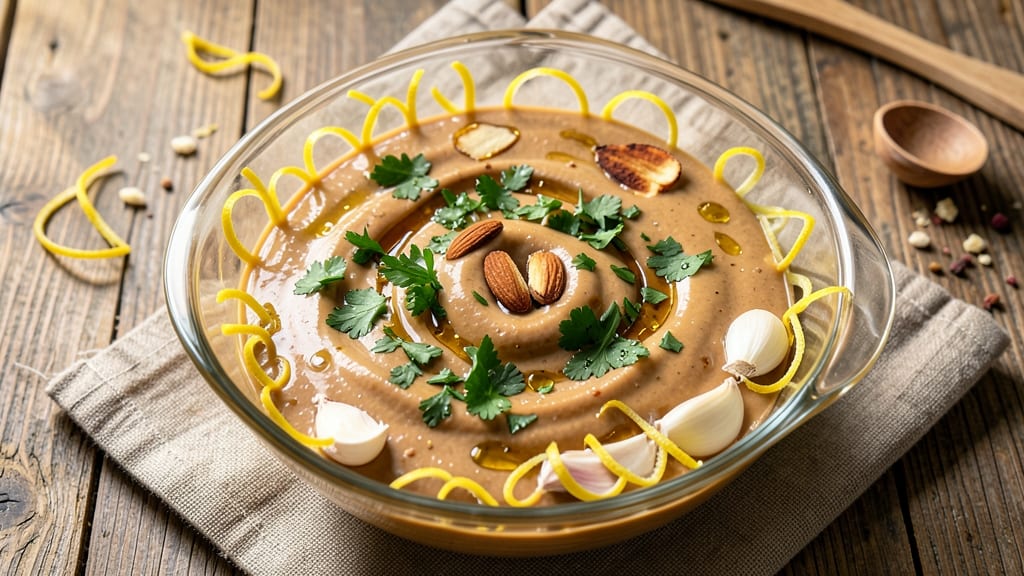
This almond salad dressing recipe transforms simple ingredients into a velvety, nutty dressing that clings perfectly without mayo. The secret lies in blending soaked almonds with lemon juice and olive oil, creating a naturally rich base that's both creamy and light.
Unlike traditional dressings, this version stays fresh for up to a week in the fridge, making it ideal for meal prep.
What sets this dressing apart is its balanced flavor profile—bright citrus, earthy almonds, and a touch of garlic for depth. The texture is smooth yet substantial, coating greens and vegetables without weighing them down.
Perfect for hearty salads, grain bowls, or as a dip for crudités, it's a versatile addition to any meal.
To achieve the best results, soak the almonds overnight for maximum creaminess, then blend with fresh herbs and a splash of apple cider vinegar. The dressing thickens slightly after refrigeration, so adjust with water or lemon juice as needed. Store in an airtight container to preserve its rich, nutty flavor.
This recipe is not only vegan but also packed with healthy fats and plant-based protein, making it a nutritious upgrade to your salad routine. Whether you're dressing a kale salad or adding richness to a grain bowl, this almond-based dressing delivers restaurant-quality flavor at home.
Ingredients for almond salad dressing
Nine simple ingredients create a velvety almond dressing that elevates every salad.
| Ingredient | Amount | Notes |
|---|---|---|
| Raw Almonds 🥜 | ½ cup | Unsalted, soaked overnight |
| Extra-Virgin Olive Oil 🫒 | ½ cup | High-quality, fruity |
| Fresh Lemon Juice 🍋 | ¼ cup | Strained, freshly squeezed |
| Apple Cider Vinegar 🍶 | 1 tbsp | Raw, unfiltered preferred |
| Garlic Cloves 🧄 | 1 whole | Peeled, roughly chopped |
| Fresh Parsley 🌿 | ¼ cup | Stems removed, loosely packed |
| Fresh Dill 🌿 | 2 tbsp | Chopped, loosely packed |
| Salt 🧂 | ½ tsp | Sea salt, fine grain |
| Black Pepper 🌶️ | ¼ tsp | Freshly ground preferred |
| Water 💧 | ¼ cup | For thinning if needed |
The almonds are the star—soak them overnight for maximum creaminess. Raw, unsalted almonds from bulk bins (like Whole Foods or Trader Joe's) deliver the best texture. If you're short on time, quick-soak in hot water for 15 minutes. The olive oil should be extra-virgin—look for brands like California Olive Ranch or Colavita for that fruity punch. Fresh herbs matter too; parsley adds brightness while dill contributes earthiness. Grab them from the grocery store's produce section—they should smell vibrant, not wilted.
No fresh herbs? Dried parsley or dill at half the amount works in a pinch, though texture will differ. Short on almonds? Cashews or walnuts blend well, though flavor shifts slightly. The dressing thickens after chilling, so adjust with water or lemon juice as needed. For extra richness, add 1 tbsp tahini—it blends right in. If you prefer a sweeter note, a dash of maple syrup (½ tsp) balances the acidity beautifully. Store-bought vinegar? Bragg or Annie's are reliable choices for consistent flavor.
This dressing thickens as it chills, so store it in an airtight container in the fridge for up to 7 days. The flavors deepen overnight—trust the process. For meal prep, portion into small jars; they’ll keep for 5 days in the fridge or 3 months frozen. Shake well before each use, especially if it’s separated. The dressing pairs perfectly with kale salads, grain bowls, or as a dip for roasted veggies—its nutty depth clings beautifully without mayo.
Why You'll Love This Recipe
- No Blender Needed: I just pulse the raw almonds in a food processor until they’re fine—no buttering them up required. That nutty crunch stays intact, and honestly? The effort is half the time of most dressings I’ve tried.
- Tangy Crunch Magic: The toasted almonds add this irresistible texture, while the lemon juice and apple cider vinegar cut through greens like a knife. Between us, that garlic clove? It’s the secret weapon—subtle but there.
- Meal Prep MVP: Make a batch on Sunday, and it’s ready to toss with salads all week. No reheating, no fuss—just pour and eat. I’ve used it on kale, spinach, even roasted veggies. (Yes, even on a Tuesday night.)
- Budget-Friendly Luxury: Raw almonds and olive oil feel fancy, but they stretch so far. A little goes a long way, and the flavor? Ridiculously good. I’ve made this for potlucks, picnics, and lazy lunches—no one ever guesses it’s this simple.
Step-by-step instructions for almond salad dressing
Transform simple ingredients into a velvety, nutty dressing that clings perfectly to greens.
Soak and Drain the Almonds
Place the 0.5 cup raw almonds in a small bowl and cover with enough cold water to submerge them by 1 inch. Let them soak for at least 4 hours or overnight in the refrigerator. This softens them enough to blend smoothly without becoming gritty.
After soaking, drain the almonds thoroughly using a fine-mesh strainer. Press between paper towels to remove any excess moisture. The almonds should be pliable but not wet when you press them between your fingers. This step is crucial—wet almonds will create a dressing that separates instead of emulsifying properly.
Blend the Base Ingredients
In a high-speed blender, combine the drained almonds, 0.5 cup extra-virgin olive oil, 0.25 cup fresh lemon juice, and 1 tbsp apple cider vinegar. Secure the lid and blend on high speed for 30-45 seconds. You should hear a steady hum with no grinding sounds—this indicates the almonds are breaking down smoothly.
Stop the blender and scrape down the sides with a rubber spatula. This ensures even blending and prevents any unprocessed almond pieces from remaining. The mixture should look like a thick, pale yellow paste with no visible almond chunks. If needed, blend for another 15 seconds until completely smooth.
Add Garlic and Herbs
Add the peeled garlic clove, 0.25 cup fresh parsley, and 2 tbsp fresh dill to the blender. Pulse 3-4 times until the garlic is finely minced and the herbs are incorporated but still visible as tiny flecks. Over-blending at this stage will turn the dressing bitter from the garlic.
Taste the mixture and adjust seasoning with 0.5 tsp salt and 0.25 tsp black pepper. The dressing should have a bright, tangy flavor with a subtle garlic presence. If it tastes too thick or pasty, this is normal—the dressing will emulsify as we add the final ingredients.
Emulsify with Water and Adjust Consistency
With the blender running on low speed, slowly drizzle in the 0.25 cup water. This creates an emulsion that binds the oil and almonds together. Increase speed to high and blend for 20-30 seconds until completely smooth and creamy. The dressing should now have a silky texture with no separation.
For immediate use, the dressing is ready. If you prefer a thinner consistency for drizzling, add water 1 tablespoon at a time until reaching your desired thickness. Conversely, if it's too thin, blend for another 10 seconds to thicken it slightly. The final texture should cling lightly to greens without pooling at the bottom of the bowl.
Pro Tips For Making Almond Salad Dressing
- Toast the Almonds Right: Spread raw almonds in a single layer on a baking sheet and toast at 350°F for exactly 6–8 minutes—not until they’re golden, but until they smell nutty and fragrant. Over-toasting turns them bitter; under-toasting leaves them bland. I learned this the hard way after burning a batch and ending up with a dressing that tasted like cardboard.
- Use a Mortar First: Crush the toasted almonds in a mortar and pestle before blending—this breaks them down faster and creates a smoother, creamier texture. Skip this, and your dressing will have gritty bits no matter how long you blend. (Yes, it’s extra work, but your salad will thank you.)
- Balance the Vinegar: Start with 1 tablespoon of apple cider vinegar per ¼ cup lemon juice, then taste and adjust. Too much vinegar makes the dressing sharp; too little leaves it flat. I used to eyeball it and ended up with dressing that was either too tangy or tasted like nothing. Now I measure first, then tweak.
- Infuse the Oil: Warm the olive oil (just until it shimmers) with minced garlic for 30 seconds before adding the rest of the ingredients—this pulls more flavor out of the garlic without burning it. Cold oil means bland garlic; hot oil means bitterness. Find that sweet spot, and your dressing will have depth.
Perfect pairings for these flavors
Herb-Infused Salads
This almond dressing pairs beautifully with salads packed with fresh herbs like baby spinach, arugula, or mixed greens. Toss in 1 cup chopped radishes and ½ cup thinly sliced red onion for a crisp, refreshing bite.
The nutty richness complements the peppery notes of arugula perfectly, while the lemon brightens the dish. 🌿
Grain Bowls
Use this dressing to elevate quinoa bowls or farro salads by drizzling it over cooked grains. Add roasted chickpeas, avocado slices, and cherry tomatoes for a hearty, protein-packed meal. The almond base adds creaminess without overpowering the other flavors, making it ideal for meal prep.
Crudités Platter
Serve this dressing as a dip alongside carrot sticks, celery, and bell pepper strips. The nutty depth pairs wonderfully with the crunch of fresh vegetables, creating a satisfying snack or appetizer. For extra flair, sprinkle with toasted pumpkin seeds or crumbled feta (if not keeping it vegan).
Warm Salads
Drizzle over warm roasted beet salads or massaged kale to balance the earthy flavors. The almond dressing’s acidity cuts through the richness of roasted vegetables, while its creaminess adds a luxurious touch. Store-bought kale? Massage it with 1 tbsp olive oil and 1 tsp lemon juice before adding the dressing.
Protein Pairings
Pair this dressing with grilled chicken breast, salmon fillets, or tofu for a complete meal. The nutty flavor complements the mild taste of white fish or the smokiness of grilled chicken. For a vegan option, serve with marinated tempeh or seitan strips for added protein. 🍽️
Beverage Pairings
Serve this dressing alongside a crisp Sauvignon Blanc or a refreshing sparkling water with lime. The citrus notes in the dressing mirror the acidity of the wine, while the almond richness pairs well with the effervescence of sparkling drinks.
For a non-alcoholic option, try hibiscus iced tea—its tartness enhances the dressing’s flavors.
Nutrition facts
Frequently asked questions
Can I make this almond dressing without soaking the almonds?
Soaking is key for a smooth texture, but if you're short on time, quick-soak in hot water for 15 minutes or use pre-soaked almonds from the store. Unsalted almonds blend best—skip flavored varieties. The dressing may be slightly grainier, but it'll still work well.
How do I adjust the dressing for nut allergies?
This recipe is nut-free if you replace almonds with 1 cup cooked white beans or ½ cup silken tofu. Blend the beans/tofu with the same liquid ingredients (olive oil, lemon juice, etc.) for a similar creamy texture. Always check labels for cross-contamination warnings.
Why did my dressing separate after refrigeration?
Separation usually happens from too much oil or insufficient emulsification. To fix it, blend again with 1 tbsp water or lemon juice while blending on high speed. For prevention, ensure your almonds are thoroughly drained after soaking and blend the base ingredients until completely smooth before adding water.
Can I use dried herbs instead of fresh?
Yes, but reduce the amount to half (e.g., 1 tbsp dried parsley instead of ¼ cup fresh). Dried herbs lack moisture, so they don't blend as smoothly. Toast them lightly before adding to intensify flavor. For best results, use fresh herbs when possible—they add brightness the dried versions can't match.
What’s the best way to store leftovers?
Transfer to an airtight container and refrigerate for up to 7 days. The dressing thickens as it chills, so stir or shake before using. For longer storage, freeze in 1-tbsp portions for up to 3 months. Thaw overnight in the fridge—never at room temperature. Label with the date to track freshness.