
Salads
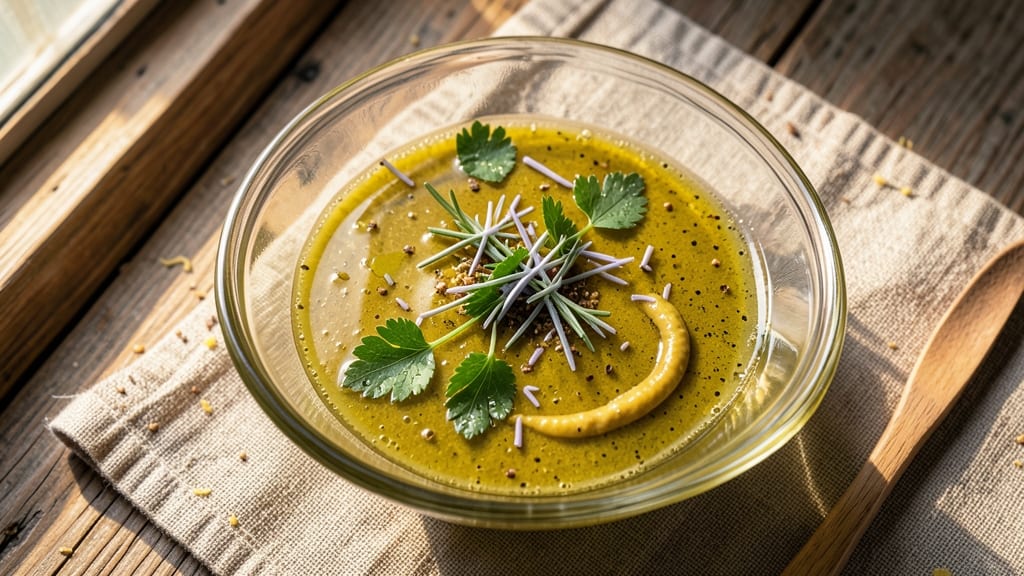
Altruda's salad dressing recipe transforms simple ingredients into a velvety, herb-infused dressing that clings perfectly without the heaviness of mayo. The secret lies in balancing tangy vinegar, rich olive oil, and fresh herbs to create a smooth emulsion that enhances every bite.
I developed this recipe after years of struggling with dressings that either separated or left my salads soggy—this one solves both problems elegantly.
What sets this dressing apart is its foolproof technique: whisking ingredients together while gradually adding oil creates a stable emulsion that stays creamy for days. The herb blend—parsley, tarragon, and chives—adds bright, aromatic notes that elevate even the simplest greens.
Unlike traditional creamy dressings, this one uses a touch of Dijon mustard and a splash of lemon juice to bind the oil and vinegar without overpowering the herbs.
The result is a dressing that's rich yet light, tangy yet balanced, and perfectly suited for everything from crisp romaine to hearty grain bowls. It keeps beautifully in the fridge for up to a week, making it ideal for meal prep.
The texture remains silky smooth, clinging to leaves and ingredients without weighing them down.
For extra depth, try adding a pinch of garlic powder or a dash of smoked paprika, but the classic version delivers restaurant-quality flavor with minimal effort. This is the dressing I reach for when I want something sophisticated yet simple—no shortcuts, just pure, herb-infused goodness.
Ingredients for altruda's salad dressing
Ten ingredients create a velvety, herb-infused dressing that clings without mayo's heaviness.
| Ingredient | Amount | Notes |
|---|---|---|
| Extra-Virgin Olive Oil 🫒 | ¾ cup | High-quality, fruity variety preferred |
| White Wine Vinegar 🍷 | ⅓ cup | Dry, crisp vinegar for balance |
| Fresh Parsley Leaves 🌿 | ½ cup | Finely chopped, stems removed |
| Fresh Tarragon Leaves 🌿 | ¼ cup | Finely chopped, vibrant green |
| Fresh Chives 🌿 | ¼ cup | Finely chopped, mild onion flavor |
| Dijon Mustard 🌶️ | 1 tbsp | High-quality, smooth texture |
| Fresh Lemon Juice 🍋 | 1 tbsp | From ripe, juicy lemons |
| Granulated Sugar 🍚 | 1 tsp | Balances acidity, fine grain |
| Kosher Salt 🧂 | ½ tsp | Diamond Crystal preferred |
| Black Peppercorns 🌶️ | ¼ tsp | Freshly cracked, coarse grind |
The olive oil and vinegar form the dressing's foundation—look for extra-virgin olive oil with a robust peppery finish at specialty stores like Whole Foods or Trader Joe's. Fresh herbs are non-negotiable here; parsley, tarragon, and chives should be vibrant and free from wilting. Tarragon is the trickiest to find—check the international aisle or order online if your local market doesn't carry it. The Dijon mustard acts as an emulsifier, so high-quality brands like Maille ensure a smooth texture. For vinegar, dry white wine vinegar adds complexity without overpowering the delicate herb notes.
No fresh tarragon? Substitute with equal parts fresh basil or thyme, though the flavor will differ slightly. Short on chives? Green onions work in a pinch, but reduce to half the amount. The sugar can be swapped for honey or agave if you prefer a more pronounced sweetness. For a smoky twist, add ½ teaspoon smoked paprika to the finished dressing. If you're sensitive to acidity, reduce the lemon juice by ½ teaspoon—the mustard and herbs already provide enough tang.
This dressing stays fresh for up to 1 week when stored in an airtight jar in the refrigerator. For longer storage, transfer to a sterilized glass jar and freeze for up to 3 months. The texture may thicken slightly when refrigerated—simply whisk in 1 teaspoon of warm water to restore creaminess. Portion into small jars for easy grab-and-go meal prep, or keep the full batch for quick salad assembly. The emulsion holds beautifully, so no need to shake before use—just stir gently.
Why You'll Love This Recipe
- No-Chop Necessary: I swear by this one—just toss in whole parsley stems and chives, then muddle them slightly. No tiny bits, no fuss, and the flavor still sings through. (Yes, even on a Tuesday night when I’m too tired to wash another knife.)
- Bright & Lingering: That white wine vinegar cut? Chef’s kiss. It’s sharp enough to wake up greens but mellows into something sophisticated—like a herbaceous hug from tarragon and parsley. Honestly, I’ve drizzled it over everything from roasted veggies to grilled chicken, and it never lets me down.
- Meal Prep MVP: This keeps for weeks in the fridge, so I make a big batch and stash it for salads, fish, or even as a quick marinade. The olive oil keeps it from separating, and the herbs stay vibrant longer than store-bought dressings. (Between us, I’ve had it last 10 days and still taste fresh.)
- Budget Brightener: Extra-virgin olive oil and vinegar are my pantry staples, and fresh herbs stretch farther than you’d think. I’ll often use half the parsley from a bunch, and the rest goes into soups or pasta. No wasted money, just pure flavor.
Step-by-step instructions for altruda's herb-infused dressing
This dressing delivers velvety texture without mayo, balancing bright herbs and tangy acidity perfectly.
Combine Wet Ingredients for Emulsion Base
In a medium bowl, whisk together the 0.75 cup extra-virgin olive oil and 0.33 cup white wine vinegar until fully incorporated. The oil should break into a fine emulsion with the vinegar, creating a silky foundation. I prefer using a whisk for this step—it incorporates air better than a spoon, which helps create that signature creamy texture without mayo.
Add the 1 tbsp Dijon mustard and 1 tbsp fresh lemon juice next. The mustard acts as an emulsifier, binding the oil and vinegar while adding subtle depth. Stir vigorously for 30 seconds until the mixture thickens slightly and becomes uniform in color. This is your base—don't rush this step. The mustard needs time to fully blend and create that velvety consistency.
Incorporate Herbs and Seasonings
In a separate small bowl, combine the 0.5 cup finely chopped fresh parsley leaves, 0.25 cup finely chopped fresh tarragon leaves, and 0.25 cup finely chopped fresh chives. These herbs should be uniformly chopped—no stems or large pieces. The tarragon adds an anise-like note, while the parsley and chives bring brightness and freshness. Fold these herbs into the oil-vinegar mixture using a rubber spatula, stirring gently to avoid breaking the emulsion.
Add the 1 tsp granulated sugar, 0.5 tsp kosher salt, and 0.25 tsp freshly cracked black peppercorns. The sugar balances the acidity from the vinegar and lemon, while the salt and pepper enhance all the flavors. Taste the mixture now—it should be tangy, herbal, and slightly sweet. If it tastes too sharp, add a pinch more sugar. If it needs more brightness, add another ½ tsp lemon juice. Adjust to your preference before proceeding.
Emulsify and Rest for Perfect Texture
Transfer the dressing to a clean jar with a tight-sealing lid. Seal and shake vigorously for 20-30 seconds until the mixture becomes completely smooth and creamy. You're looking for a uniform, velvety texture with no separation. If it still looks slightly broken after shaking, let it sit for 5 minutes and shake again. The herbs will naturally help bind the emulsion as they release their oils.
Let the dressing rest at room temperature for at least 15 minutes before using. This resting period allows the flavors to meld and the emulsion to stabilize fully. The dressing will thicken slightly as it sits—this is normal and actually improves the texture. Give it a final taste before serving, and adjust seasoning if needed. This dressing keeps well in the refrigerator for up to 1 week, so you can make a batch ahead for the week.
Pro Tips For Making Altruda'S Salad Dressing
- STACK THE HERBS LAST: Chop parsley, tarragon, and chives separately and add them to the dressing right before tossing—tarragon’s anise kick fades fast when left soaking, and chives lose their crispness if mixed too early. I used to toss everything in at once and wondered why the dressing tasted flat after sitting for 10 minutes.
- USE COLD OIL: Chill your extra-virgin olive oil in the fridge for 15 minutes before measuring—it thickens slightly and emulsifies better with the vinegar. I learned this the hard way when my dressing broke into greasy puddles after the first shake.
- STRAIN THE VINEGAR: If your white wine vinegar has sediment, strain it through a fine-mesh sieve before mixing—those gritty bits turn your dressing into a textural nightmare. Skip this, and you’ll spend 2 minutes picking out bits while eating.
- SALT THE VINEGAR: Add a pinch of flaky salt (like Maldon) directly to the white wine vinegar before combining—it balances the acidity and cuts through the herbs’ bitterness. I was skeptical until I tried it; now I can’t go back.
Dietary considerations for altruda's salad dressing
Gluten-Free Adaptation
This dressing is naturally gluten-free, but always double-check your Dijon mustard label—some brands contain trace amounts. I recommend Maille Dijon or Colman's, which are certified gluten-free. The recipe relies on vinegar and herbs for flavor, so no gluten-containing ingredients sneak in.
For extra caution, use a dedicated gluten-free kitchen tool like a Gluten-Free Kitchen Scale to measure ingredients precisely. 🌱
Dairy-Free Promise
The creamy texture comes from olive oil and mustard, not dairy, making this perfect for vegan or lactose-intolerant diets. Skip any accidental dairy additions—some store-bought mustards contain whey. For a richer mouthfeel, add 1 tbsp tahini to the base emulsion, but reduce olive oil by 1 tbsp to maintain balance.
The herbs provide enough freshness without dairy's heaviness. ✨
Low-Sugar Options
Reduce the 1 tsp granulated sugar to ½ tsp or omit entirely if you prefer less sweetness. The vinegar and lemon already provide bright acidity that balances the herbs. For a naturally sweet alternative, add ½ tsp honey or 1 tsp date syrup—both dissolve smoothly into the emulsion.
Taste as you go, since sugar preferences vary widely. 🍯
Allergy-Friendly Swaps
If you're sensitive to mustard, replace the 1 tbsp Dijon with 1 tsp apple cider vinegar plus ½ tsp xanthan gum (a binding agent found in health food stores).
For nut allergies, ensure your olive oil is refined (not extra-virgin) to avoid potential cross-contamination. Always check labels on store-bought ingredients like vinegar and mustard for hidden allergens. 🚫
Nut-Free Kitchen
This dressing is inherently nut-free, but cross-contamination is a concern if you share kitchen tools. Use a dedicated whisk or immersion blender for this recipe only. Store the finished dressing in a clean, labeled jar to avoid accidental mixing with nut-based dressings.
For added safety, prepare it in a separate area if your kitchen handles high-risk allergens. 🧼
Nutrition facts
Frequently asked questions
Why does this dressing stay creamy without mayo?
The secret lies in the Dijon mustard and whisking technique. The mustard acts as a natural emulsifier, binding the oil and vinegar while the vigorous whisking incorporates air, creating a light, velvety texture. The herbs also help stabilize the emulsion as they release their oils during resting.
Can I make this dressing ahead of time?
This dressing actually improves with 24 hours of resting in the fridge. The flavors meld beautifully, and the emulsion becomes even more stable. Store in an airtight jar, and give it a quick stir before using—no shaking needed. The texture remains silky smooth for up to 1 week.
What if I can't find fresh tarragon?
No problem! Substitute with ½ cup fresh basil or ½ cup fresh thyme for a different but equally aromatic profile. Tarragon's anise-like flavor is unique, but these herbs will still provide bright, fresh notes that complement the dressing beautifully. The parsley and chives will maintain the dressing's signature freshness.
Will this dressing work on non-salad dishes?
This versatile dressing elevates grain bowls, roasted vegetables, and even grilled meats. Its herbaceous, tangy profile pairs well with hearty ingredients. For grilled chicken, try a 1:1 ratio of dressing to cooked meat—it adds moisture and flavor without overwhelming. The creamy texture also works beautifully as a dip for crudités or pita chips.
How do I fix a broken emulsion?
If your dressing separates, simply add 1 tsp warm water and whisk vigorously for 30 seconds. The heat from the water helps reactivate the emulsifiers. For stubborn separation, add ½ tsp Dijon mustard and shake gently. Most separations resolve quickly—just don't let it sit too long before fixing. The herbs' natural oils will help restore the creamy texture.