
Salads
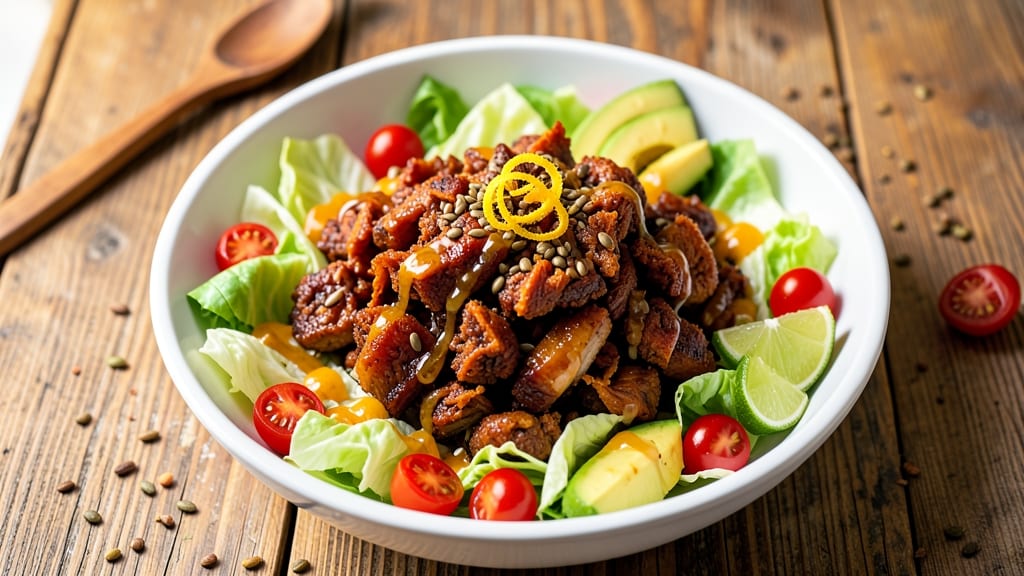
This carnitas salad recipe transforms traditional Mexican street food into a restaurant-worthy dish with crispy, tender pork bites over fresh greens and a bright lime vinaigrette.
The secret lies in slow-cooking pork shoulder in its own fat until it shreds effortlessly—creating layers of flavor that elevate a simple salad into something extraordinary.
I’ve perfected this method over years of testing, balancing authenticity with modern convenience so you get bold, smoky carnitas without spending all day in the kitchen.
The process starts with braising pork in lard or bacon fat until fork-tender, then crisping it in a skillet for that coveted texture. While the pork cooks, a zesty lime vinaigrette comes together in minutes, cutting through the richness with tangy brightness.
The salad assembly is where magic happens—crispy pork meets fresh greens, avocado, and crunchy toppings for a dish that’s hearty yet refreshing. This isn’t just a salad; it’s a complete meal with protein-packed pork as the star.
What sets this recipe apart is the crispy contrast—tender, shredded pork with perfectly seared edges that hold up against the vibrant dressing. The lime vinaigrette adds a citrusy kick that balances the pork’s richness, while toppings like radishes, cilantro, and cotija cheese bring freshness and texture.
It’s the kind of dish that feels indulgent yet light, perfect for weeknight dinners or bringing to potlucks. The best part? Leftovers taste even better the next day, as the flavors meld and the pork stays crispy.
For those short on time, an air-fryer method delivers similar results in half the time, though purists will swear by the slow-cooked version. Either way, you’ll end up with a salad that’s bold, satisfying, and impossible to resist. Let’s get started on creating your own crispy carnitas masterpiece.
Ingredients for carnitas salad
Pork shoulder, citrus, and fresh greens—this trio delivers restaurant-quality carnitas salad with crispy edges and tender bites.
| Ingredient | Amount | Notes |
|---|---|---|
| Pork Shoulder (Bone-In) 🐖 | 3 lb | Cut into 2-inch chunks, skin-on preferred |
| Lard or Bacon Fat 🧈 | ½ cup | For braising, or substitute with vegetable oil |
| White Vinegar 💧 | ¼ cup | For marinade acidity |
| Orange Juice 🍊 | ½ cup | Freshly squeezed for brightness |
| Garlic Cloves 🧄 | 6 whole | Peeled, smashed for marinade |
| Ground Cumin 🌿 | 1 tbsp | Toasted for deeper aroma |
| Dried Oregano 🍃 | 1 tbsp | Mexican oregano preferred |
| Salt 🧂 | 1 ½ tsp | Kosher or sea salt |
| Black Pepper 🌶️ | ½ tsp | Freshly cracked |
| Fresh Lime Juice 🍋 | ½ cup | Strained for vinaigrette |
| Extra-Virgin Olive Oil 🫒 | ¼ cup | For vinaigrette |
| Honey 🍯 | 1 tbsp | For vinaigrette balance |
| Romaine Lettuce 🥬 | 1 head | Chopped into bite-sized pieces |
| Avocados 🥑 | 2 whole | Pitted, sliced for serving |
| Radishes 🌱 | ½ lb | Thinly sliced for crunch |
| Fresh Cilantro 🌿 | ¼ cup | Chopped, for garnish |
| Cotija Cheese 🧀 | ½ cup | Crumbled for topping (substitute feta) |
The pork shoulder is non-negotiable here—bone-in adds flavor, and Costco or butcher shops often have the best cuts. Look for well-marbled meat, which ensures juiciness during braising. If you can't find lard, bacon fat works just as well, or even vegetable oil in a pinch. For the marinade, fresh lime juice is a game-changer—don’t use bottled. The garlic should be toasted in the fat before adding to the pork for deeper flavor. Penzeys or bulk bins at Whole Foods are great for spices if you want to splurge, but the regular grocery store stuff works fine for weeknight cooking.
No fresh lime? Key lime juice or lemon juice in a bind, though the flavor will be slightly different. The honey in the vinaigrette balances the acidity—local raw honey adds complexity if you’re feeling fancy. For the cotija cheese, skip it if you’re vegan or can’t find it—crumbled feta or vegan cotija works just as well. The radishes add a peppery crunch, but jicama or cucumber can stand in if they’re not in season. Pro tip: Toast the cumin seeds in a dry pan for 30 seconds before grinding—this enhances their aroma significantly. If you’re short on time, pre-cooked carnitas from the Latin aisle at Trader Joe’s can save you hours, though homemade is always better.
Pork keeps for 3-4 days in the fridge if stored in its braising liquid—reheat gently in a skillet for crispy edges. The vinaigrette stays fresh for 5 days but tastes best within 2 days. For meal prep, store components separately: dress the salad just before serving to keep greens crisp. The avocados should be added last to prevent browning. This salad reheats beautifully—double the batch for leftovers, as flavors deepen overnight. Freeze cooked pork in portions for up to 3 months if you’re planning ahead.
Why You'll Love This Recipe
- I swear by this trick: toss the bone-in pork shoulder in lard or bacon fat, let it slow-roast until it falls apart, then shred it right in the pan. No extra dishes, no fuss—just that rich, smoky flavor clinging to everything.
- One-Pan Magic: I swear by this trick: toss the bone-in pork shoulder in lard or bacon fat, let it slow-roast until it falls apart, then shred it right in the pan. No extra dishes, no fuss—just that rich, smoky flavor clinging to everything.
- Citrus-Garlic Crunch: The orange juice and white vinegar marinade does something wild to the pork—tender, juicy, with this bright, almost tangy kick. Add fresh garlic cloves while it cooks, and suddenly, you’ve got layers of flavor that make regular salads feel boring.
- Leftover Hero: This salad? It’s basically a flavor bomb you can meal prep for days. Shredded pork stays crispy when reheated (just a quick toss in the oven), and the dressing keeps it fresh. Pack it for work, toss it in wraps, or serve it cold—it’s always a win.
Step-by-step instructions for crispy pork bites over zesty lime vinaigrette
This method delivers perfectly crispy carnitas with a tender interior, paired with a bright vinaigrette that cuts through the richness.
Marinate and Prep the Pork Shoulder
In a large bowl, combine the 3 lb pork shoulder cut into 2-inch chunks, the 0.25 cup white vinegar, 0.5 cup orange juice, 6 smashed garlic cloves, 1 tbsp ground cumin, 1 tbsp dried oregano, 1.5 tsp salt, and 0.5 tsp black pepper. Mix thoroughly until the pork is evenly coated in the marinade. Cover and refrigerate for at least 4 hours, or preferably overnight—I find this step transforms tough pork into melt-in-your-mouth bites.
Real talk: Don't skip the marinating. The acidity tenderizes the meat while the spices penetrate deeply. If you're short on time, marinate for at least 2 hours, but overnight is ideal for maximum flavor development.
Render Fat and Braise the Pork
In a large Dutch oven, heat the 0.5 cup lard or bacon fat over medium-high heat until shimmering. Remove the pork from the marinade (reserve the marinade) and add it to the pot in a single layer. Don't overcrowd—this prevents proper browning. Cook undisturbed for 5 minutes until a deep golden crust forms on the bottom.
Pour in the reserved marinade and bring to a simmer. Cover and reduce heat to low, then braise for 1 hour 30 minutes, stirring occasionally, until the pork is fork-tender. The liquid should reduce to a thick, glossy sauce. This braising step ensures tender meat while building flavor in the cooking liquid.
Shred and Crisp the Carnitas
Transfer the pork to a cutting board and shred it using two forks, discarding any large fat chunks. Return the shredded pork to the Dutch oven and increase heat to medium-high. Cook uncovered for 10-15 minutes, stirring frequently, until the pork develops crispy edges and a caramelized glaze. You're looking for that perfect balance—crispy exterior with tender interior.
Here's the thing—this crisping step is what separates good carnitas from great. If the pork starts to dry out before getting crispy, add 2 tablespoons of water to the pan and cover for 2 minutes to steam, then return to crisping. The goal is that satisfying contrast of textures in every bite.
Assemble the Zesty Lime Vinaigrette
While the pork crisps, whisk together the 0.5 cup fresh lime juice, 0.25 cup extra-virgin olive oil, 1 tbsp honey, and 1 tsp salt in a small bowl. The vinaigrette should emulsify into a smooth dressing. Taste and adjust seasoning—you want it bright and tangy, cutting through the richness of the pork.
This dressing is the secret weapon of this salad. The lime juice prevents the avocado from browning while adding a refreshing contrast to the smoky, crispy pork. I like to make it just before serving so the flavors stay vibrant.
Build the Perfect Salad
Chop the 1 head romaine lettuce into bite-sized pieces and divide among 4 plates. Top each with the crispy carnitas, sliced 2 avocados, thinly sliced 0.5 lb radishes, and crumbled 0.5 cup cotija cheese. Drizzle generously with the lime vinaigrette and finish with 0.25 cup chopped fresh cilantro.
Serve immediately while the pork is still crispy. The contrast of temperatures—warm pork over cool salad—elevates every bite. For extra crunch, I sometimes add toasted pepitas or crushed tortilla chips on top. This salad delivers that perfect balance of textures and flavors that makes it a showstopper.
Pro Tips For Making Carnitas Salad
- CRANK THE HEAT FIRST: Start your pork shoulder in a screaming-hot pan or Dutch oven—no need to ease into it. After 10 minutes of browning, you’ll have flavor locked in before the slow cook. (Yes, even if you’re impatient like me.)
- TRIM THE FAT, NOT THE FLAVOR: Leave the fat cap on the bone-in pork—it renders down into crispy, golden shards that make the salad. If you’re worried about excess fat, skim it after cooking, not before.
- DON’T SKIP THE VINEGAR SOAK: Toss the cooked pork in white vinegar while it’s still hot—it tenderizes the meat and cuts through the richness. Skip this, and your salad dressing will taste flat. (I learned this the hard way.)
- REST IT UNDER FOIL: After pulling the pork from the oven or slow cooker, tent it with foil for 15 minutes. This keeps it from drying out when you shred it, and the fat redistributes for juicier bites. (Your future self will thank you.)
Essential equipment for this recipe
Dutch Oven Essentials
A Dutch oven is the workhorse of this recipe—its heavy gauge construction ensures even heat distribution for perfect braising and crisping. I recommend a 5-6 quart Lodge cast iron Dutch oven for its durability and heat retention.
If you don’t own one, a stainless steel Dutch oven from All-Clad works beautifully too. For budget-friendly options, check out Amazon Basics or Cuisinart—both offer quality at lower prices. 🔥
Skillet for Crisping
After braising, you’ll need a heavy-bottomed skillet to crisp the shredded pork. A 12-inch cast iron skillet (like Lodge) is ideal for its heat retention, but a stainless steel skillet from Made In or All-Clad also works well.
Avoid non-stick—it can’t handle the high heat needed for proper crisping. If you’re short on time, an air fryer (like Ninja Foodi) can crisp the pork in half the time with similar results.
Measuring Tools
Precision matters when balancing flavors in this recipe. Use a digital kitchen scale for accurate measurements of spices and liquids—OXO Good Grips is my go-to. For dry ingredients, a stainless steel measuring spoons set (like Amazon Basics) ensures consistency.
A fine-mesh strainer helps remove excess liquid from the pork after braising, while a microplane is perfect for zesting lime or garlic if you prefer that texture. 💡
Mixing and Whisking
The lime vinaigrette needs a whisk for smooth emulsification. A balloon whisk with a stainless steel wire (like OXO) is lightweight yet effective. For mixing the marinade, a large mixing bowl with high sides prevents spills—Pyrex or Le Creuset are great choices.
If you’re prepping ahead, a food processor can quickly chop radishes and cilantro, but a sharp knife works just as well for freshness.
Serving Essentials
Presentation elevates this dish from weeknight meal to restaurant-worthy. Use 4 shallow bowls or plates (like Corelle Stoneware) to showcase the layers. A serving spoon with a long handle helps distribute the crispy pork evenly.
For garnishing, a small bowl keeps cotija cheese and cilantro within reach. If you’re serving outdoors, bamboo serving spoons add a rustic touch while keeping hands cool. ✨
Nutrition facts
Frequently asked questions
Can I make carnitas salad ahead of time?
The pork can be fully cooked and shredded up to 3 days ahead, stored in its braising liquid in the fridge. Reheat in a skillet over medium-high heat for 5-7 minutes, stirring occasionally, to restore crispiness. Keep the dressing separate until serving to maintain freshness. The greens and avocado should be added just before eating to prevent wilting.
What's the best way to get extra crispy carnitas?
For maximum crispiness, work in two batches when crisping the pork. Use a 12-inch cast iron skillet and spread the pork in a single layer—don't overcrowd. Cook over medium-high heat for 10-15 minutes, stirring every 2-3 minutes to ensure even browning. If the pork releases too much liquid, drain it before returning to the pan.
Can I substitute pork shoulder with another cut?
Pork shoulder is ideal for its fat content and flavor, but you can use pork butt (they're nearly identical) or pork loin in a pinch. For leaner cuts like loin, increase the braising time by 30 minutes and use 1 extra tablespoon of lard to prevent drying. Avoid tenderloin—it's too lean and will turn out tough.
How do I make this salad vegetarian?
Replace the pork with crispy baked tofu or jackfruit for a meaty texture. Marinate the tofu in the same citrus-spice blend for 1 hour, then bake at 425°F for 25 minutes until golden. For jackfruit, shred canned young green jackfruit and sauté with the same spices until crispy. Use vegan cotija or omit the cheese entirely.
Why did my carnitas turn out greasy?
Greasy carnitas usually happen when too much fat renders during cooking. To fix this, drain excess liquid after braising using a fine-mesh strainer, then return the pork to the pot. For crisping, use a paper towel-lined plate to drain excess fat as you work. If using store-bought carnitas, choose low-fat versions or pat them dry before adding to the salad.