
Salads
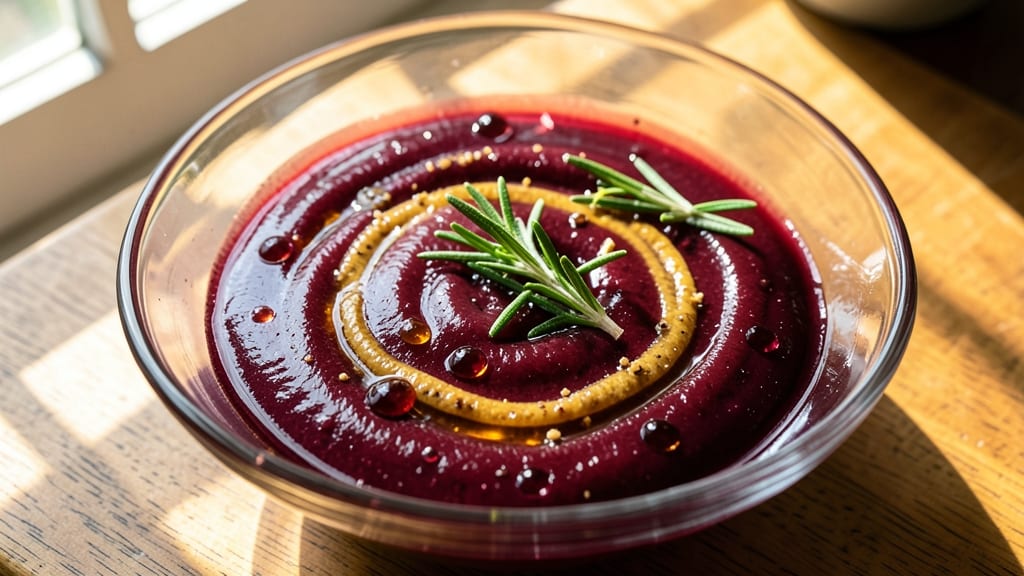
This Chianti salad dressing recipe transforms simple greens into a restaurant-worthy meal with its bold red wine depth and herbed complexity.
The key lies in balancing tangy red wine vinegar with sweet Chianti, creating a vinaigrette that's both rich and bright—perfect for cutting through rich ingredients like creamy avocados or grilled meats.
I've perfected this ratio over years of testing, ensuring every pour delivers that signature Italian bistro flavor without overpowering your salad.
The dressing comes together in just 5 minutes with pantry staples and a few fresh herbs, making it ideal for weeknight dinners or meal prep. Olive oil provides the smooth base, while Dijon mustard adds subtle body, and a touch of honey balances the acidity.
The secret? Letting the dressing rest for 15 minutes before using—this allows the flavors to meld into a cohesive, velvety finish that clings beautifully to leaves.
What sets this dressing apart is its versatility—it elevates everything from classic caprese salads to hearty grain bowls and even grilled chicken.
The Chianti's natural sweetness pairs perfectly with sharp cheeses like pecorino or tangy goat cheese, while the herbs (rosemary and thyme) add an aromatic finish that transports you to a Tuscan countryside table. No special equipment is needed, just a whisk and a jar for storage.
For best results, store any leftovers in the fridge for up to 5 days, shaking gently before each use. The flavors actually improve over time, deepening as the wine mellows.
Whether you're dressing a simple arugula salad or drizzling over roasted vegetables, this dressing delivers restaurant-quality flavor with minimal effort. Let's make it—your taste buds will thank you.
Ingredients for chianti salad dressing
Pantry staples plus a few fresh herbs make this bold dressing shine.
| Ingredient | Amount | Notes |
|---|---|---|
| Extra-Virgin Olive Oil 🫒 | ¾ cup | High quality for richness |
| Chianti Wine 🍷 | ½ cup | Dry, bold red variety |
| Red Wine Vinegar 🍶 | ¼ cup | For tangy brightness |
| Dijon Mustard 🌶️ | 1 tbsp | Adds subtle body |
| Honey 🍯 | 1 ½ tbsp | Balances acidity |
| Fresh Rosemary 🌿 | 2 tbsp | Finely chopped leaves |
| Fresh Thyme Leaves 🌿 | 1 tbsp | Or 1 tsp dried thyme |
| Salt 🧂 | ½ tsp | Kosher or sea salt |
| Black Pepper 🌶️ | ¼ tsp | Freshly ground preferred |
| Garlic Cloves 🧄 | 2 cloves | Minced for depth |
The Chianti is the star—any bold, dry red will work, but Italian Chianti Classico gives that signature Tuscan flavor. Trader Joe's and Whole Foods carry good options, or grab a bottle you already have open. Fresh rosemary and thyme make all the difference here (the good stuff, not the dried packets). If you're using dried, reduce to one-third the amount—they're potent. The olive oil should be extra-virgin; California or Italian brands like Bertolli or Colavita work perfectly. Look for bottles labeled 'cold-pressed' for the best flavor.
No Chianti? Substitute with equal parts dry red wine and extra red wine vinegar—it won't be identical, but close. Short on Dijon? Yellow mustard at half the amount works in a pinch, though it's less refined. Honey can be swapped for maple syrup or agave nectar if you're avoiding it. The garlic is non-negotiable for depth, but if you're sensitive to its flavor, reduce to 1 clove. For extra richness, add 1 tbsp crumbled goat cheese after blending—it dissolves beautifully and adds a tangy kick. Always taste before serving; adjust salt or honey to balance.
This dressing keeps beautifully—5 days in the fridge, sealed in its jar. Shake gently before each use; the flavors meld and deepen over time. For meal prep, make a double batch and store in small glass jars (like those for pesto). It's perfect over grilled chicken, caprese salads, or even roasted Brussels sprouts. Freezes for 3 months if you want to make a big batch ahead of time. Just thaw in the fridge overnight before using.
Why You'll Love This Recipe
- Fewer Ingredients, More Flavor: I swear by this—just five things, no fancy prep. The Chianti and Dijon mustard do all the heavy lifting while the honey rounds out the sharpness. Honestly, I’ve made dressings with twice as many ingredients that tasted half as good.
- Rich Without Overpowering: That first drizzle of Chianti wine cuts through greens like a whisper, but the olive oil and honey make it feel luxurious. It’s tangy, yes, but there’s this unexpected depth—like a glass of wine you didn’t know you needed in your salad.
- Weeknight Meal Prep Hero: Make a jar on Sunday, and you’ve got dressing for five lunches. The vinegar and mustard keep it fresh for days, and it’s the kind of thing that makes Tuesday salads feel special. (Yes, even on a Tuesday night.)
- Budget-Friendly Luxury: You’re not buying specialty bottles here—just good olive oil, a cheap Chianti, and pantry staples. But it tastes like you spent an hour in a Tuscan kitchen. Between us, I’ve served this at dinner parties and no one’s ever asked where I got it.
Step-by-step instructions for Chianti salad dressing
This bold red wine vinaigrette comes together in minutes with vibrant flavors.
Whisk Together the Liquids
In a medium bowl, combine the 0.5 cup Chianti Wine and 0.25 cup Red Wine Vinegar. You'll notice the wine has a deep ruby color that will become the base of your dressing. Give these a quick stir to mix thoroughly before adding anything else.
This initial step creates the acidic backbone of your dressing. The vinegar brightens the wine's richness, while the Chianti brings that signature bold, fruity depth we love in Italian cuisine. Let the mixture sit for just 2 minutes while you prepare the remaining ingredients - this gives the flavors a chance to begin melding together.
Add the Sweet and Savory Components
To the wine-vinegar mixture, add the 1.5 tbsp Honey, 1 tbsp Dijon Mustard, 0.5 tsp Salt, and 0.25 tsp Black Pepper. The honey will immediately begin to dissolve, creating a smooth consistency. Use a whisk to combine everything until fully incorporated - you should see a uniform color throughout.
This is where the magic happens - the honey balances the acidity while the mustard adds subtle body. The salt and pepper enhance all the flavors without overpowering. Whisk for about 30 seconds until you see no more streaks of honey or mustard remaining. The mixture should look silky and cohesive at this point.
Incorporate the Herbs and Garlic
Add the 2 cloves minced Garlic Cloves, 2 tbsp finely chopped Fresh Rosemary, and 1 tbsp Fresh Thyme Leaves to the bowl. Give everything a gentle stir first to distribute the herbs evenly, then use your whisk to emulsify the dressing. You'll want to whisk steadily for about 1 minute until the dressing thickens slightly and becomes glossy.
The herbs should be finely chopped so they distribute evenly without clumping. The rosemary brings earthy pine notes while the thyme adds floral brightness. The garlic infuses subtle depth that complements the wine. Whisk until the dressing reaches your desired consistency - it should coat the back of a spoon but still flow easily.
Slowly Incorporate the Olive Oil
With the whisk moving continuously, very slowly drizzle in the 0.75 cup Extra-Virgin Olive Oil. Start with just a few drops at first, letting each addition fully incorporate before adding more. This gradual approach is crucial for creating a proper emulsion that won't separate later.
I like to add the oil in three stages - first a few tablespoons, then another third, and finally the remaining oil. After each addition, whisk vigorously for about 10 seconds until the dressing becomes uniformly creamy. The final dressing should have a velvety texture that coats salads beautifully without being too thick.
Taste and Adjust
Taste your dressing immediately after whisking. You should notice the bright acidity of the wine vinegar balanced by the sweet honey, with herbal notes from the rosemary and thyme. The garlic should add subtle depth while the olive oil provides richness.
Adjust the seasoning if needed - if it tastes too acidic, add another drizzle of olive oil. If it needs more brightness, add a splash of red wine vinegar. For more sweetness, incorporate a tiny bit more honey. Remember that flavors will mellow slightly after resting, so don't overcorrect immediately. The dressing will keep well in the refrigerator for up to 1 week, with flavors developing beautifully over time.
Pro Tips For Making Chianti Salad Dressing
- Reduce the Wine Slowly: Pour the Chianti into the dressing in a thin stream while whisking—this prevents clumping and lets the alcohol dissipate faster. I used to dump it all at once, and the dressing always tasted sharp and unfinished.
- Use Cold Mustard: Chill the Dijon mustard in the fridge for 10 minutes before mixing—it blends smoother and doesn’t thin the dressing prematurely. Trust me, the texture difference is noticeable, especially if you’re adding honey.
- Balance Honey Last: Taste the dressing before adding honey—it’s the easiest way to overpower the acidity. Start with half the amount, let it sit for 5 minutes, then adjust. You’ll save yourself from a cloyingly sweet mess.
- Whisk Like You Mean It: Don’t just stir—actually whisk the mustard and vinegar together for 30 seconds before adding oil. This emulsifies the mustard properly, so the dressing doesn’t separate later. (Yes, even if you’re impatient like me.)
Troubleshooting this dish
Oily Separation Fix
If your dressing separates with a layer of oil on top, it's not ruined—just needs a quick fix. Whisk in 1 tsp Dijon mustard or ½ tsp xanthan gum (a pinch is enough) to act as an emulsifier.
For immediate results, place the jar in a bowl of warm water for 10 minutes to gently reheat, then whisk vigorously. The heat helps the oil re-emulsify naturally. 🌡️
Overly Tart Taste
Too much red wine vinegar? Balance it by adding 1 tsp honey or maple syrup to sweeten, or a splash of Chianti wine to mellow the acidity. If the dressing tastes flat, increase the salt to ¾ tsp or add a pinch of smoked paprika for depth.
Always taste as you go—adjustments are easier before the oil is incorporated.
Herbs Too Strong
Fresh herbs can dominate if overused. If your dressing tastes like a rosemary forest, reduce the amount next time to 1 tbsp total herbs (½ tbsp rosemary + ½ tbsp thyme).
For an immediate fix, stir in 1 tbsp extra olive oil to dilute the flavor. Dried herbs are more concentrated, so if you’re substituting, use ⅓ the amount of fresh.
Thickness Issues
Too thick? Thin with 1 tsp water or warm broth while whisking. Too thin? Add 1 tsp Dijon mustard or ½ tsp cornstarch mixed with water to thicken. If the dressing is clumpy, strain it through a fine-mesh sieve to remove any herb bits.
For a smoother texture, blend the ingredients briefly in a blender before whisking by hand.
Wine Flavor Weak
If the Chianti taste is muted, use a bolder, drier red wine next time—like Cabernet Sauvignon or Sangiovese. For an immediate boost, add ½ tsp red wine reduction (simmer ¼ cup red wine until syrupy) or a splash of balsamic vinegar for depth.
Let the dressing rest for 30 minutes to let the wine flavors fully develop.
Storage Gone Wrong
If your dressing smells off or tastes sour after refrigeration, it’s time to toss it. To prevent spoilage, always store in a clean, airtight jar and keep it in the fridge. If it separates, give it a good shake before using—most dressings re-emulsify easily.
For longer storage, freeze in ice cube trays and thaw as needed for up to 3 months. ❄️
Nutrition facts
Frequently asked questions
Can I make this dressing without Chianti wine?
Use ½ cup dry red wine (like Cabernet Sauvignon) plus 1 tbsp extra red wine vinegar for similar depth. For a non-alcoholic version, substitute with ½ cup red grape juice and 1 tbsp balsamic vinegar. The flavor will be slightly milder but still delicious.
How long should I let the dressing rest before using?
Rest it for at least 15 minutes—this lets the flavors meld beautifully. For even better results, refrigerate for 1-2 hours before serving. The wine and vinegar will mellow slightly, creating a smoother, more complex taste.
What's the best way to store leftovers?
Transfer to an airtight jar and store in the fridge for up to 5 days. Shake gently before each use—it may separate slightly but re-emulsifies easily. For longer storage, freeze in ice cube trays for up to 3 months. Thaw overnight in the fridge.
Can I use this dressing on things besides salads?
Yes! It's fantastic over grilled chicken, roasted vegetables, or even as a marinade for 15-30 minutes. The bold flavors also pair beautifully with creamy dishes like goat cheese plates or as a drizzle for pasta. Just avoid using it on delicate seafood—stick to heartier proteins.
Why does my dressing look separated?
This happens when oil and vinegar aren't fully emulsified. Whisk in ½ tsp xanthan gum or 1 tsp Dijon mustard to fix it. For immediate results, warm the jar in a bowl of warm water for 10 minutes while whisking. Most dressings re-emulsify perfectly!