
Salads
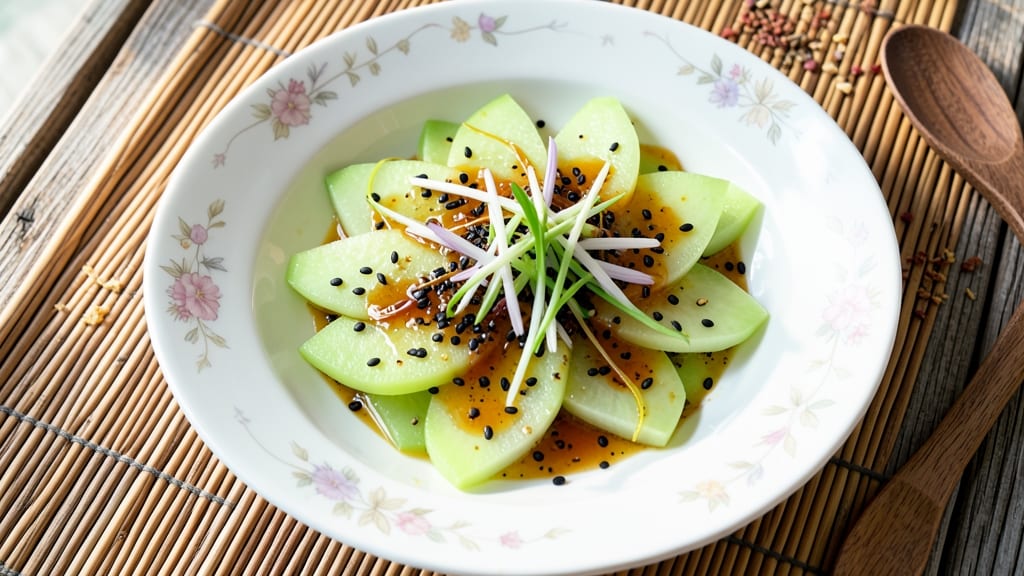
This Chinese radish salad recipe transforms humble daikon into a crisp, refreshing bite that balances sweet, tangy, and umami flavors perfectly. The secret lies in thinly slicing the radish—using a mandoline ensures even, paper-thin strips that stay crisp even after dressing.
Traditional Chinese techniques like rice vinegar and sesame oil create that signature tangy crunch, while modern twists (like chili-lime or citrus) add depth for contemporary palates.
The salad's magic comes from the dressing—a simple blend of rice vinegar, soy sauce, sesame oil, and a touch of sugar that caramelizes slightly when tossed with the radish. I like adding toasted sesame seeds and chopped scallions for texture and brightness, but the real star is the radish itself.
Its natural sweetness mellows as it sits, absorbing the dressing while maintaining that satisfying crunch.
What makes this recipe truly adaptable is its versatility—serve it as a side with grilled meats, pair it with sushi for a refreshing contrast, or make it hearty with added protein like crispy tofu or shrimp.
The salad keeps well in the fridge for up to 3 days, but the best part? It comes together in just 15 minutes with no cooking required.
For those who love texture, try adding shredded carrots or cucumber, or swap the sesame seeds for crushed peanuts. The possibilities are endless, but the foundation—crisp radish, tangy dressing—remains the same. Let's get started!
Ingredients for chinese radish salad
Crisp radish, tangy dressing, and toasted crunch—this salad delivers traditional Chinese flavors with modern versatility.
| Ingredient | Amount | Notes |
|---|---|---|
| Daikon Radish 🥕 | 2 lb | Thinly sliced with mandoline |
| Rice Vinegar 🍶 | ½ cup | Seasoned preferred for depth |
| Soy Sauce 🍶 | ¼ cup | Low-sodium preferred |
| Sesame Oil 🫒 | 2 tbsp | Toasted for nutty aroma |
| Granulated Sugar 🍚 | 1 tbsp | Light brown sugar for caramel notes |
| Toasted Sesame Seeds 🥜 | 2 tbsp | Lightly toasted for crunch |
| Scallions 🧅 | ¼ cup | Thinly sliced, green parts only |
| Lime Juice 🍋 | 1 tbsp | Freshly squeezed for brightness |
| Olive Oil 🫒 | 1 tbsp | Light for balance |
| Red Chili Flakes 🌶️ | ½ tsp | Adjust for heat preference |
| Salt 🧂 | ½ tsp | Kosher or sea salt |
The daikon radish is the heart of this salad, and freshness matters most. Look for firm, unblemished radishes with a vibrant white interior—Asian markets often carry the best selection. If using a mandoline, wear gloves to avoid cuts and slice into paper-thin strips. For extra crunch, chill the radish for 30 minutes before slicing. The Korean or Japanese variety works best, but any daikon will do in a pinch. Avoid radishes with soft spots or yellowing—those signal age and loss of crispness.
No rice vinegar? Apple cider vinegar or white wine vinegar works in a bind, though the flavor won’t be identical. Swap soy sauce for tamari or coconut aminos for a gluten-free option, but reduce to 2 tablespoons since these are saltier. Sesame oil can be omitted if you’re sensitive to its flavor, but the salad will lose its signature depth. For a sweeter touch, honey or agave nectar can replace sugar, though the caramelization won’t be as pronounced. If you love texture, add shredded carrots or cucumber—just pat them dry first to avoid a watery salad.
Store the dressing separately in a sealed jar for up to 5 days in the fridge, and keep the radish in an airtight container with a paper towel to absorb moisture. The salad itself holds up for 3 days if stored properly, though the radish will soften slightly over time. For best texture, toss with fresh dressing just before serving. If prepping ahead, toast the sesame seeds fresh before serving—they lose their crunch when stored. This salad pairs perfectly with grilled proteins or sushi, but it’s equally delicious on its own as a light, refreshing bite.
Why You'll Love This Recipe
- Five-Ingredient Magic: This salad comes together with zero fuss—just julienned daikon, a splash of rice vinegar, a drizzle of soy, sesame oil, and sugar. I’ve made it while microwaving leftovers, waiting for dinner to cook, and even during a 10-minute lunch break. The prep is so light, you’ll forget it’s actually a dish.
- Sweet-Savory Balance: That perfect harmony of crisp daikon, tangy vinegar, and umami soy sauce? It’s ridiculously addictive. The sesame oil adds this nutty depth, while the sugar just takes the edge off—no overpowering flavors here, just a clean, satisfying bite that lingers.
- Meal Prep MVP: Between us—this keeps perfectly for days in the fridge. I make a big batch on Sundays, toss it into bento boxes, or serve it cold with takeout. The flavors even improve as it sits, so leftovers aren’t just acceptable; they’re better.
- Budget Brightener: Daikon radishes are cheap, and this recipe uses pantry staples you already own. A single bunch stretches into multiple servings, and the dressing costs pennies. Honestly, it’s the kind of dish that makes grocery day feel like a win—without sacrificing flavor.
Step-by-step instructions for Chinese radish salad
Here's how to create a perfectly balanced salad with crisp daikon and bold Asian flavors.
Prepare the Daikon Radish
Peel the 2 lb daikon radish using a vegetable peeler, then slice it into ⅛-inch thick pieces using a mandoline for even cuts. I prefer this thickness because it gives maximum crunch while staying tender enough to eat. Place the sliced radish in a large bowl immediately after cutting to prevent browning.
For best results, work in batches if needed. The radish should yield about 6-8 cups of thin slices. If you notice any discoloration starting, simply toss those pieces with a little of the rice vinegar from the ingredients list to preserve their freshness until assembly.
Create the Dressing
In a small bowl, whisk together the 0.5 cup rice vinegar, 0.25 cup soy sauce, 1 tbsp granulated sugar, 1 tbsp lime juice, 1 tbsp olive oil, 0.5 tsp red chili flakes, and 0.5 tsp salt until the sugar dissolves completely. The dressing should have a smooth, syrupy consistency with no graininess.
Taste the dressing before combining with the radish. You want it to be tangy with a touch of sweetness and subtle heat. If it needs more balance, add another ½ teaspoon of sugar or a splash more lime juice. This is your flavor foundation, so don't rush this step - the dressing makes or breaks the salad.
Toss and Marinate
Pour the dressing over the sliced daikon radish and toss gently but thoroughly using your hands. You want every piece coated evenly. Let the salad sit for 10-15 minutes at room temperature while you prepare the remaining ingredients. This marination time allows the flavors to meld and the radish to soften slightly while maintaining its crunch.
Here's the thing - don't skip this waiting period. The acid in the rice vinegar and lime juice needs time to penetrate the radish slices. After 15 minutes, give it another good toss to redistribute any pooled dressing at the bottom of the bowl.
Add Finishing Touches
Drain any excess dressing that has collected in the bowl after marinating. Then add the 0.25 cup thinly sliced scallions and 2 tbsp toasted sesame seeds, tossing gently to distribute them evenly. The sesame seeds should be sprinkled throughout rather than clumped together.
Finally, drizzle the 2 tbsp sesame oil over the salad and toss one last time. The sesame oil adds a rich, nutty aroma that complements the bright acidity of the dressing. Serve immediately while the radish maintains its crisp texture and the flavors are at their peak.
Pro Tips For Making Chinese Radish Salad
- Peel Radish Thinly: That thick, chewy peel is the worst—skip it. Use a sharp knife or mandoline to slice off just the outer layer, then cut the radish into matchsticks. I used to leave it on and wondered why my salad felt like it needed more chewing.
- Shave Garlic, Don’t Dice: Thin, pale ribbons of garlic melt into the dressing without overpowering. Use a microplane or the side of your knife to create fine shavings—no need for chunks that sit like little flavor bombs.
- Dressing Last Minute: The radish gets soggy fast. Whisk your rice vinegar, soy sauce, sugar, and sesame oil together right before tossing—even 10 minutes early makes a difference. I learned this after watching a batch turn limp while I debated adding sesame seeds.
- Balance the Sweet-Sour: Start with equal parts sugar and vinegar (1 tbsp each), then taste. If it’s too sweet, add a splash more vinegar; too sharp? A pinch of sugar fixes it. My first attempts were either cloying or sour—now I adjust in ¼ tsp increments.
Essential equipment for this dish
Mandoline Slicer
A mandoline slicer is the single most important tool for this salad—it creates those signature paper-thin radish slices that stay crisp. I use the OXO Good Grips Mandoline because its adjustable thickness guide lets me dial in ⅛-inch slices perfectly every time.
The safety guard prevents accidental cuts, which is a must when handling sharp blades. 🥕
If you don’t own a mandoline, a sharp chef’s knife and steady hand work, but expect uneven slices. For extra safety, wrap the radish in plastic wrap before slicing—it grips the knife better and prevents slippage.
Pro tip: Chill the radish for 30 minutes before slicing to firm it up and get cleaner cuts.
Mixing Bowls
Use a large, shallow mixing bowl (at least 8-quart capacity) to toss the salad. I prefer stainless steel bowls because they’re durable and easy to clean, but glass works too.
The shallow shape ensures even coating of the dressing. Avoid deep bowls—they trap excess dressing, making the salad soggy. 🥣
For the dressing, a small glass bowl (like a pyrex measuring cup) is ideal. Glass won’t absorb flavors or odors like plastic, and it’s microwave-safe if you ever need to reheat components.
If you’re prepping ahead, store the dressing separately in an airtight container to keep it fresh for up to 5 days.
Whisk or Fork
A small whisk or fork is essential for emulsifying the dressing smoothly. I reach for my OXO Good Grips Whisk because its angled handle makes mixing in tight spaces easier. Whisking until the sugar dissolves completely prevents graininess in the dressing.
If you don’t have a whisk, a fork or chopsticks work in a pinch—just stir vigorously for 30 seconds to blend everything evenly. 🍶
For extra flavor, I like to add a pinch of grated ginger or minced garlic to the dressing while whisking. These aromatics deepen the umami profile without overpowering the radish’s natural sweetness. Taste as you go—adjust the balance of vinegar, soy sauce, or sugar until it’s perfectly tangy.
Sesame Seed Toaster
Toasted sesame seeds add nutty crunch and aroma, but store-bought versions often lose their freshness. A small skillet or dry toaster oven works for toasting 2 tbsp sesame seeds until golden (2-3 minutes on medium heat).
I avoid toasting in the oven because it can burn seeds quickly. 🥜
For a hands-off method, use a popcorn popper—it toasts seeds evenly without watching closely. Once toasted, let them cool completely before adding to the salad. Store extra seeds in an airtight container for up to 2 weeks, but toast fresh for the best flavor.
Pro tip: Toast seeds in batches to avoid overcrowding the pan.
Measuring Tools
Precision matters in this recipe, so invest in liquid measuring cups and a spoon set for accuracy. I use pyrex measuring cups for the 0.5 cup rice vinegar and 0.25 cup soy sauce—their clear markings make it easy to eyeball.
For dry ingredients like 1 tbsp sugar or 0.5 tsp chili flakes, a stainless steel measuring spoon ensures consistency. 📏
A digital scale isn’t mandatory, but it’s handy for weighing the 2 lb daikon radish if you’re unsure about its size. If you’re new to Asian cooking, grab a small bowl with a spice grinder for freshly toasted sesame seeds—it’s a game-changer for texture.
Keep your tools organized in a drawer organizer to streamline prep.
Nutrition facts
Frequently asked questions
Can I use regular radish instead of daikon?
Regular radishes are much smaller and more pungent than daikon, so they won't work well for this recipe. Daikon's mild sweetness and crisp texture are essential for the perfect balance. If you absolutely must substitute, try white turnips—they're similar in texture and hold up better to slicing than regular radishes. Just be prepared for a slightly different flavor profile.
How do I prevent the radish from turning brown?
Browning happens when the radish's natural enzymes react with air. To prevent it, work quickly and keep sliced radish submerged in cold water until ready to use. For extra protection, toss the slices with a little rice vinegar or lemon juice immediately after slicing. If you notice browning starting, simply remove the affected pieces before assembling the salad.
Can I make this salad ahead of time?
Yes, but with a few key adjustments. Store the sliced radish and dressing separately in airtight containers in the fridge for up to 3 days. Just before serving, toss them together and add the sesame seeds and scallions. The radish will soften slightly over time, so for maximum crunch, slice it fresh and marinate for only 10 minutes before eating. Keep the sesame oil separate until serving to preserve its fresh aroma.
What if I don't have sesame oil?
Don't worry—you can substitute with toasted peanut oil or even light olive oil in a pinch. The nutty depth will be different, but it will still work. For a more authentic flavor, try adding ½ teaspoon of ground sesame seeds to the dressing instead. Just remember that sesame oil is what gives this salad its signature aroma, so if possible, it's worth tracking one down for the full experience.
How can I make this salad spicier?
For extra heat, increase the red chili flakes to 1 teaspoon or add 1 teaspoon of sriracha or chili garlic sauce to the dressing. You can also stir in ½ teaspoon of cayenne pepper or a few drops of hot sauce after tossing. For a smoky kick, add ½ teaspoon of smoked paprika to the dressing. Always taste as you go—you can adjust the heat level to your preference.