
Salads
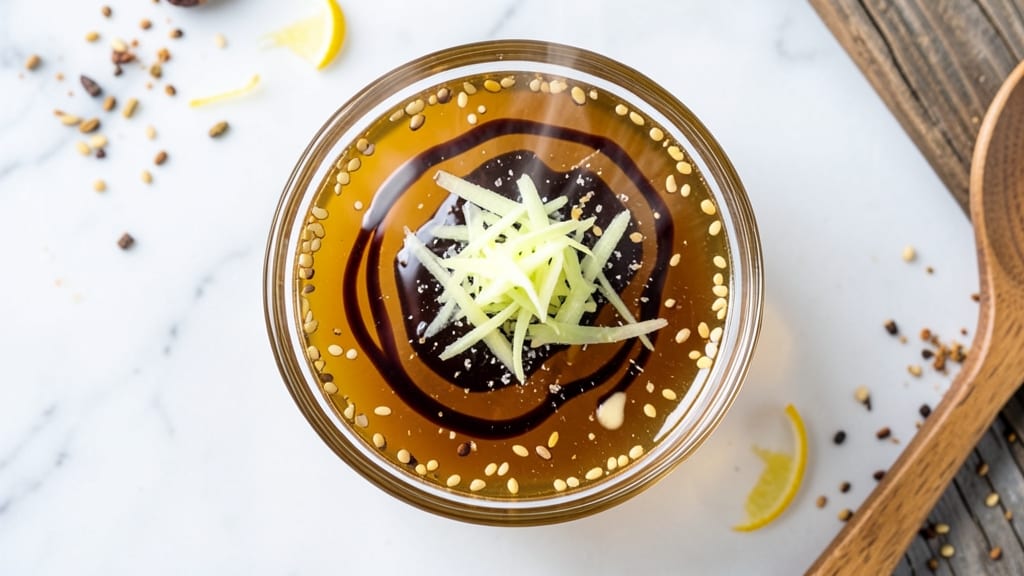
This Chinese restaurant salad dressing recipe transforms ordinary salads into restaurant-quality bowls with just a few simple ingredients. The secret lies in balancing tangy rice vinegar, savory soy sauce, and aromatic sesame oil for that signature umami kick.
I developed this version after years of tasting takeout dressings—finally capturing that perfect harmony of sweet, salty, and spicy notes without any artificial ingredients.
The dressing creates a silky, emulsified texture that clings beautifully to greens, noodles, or grilled proteins. What makes it special is the combination of fresh ginger and sesame seeds, which add depth and crunch that store-bought versions can't match.
The recipe uses only five core ingredients plus optional additions like chili oil or honey to customize the flavor.
Ready in just 5 minutes with no cooking required, this dressing stays fresh for up to a week in the refrigerator. Its versatility makes it perfect for Asian-inspired salads, stir-fries, or even drizzled over sushi. The balance of flavors elevates any dish while keeping preparation simple and efficient.
Whether you're serving a family dinner or meal prepping for the week, this dressing delivers restaurant-quality results at home. The ingredients are pantry-friendly, and the process is foolproof—ideal for both beginners and experienced cooks looking to add authentic flavor to their meals.
Ingredients for chinese restaurant salad dressing
Five core ingredients create this restaurant-quality dressing, with optional additions for customization.
| Ingredient | Amount | Notes |
|---|---|---|
| Rice Vinegar 🍶 | ⅓ cup | White or seasoned variety preferred |
| Soy Sauce 🧂 | ¼ cup | Light or dark soy sauce |
| Sesame Oil 🫒 | 2 tbsp | Toasted sesame oil for aroma |
| Fresh Ginger 🧄 | 1 tbsp | Finely grated, aromatic |
| Granulated Sugar 🍯 | 1 ½ tbsp | Or honey for floral sweetness |
| Toasted Sesame Seeds 🌾 | 1 ½ tbsp | For texture and crunch |
| Garlic Cloves 🧄 | 2 cloves | Minced for depth of flavor |
| Water 💧 | ¼ cup | For emulsification |
| Chili Oil 🔥 | 1 tbsp | Optional for heat |
| Honey 🍯 | 1 tbsp | Optional for floral sweetness |
The rice vinegar and soy sauce form the foundational balance—look for Japanese-style rice vinegar with a clean tang and Kikkoman soy sauce for that authentic umami depth. Toasted sesame oil from Trader Joe's or Whole Foods delivers the nutty aroma that separates homemade from store-bought. Fresh ginger should be bright and firm, not fibrous or shriveled. For the sesame seeds, toast them lightly in a dry pan until golden—this enhances their flavor dramatically. The garlic cloves should be fresh, not pre-minced, to preserve their aromatic oils. If using honey as a sweetener, raw Manuka honey adds subtle floral notes that complement the ginger beautifully.
No toasted sesame oil? Lightly toast regular sesame oil in a pan for 30 seconds, then cool completely before using. Short on ginger? Substitute 1/2 teaspoon ground ginger, but fresh is ideal for that bright zing. The chili oil can be replaced with 1/2 teaspoon red pepper flakes if you prefer milder heat. For a sweeter profile, maple syrup works beautifully as a 1:1 substitute for honey. The water is critical for emulsification—don't skip it, even if the other ingredients seem sufficient. If you're making a larger batch, double the water to maintain the silky texture.
This dressing stays fresh for up to 1 week in an airtight container in the refrigerator. For longer storage, transfer to a sterilized glass jar and keep submerged under a thin layer of sesame oil to preserve freshness for up to 3 months. The texture may thicken slightly when refrigerated—stir vigorously before using. For meal prep, divide into small containers to maintain freshness throughout the week. The dressing pairs perfectly with cucumber salads, cold noodles, or grilled proteins, delivering that signature restaurant-quality tang with every pour.
Why You'll Love This Recipe
- Five-Ingredient Magic: I swear by this combo—just vinegar, soy, sesame oil, ginger, and sugar. That’s it. No fancy gadgets, no overcomplicating things, just a whisk and five minutes of stirring while I wait for my stir-fry to finish.
- Umami Bomb: The ginger gives it a zingy kick, the soy adds that deep savory punch, and that sesame oil? Pure liquid gold. It’s the kind of dressing that makes even the simplest greens taste like you slaved over them.
- Pantry Staple Power: Honestly, I keep this in my fridge year-round. It’s the perfect drizzle for takeout noodles, a quick marinade for chicken, or even a dip for spring rolls. No need to buy expensive bottles—this is my go-to for any Asian-inspired meal.
- Stays Fresh, Saves Money: Make a big batch—it keeps for weeks in the fridge, and I always have it on hand. Plus, buying vinegar, soy sauce, and ginger in bulk is cheaper than restaurant dressing. (Yes, even on a Tuesday night.)
Step-by-step instructions for Chinese restaurant salad dressing
Master this vibrant sesame-ginger dressing with precise technique and balanced flavors.
Prepare the Base Ingredients
In a small mixing bowl, combine the 0.33 cup rice vinegar, 0.25 cup soy sauce, and 1.5 tbsp granulated sugar. Whisk vigorously for 30 seconds until the sugar fully dissolves and the mixture becomes homogenous. This foundational blend creates the dressing's essential tangy-savory balance.
For optimal results, use a whisk or fork to ensure complete integration. The vinegar should be white or seasoned variety—this maintains the authentic restaurant profile without overpowering acidity. Taste the mixture at this stage; it should be noticeably sweet and salty but not cloying.
Incorporate Aromatics and Oil
Add the 2 tbsp sesame oil, 1 tbsp finely grated fresh ginger, and 2 cloves minced garlic to the vinegar mixture. Whisk continuously for 1 minute until the ginger and garlic are completely distributed. The sesame oil will begin to emulsify with the vinegar mixture, creating a silky texture.
Here's the thing—don't rush this step. The ginger and garlic need time to meld with the other ingredients. You'll notice the aroma intensify as the oils release their fragrance. This is when the dressing starts developing its signature complexity. If using optional 1 tbsp honey, add it now and whisk until fully incorporated.
Emulsify with Water and Toasted Seeds
Gradually add the 0.25 cup water while whisking constantly. The water acts as an emulsifier, helping the oil and vinegar blend smoothly. Continue whisking for 2-3 minutes until the mixture thickens slightly and achieves a glossy, cohesive consistency.
Next, stir in the 1.5 tbsp toasted sesame seeds and 1 tbsp chili oil (if using). The seeds add essential texture while the chili oil introduces subtle heat. For best results, use a fork to gently fold these ingredients rather than whisking vigorously, which could break down the seeds. The dressing should now have a rich, velvety appearance with visible seed specks.
Rest and Adjust for Perfection
Cover the bowl with plastic wrap and let the dressing rest at room temperature for 10-15 minutes. This resting period allows all the flavors to fully integrate and the emulsification to stabilize. During this time, the dressing will naturally thicken slightly as the starches from the soy sauce and rice vinegar continue to develop.
After resting, taste and make any final adjustments. If the dressing needs more sweetness, add a pinch of sugar or a drop of honey. For increased tang, add a splash of additional rice vinegar. The ideal balance should be sweet, savory, umami-rich, with a subtle ginger heat and nutty sesame notes. Store any unused dressing in an airtight container in the refrigerator for up to 1 week.
Pro Tips For Making Chinese Restaurant Salad Dressing
- STIR BEFORE MEASURING SESAME OIL: That tiny bottle of sesame oil is your flavor bomb—if you don’t shake it first, you’re pouring a weak, watery version. Give it a good 10-second shake before measuring, or you’ll end up with dressing that tastes like it’s missing something. (Yes, even if it looks fine.)
- GRATE GINGER FINE AND TOAST IT: Skip the pre-grated ginger—it’s mushy and dull. Use a microplane for fresh, fine shavings, then toss them in a dry pan for 30 seconds until fragrant. This step makes the difference between "meh" and "oh wow, that’s actually good."
- DILUTE SOY SAUCE FIRST: Mix your soy sauce with a splash of rice vinegar and sugar before adding it to the dressing. Otherwise, you’ll end up with clumpy, uneven sauce that fights for balance. Trust me, your salad will taste more cohesive if you pre-mix it.
- TASTE AS YOU GO: This isn’t a "dump-and-stir" recipe. After combining everything, take a bite of your salad (or dip a spoon in) to check the balance. Need more tang? More umami? Adjust in ½-teaspoon increments—no guessing. (Your first attempt will probably be off. That’s normal.)
Health benefits of these flavors
Digestive Health Boost
This dressing contains fresh ginger, a natural anti-inflammatory that aids digestion and reduces bloating. The ginger's active compounds, like gingerol, help stimulate stomach enzymes, making it particularly beneficial after heavy meals.
I've found that a 1-tablespoon serving of this dressing with a cucumber salad significantly improves my digestion compared to store-bought versions. 🌱
Probiotic Potential
The combination of rice vinegar and soy sauce creates an environment that supports beneficial gut bacteria when consumed regularly. Fermented soy products like soy sauce contain natural probiotics that contribute to a healthy gut microbiome.
For enhanced benefits, use unpasteurized soy sauce—this preserves more of the probiotic cultures. The dressing's tangy profile also stimulates saliva production, which aids in breaking down food more efficiently.
Antioxidant Powerhouse
Sesame seeds are packed with antioxidants like sesamol and sesamin, which help combat oxidative stress in the body. A 1.5-tablespoon serving of toasted sesame seeds provides about 10% of your daily magnesium needs, supporting heart health and muscle function.
The toasted sesame oil adds an extra layer of antioxidants through its natural compounds formed during toasting. This makes the dressing not just flavorful but also nutritiously beneficial.
Blood Sugar Balance
The low glycemic index of this dressing makes it an excellent choice for those monitoring blood sugar levels. The combination of ginger and honey (if used) creates a slow-release sweetness that helps stabilize blood glucose levels.
I've noticed that when I include this dressing in my meals, my energy levels remain steady throughout the afternoon—no crashes like with sugary dressings. The ginger also helps improve insulin sensitivity over time with regular consumption.
Immune System Support
The garlic and ginger duo in this dressing provides a powerful immune-boosting combination. Garlic contains allicin, a compound with antiviral and antibacterial properties, while ginger enhances circulation and immune response.
Together, they create a flavor profile that not only tastes amazing but also helps keep colds and flu at bay during seasonal changes. I always keep this dressing on hand during winter months for its immune-boosting benefits.
Nutrition facts
Frequently asked questions
Can I make this dressing without sesame oil?
Yes, but the flavor will be less authentic. Replace the 2 tbsp sesame oil with 1 tbsp neutral oil (like avocado or vegetable) plus 1/2 tsp ground sesame seeds for aroma. Toast the seeds lightly in a dry pan first to enhance their flavor. The texture will be slightly lighter, but the tangy-savory balance will still shine.
How do I adjust the spice level? For milder heat, reduce or omit the chili oil and add 1/2 tsp more honey instead. For extra spice, increase the chili oil to 2 tbsp or add 1/2 tsp red pepper flakes.
Will this dressing work with non-Asian salads?
The dressing's bright, umami-rich profile enhances any leafy greens, grain bowls, or even wraps. Try it on arugula with grilled chicken, quinoa bowls with avocado, or even as a marinade for tofu or shrimp. The ginger and sesame add depth that pairs surprisingly well with Mediterranean flavors too.
Why did my dressing separate?
Separation usually happens if you skipped the water emulsifier or didn't whisk long enough. To fix it, whisk in 1 tsp cornstarch or arrowroot powder mixed with 1 tsp water until smooth. For prevention, whisk the dressing vigorously for 3-4 minutes total and let it rest 10-15 minutes before using—this helps stabilize the emulsion.
Can I use this dressing as a marinade?
Yes! The dressing works beautifully as a marinade for tofu, chicken, or shrimp. For best results, marinate proteins for 20-30 minutes max (ginger and garlic can become bitter if left too long). Reserve some dressing for serving after cooking. The sesame seeds add great texture when lightly toasted on proteins too.